Traditional Mexican Horchata: Silky and Spiced
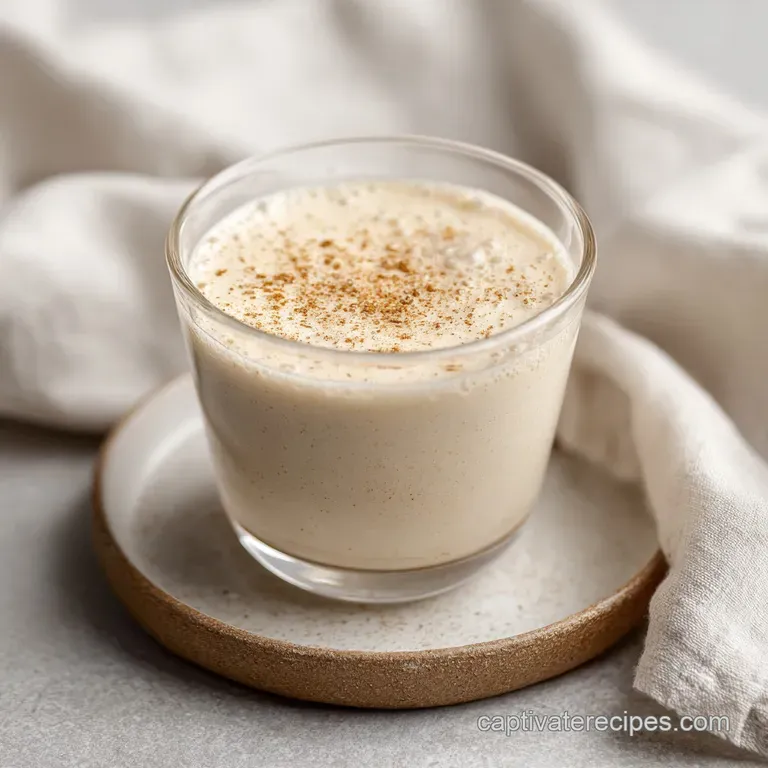
- Time: Active 15 minutes, Passive 12 hours, Total 12 hours 15 mins
- Flavor/Texture Hook: Silky, velvety liquid with a warm, woody cinnamon finish
- Perfect for: Hot summer afternoons, spicy taco nights, or a dairy-free treat
- The Refreshing History of Authentic Mexican Rice and Cinnamon Horchata
- The Secret Methods That Create a Truly Silky Texture
- Timing and Measurements for the Most Reliable Batch Ever
- Selecting the Best Components for Your Homemade Spiced Drink
- Essential Kitchen Tools for Achieving a Smooth Liquid Base
- Step By Step Guide to Creating This Iconic Refreshment
- Fixing Common Texture Issues and Flavor Imbalances Like a Pro
- Creative Ways to Customize the Flavor of Your Drink
- Keeping It Fresh
- How to Serve and Garnish for a Beautiful Presentation
- Recipe FAQs
- 📝 Recipe Card
The Refreshing History of Authentic Mexican Rice and Cinnamon Horchata
When you walk into a bustling taqueria on a humid afternoon, the first thing that hits you isn't just the smell of searing al pastor. It's the sight of those massive glass barrels, known as vitroleros, sweating with condensation and filled with an opaque, milky white liquid.
That first sip of horchata is like a cool breeze for your throat sweet, incredibly smooth, and carrying that distinctive woody warmth of real Mexican canela. It’s the ultimate antidote to a spicy salsa and a drink that feels like home, even if you’re miles away from Mexico.
Actually, the story of this drink is a bit of a traveler's tale. While we know and love the rice based version from Mexico, the original concept came from North Africa and Spain, where it was made with tiger nuts (chufa).
When the Spanish arrived in the Americas, they brought the idea with them, but rice and almonds became the new stars of the show. Over centuries, it evolved into the staple we crave today. It’s a brilliant example of how ingredients adapt to new lands while keeping their soul intact.
We've all had those watered down, powdery versions from a fountain machine, but once you make it from scratch, there is no going back. The homemade version has a weight and a silkiness to it that feels luxurious.
It isn’t just "rice water" it’s a carefully steeped infusion that relies on patience and a few simple tricks I’ve picked up over the years. We are going to treat these grains with respect, letting them soften until they’re ready to give up every bit of their creamy potential.
The Secret Methods That Create a Truly Silky Texture
The magic of this recipe lies in the transformation of hard, brittle rice into a liquid that feels like heavy cream. This isn't magic, though; it's basic physics happening in your blender. When we soak the rice, the water penetrates the starch granules, causing them to swell and soften.
But if you just soak whole grains, the water only reaches the surface effectively. That’s why we start by pulsing the rice into a coarse sand. This creates more surface area, allowing the water to get deep into the heart of the grain during those 12 hours of waiting.
Another huge factor is the addition of blanched almonds. While many quick recipes skip the nuts, they are essential for body. Almonds contain natural fats and proteins that, when blended at high speeds, create a natural emulsion. This gives the drink a "velvety" coat your tongue quality that rice alone can't achieve.
Without the almonds, the drink can feel a bit thin or "thin watery." The fats in the nuts bridge the gap between the starchy rice and the water, holding everything together in a stable, creamy suspension.
Chef Tip: Always use "Canela" (Ceylon cinnamon) rather than the hard, dark Cassia cinnamon found in most grocery aisles. Ceylon is soft, crumbly, and has a subtle citrus note that won't overpower the delicate rice.
Maximizing Starch Suspension
The longer you soak, the more starch is "primed" for the blender. During the 12 hours, the rice loses its crystalline structure. When you finally hit that blend button, you aren't just chopping rice; you are creating a colloidal suspension where the particles are so small they stay floating in the water rather than sinking to the bottom immediately.
Utilizing the "Canela" Porosity
Cinnamon sticks are actually dried bark, and they are incredibly porous. By breaking them up before the soak, we allow the water to extract the essential oils (cinnamaldehyde) from the inside out. This results in a deeper, more integrated spice flavor rather than just having ground cinnamon floating on top like dust.
Emulsifying the Almond Fats
Blanched almonds are key because the skins of unblanched almonds can add a bitter, tannic aftertaste and a brown hue. By using skinless nuts, we keep the color bright white. During the high speed blend, the blades shear the almond fats into microscopic droplets, which the rice starch then helps to stabilize, preventing the drink from separating too quickly.
| Method | Time | Texture | Best For |
|---|---|---|---|
| Fast Soak | 1 hour | Slightly watery, settles fast | Last minute cravings |
| Classic Soak | 12 hours | Creamy, rich, stays mixed | Traditional texture |
| Pulsed Method | 12 hours | Thickest, most flavorful | The gold standard |
Timing and Measurements for the Most Reliable Batch Ever
Precision matters when you're working with such a short list of ingredients. Because we aren't using dairy, the ratios of rice to water determine the entire "weight" of the drink. We use a two stage water process: 950ml for the soak to create a concentrated base, and then an additional 475ml to thin it out to the perfect drinking consistency.
This ensures we extract the maximum flavor without ending up with a watery mess.
| Ingredient | Science Role | Pro Secret |
|---|---|---|
| Long grain Rice | Primary Starch Source | Rinse until clear to remove surface dust that makes it "chalky" |
| Blanched Almonds | Fat and Emulsification | Pulse into a meal with the rice to jumpstart the soaking process |
| Ceylon Cinnamon | Volatile Oil Infusion | Break by hand to expose more edges for the 12 hour steep |
I prefer using maple syrup as the sweetener here because it dissolves instantly and adds a very faint earthy note that plays beautifully with the cinnamon. Unlike granulated sugar, which can sometimes leave a gritty residue if not fully dissolved, the syrup keeps the texture perfectly consistent from the first sip to the last.
It’s a small tweak that makes the process much more reliable for a busy home cook.
Selecting the Best Components for Your Homemade Spiced Drink
- 1 cup (200g) Long grain white rice, uncooked: Why this? Provides the clean, neutral starch base needed for a bright white, creamy finish.
- Substitute: Jasmine rice works too; it adds a very subtle floral aroma.
- 1/2 cup (70g) Blanched almonds, unsalted: Why this? Adds the necessary fats for a creamy mouthfeel without using any actual dairy.
- Substitute: Raw cashews (soaked) provide an even creamier, though less traditional, result.
- 2 sticks (6g) Real Mexican Canela (Ceylon cinnamon): Why this? Soft and citrusy; it infuses the water deeply during the 12 hour soak.
- Substitute: 1 tablespoon of ground cinnamon (add this at the blending stage instead).
- 4 cups (950ml) Filtered water, for soaking: Why this? Pure water ensures the clean flavors of rice and cinnamon are the stars.
- Substitute: No substitute; avoid tap water if it has a strong chlorine taste.
- 2 cups (475ml) Cold filtered water, for thinning: Why this? Adjusts the final viscosity so the drink is refreshing rather than sludge like.
- Substitute: Use coconut water for a tropical, slightly saltier twist.
- 1/2 cup (120ml) Maple syrup: Why this? Liquid sweetener that blends seamlessly and adds a hint of caramel depth.
- Substitute: Agave nectar or a simple syrup made from 100g of white sugar.
- 1 tbsp (15ml) Pure vanilla extract: Why this? Rounds out the spices and makes the drink smell like a dessert.
- Substitute: Vanilla bean paste for those beautiful little black specks.
- 1/4 tsp Sea salt: Why this? Crucial for brightening the sweetness and making the cinnamon pop.
- Substitute: Standard table salt (use slightly less as it’s finer).
Essential Kitchen Tools for Achieving a Smooth Liquid Base
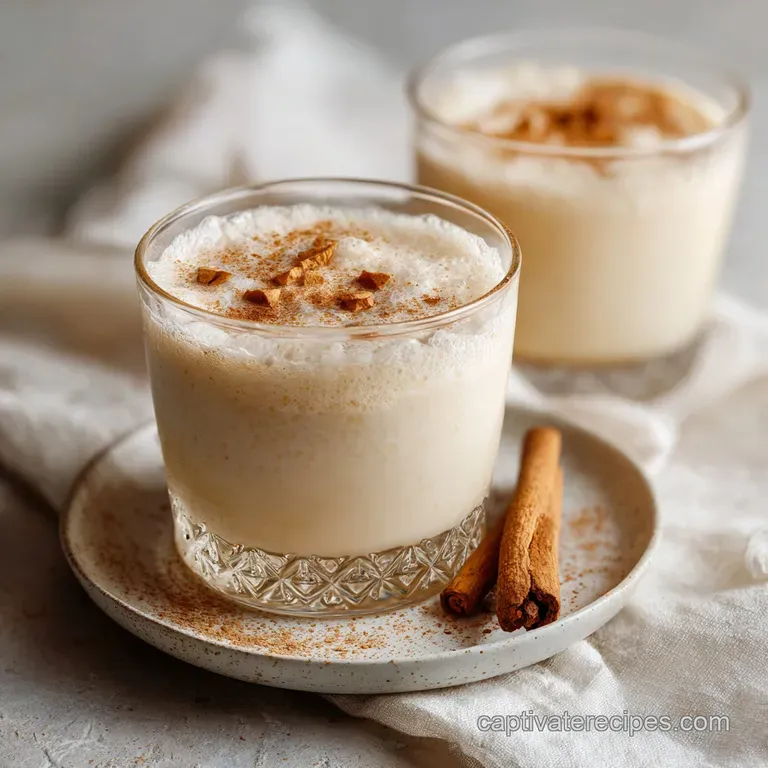
You don’t need a kitchen full of gadgets, but a high speed blender is your best friend here. Brands like Vitamix or Blendtec are built to pulverize grains into nothingness, which is exactly what we want.
If you’re using a standard blender, you might just need to blend for an extra minute or two to get the same result. The goal is to leave as little "pulp" as possible.
The second non negotiable is a nut milk bag or a very fine mesh strainer lined with several layers of cheesecloth. Standard kitchen strainers have holes that are way too big; they’ll let the "grit" through, and nothing ruins a glass of horchata faster than a sandy texture at the back of your throat.
A nut milk bag allows you to squeeze the pulp, extracting every last drop of that starchy goodness while keeping the solids out.
The Grain and Nut Base
The foundation of the drink is the 200g of rice and 70g of almonds. Together, they create a balance of starch and fat. You'll want a large glass bowl for the soaking phase. Glass is better than plastic because it won't absorb the strong cinnamon oils over the 12 hour period.
The Flavor and Sweetener
For the final mix, a large 2 liter pitcher is ideal. Since this drink tends to settle as it sits, a pitcher with a lid that you can shake, or one that comes with a long stirring spoon, is a practical choice for serving later on.
step-by-step Guide to Creating This Iconic Refreshment
- Rinse the 200g of rice under cold running water in a fine strainer until the water stops looking cloudy and runs clear. Note: This removes excess surface starch that can make the drink feel "chalky" or gummy.
- Place the rinsed rice, 70g of blanched almonds, and the 2 broken up canela sticks into your blender. Pulse for 30 60 seconds until the mixture looks like coarse sand or cornmeal.
- Transfer this gritty mixture into a glass bowl and pour in the 950ml of filtered water. Cover it tightly and let it sit for 12 hours (at least 8 if you're in a rush) in the fridge or on the counter if your kitchen is cool.
- Pour the entire contents of the bowl (water, rice bits, almonds, and cinnamon) back into the blender. Blend on high for 2 full minutes until the liquid looks white and frothy and the solids are nearly invisible.
- Set a nut milk bag or cheesecloth lined strainer over a clean pitcher. Pour the mixture through and squeeze the bag firmly with your hands until the pulp inside feels dry and crumbly.
- Discard the gritty pulp (or save it for compost). You should now have a thick, creamy concentrated base in your pitcher.
- Stir in the remaining 475ml of cold water, the 120ml of maple syrup, 15ml of vanilla, and 1/4 tsp of sea salt. Mix thoroughly with a long spoon until the syrup is fully incorporated.
- Taste the mixture. If it’s too thick for your liking, add another 50ml of water. Chill in the refrigerator until it is ice cold before serving.
- Fill glasses with fresh ice and give the pitcher a very good stir or shake. Pour the cold liquid over the ice.
- Garnish with a light dusting of ground cinnamon or a fresh cinnamon stick for aroma.
Fixing Common Texture Issues and Flavor Imbalances Like a Pro
Solving the Gritty Texture
If your drink feels "sandy" on your tongue, the culprit is almost always the straining process. Even a fine mesh strainer can let through micro particles of rice. The fix is to double strain.
Use a nut milk bag, and if you don't have one, a clean cotton t shirt or a high-quality paper coffee filter (though this takes forever) will catch those tiny grains.
Fixing a Thin Consistency
If the horchata feels like thin milk rather than a rich cream, you likely didn't blend the rice long enough or the soak was too short. Next time, ensure you hit the full 2 minute blend mark.
To save a thin batch right now, you can blend in an extra 20g of soaked almonds or a splash of coconut milk to add immediate body.
| Problem | Root Cause | Solution |
|---|---|---|
| Gritty mouthfeel | Improper straining or weak blender | Re strain through a nut milk bag or tight weave cloth |
| Bland flavor | Not enough salt or cinnamon soak | Add a pinch of salt and 1/2 tsp ground cinnamon; stir well |
| Settles too fast | Particles are too large | Blend for a full 2 minutes next time to maximize suspension |
Common Mistakes Checklist
- ✓ Skipping the rinse step for the rice (leads to a dusty, chalky aftertaste).
- ✓ Using "Cassia" cinnamon (the hard, dark kind) which doesn't infuse as well as Canela.
- ✓ Straining through a standard colander (the holes are way too large for fine rice particles).
- ✓ Forgetting the salt (the drink will taste flat and one dimensional without it).
- ✓ Serving it lukewarm (this drink must be bone chillingly cold to be refreshing).
Creative Ways to Customize the Flavor of Your Drink
Crafting a Low Glycemic Version
If you're watching your sugar intake, you can easily swap the maple syrup for a liquid monk fruit sweetener or stevia. Start with a very small amount, as these are much sweeter than syrup. Another great "whole food" option is to soak 3-4 pitted Medjool dates along with the rice and almonds, then blend them right in.
They add a deep, fudge like sweetness and extra fiber.
Swapping for a Nut Free Alternative
For those with nut allergies, you can replace the 70g of almonds with 50g of hulled sunflower seeds or simply omit them and increase the rice to 250g. The sunflower seeds provide a similar fat content and creaminess but will slightly change the color to a light grey white.
If you go rice only, the drink will be thinner, so you might want to use less thinning water at the end.
Dirty Horchata and Other Fun Twists
One of my favorite afternoon pick me-ups is a "Dirty Horchata." Simply pour a shot of cold brew concentrate or a fresh espresso shot into your glass before topping it with the spiced rice milk. The bitterness of the coffee cuts through the sweetness perfectly.
You can also blend in a handful of strawberries for a "Horchata de Fresa," which turns the drink a beautiful pastel pink.
Keeping It Fresh
Because this recipe is made from fresh grains and nuts without any preservatives, it doesn't have the shelf life of store-bought milk. You should keep it in the coldest part of your fridge, where it will stay delicious for about 3 to 4 days.
You’ll notice that it separates as it sits the rice starch will settle at the bottom of the pitcher. This is totally normal! Just give it a vigorous stir or a shake before pouring.
I don't recommend freezing the finished drink, as the starch water emulsion can break when thawed, leading to a grainy, unappealing texture. However, if you find yourself with leftovers that are about to turn, pour them into an ice cube tray.
These "horchata cubes" are perfect for icing down your next batch without watering it down, or for throwing into a blender with a frozen banana for a quick spiced smoothie.
Zero Waste Tip: Don't throw away that leftover rice and almond pulp! It’s essentially a spiced porridge base. You can stir it into oatmeal, fold it into pancake batter, or even use it as a thickening agent for a creamy vegan soup. It still carries a lot of cinnamon and vanilla flavor.
How to Serve and Garnish for a Beautiful Presentation
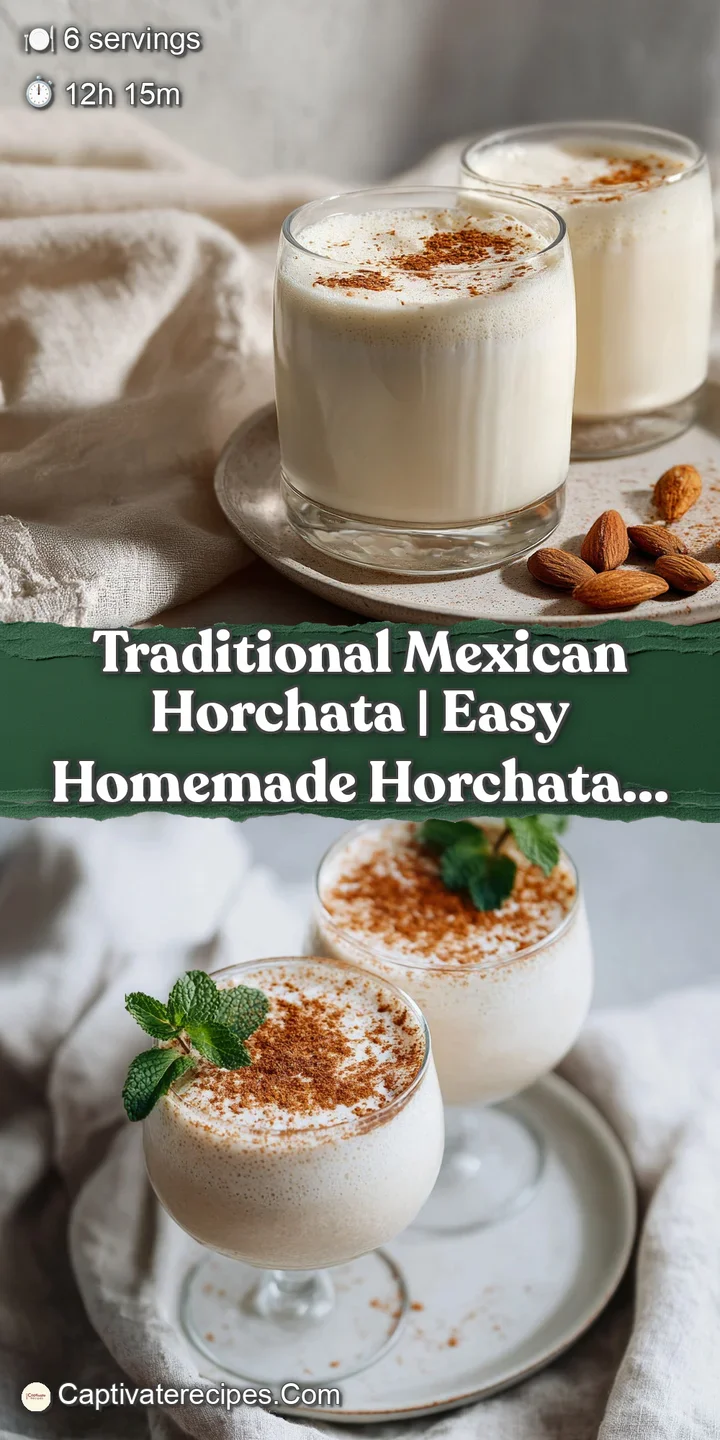
Presentation is half the fun with a drink this beautiful. Since the liquid is a stark, creamy white, it looks stunning in clear glassware. I love using tall "highball" glasses filled to the brim with large, clear ice cubes.
If you really want to go the extra mile, rim the glasses with a mixture of sugar and ground cinnamon before filling them. Just dip the rim in a bit of maple syrup first so the spice mix sticks.
Adding a whole cinnamon stick to each glass isn't just for looks; it acts as a natural straw and continues to scent the drink as you sip. If you're serving this at a party, you can serve it in a large glass vitrolero or a ceramic pitcher to keep it traditional.
Just remember to keep a long handled spoon nearby so guests can stir the sediment back in before ladling it out. It’s a rustic, communal way to enjoy a drink that has been bringing people together for centuries.
If you are feeling fancy, a small sprig of mint on top adds a pop of green and a refreshing aroma that hits your nose right before the cinnamon hits your palate. It’s these tiny, thoughtful touches that turn a simple glass of rice water into a memorable treat that your friends will be asking for every time they visit.
Trust me, once they taste how creamy and balanced this is, they'll never look at a store-bought mix the same way again.
Recipe FAQs
How to make horchata step-by-step?
Rinse your rice, blend it with almonds and cinnamon, and soak. Process the mixture into coarse sand, cover with 4 cups of filtered water for at least 8 hours, blend again for 2 minutes, strain thoroughly, and stir in the remaining water, maple syrup, vanilla, and salt before chilling.
What is horchata made of?
It is a blend of rice, almonds, and canela. The recipe relies on long grain white rice, blanched almonds, real Mexican canela, filtered water, maple syrup, vanilla extract, and sea salt to achieve its signature flavor.
Does horchata lower cholesterol?
No, this is a common misconception. While the beverage uses almonds, it is intended as a refreshing drink rather than a medicinal tool for cholesterol management.
How long do you let rice soak for horchata?
Soak for at least 8 hours. You can leave it at room temperature, but soaking in the refrigerator overnight is ideal to ensure the grains soften properly for a smooth final texture.
Why is my horchata chalky?
You likely skipped the rinsing step. Rinsing the rice under cold water until it runs clear is essential to remove excess surface starch that causes a gummy or dusty mouthfeel.
Is it necessary to use a specific type of cinnamon?
Yes, use real Mexican Canela. Unlike harder Cassia cinnamon, canela is softer and infuses the soaking water with the authentic, delicate flavor required for traditional horchata.
Can I use a standard colander to strain the mixture?
No, use a nut milk bag or fine mesh strainer lined with cheesecloth. The holes in a standard colander are too large, which will allow gritty rice particles to pass through and ruin the texture of the drink.
Authentic Homemade Horchata
Ingredients:
Instructions:
Nutrition Facts:
| Calories | 267 kcal |
|---|---|
| Protein | 4.9 g |
| Fat | 6.4 g |
| Carbs | 46.5 g |
| Fiber | 1.7 g |
| Sugar | 17.4 g |
| Sodium | 97 mg |
