Dirty Rice: Authentic Southern Style
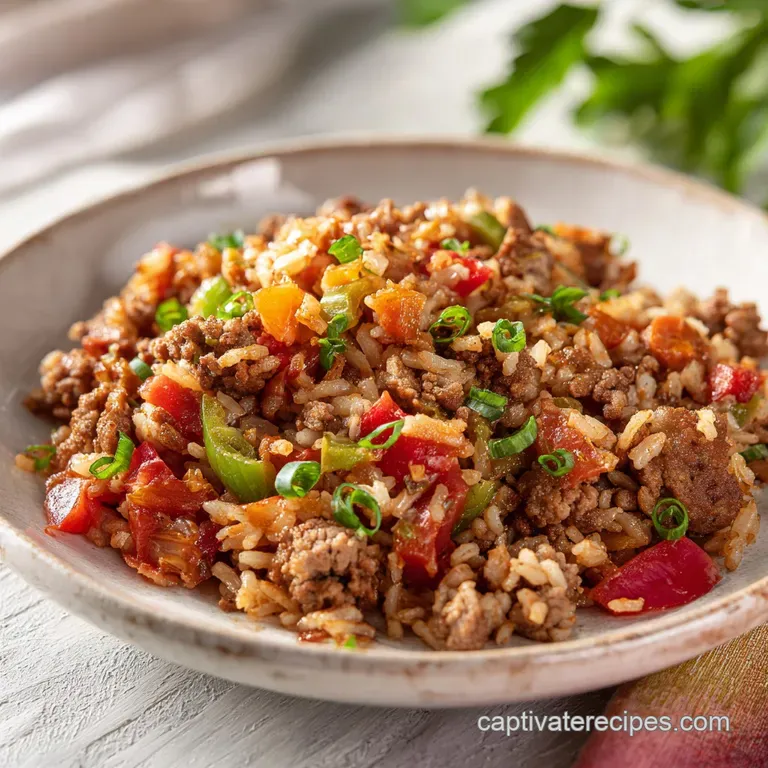
- Time: Active 15 minutes, Passive 35 minutes, Total 50 minutes
- Flavor/Texture Hook: Smoky, savory grains with crispy browned edges
- Perfect for: Weeknight family meals or reliable meal prep
- Mastering This Authentic Dirty Rice Recipe
- Planning Your Easy Southern Feast
- The Science of Separate Grains
- Selecting Your Kitchen Essentials
- Creating the Perfect One Pan Meal
- Avoiding Common Texture Mistakes
- Exploring Simple Flavor Variations
- Storing and Reheating Your Rice
- Selecting the Best Side Dishes
- Recipe FAQs
- 📝 Recipe Card
Mastering This Authentic Dirty Rice Recipe
The second the ground beef and andouille sausage hit that hot Dutch oven, a specific sound fills the kitchen a sharp, rhythmic sizzle that promises something special. It is not just the noise; it is the immediate aroma of rendered fat mingling with wood smoked meat that starts to drift toward the living room.
I remember the first time I actually got this right, watching the bottom of the pan turn a deep, dark mahogany. That "dirty" look we are after does not come from a bottle; it comes from patience and letting those proteins really brown until they are nearly mahogany.
You will find that the secret is all in that dark crust, or fond, that builds up as you cook. For years, I used to be afraid of burning it, but now I know that those little stuck on bits are where the soul of the dish lives.
Once you splash in that beef broth and scrape the bottom with a wooden spoon, you see the liquid transform into a rich, dark elixir that stains every single grain of rice. It is pure kitchen magic.
This version of the classic Southern staple is my reliable go to because it skips the more polarizing organ meats like liver while still capturing that earthy, complex depth. It is hearty enough to be the main event but humble enough to sit alongside fried catfish or roasted chicken.
We are going to walk through how to keep those grains perfectly distinct no mushy rice allowed here and how to balance the "Holy Trinity" of vegetables for a meal that feels like a warm hug from the Gulf Coast.
Planning Your Easy Southern Feast
Timing is everything when you want a reliable result without spending all night over the stove. This dish is built on a logical progression that allows you to prep as you go, though I always recommend having your vegetables diced before the heat starts.
The 15 minutes of prep time is mostly spent on the "Holy Trinity" onion, bell pepper, and celery which provides the aromatic foundation for everything that follows.
When you are looking for a quick and easy dirty rice, the 35 minutes of actual cooking time is divided between active searing and hands off simmering. You will spend the first 15 minutes building flavor at the stove, but once that lid goes on, you have nearly 20 minutes to toss a salad or just take a breath.
It is a one pan method that respects your schedule while delivering a result that tastes like it simmered for hours.
| Method | Total Time | Texture | Best For |
|---|---|---|---|
| Stovetop | 50 minutes | Fluffy, distinct grains | The classic experience |
| Rice Cooker | 45 minutes | Softer, integrated | Set and forget ease |
| Cast Iron | 55 minutes | Extra crispy bottom | Maximize savory crust |
The table above highlights how different methods can shift the final outcome of your homemade southern dirty rice. While the stovetop is the gold standard for controlling the sear, a heavy cast iron skillet can introduce a "socarrat" or crispy bottom layer that adds a delightful crunch to the meal.
The Science of Separate Grains
Understanding how the ingredients interact is what makes this a truly easy dirty rice recipe with ground beef. We aren't just tossing things in a pot; we are managing starch and fat to ensure every bite is velvety but firm.
- Fat Encapsulation: Stirring the dry rice into the rendered fat from the beef and andouille coats each grain. This thin layer of oil acts as a barrier, preventing the grains from clumping together as they release starch during the simmering process.
- Fond Deglazing: The browned bits on the bottom of the pan are concentrated proteins and sugars. Adding the beef broth releases these, allowing the liquid to carry that deep color and savory punch directly into the center of the rice grains.
- Residual Steam: Letting the pot sit off the heat for 5 minutes after cooking allows the moisture to redistribute. This final rest ensures the rice is tender all the way through without needing extra liquid that could make it soggy.
| Ingredient | Science Role | Pro Secret |
|---|---|---|
| Long grain Rice | Structural base | Don't rinse it; the surface starch helps the fat stick for better browning. |
| Andouille Sausage | Fat and smoke | Dice it small to maximize surface area for faster rendering. |
| Beef Broth | Hydration and color | Use low sodium to control the salt levels while the liquid reduces. |
Many people ask about the rice variety, and for this dirty rice recipe with ground beef and sausage, long grain is non negotiable. Short grain rice contains too much amylopectin, which would turn this into a sticky, gummy mess rather than the fluffy mountain of flavor we are aiming for.
Selecting Your Kitchen Essentials
You don't need a professional kitchen to make the best dirty rice recipe, but the right vessel makes a massive difference. I highly recommend using a heavy bottomed Dutch oven or a deep cast iron skillet.
These materials hold heat evenly, which is crucial when you are trying to brown the meat without scorching the spices. A thin pan often has hot spots that will burn your garlic before your onions are even soft.
A sturdy wooden spoon is your best friend for this recipe. You need something with a flat edge to really get in there and scrape that flavorful crust off the bottom of the pan. If you use a flimsy plastic spatula, you'll leave half the flavor behind.
Beyond the pan, a sharp chef's knife will make quick work of the celery and bell peppers, ensuring your "Holy Trinity" is uniform so everything cooks at the same rate.
If you are scaling this up for a crowd, make sure your pot has a tight fitting lid. If the steam escapes, your rice will end up crunchy and undercooked. I’ve seen people use aluminum foil under the lid to create a better seal, which is a great trick if your pot lid is a bit loose.
Creating the Perfect One Pan Meal
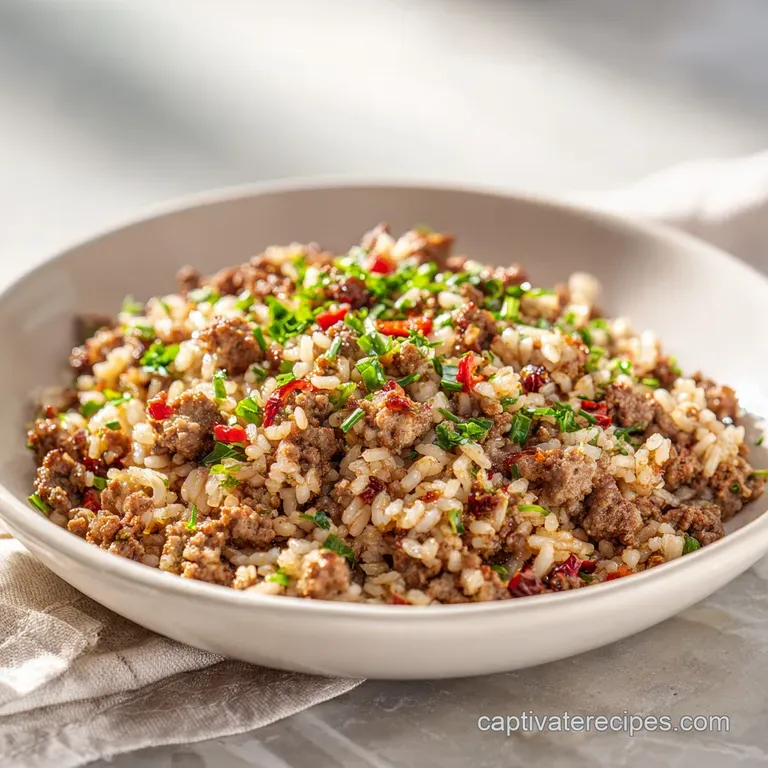
This process is all about the "Cajun bloom" the moment when the heat releases the oils in the spices and the aromatics. Follow these steps for a reliable result every time.
- Sear the proteins. Place a large heavy bottomed skillet over medium high heat. Add the 1/2 lb ground beef and 1/2 lb diced andouille. Note: Keep the heat high enough to hear a constant sizzle; this creates the essential brown crust.
- Brown the meat. Cook until the beef is in tiny crumbles and the bottom of the pan has a dark coating. Cook until deeply browned and fragrant.
- Sweat the trinity. Lower heat to medium and add the diced onion, green pepper, and celery. Note: The moisture from the veggies will start to loosen the browned bits.
- Aromatize the base. Stir in 3 minced garlic cloves and the white parts of the green onions. Sauté for 60 seconds until the garlic smells toasted but isn't brown.
- Toast the rice. Add 1.5 cups dry rice. Stir constantly for 2–3 minutes. Wait until the edges of the rice look translucent.
- Bloom the spices. Stir in the smoked paprika, thyme, oregano, cayenne, and cumin. Let the spices sizzle for 30 seconds to wake up the oils.
- Deglaze the pan. Pour in 3 cups beef broth and 1 tsp Worcestershire sauce. Scrape the bottom of the pan vigorously to release all the flavor.
- Simmer the grains. Bring to a boil, then cover and drop the heat to low. Simmer for 18-20 minutes until the liquid is gone.
- Rest the pot. Remove from heat and keep the lid on for 5 minutes. This step ensures the rice doesn't stick to the bottom.
- Finish and serve. Remove the bay leaf and fluff with a fork. Garnish with green onion tops for a fresh, snappy bite.
Chef's Tip: If you want an even deeper color, let the beef and sausage cook undisturbed for the first 3 minutes. This creates a "sear" rather than just steaming the meat, which is the foundation of a traditional cajun dirty rice.
Avoiding Common Texture Mistakes
Getting the texture right is the biggest hurdle for most home cooks. If your rice is too mushy, it’s usually because the heat was too low or you used too much liquid. If it’s too crunchy, the lid wasn’t tight enough.
It’s a delicate balance, but once you find the rhythm, it's a very reliable meal.
Why Your Rice Is Soggy
This usually happens when the vegetables release too much water or the rice was over stirred during the simmering phase. Once the lid goes on, do not touch it. Every time you lift the lid, you lose the steam pressure needed to cook the grains evenly.
Why Your Flavor Is Dull
If the dish tastes "flat," it likely needs a touch more acid or salt. A tiny splash of Worcestershire sauce or a squeeze of lemon right at the end can brighten the heavy fats from the beef and sausage. If you enjoy rice dishes with a bit of a kick, you might also like these Singapore Noodles which use a similar aromatic base but a different grain texture.
| Problem | Root Cause | Solution |
|---|---|---|
| Crunchy rice | Liquid evaporated too fast | Add 2 tbsp broth, cover tightly, and steam for 5 more mins. |
| Burnt bottom | Heat was too high during simmer | Use a heat diffuser or the lowest possible flame setting. |
| Greasy mouthfeel | Excess fat wasn't absorbed | Ensure the rice is toasted enough to absorb the rendered oils. |
Common Mistakes Checklist
- ✓ Don't rinse the rice; you need that surface starch to help the meat juices cling to the grains.
- ✓ Ensure the "Holy Trinity" is finely diced so it melts into the rice rather than standing out as large chunks.
- ✓ Let the pan get hot before adding the meat; a cold pan leads to gray, boiled looking beef.
- ✓ Resist the urge to peek under the lid; the steam is doing the hard work for you.
- ✓ Use a fork, never a spoon, to fluff the rice to avoid crushing the tender grains.
Exploring Simple Flavor Variations
While this recipe sticks to the classic beef and sausage combo, it is incredibly flexible. You can easily adapt it to what you have in your freezer or pantry. The core technique remains the same, but the flavor profile can shift significantly with just one or two swaps.
When scaling this recipe up for a big Sunday dinner, remember to not double the salt immediately. Spices and salt don't always scale linearly. I usually increase the spices to 1.5x for a double batch and then adjust at the very end.
If you are cutting the recipe in half, use a smaller pot to ensure the liquid level is high enough to cover the rice properly.
| Original Ingredient | Substitute | Why It Works |
|---|---|---|
| Beef Broth | Chicken Broth | Lighter flavor. Note: Result will be less "dark" but still savory. |
| Ground Beef | Ground Turkey | Lower fat content. Note: Add 1 tbsp oil to help toast the rice. |
| Andouille | Kielbasa | Less spice, more garlic notes. Note: Add extra cayenne for heat. |
If you are looking for a totally different profile, you could even try making a version inspired by a pineaple shrimp fried rice by swapping the beef for shrimp and adding a touch of sweetness, though that moves away from the traditional Cajun roots.
Storing and Reheating Your Rice
Dirty rice is one of those rare dishes that actually tastes better the next day. As it sits, the spices continue to penetrate the rice grains, and the flavors mellow into a cohesive, savory bite. It is a meal prep champion.
- Fridge: Store in an airtight container for up to 4 days. The rice will firm up as it chills, which is normal.
- Freezer: This dish freezes beautifully for up to 3 months. Thaw it overnight in the fridge before reheating to maintain the best texture.
- Reheating: To avoid dry rice, add a teaspoon of water or broth before microwaving. Cover it to trap the steam. For the best results, reheat it in a skillet with a tiny bit of butter to bring back that "just cooked" sizzle.
- Zero Waste: If you have the celery leaves from your "Holy Trinity," don't toss them! Chop them up and mix them into the garnish for an extra punch of herbal flavor. Leftover rice can also be stuffed into bell peppers and baked for a completely different meal the next night.
Selecting the Best Side Dishes
Because this dirty rice recipe is so savory and rich, it pairs best with sides that offer a bit of crunch or acidity. A simple vinegar based coleslaw or some quick pickled okra can cut through the fat of the andouille sausage perfectly.
I also love serving this with a big wedge of honey butter cornbread to soak up any remaining juices.
A warm bowl of corn chowder makes a lovely starter for this meal, especially in the cooler months. The sweetness of the corn provides a beautiful contrast to the smoky, spicy notes of the rice. If you want to keep it simple, a plate of steamed green beans with a squeeze of lemon is all you really need to round out the plate.
When serving, I always put the pot right in the middle of the table. There is something so communal and comforting about everyone scooping their own portion of steaming, fragrant rice. Don't forget to put out a bottle of your favorite Louisiana style hot sauce; even though we've added cayenne and cumin, a hit of vinegar heavy heat right at the table is the traditional way to finish the dish. For another comforting option, you could even serve it alongside a simple chicken gravy if you prefer a "wetter" rice style, though the dish is plenty moist on its own.

Recipe FAQs
What are the ingredients for dirty rice?
This dish requires a specific blend of proteins and aromatics. You will need 1/2 lb lean ground beef, 1/2 lb finely diced smoked andouille sausage, a yellow onion, a green bell pepper, two celery stalks, three cloves of garlic, and two green onions.
It also calls for 1.5 cups of long grain white rice, 3 cups of beef broth, Worcestershire sauce, and a spice blend of smoked paprika, thyme, oregano, cayenne, toasted cumin, salt, and black pepper.
Is fried rice good for dialysis patients?
No, this recipe is generally not suitable for a dialysis diet. The ingredients, particularly the beef broth, andouille sausage, and Worcestershire sauce, contain high levels of sodium and phosphorus that are typically restricted for those undergoing dialysis.
How to make rice healthy for diabetics?
Incorporate higher fiber pairings to help manage glycemic impact. While white rice is a refined carbohydrate, serving it alongside a protein rich side like our Black Bean and Quinoa Bake can help slow down the absorption of sugars.
Why is dirty rice called dirty?
It gets its name from the color the rice takes on during the cooking process. When the white rice grains absorb the browned bits (fond) from the beef and sausage, along with the spices and beef broth, they turn a dark, "dirty" color.
Why must I keep the rice un-rinsed before cooking?
Rinsing removes the surface starch necessary for the meat juices to cling to the grains. Keeping the starch intact ensures the rice absorbs the full depth of the meat and spice flavors during the simmering stage.
How to ensure the rice is not mushy?
Avoid peeking under the lid while the rice simmers. The steam is essential for even cooking, and removing the lid disrupts that process, which can lead to uneven texture or mushiness.
Is it true I should stir the rice with a spoon?
No, this is a common misconception. You should always use a fork to fluff the rice once it is finished, as a spoon can easily crush the tender grains and break their structure.
Authentic Southern Dirty Rice
Ingredients:
Instructions:
Nutrition Facts:
| Calories | 345 calories |
|---|---|
| Protein | 17.6 g |
| Fat | 11.2 g |
| Carbs | 42.8 g |
| Fiber | 2.4 g |
| Sugar | 2.8 g |
| Sodium | 785 mg |
