Braised Short Ribs: Tender Beef in Red Wine
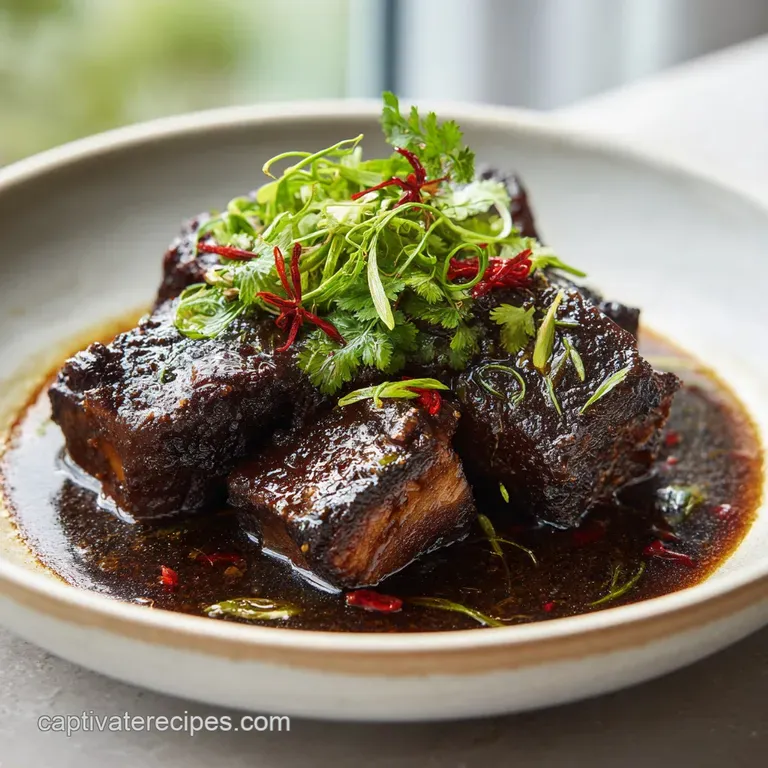
- Time: Active 30 minutes, Passive 210 minutes, Total 240 minutes
- Flavor/Texture Hook: Rich, fall off-the bone beef in a silky red wine reduction
- Perfect for: Stress free Sunday dinners or impressive family gatherings
- Easy Slow Cooked Braised Short Ribs Recipe
- Why This Beef Stays So Tender
- Deep Dive Into Key Components
- The Essential Ingredient List
- Tools for Better Braising
- The Simple Cooking Process
- Avoid These Common Mistakes
- Smart Recipe Scaling Tips
- Debunking Braising Myths
- Dietary Tweaks and Swaps
- Leftovers and Storage Guide
- Side Dish Pairing Ideas
- Critical Sodium Warning 🚨
- Recipe FAQs
- 📝 Recipe Card
Easy Slow Cooked Braised Short Ribs Recipe
The heavy thump of my cast iron Dutch oven hitting the stovetop is usually the first sign that a good Sunday is about to happen. There is something deeply grounding about the sound of 5 lbs of beef hitting hot oil - that immediate, aggressive hiss that tells you the sear is working.
As I stand there, tongs in hand, the kitchen starts to fill with that heavy, primal aroma of browning meat. It's not just a smell; it's a promise that in a few hours, the house will feel warmer and the air will be thick with the scent of red wine and woody herbs.
We have all been there, staring at a pack of short ribs and wondering if they will actually turn out tender or if we'll end up with something resembling a leather shoe. Trust me, I have made the mistake of rushing the process, and it never ends well.
But when you let the oven do the heavy lifting at a steady 325°F, something magical happens. The fat renders, the connective tissue melts into liquid gold, and you’re left with a dish that feels far more expensive than it actually is.
It's the kind of reliable comfort that makes everyone at the table go quiet for a second after the first bite.
This braised short ribs recipe is designed for the home cook who wants that steakhouse quality without the stress. We are going to build flavor slowly, starting with a hard sear and ending with a sauce so velvety it coats the back of your spoon like liquid silk.
We'll talk about why we use a whole bottle of wine and how to ensure your beef never ends up dry. It's a straightforward flow that yields a result so consistent, it’ll become your new favorite way to handle a cold afternoon.
Why This Beef Stays So Tender
Understanding the transformation of the meat helps take the guesswork out of the kitchen. Here is how we get that signature texture:
- Connective Tissue Breakdown: Short ribs are packed with collagen, which is tough when raw but turns into rich gelatin during a long, moist heat cook.
- Low and Slow Equilibrium: Keeping the oven at 325°F ensures the liquid simmers gently rather than boiling, which prevents the muscle fibers from seizing and turning rubbery.
- Acidity and Structure: The tannins and acid in the red wine work to subtly weaken the beef's protein bonds while adding a structural backbone to the sauce.
- Fat Emulsification: As the beef fat renders into the wine and broth, it creates a natural thickness that gives the final sauce its luxurious, velvety mouthfeel.
| Rib Thickness | Internal Temp | Rest Time | Visual Cue |
|---|---|---|---|
| 1.5 inches | 203°F - 205°F | 15 minutes | Bone slides out easily |
| 2 inches | 203°F - 205°F | 20 minutes | Meat shreds with a fork |
| 2.5 inches | 203°F - 205°F | 25 minutes | Surface looks dark and glossy |
Choosing the right cut of meat is just as important as the cook time. I always look for English cut ribs where the meat sits right on top of the bone. This specific structure allows the marrow to leak out slightly during the braise, which adds an incredible depth to our sauce that you just can't get from boneless cuts.
Deep Dive Into Key Components
Every ingredient in this pot has a specific job to do, from providing the structural base to adding that final hit of brightness.
| Ingredient | Science Role | Pro Secret |
|---|---|---|
| Beef Short Ribs | Provides collagen/fat | Always pat dry to ensure a dark crust. |
| Tomato Paste | Concentrates umami flavor | Cook until it turns brick red to remove raw tinny taste. |
| Dry Red Wine | Acidic tenderizer | Use a Cabernet or Merlot for the best body. |
| Beef Bone Broth | Liquid base/body | Bone broth has more natural gelatin than standard stock. |
The Essential Ingredient List
For the best results, stick to these quantities. I’ve found that using high-quality bone broth makes a noticeable difference in the "stick to your ribs" feel of the sauce.
- 5 lbs English cut beef short ribs, bone in: Why this? The bone adds flavor and helps regulate the meat's temperature. (Substitute: Chuck roast cut into large chunks)
- 2 tbsp neutral oil: Why this? Has a high smoke point for a perfect sear. (Substitute: Ghee or beef tallow)
- 1 tbsp Kosher salt: Why this? Coarse grains provide better coverage for large cuts. (Substitute: 2 tsp fine sea salt)
- 1 tsp freshly cracked black pepper: Why this? Fresh pepper has more volatile oils for better aroma. (Substitute: Pre ground pepper)
- 2 medium yellow onions, diced: Why this? Provides the sweetness that balances the wine. (Substitute: White onions or large shallots)
- 3 large carrots, peeled and sliced into 1 inch rounds: Why this? Adds natural sugar and earthy notes. (Substitute: Parsnips for a spicier, peppery bite)
- 2 stalks celery, diced: Why this? Part of the essential mirepoix base. (Substitute: Fennel bulb for a subtle anise flavor)
- 5 cloves garlic, smashed: Why this? Releases mellow flavor without burning too quickly. (Substitute: 1 tsp garlic powder in a pinch)
- 2 tbsp tomato paste: Why this? Thickens the sauce and adds a savory "bass note". (Substitute: Sun dried tomato pesto)
- 750 ml dry red wine: Why this? The primary flavor builder and acid source. (Substitute: 2 cups beef broth plus 2 tbsp balsamic vinegar)
- 2 cups low sodium beef bone broth: Why this? Adds depth without making the dish too salty. (Substitute: Standard beef stock)
- 4 sprigs fresh thyme: Why this? A classic herb that pairs perfectly with beef. (Substitute: 1 tsp dried thyme)
- 2 sprigs fresh rosemary: Why this? Provides a piney, robust aroma. (Substitute: 1/2 tsp dried rosemary)
- 2 dried bay leaves: Why this? Adds a subtle floral background note. (Substitute: 1 fresh bay leaf)
Tools for Better Braising
You don't need a kitchen full of gadgets, but a couple of pieces of equipment are non negotiable for that "actually works" result.
- 6 quart Dutch Oven: A heavy bottomed pot like a Le Creuset or Lodge is vital. It holds heat evenly and has a tight fitting lid that prevents the liquid from evaporating too fast. If you don't have one, a deep stainless steel pot with a very tight foil seal over the top can work.
- Fine Mesh Sieve: This is my secret for that restaurant quality finish. Straining the veggies and herbs out at the end leaves you with a sauce that is pure, silky elegance.
- Tongs: You need a sturdy pair of long handled tongs to flip the ribs during the searing phase. Don't use a fork; you don't want to pierce the meat and let the juices out early.
The Simple Cooking Process
This timeline is designed to keep you organized so you're not scrambling while the oil is shimmering.
1. Prep and Sear
Preheat your oven to 325°F (160°C). Pat the 5 lbs of beef short ribs completely dry with paper towels. Note: Moisture is the enemy of browning; dry meat sears, wet meat steams. Season the ribs aggressively on all sides with 1 tbsp Kosher salt and 1 tsp cracked black pepper.
Heat 2 tbsp neutral oil in your Dutch oven over medium high heat. Sear the ribs in batches until a dark, mahogany crust forms on all flat sides, which takes about 3-4 minutes per side. Remove the ribs and set them on a plate.
2. Sauté the Aromatics
Lower the heat to medium. Add the diced onions, carrots, and celery to the rendered beef fat left in the pot. Cook until the onions are translucent and the vegetables begin to brown around the edges. Stir in 5 cloves of smashed garlic and 2 tbsp tomato paste.
Cook for 2 minutes, stirring constantly until the paste reaches a deep brick red color. This removes the raw taste and deepens the umami.
3. Build the Braise
Pour in the entire 750 ml bottle of red wine. Use a wooden spoon to scrape the bottom of the pot, releasing all those caramelized beef bits (the fond). Note: This is where the flavor lives! Bring the wine to a boil and let it bubble until the liquid is reduced by half.
Return the seared ribs and their juices to the pot. Add 2 cups beef bone broth, 4 sprigs thyme, 2 sprigs rosemary, and 2 bay leaves. The liquid should reach about halfway up the ribs.
4. The Long Sleep
Cover the pot with its lid and slide it into the oven. Braise for 3 to 3.5 hours. You’ll know it’s done when the meat is fork tender and pulls away from the bone with almost no resistance. Carefully lift the ribs out of the pot and set them on a platter.
5. The Final Sauce
Strain the cooking liquid through a fine mesh sieve into a saucepan. Toss the soggy vegetables and herbs. Let the liquid sit for a minute, then skim the excess fat off the top with a spoon. Simmer the sauce over medium heat until it reaches a velvety consistency that coats a spoon.
Pour this liquid gold over your ribs and serve immediately.
Avoid These Common Mistakes
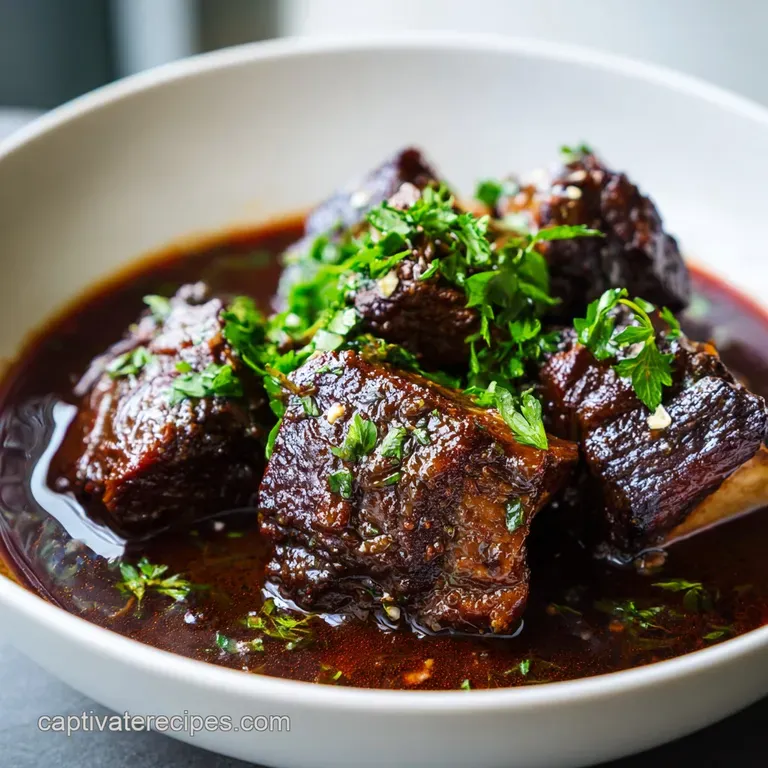
Even with a reliable recipe, things can go sideways if you skip the small details. Here is how to keep your braise on track.
Why Your Meat is Tough
If you pull the ribs out and they still feel "tight" or bouncy, they simply haven't cooked long enough. Connective tissue doesn't care about your timer; it only cares about heat and time.
| Problem | Root Cause | Solution |
|---|---|---|
| Tough meat | Under braised collagen | Return to oven for 30 more minutes. |
| Greasy sauce | Fat not skimmed | Use a fat separator or chill and remove solid fat. |
| Salty sauce | Liquid reduced too far | Whisk in 1/4 cup water or unsalted broth. |
Chef's Tip: If you have the time, make this a day in advance. Once chilled, the fat solidifies into a hard white layer on top that you can just pop off with a spoon. It's the easiest way to get a perfectly clean sauce.
Common Mistakes Checklist
- ✓ Never crowd the pan during the sear; if the ribs touch, they steam instead of browning.
- ✓ Don't skip the tomato paste "fry" step; it needs that direct heat to develop flavor.
- ✓ Ensure the lid is tight; if you see steam escaping constantly, add a layer of foil under the lid.
- ✓ Let the meat rest for at least 15 minutes before serving to keep the juices inside.
- ✓ Always use a dry wine; sweet wines will become cloyingly sugary once reduced by half.
Smart Recipe Scaling Tips
If you’re cooking for a crowd or just for two, you can’t just double or half everything blindly.
Scaling Down (2-3 Servings): Use 2.5 lbs of meat and a smaller 4 quart pot. You can reduce the wine to 1.5 cups, but don't cut the aromatics by more than half. Check the meat at the 2.5 hour mark as smaller volumes sometimes cook a bit faster.
Scaling Up (10 Servings): You will likely need two Dutch ovens or one massive 9-12 quart pot. When doubling, don't double the salt immediately; start with 1.5x and adjust at the end. You'll need to sear in more batches, which takes time, so plan for an extra 30 minutes of active prep. For a large party, this Parmesan crusted chicken is another great high protein option that feeds a crowd easily.
| Method | Time | Texture | Best For |
|---|---|---|---|
| Oven (325°F) | 3.5 hours | Evenly tender, deep crust | Ultimate flavor development |
| Slow Cooker | 8 hours (low) | Very soft, less "seared" flavor | Set it and forget it days |
| Instant Pot | 45-60 mins | Soft, but sauce is thinner | Last minute dinner needs |
Debunking Braising Myths
There are a few kitchen "rules" that people repeat which aren't actually true for this braised short ribs recipe.
Myth: Searing "seals in" the juices. Actually, searing is all about the Maillard reaction creating new flavor compounds on the surface of the meat. It doesn't create a waterproof barrier; the meat will still lose moisture, which is why we cook it in liquid to keep it hydrated.
Myth: You must use expensive wine. The subtle nuances of a $50 bottle will be lost during a 3 hour braise. You want a wine that is "drinkable" but robust. A $10-12 Cabernet or Malbec is perfect. Just avoid "cooking wine" from the grocery store aisle, which is loaded with salt.
Myth: The meat should be fully submerged. If you submerge the ribs entirely, you're essentially boiling them. Having them halfway out of the liquid allows the exposed tops to get a bit of "oven roast" flavor while the bottoms get the tenderizing benefits of the simmer.
Dietary Tweaks and Swaps
This recipe is naturally hearty, but it’s easy to adjust for different needs without losing the soul of the dish.
- Alcohol Free: Replace the wine with an equal amount of beef broth plus 2 tablespoons of balsamic vinegar and 1 teaspoon of Worcestershire sauce for that missing acidity and depth.
- Low Carb/Keto: This dish is already very low carb. To keep it that way, serve it over mashed cauliflower or sautéed spinach instead of potatoes or polenta.
- gluten-free: This recipe is naturally gluten-free as written! Just double check your beef broth and tomato paste labels to ensure no hidden thickeners were added.
Decision Shortcut If you want a thicker sauce, whisk 1 tsp of cornstarch into 1 tbsp of cold water and stir it into the final simmering sauce. If you want a brighter flavor, stir in 1 tbsp of fresh lemon zest and minced parsley (gremolata) right before serving.
If you want smoky notes, add 2 slices of chopped bacon to the pot when you start sautéing your vegetables.
Leftovers and Storage Guide
Short ribs are one of the rare dishes that truly taste better on Tuesday than they did on Sunday.
- In the Fridge
- Store the ribs submerged in their sauce in an airtight container for up to 4 days. The sauce will turn into a thick jelly; this is normal gelatin at work.
- In the Freezer
- These freeze beautifully for up to 3 months. Thaw in the fridge overnight before reheating.
- Reheating
- The best way is low and slow on the stovetop. Put the ribs and sauce in a pan, cover, and heat over medium low until the sauce liquefies and the meat is hot through. Avoid the microwave if possible, as it can make the beef feel "stringy."
Zero Waste Tip: Don't throw away those leftover ribs! Shred the meat and toss it with pasta for a quick creamy beef pasta the next night. You can also use the leftover bones to start a small batch of homemade beef stock for your next soup.
Side Dish Pairing Ideas
Since the ribs are so incredibly rich and savory, you want sides that can either soak up that sauce or cut through the fat.
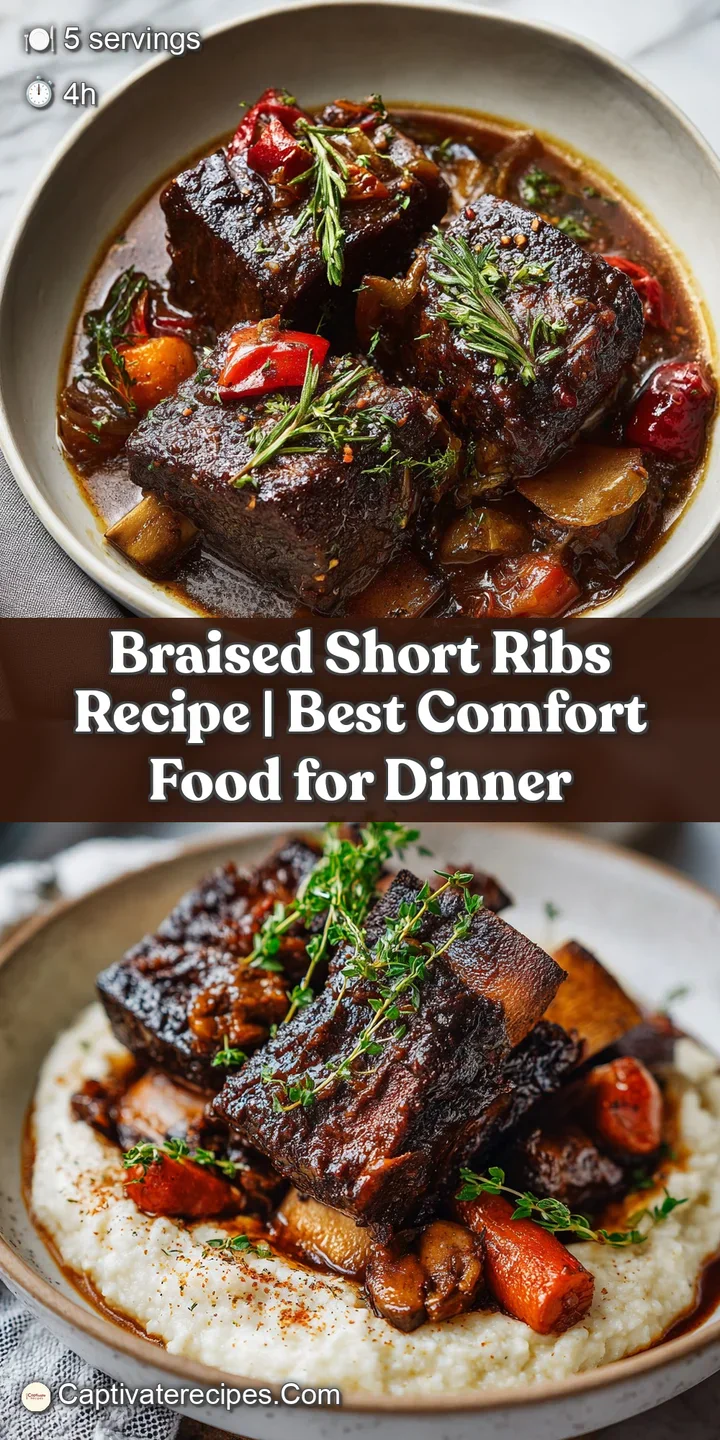
I almost always serve these over a bed of buttery mashed potatoes or creamy polenta. The starch acts like a sponge for that velvety red wine reduction. However, because the dish is so heavy, a bright, acidic side is a total lifesaver. A simple coleslaw recipe or a crisp green salad with a sharp lemon vinaigrette provides the perfect "crunch" to balance the soft, tender beef.
If you’re feeling extra, honey glazed roasted carrots or sautéed green beans with garlic are reliable choices that keep the meal grounded and rustic. No matter what you choose, make sure you have some crusty bread on the table.
You're going to want to swipe up every last drop of that sauce trust me, leaving any behind would be a tragedy.
Critical Sodium Warning 🚨
1420 mg 1420 mg (62% 62%)
The American Heart Association recommends no more than 2,300mg of sodium per day, with an ideal limit of less than 1,500mg for most adults.
Tips to Drastically Reduce Sodium in Your Beef Short Ribs
-
Swap Broth for Low-Sodium-30%
The current recipe uses 2 cups of beef bone broth. Switching to a no-salt added or significantly lower sodium beef bone broth can make a substantial difference.
-
Halve the Kosher Salt-25%
The recipe calls for 1 tbsp of Kosher salt. Reducing this to 1/2 tbsp will significantly lower the sodium content without completely sacrificing flavor.
-
Boost Flavor with Aromatics
Amplify the natural flavors of the dish by generously using fresh herbs like thyme and rosemary, along with garlic and the vegetables. Don't be afraid to increase the quantity of these ingredients to build depth.
-
Incorporate Black Pepper-5%
The recipe includes 1 tsp of freshly cracked black pepper. Consider increasing this slightly or adding a pinch of cayenne pepper for a subtle kick that distracts from the salt.
Recipe FAQs
What is the best method for braising short ribs?
Use a Dutch oven at 325°F. This method relies on long, slow heat to break down connective tissue, resulting in fork tender meat that pulls away from the bone after 3 to 3.5 hours.
What is the best technique for cooking short ribs?
Sear the meat deeply before braising. Developing a dark, mahogany crust on the beef provides the essential base flavor for your sauce; if you enjoyed building this depth of flavor, see how we use a similar searing technique in other savory preparations.
What's the best liquid for braising ribs?
A combination of red wine and beef bone broth is ideal. The red wine provides acidity to cut through the richness, while the beef bone broth adds the necessary body and depth to the braising liquid.
Should you flour short ribs before braising?
No, avoid flouring the ribs. Dredging can cause the flour to burn during the high heat searing process, which ruins the flavor of the sauce; focus instead on achieving a proper sear on the meat itself.
How to ensure the sauce is velvety and thick?
Strain the cooking liquid and simmer it alone after removing the ribs. Skim the excess fat from the surface and continue simmering until the sauce reaches a consistency that coats the back of a spoon.
How to tell when the ribs are finished cooking?
Test the texture with a fork. The meat is officially done when it is fork tender and beginning to pull away from the bone after the 3 to 3.5-hour mark.
Is it true I can cook short ribs entirely on the stovetop?
No, this is a common misconception. While you can braise on the stovetop, an oven provides a more consistent, ambient heat that surrounds the entire pot, ensuring the meat cooks evenly without scorching the bottom.
Braised Short Ribs Recipe
Ingredients:
Instructions:
Nutrition Facts:
| Calories | 842 kcal |
|---|---|
| Protein | 52 g |
| Fat | 56 g |
| Carbs | 14 g |
| Fiber | 2 g |
| Sugar | 6 g |
| Sodium | 1420 mg |
