Classic Pomodoro Sauce in 20 Minutes
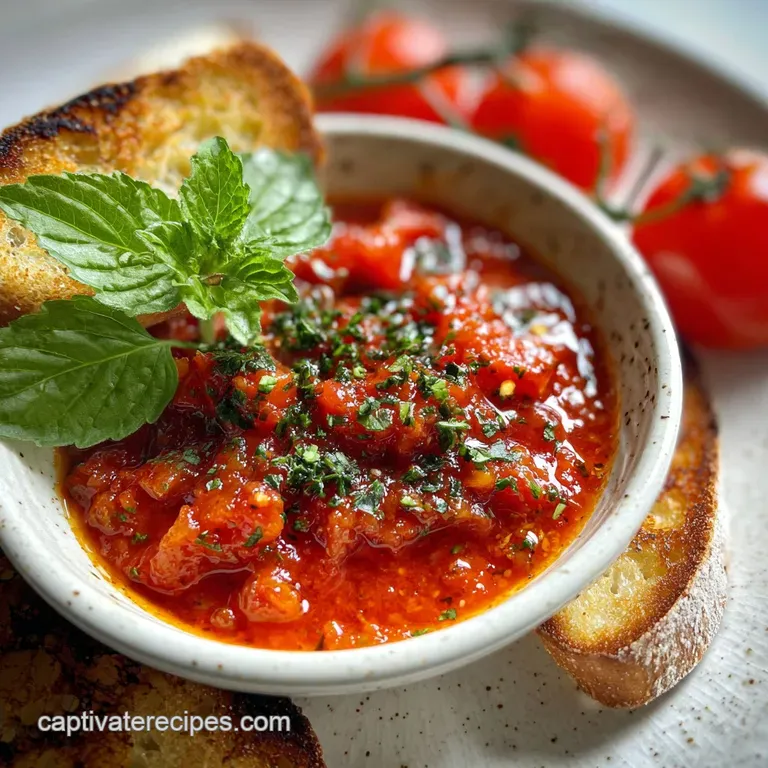
- Time: Active 5 minutes, Passive 15 minutes, Total 20 minutes
- Flavor/Texture Hook: Bright, silky, and naturally sweet
- Perfect for: High speed weeknight dinners or lazy Sunday lunches
- The Only Reliable Pomodoro Sauce Recipe
- Why This Simple Sauce Works
- Analyzing Every Single Ingredient
- Necessary Kitchen Tools for Success
- Components and Smart Substitutions
- Step by Step Cooking Guide
- Common Fixes and Mistakes
- Creative Ways to Mix It
- How to Store and Save
- Perfect Meals to Pair With
- Debunking Kitchen Myths
- Pomodoro Sauce FAQs
- 📝 Recipe Card
The Only Reliable Pomodoro Sauce Recipe
You know that specific sound when a wooden spoon hits the bottom of a heavy pan, and the oil starts to hiss around sliced garlic? It’s the best part of my day. I remember the first time I actually got this right.
I was starving after a long shift, staring at a can of tomatoes and feeling like a jar of pre made stuff was my only hope. But I tried this 15 minute method instead, and when that first leaf of basil hit the heat, the whole kitchen smelled like a sun drenched patio in Naples. It was a total "lightbulb" moment for me.
Making a proper Pomodoro Sauce doesn't require a grandmother from Sicily or six hours of your life. It's all about how you treat the fat and the acid. I used to think more time meant more flavor, but I was wrong. Long simmering actually dulls the bright, fruity notes of the tomato.
This version is punchy, fresh, and clings to pasta like a dream. If you've ever ended up with a watery puddle at the bottom of your bowl, stick with me we're going to fix that forever.
Why This Simple Sauce Works
- Lycopene Solubility: The healthy compounds in tomatoes bond with the 3 tbsp extra virgin olive oil, carrying flavor molecules directly to your taste buds.
- Cold Start Infusion: Starting the 4 cloves garlic in room temperature oil allows the flavor to seep out slowly before the garlic can brown or turn bitter.
- Pectin Activation: High heat for a short duration releases natural pectins from the tomato cell walls, creating a thick, jammy consistency quickly.
- Starch Bonding: Adding 0.5 cup reserved pasta water creates a bridge between the fat in the oil and the water in the tomatoes, resulting in a silky emulsion.
| Method Type | Cooking Time | Resulting Texture | Best For |
|---|---|---|---|
| This Quick Method | 15 minutes | Bright, chunky, velvety | Fresh pasta, weeknight meals |
| Traditional Slow Cook | 3 hours | Deep, jammy, dark | Heavy meats, lasagna layers |
| Raw/No Cook | 0 minutes | Watery, very acidic | Bruschetta or cold salads |
The difference between a "fast" sauce and a "thin" sauce is the heat. By keeping the flame medium high, we drive off the excess water in the 28 oz canned San Marzano tomatoes while the sugars concentrate. This creates a savory base that feels heavy on the tongue despite the short cook time.
Analyzing Every Single Ingredient
| Ingredient | Science Role | Pro Secret |
|---|---|---|
| San Marzano Tomatoes | High pectin/low seed count | Hand crush them for better texture variety |
| Extra Virgin Olive Oil | Flavor carrier and emulsifier | Use your best "finishing" oil here |
| Finely Grated Carrot | Natural pH balancer | Grate it so small it "disappears" into the fat |
| Reserved Pasta Water | Emulsification agent | Always pull this just before draining pasta |
I've found that the 2 tbsp finely grated carrot is the secret to a reliable sauce every single time. It acts as a natural sweetener that cuts through the metallic tang sometimes found in canned goods. You won't taste "carrot" you'll just taste a more rounded, expensive feeling tomato.
Necessary Kitchen Tools for Success
You don't need anything fancy, but a wide skillet is better than a deep pot. The extra surface area allows moisture to evaporate faster, which is how we get that 15 minute finish. A standard 12 inch stainless steel or cast iron pan works perfectly.
You'll also want a sturdy whisk or a potato masher if you prefer a smoother finish, though I usually just use a wooden spoon to break things up as they sizzle.
For the tomatoes, try to find a brand like Cento or Mutti. Quality varies wildly with canned tomatoes, and since they are the star of the show, it's worth the extra dollar. If you happen to be making this alongside a protein heavy dish, this sauce is a fantastic companion to a Chicken Saganaki Recipe which uses similar Mediterranean flavor profiles to create a cohesive meal.
Components and Smart Substitutions
- 28 oz canned San Marzano tomatoes: These are the gold standard. Why this? They have fewer seeds and a thicker, meatier flesh than standard plum tomatoes.
- Substitute: 2 lbs of very ripe Roma tomatoes (blanched and peeled).
- 3 tbsp extra virgin olive oil: This provides the "mouthfeel." Why this? It emulsifies with the tomato juices to create a thick coating.
- Substitute: Avocado oil (adds less flavor, but works for high heat).
- 4 cloves garlic: Smashed to release oils. Why this? Smashing keeps the garlic from burning while providing a mellow, sweet aroma.
- Substitute: 1 tsp garlic powder (stir in at the end to avoid bitterness).
- 2 tbsp finely grated carrot: Our "secret" sugar source. Why this? It balances acidity without the grainy texture of white sugar.
- Substitute: 0.5 tsp white sugar or a splash of balsamic vinegar.
- 1 sprig fresh basil: The classic aromatic finish. Why this? Adding it at the end preserves the volatile oils that provide that "Italian" smell.
- Substitute: 1 tsp dried oregano (add this at the start of cooking).
- 0.5 tsp crushed red pepper flakes: For a tiny hint of warmth. Why this? Heat opens up the palate to taste the more subtle tomato notes.
- Substitute: 0.25 tsp black pepper or a pinch of cayenne.
step-by-step Cooking Guide
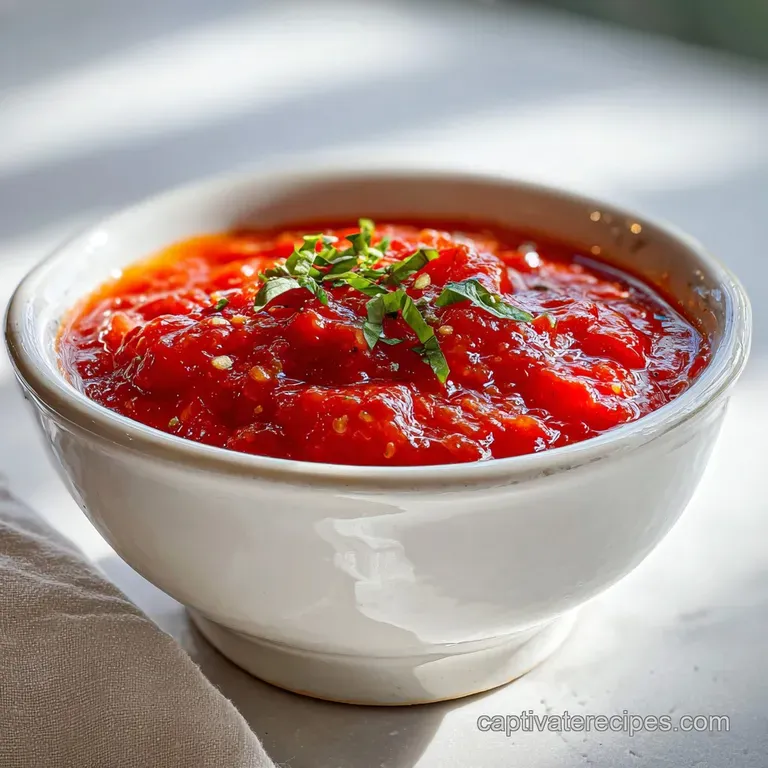
- Prep the tomatoes. Pour the 28 oz canned San Marzano tomatoes into a bowl and crush them by hand or with a fork. Note: Hand crushing leaves rustic chunks that hold onto the pasta better.
- Infuse the oil. Place 3 tbsp extra virgin olive oil and 4 cloves garlic (smashed) into a cold skillet.
- Apply gentle heat. Turn the burner to medium and cook 3 minutes until the garlic is fragrant and bubbling gently.
- Add the aromatics. Stir in 2 tbsp finely grated carrot and 0.5 tsp crushed red pepper flakes. Note: The carrot will soak up the oil and begin to soften almost immediately.
- Pour in tomatoes. Carefully add the crushed tomatoes and 0.5 tsp sea salt. Watch for the initial steam release as the cold tomatoes hit the hot oil.
- Increase the flame. Bring the mixture to a vigorous simmer over medium high heat.
- Reduce and concentrate. Cook for 10-12 minutes, stirring occasionally, until the sauce thickens and the oil starts to separate at the edges.
- Emulsify the sauce. Pour in 0.5 cup reserved pasta water. Whisk vigorously for 1 minute until the sauce looks glossy and unified.
- Finish with basil. Tear 1 sprig fresh basil into pieces and stir it in.
- Taste and adjust. Remove the garlic cloves if you prefer, then serve immediately over your favorite pasta.
Common Fixes and Mistakes
Removing the Tinny Taste
If your sauce tastes like the can it came in, it’s usually because the acidity is too high or the tomatoes haven't cooked at a high enough temperature to mellow. This often happens if you try to simmer it too slowly.
The over high heat method in this recipe usually solves this, but if it lingers, that's where the carrot comes into play.
Fixing a Watery Sauce
A watery sauce usually means the emulsion hasn't formed or the tomatoes didn't reduce enough. If you see a clear liquid separating from the red pulp on your plate, you need more starch or more heat. Make sure you don't skip the pasta water step it's the "glue" that holds everything together.
| Problem | Root Cause | Solution |
|---|---|---|
| Bitter Aftertaste | Burnt garlic | Start garlic in cold oil and remove if it turns dark brown |
| Sharp Acidity | Under ripe tomatoes | Add an extra tablespoon of grated carrot or a pinch of baking soda |
| Thin/Runny | Lack of reduction | Simmer on high for 3 more minutes without a lid |
Common Mistakes Checklist
- ✓ Never drain your pasta entirely; always save that liquid gold starch water.
- ✓ Avoid using "pre minced" garlic from a jar; it has a sour preservative taste.
- ✓ Don't use a lid; we want the steam to escape so the sauce thickens.
- ✓ Check your salt levels at the very end, as the sauce concentrates as it cooks.
- ✓ If using fresh basil, never chop it with a knife; tearing it prevents bruising and keep the flavor in the leaf.
Creative Ways to Mix It
If you want to turn this into a full meal, it's incredibly versatile. You can toss in some seared pancetta at the start for a smoky depth, or stir in a splash of heavy cream at the very end for a "Rosa" style sauce.
I also love dropping in a few handfuls of baby spinach during the last minute of cooking; it wilts perfectly and adds a nice nutritional boost without changing the flavor profile much.
For a surf and turf feel, this sauce is the perfect base for seafood. I often serve it alongside my Garlic Paprika Shrimp recipe for a quick dinner that looks like it took hours. The paprika in the shrimp plays beautifully with the natural sweetness of the San Marzanos. If you're going meatless, try poaching a few eggs directly in the sauce for a quick "Eggs in Purgatory" brunch.
How to Store and Save
Storage: This sauce keeps beautifully in the fridge for up to 5 days. In fact, the flavors often settle and improve by day two. Just make sure it's in an airtight glass container to prevent it from picking up other fridge smells.
Freezing: This is a meal prep hero. You can freeze it for up to 6 months. I like to freeze it in silicone muffin liners or ice cube trays first, then pop the frozen "pucks" into a freezer bag. This way, I can grab just enough for a single serving of pasta whenever I'm in a rush.
Zero Waste Tip: Don't throw away the basil stems! While we use the leaves for finishing, the stems hold a ton of flavor. You can toss the whole stems into the sauce while it simmers and pull them out at the end, just like the garlic cloves.
Also, if you have a Parmesan rind in the fridge, toss that in too it adds a savory "umami" punch that is out of this world.
Perfect Meals to Pair With
This sauce is the ultimate "black dress" of the kitchen it goes with everything. For a classic feel, serve it over spaghetti or rigatoni with a massive pile of freshly grated Pecorino Romano. If you want something lighter, it’s incredible over zoodles or roasted spaghetti squash.
The acidity of the tomatoes cuts through the richness of fried foods perfectly, making it the ideal dipping sauce for mozzarella sticks or crispy calamari.
Chef's Note: If you're serving this with bread, try rubbing a raw garlic clove over a piece of toasted sourdough before dipping it into the sauce. It mimics the flavors in the pan and creates a "shatter" of flavor that really rounds out the meal.
If you are looking for a side that isn't pasta, try roasting some broccoli or cauliflower with a little lemon zest. The brightness of the citrus complements the Pomodoro Sauce without competing for attention.
Honestly, I’ve even been known to use the leftovers as a base for a quick English muffin pizza for the kids it beats the bottled pizza sauce every single time.
Debunking Kitchen Myths
A lot of people think you need to add a ton of sugar to tomato sauce to make it "authentic." That's actually a myth used to cover up low quality, acidic tomatoes. If you use San Marzanos and a little bit of carrot, the natural sugars provide all the balance you need.
Another big one is that you have to peel every tomato if using fresh. While skins can be a bit tough, if you're using a high powered blender or just like a rustic sauce, the skins contain a lot of the nutrients and pectin.
For this quick 15 minute version, stick to the canned stuff it’s actually more consistent than fresh tomatoes most of the year!
Pomodoro Sauce FAQs
What is pomodoro sauce made of?
Tomatoes, olive oil, garlic, and basil. A true Pomodoro relies on high-quality crushed San Marzano tomatoes, extra virgin olive oil for richness, fresh garlic for infusion, and finished simply with fresh basil leaves.
What's the difference between pomodoro and marinara sauce?
Pomodoro is faster and brighter; marinara is richer. Pomodoro is cooked very briefly (under 30 minutes) to retain the tomato's fresh, fruity acidity, whereas marinara is often simmered longer and usually includes herbs like oregano or onion.
Does pomodoro taste like marinara?
No, the flavor profiles are distinct due to cooking time. Pomodoro tastes intensely of fresh tomato and olive oil, while marinara has a deeper, more developed, and often earthier flavor from extended cooking.
How to make the perfect pasta pomodoro?
Start the garlic in cold oil over medium heat. Gently infuse the oil for three minutes until fragrant, then add the crushed tomatoes and simmer vigorously for only 10 12 minutes before finishing with reserved starchy pasta water to emulsify the sauce.
Should I use canned or fresh tomatoes for this quick sauce?
Canned San Marzano tomatoes are superior for quick sauces. Their naturally lower water content and high pectin levels provide a better texture instantly; fresh tomatoes often require peeling and yield a runnier sauce unless cooked for hours.
What secret ingredient prevents the sauce from tasting tinny?
Finely grated carrot is the secret ingredient. It acts as a natural pH balancer, cutting through any metallic tang that sometimes appears in canned tomatoes, resulting in a smoother, rounder finish, similar to the balance achieved in our Baked Lemon Pepper recipe.
How do I ensure the sauce clings to the pasta instead of pooling?
Use starchy pasta water to create an emulsion. Reserve about half a cup of the boiling pasta water and whisk it into the finished sauce vigorously just before serving; this starch bridges the oil and tomato liquid, making the sauce glossy and adherent.
Classic Pomodoro Sauce Recipe
Ingredients:
Instructions:
Nutrition Facts:
| Calories | 141 kcal |
|---|---|
| Protein | 2.1 g |
| Fat | 11.2 g |
| Carbs | 10.8 g |
| Fiber | 2.4 g |
| Sugar | 6.2 g |
| Sodium | 638 mg |
