Steak Kabobs: Charred and Tender
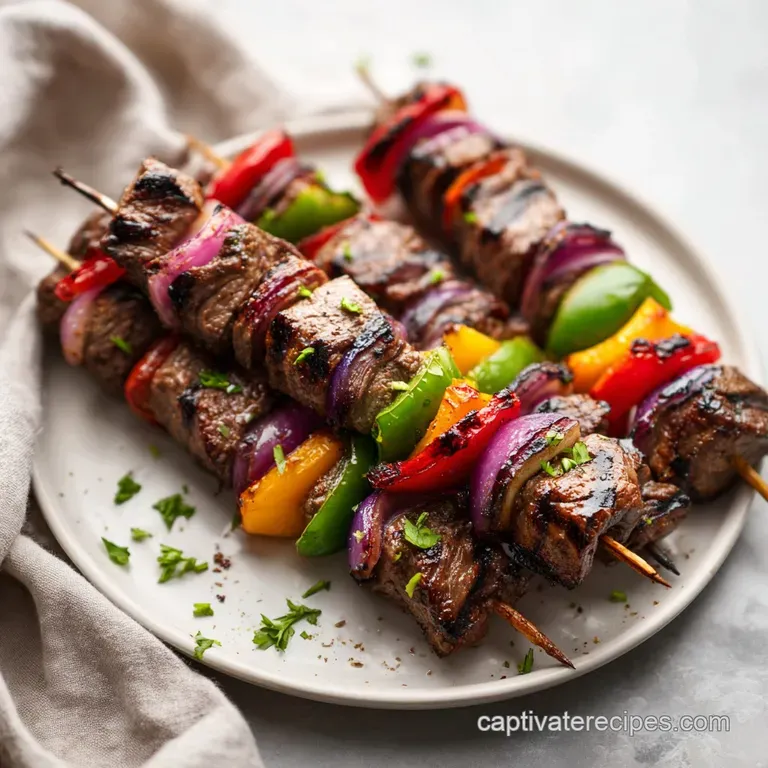
- Time: Active 20 minutes, Passive 30 minutes, Total 50 minutes
- Flavor/Texture Hook: Charred, smoky exterior with a buttery, tender center
- Perfect for: Backyard summer gatherings or easy weeknight meal prep
- Grill the Best Ever Steak Kabobs
- Specs for Your Skewers
- The Elements of Flavor
- Tools for Grilling Success
- The Step by Step Guide
- Fixing Common Grilling Mishaps
- Customizing Your Flavor Profile
- Scaling for a Crowd
- Myth: Searing Seals in Juices
- Keeping Your Leftovers Fresh
- Sides for a Full Meal
- Very High in Sodium
- Recipe FAQs
- 📝 Recipe Card
Grill the Best Ever Steak Kabobs
There is a very specific sound that defines my childhood summers: the sharp hiss of cold meat hitting a scorching hot grill grate. It was usually followed by my dad frantically waving a spatula to clear the smoke, but the smell that intoxicating mix of charred soy sauce, garlic, and dripping beef fat is what stayed with me.
I spent years making every mistake in the book, from cutting the veggies too small (they turned to mush) to using the wrong cut of beef that ended up tasting like a leather boot.
After a particularly disastrous cookout where I served raw onions and burnt beef on the same stick, I finally sat down to figure out the logic of the skewer. I realized that the secret isn't just in the marinade, though that helps.
It's about how you assemble the pieces to ensure everything finishes at the exact same moment. These Steak Kabobs are the result of those experiments, featuring a marinade that actually penetrates the meat and a layout that keeps your onions crunchy while the beef stays pink and juicy.
Specs for Your Skewers
Getting the timing right is the hardest part of any grilled meal. When you have different textures on one stick, you're fighting the clock. Most people just throw it all together and hope for the best, but we're going for something better. We want a sear that creates a dark crust while leaving the center velvety.
The Science of the Sear: High heat triggers the Maillard reaction, turning proteins into complex flavor compounds. The balsamic vinegar in this marinade provides extra sugars that caramelize rapidly, creating that dark, savory bark we crave.
| Thickness | Internal Temp | Rest Time | Visual Cue |
|---|---|---|---|
| 4 cm cubes | 54°C (Medium Rare) | 5 minutes | Slight resistance when pressed |
| 4 cm cubes | 60°C (Medium) | 5 minutes | Firm with clear juices |
| 4 cm cubes | 71°C (Well) | 2 minutes | Very firm and dark throughout |
Choosing the right cut of meat is half the battle won. I usually reach for sirloin tip because it's affordable and takes on flavor like a sponge, but if you're feeling flush, a New York Strip is the gold standard for tenderness.
Avoid stew meat at all costs; it's designed for long, slow braises and will be incredibly tough if you try to quick grill it on a stick.
The Elements of Flavor
Each component here serves a purpose beyond just looking pretty on the plate. We're balancing salt, acid, and fat to ensure the beef doesn't just taste like "grilled meat," but like something deeply seasoned.
| Ingredient | Science Role | Pro Secret |
|---|---|---|
| Balsamic Vinegar | Acid Catalyst | Breaks down tough connective tissue while adding natural sugars for charring. |
| Dijon Mustard | Emulsifier | Binds the oil and vinegar together so the marinade clings to the meat instead of dripping off. |
| Worcestershire | Umami Bomb | Provides fermented depth that mimics the flavor of dry aged beef. |
For the Steak and Veggies
- 680g Sirloin tip or New York Strip: Cut into 4 cm cubes. Why this? These cuts stay tender during over high heat cooking.
- 2 large Bell peppers: Red and green, cut into 4 cm squares. Why this? They provide a sweet, crunchy contrast to the savory beef.
- 1 large Red onion: Cut into 4 cm wedges. Why this? Red onions have a higher sugar content than white onions, so they caramelize better.
- 225g Cremini mushrooms: Stems removed. Why this? They act like little sponges for the beef drippings.
For the Best Steak Kabob Marinade
- 120ml Extra virgin olive oil: The fat carries the flavor of the herbs into the meat.
- 80ml Low sodium soy sauce: Adds salt and a deep savory base.
- 60ml Balsamic vinegar: The primary tenderizer in this recipe.
- 60ml Worcestershire sauce: Essential for that "steakhouse" aroma.
- 3 cloves Garlic, minced: Use fresh garlic for the best bite.
- 1 tbsp Dijon mustard: Helps the marinade coat every surface.
- 1 tsp freshly cracked black pepper: Provides a subtle, lingering heat.
- 1/2 tsp Dried oregano: Adds an earthy, herbaceous note.
Tools for Grilling Success
You don't need a professional kitchen, but a few specific items make this much easier. If you're using wooden skewers, don't just dip them in water for a second. They need a deep soak at least 30 minutes or they will shatter and burn the moment they hit the grates.
I personally prefer flat metal skewers because they prevent the meat from spinning around when you try to flip them.
A sturdy pair of long handled tongs is non negotiable. You want to be able to move the skewers without getting a facial from the grill's heat. Also, keep a small basting brush handy.
Applying a final layer of the (boiled or reserved) marinade in the last minute of cooking creates a glossy finish that looks professional.
The step-by-step Guide
The key to success is the timeline. Don't rush the marinating process, as it's doing all the heavy lifting for the texture. If you're using a charcoal grill, start your chimney about 20 minutes before you plan to cook so the coals have time to ash over.
1. The Marination Phase
Whisk the olive oil, soy sauce, balsamic vinegar, Worcestershire, garlic, mustard, pepper, and oregano in a large bowl. Reserve about 60ml of this liquid for later basting. Place the steak cubes in a gallon sized bag, pour in the remaining marinade, and squeeze out the air.
Let it sit in the fridge for at least 30 minutes, but 2 hours is the sweet spot.
2. The Strategic Assembly
Thread the ingredients onto your skewers, alternating between meat and vegetables. Leave a tiny bit of space between each item. If you pack them too tightly, the heat can't circulate, and you'll end up with steamed meat instead of a charred crust.
I usually go onion, pepper, steak, mushroom, then repeat.
3. The over High heat Sear
Preheat your grill to medium high heat (about 200°C). Clean the grates thoroughly with a wire brush and lightly oil them. Place the skewers on the grill. You should hear a loud, immediate hiss. Close the lid and let them sear for 3 to 4 minutes without moving them.
This patience allows the meat to release naturally from the grate once the crust has formed.
4. The Finishing Glaze
Flip the skewers and cook for another 3 to 5 minutes. During the last 60 seconds of cooking, brush the reserved marinade over the meat and vegetables. This creates a sticky, savory glaze.
Use a meat thermometer to check the beef; remove them when they hit 54°C for a medium rare finish.
5. The Vital Rest
Move the kabobs to a clean platter and tent them loosely with foil. Let them rest for 5 minutes. This allows the muscle fibers to relax and reabsorb the juices. If you cut into them immediately, all that flavor will just run out onto the plate, leaving you with dry meat.
| Element | Fresh Method | Shortcut Method | Result Difference |
|---|---|---|---|
| Marinade | Homemade whisked | Bottled Italian dressing | Bottled is saltier and lacks the depth of soy/Worcestershire. |
| Veggies | Hand cut wedges | Pre cut supermarket tub | Pre cut often dries out and lacks uniform thickness. |
| Garlic | Freshly minced | Jarred garlic paste | Fresh provides a sharper, more aromatic punch. |
Fixing Common Grilling Mishaps
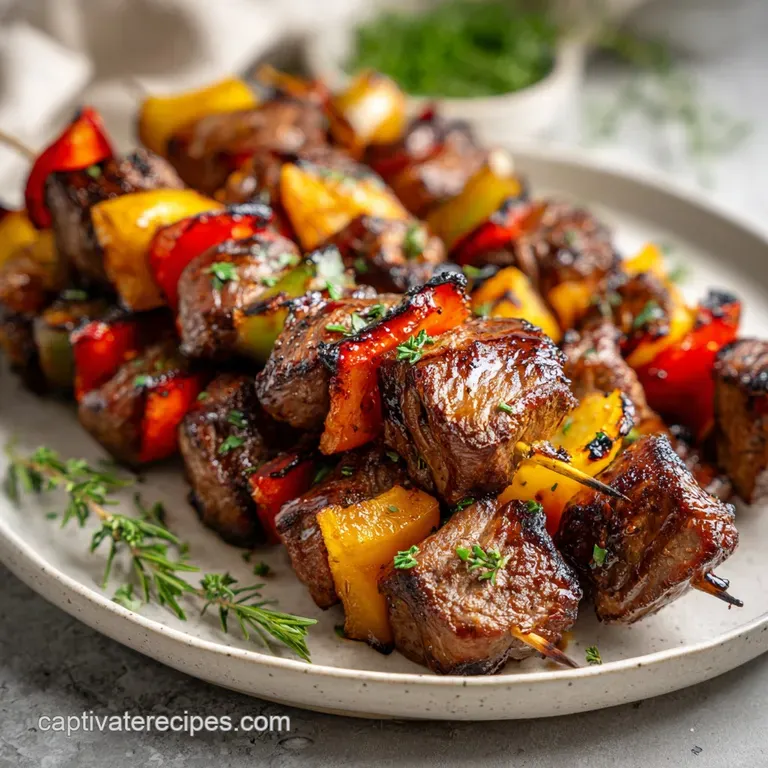
We've all been there the veggies are burnt to a crisp while the steak is still blue in the middle. Most issues with Steak Kabobs come down to heat management or cutting technique.
If you find your vegetables are falling off the skewers, it's likely because they were cut too thin or the skewer itself is too round, allowing the produce to spin.
Meat is Tough and Chewy
This usually happens if you've used a lean, tough cut like round steak or if you skipped the marinating time. The vinegar in the marinade isn't just for flavor; it's chemically altering the protein. If you're in a rush, use a meat tenderizer tool (the one with the little needles) to help the marinade penetrate faster.
Vegetables are Falling Off
If your peppers and onions are sliding around, try using "double skewers." Use two skewers side-by-side for each kabob. This creates a wider platform that grips the vegetables and prevents them from rotating when you flip the meat.
| Problem | Root Cause | Solution |
|---|---|---|
| Meat is gray, not brown | Low heat or crowded skewers | Increase grill temp and leave 1cm space between ingredients. |
| Onions are raw/crunchy | Wedges cut too thick | Slice onions into 4 cm wedges but separate the layers slightly. |
| Skewers catching fire | Wood not soaked enough | Soak wooden skewers for 30-60 mins or switch to stainless steel. |
Common Mistakes Checklist:
- ✓ Pat the meat dry with paper towels before marinating if it looks watery.
- ✓ Don't marinate for more than 24 hours, or the acid will turn the meat mushy.
- ✓ Ensure the grill is fully preheated before the first skewer touches the grate.
- ✓ Never use the marinade the raw meat was sitting in to baste the finished dish unless you boil it first.
- ✓ Use a thermometer rather than "guessing" doneness by color.
Customizing Your Flavor Profile
Once you have the base technique down, you can swap things out based on what's in your pantry. If you're looking for something lighter, this technique works beautifully with the same veggies used in my Butter Lettuce Salad recipe served on the side.
Teriyaki Steak Kabobs
Swap the balsamic vinegar for rice vinegar and add 2 tablespoons of brown sugar and 1 teaspoon of grated ginger to the marinade. Replace the cremini mushrooms with fresh pineapple chunks.
The bromelain in the pineapple is an incredibly powerful tenderizer, so don't marinate the meat with the fruit for more than an hour or it will break down too much.
The Mediterranean Shift
If you want something bright and herb forward, swap the soy sauce for extra lemon juice and more olive oil. Use plenty of dried oregano, a pinch of cinnamon, and swap the bell peppers for zucchini rounds. This version is fantastic when served with a side of pita and a dollop of tzatziki.
Low Carb / Keto Swap
To keep this keto friendly, ensure you're using a sugar-free Worcestershire sauce or replace it with extra soy sauce and a drop of liquid smoke. The vegetables in this recipe are already relatively low in carbs, but you can swap the onions for extra mushrooms if you're being very strict with your macros.
Scaling for a Crowd
If you're hosting a large party, don't try to cook 20 skewers at once on a small grill. The temperature will drop too much, and you'll lose that beautiful sear.
- Scaling UP (2x-4x): When doubling the recipe, you don't need to double the salt or spices exactly. Increase the salt and spices to 1.5x the original amount, then taste the marinade. Work in batches on the grill, keeping the finished kabobs warm in a low oven (90°C).
- Scaling DOWN (1/2): If you're only making two skewers, you can easily do this in a cast iron grill pan on the stove. Reduce the cooking time by about 20% as the contact heat from the pan is more intense than the ambient heat of a grill.
If you are feeding a big group, these kabobs are a great companion to a Philly Cheesesteak Casserole recipe if you want to offer different beef options that people can grab easily.
Myth: Searing Seals in Juices
You've probably heard that searing meat "locks in" the moisture. It's actually a total myth. Searing is entirely about flavor and texture through the Maillard reaction. In fact, a seared piece of meat usually loses slightly more moisture than one cooked at a lower temperature.
The reason we do it is for the incredible crust and the contrast it provides to the tender interior.
Another common misconception is that you should always salt the meat right before it hits the grill. While that works for thick steaks, with kabobs, you want the salt in the marinade. It helps the meat retain moisture by denaturing the proteins so they can hold onto water more effectively during the cooking process.
Keeping Your Leftovers Fresh
Storing kabobs is easy, but reheating them without turning the steak into rubber takes a little finesse. I usually take the meat and veggies off the sticks before putting them in the fridge to save space.
- Fridge Storage: Keep the cooked meat and veggies in an airtight container for up to 4 days. They actually make a great cold topping for a salad the next day.
- Freezer Storage: You can freeze the marinated, raw meat for up to 3 months. Don't freeze the vegetables, though; they will turn to mush when they thaw. Freeze the meat cubes in the marinade, then just add fresh veggies when you're ready to grill.
- Zero Waste Tip: If you have leftover marinade that hasn't touched raw meat, use it to sauté some kale or swiss chard. If it has touched raw meat, you must bring it to a rolling boil for at least 3 minutes before using it as a sauce or glaze.
Sides for a Full Meal
While these kabobs are a meal on their own, a few sides can turn them into a feast. If you want to keep the "bowl" theme going, these skewers are perfect when stripped and served over a base similar to my Greek Chicken Gyro Bowls recipe. The charred veggies pair perfectly with a cool yogurt sauce.
If you want a crunchier texture, try these tips: Leave the skins on the mushrooms to help them hold their shape. Char the peppers until the edges are black; it brings out their natural sweetness. Add a piece of thick cut bacon between the steak and the onion for extra fat.
For a quick weeknight dinner, serve these over a bed of fluffy jasmine rice or with some simple grilled corn on the cob. The beauty of the kabob is its versatility it’s sophisticated enough for a dinner party but simple enough for a Tuesday night when you just want to get outside and enjoy the weather.
Just remember to let that meat rest; it’s the difference between a good dinner and a legendary one.
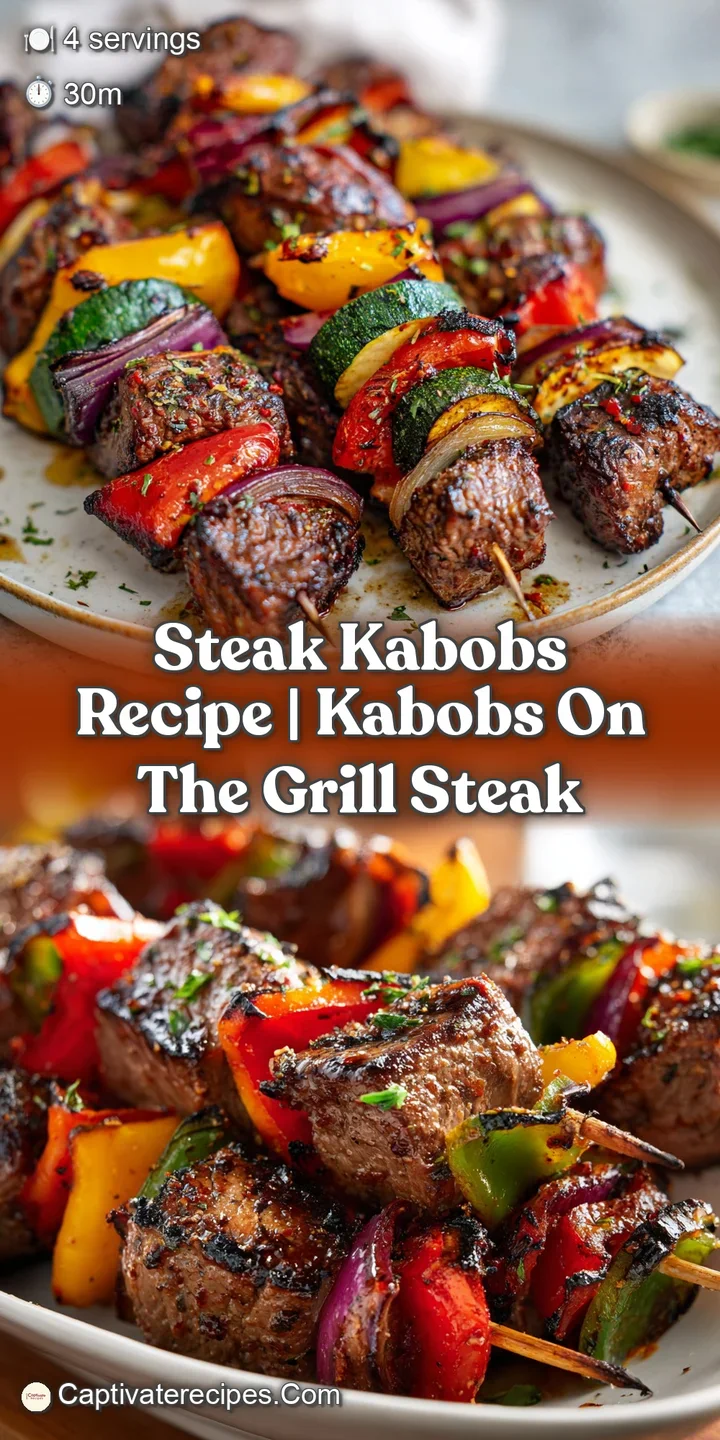
Very High in Sodium
1480 mg 1480 mg of sodium per serving (64% 64% of daily value)
The American Heart Association recommends limiting sodium intake to about 2,300mg per day for most adults. This recipe significantly exceeds that recommendation.
Tips to Reduce Sodium in this Recipe
-
Reduce Soy Sauce-30%
Low-sodium soy sauce is still high in sodium. Halving the amount of soy sauce, and replacing the reduced amount with more balsamic vinegar will drastically lower the sodium content. This will still provide flavor while significantly reducing sodium.
-
Worcestershire Woes-20%
Worcestershire sauce is a major source of sodium. Substitute it with a homemade, low-sodium version using ingredients like tamarind paste, apple cider vinegar, and a small amount of molasses. This will maintain a similar flavor profile with much less sodium.
-
Mustard Matters-10%
Dijon mustard contains sodium. While you don't need to eliminate it, reducing the quantity from 1 tbsp to 1/2 tbsp will help lower sodium without sacrificing too much flavor.
-
Veggie Boost-5%
Increasing the amount of bell peppers, red onion, and mushrooms can help balance the flavors and potentially allow for a further reduction in the soy sauce quantity. More vegetables also increases overall nutritional value.
-
Meat Quality-5%
Ensure the sirloin tip or New York strip is fresh and hasn't been pre-treated with sodium solutions. Opt for naturally raised or grass fed beef whenever possible, as some meat suppliers inject sodium based preservatives.
-
Herbs & Spices
Enhance the flavor with sodium free herbs and spices like garlic powder, onion powder, smoked paprika, chili powder, and dried thyme. Experiment with different combinations to find your favorite flavor profile.
Recipe FAQs
What cut of steak is best used for kabobs?
Sirloin tip or New York Strip. Sirloin tip is cost effective and absorbs flavor well, while New York Strip offers superior tenderness.
What non-meat ingredients go well on steak kabobs?
Bell peppers, red onion, and cremini mushrooms. The peppers and onions offer sweet crunch, and the mushrooms soak up the beef drippings.
How long should steak kabobs marinate before grilling?
Marinate for a minimum of 30 minutes, with 2 hours being the sweet spot. Going beyond 24 hours risks the high acid in the marinade breaking the beef down too much.
What is the trick to grilling kabobs successfully without burning or steaming?
Assemble skewers with a small space between each item and use high, consistent heat. This spacing allows air to circulate, ensuring a sear rather than steaming the ingredients.
Is it true that searing meat on the grill locks in the juices?
No, this is a common misconception. Searing is primarily for developing complex flavors through the Maillard reaction, not for moisture retention.
What is the best way to ensure vegetables don't fall off the skewers during turning?
Use flat metal skewers or employ the double skewer technique. Flat skewers offer better grip than round ones, preventing the components from spinning when you flip them.
When should I apply the reserved marinade during the cooking process?
Apply the reserved marinade during the last 60 seconds of cooking. This creates a glossy, savory glaze right at the end without letting the sugars burn prematurely.
Grilled Steak Kabobs In 50 Min
Ingredients:
Instructions:
Nutrition Facts:
| Calories | 488 kcal |
|---|---|
| Protein | 37g |
| Fat | 27g |
| Carbs | 11g |
| Fiber | 3g |
| Sugar | 6g |
| Sodium | 1480mg |
