Ina Garten Fish Chowder: Silky Seafood Stew
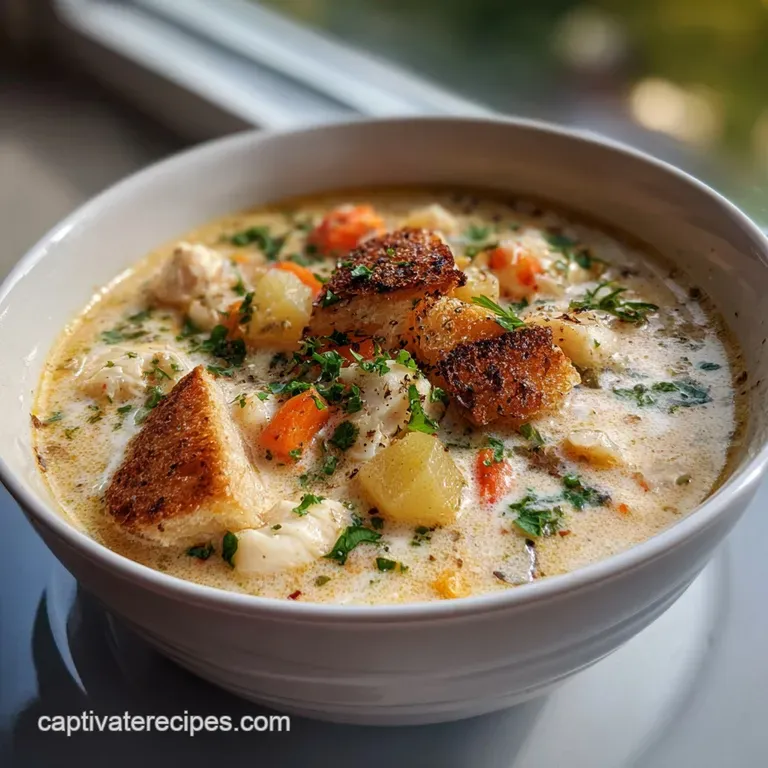
- Time: Active 25 mins, Passive 35 mins, Total 1 hour
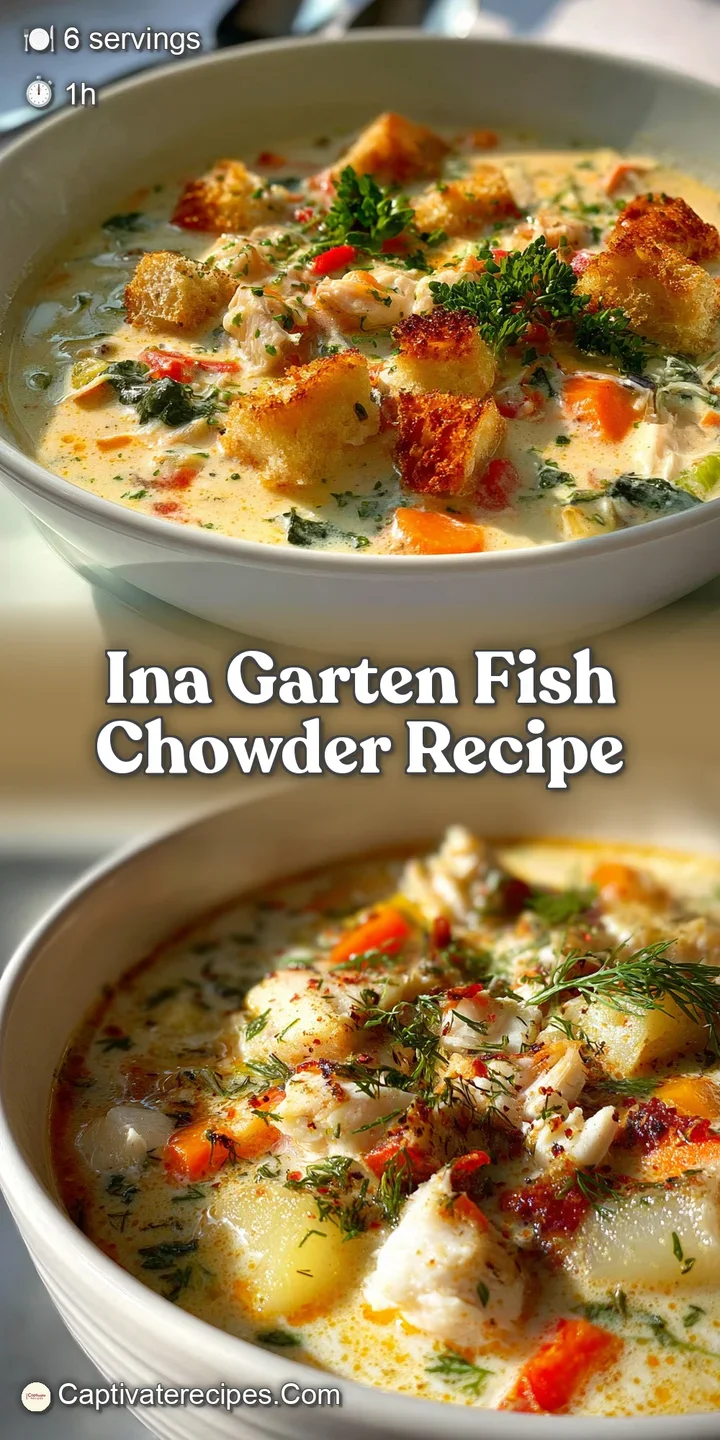
- Flavor/Texture Hook: Silky, cream based broth with shatter crisp bacon and tender, flaky seafood
- Perfect for: Cold weather entertaining or a cozy Sunday family dinner
- Making the Best Ina Garten Fish Chowder
- The Physics of the Roux
- Smart Seafood Choice Decisions
- Component Deep Dive
- Ingredients and Substitutes
- Instructions for the Chowder
- Troubleshooting the Broth
- Scaling Guidelines
- Kitchen Myths
- Storage and Zero Waste
- Critical High in Sodium
- Recipe FAQs
- 📝 Recipe Card
Making the Best Ina Garten Fish Chowder
The first time I stood over a pot of this chowder, the sizzle of thick cut bacon hit the heavy bottom of my Dutch oven, and I knew I was in for something special. There is a specific aroma that happens when bacon fat meets chopped leeks and butter it is sweet, salty, and earthy all at once.
I remember thinking that if the base smelled this good, the final bowl was going to be life changing.
Honestly, I used to be intimidated by homemade chowders. I was terrified the cream would curdle or the seafood would turn into rubbery little erasers. But following this approach changed my entire perspective on seafood soups.
It is about the gentle poach and the way the starch from the Yukon Gold potatoes naturally thickens the liquid without making it feel heavy or gluey.
We are going to walk through this step-by-step so you can avoid the mistakes I made early on, like rushing the roux. This is comfort food at its most sophisticated, yet it feels entirely doable on a regular evening. You will want a crusty loaf of bread nearby to soak up every drop of that velvety broth.
Trust me, your kitchen is about to smell like a high end seaside bistro.
The Physics of the Roux
Starch Gelatinization: As the flour and butter cook together, the starch granules swell and burst, creating a stable web that traps liquid. This prevents the heavy cream from separating when it hits the acidic white wine or the heat of the stove.
Pernod Flavor Impact
The inclusion of Pernod is a classic French technique that bridges the gap between the sweetness of the seafood and the richness of the cream. It provides a subtle anise or licorice note that you cannot quite place but would definitely miss if it were gone.
It cuts through the fat of the bacon and butter, giving the broth a sophisticated, bright finish that sets it apart from standard canned versions.
Maintaining Roux Stability
A stable roux is the backbone of this Ina Garten Fish Chowder. By whisking the seafood stock in slowly, we allow the flour to hydrate evenly. This prevents those dreaded flour lumps from forming. If you like bold spices with your seafood, you might want to try this Sri Lankan Fish recipe next, but for this dish, we are focusing on that smooth, classic French Atlantic texture.
Multi Seafood Texture Benefits
Using a mix of monkfish, shrimp, and scallops provides a variety of textures in every spoonful. The monkfish, often called "poor man's lobster," stays firm and meaty, while the bay scallops offer a delicate sweetness. If you want a different take on seafood, you can see how different textures work in this Ina Gartens Chilean recipe. In this chowder, the varying cook times of the seafood are managed by adding them in a specific order to ensure everything is perfectly tender.
| Feature | Classic Method | Fast Method |
|---|---|---|
| Thickening | Flour based roux for stability | Instant potato flakes or cornstarch |
| Flavor Base | Rendered bacon and leeks | Onion powder and bacon bits |
| Cook Time | 1 hour for deep flavor melding | 20 minutes (flavors stay surface level) |
Smart Seafood Choice Decisions
Choosing the right ingredients for a chowder can feel like a big investment, so it helps to know where you can save and where you should splurge. This table helps you decide based on your guest list or your weekly grocery budget.
| Premium Option | Budget Alternative | Flavor Impact | Savings |
|---|---|---|---|
| Fresh Monkfish | Cod or Haddock | Cod is softer; Monkfish is meatier | Save $8-10 per lb |
| Seafood Stock | Clam Juice + Water | Clam juice is saltier and more ocean forward | Save $3 per quart |
| Dry White Wine | Extra Seafood Stock | Loses the acidic "brightness" of the wine | Save $10-15 per bottle |
| Large Shrimp | Small Salad Shrimp | Smaller shrimp can get tough more quickly | Save $5 per lb |
Component Deep Dive
Understanding why we use these specific ingredients helps you become a more intuitive cook. Every item in this list serves a functional purpose beyond just tasting good.
| Ingredient | Science Role | Pro Secret |
|---|---|---|
| Yukon Gold Potatoes | Natural Thickener | These hold their shape better than Russets and add a buttery texture. |
| Heavy Cream | Fat Emulsification | Use full fat cream to prevent the broth from breaking when reheated. |
| Leeks | Aromatic Sweetness | Only use the white and light green parts; the dark green tops are too fibrous. |
| Dry White Wine | Acidic Balance | Pinot Grigio provides the necessary acid to cut through the heavy dairy. |
Ingredients and Substitutes
- 1/2 pound thick cut bacon, diced
- Substitute: Pancetta (Similar saltiness but less smoky).
- Why this? The rendered fat is the primary flavor carrier for the entire base.
- 2 tablespoons good olive oil
- Substitute: Avocado oil.
- 2 cups yellow onions, chopped
- Substitute: White onions.
- 2 cups leeks, white and light green parts, sliced
- Substitute: Shallots (Use 1 cup for a sharper flavor).
- 3 tablespoons unsalted butter
- Substitute: Salted butter (Reduce added kosher salt by 1/4 tsp).
- 1/2 cup all purpose flour
- Substitute: Cup for-cup gluten-free flour blend.
- 1 quart seafood stock or bottled clam juice
- Substitute: Chicken stock (Use a high-quality low sodium version).
- Why this? Seafood stock provides the essential briny foundation for the chowder.
- 1 cup dry white wine (such as Pinot Grigio)
- Substitute: 3/4 cup chicken stock + 1 tbsp lemon juice.
- 2 cups heavy cream
- Substitute: Half and half (The broth will be thinner).
- 1 tablespoon Pernod
- Substitute: 1/4 teaspoon ground anise or fennel seeds.
- 2 teaspoons kosher salt
- Substitute: 1 teaspoon fine sea salt.
- 1 teaspoon freshly ground black pepper
- Substitute: White pepper (For a cleaner look without black specks).
- 1 pound Yukon Gold potatoes, 1/2 inch diced
- Substitute: Red bliss potatoes.
- 1 pound monkfish or firm white fish, cut into 1 inch chunks
- Substitute: Halibut or Cod.
- 1/2 pound large shrimp, peeled and deveined
- Substitute: Cooked lobster meat (Add at the very end).
- 1/2 pound bay scallops
- Substitute: Sea scallops cut into quarters.
- 1/4 cup fresh parsley, minced
- Substitute: Fresh chives or tarragon.
Instructions for the Chowder
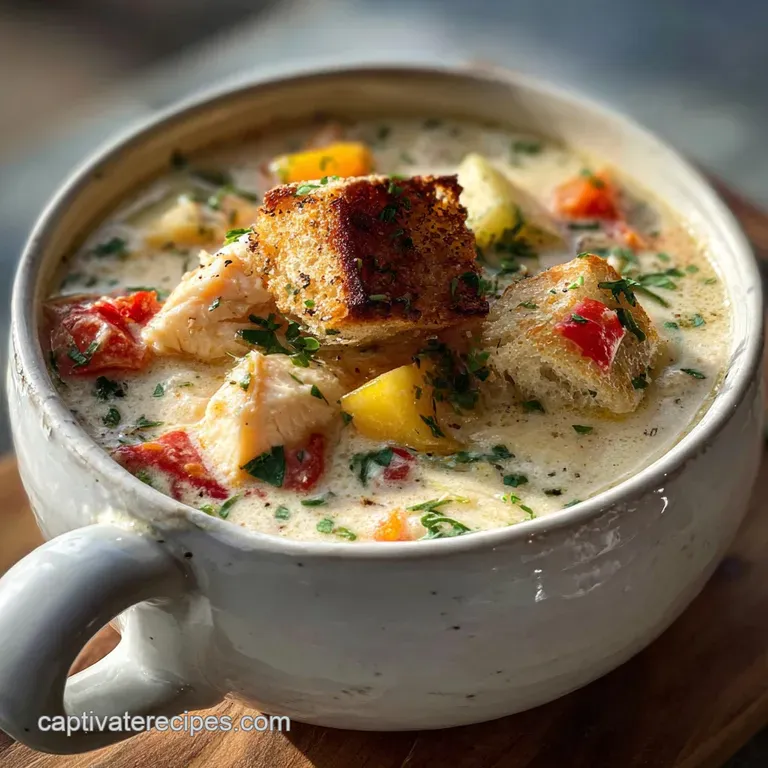
1. Rendering Bacon Gold
Place the 1/2 pound diced bacon and 2 tablespoons olive oil in a large heavy bottomed pot. Cook over medium heat for 8 to 10 minutes until the bacon is crisp and brown. Note: Starting with oil helps the bacon fat render more efficiently without burning the meat.
2. Building the Aromatic Base
Remove the bacon with a slotted spoon to a plate, leaving the fat in the pot. Add the 2 cups of onions, 2 cups of leeks, and 3 tablespoons of butter to the fat. Sauté over medium heat for 10 minutes until the onions are translucent and fragrant.
3. Thickening Without Clumping
Sprinkle the 1/2 cup flour over the vegetables and cook for 2 minutes, stirring constantly with a wooden spoon. Note: This "cooks out" the raw flour taste before adding liquids.
4. Integrating the Liquids
Slowly whisk in the 1 quart seafood stock and 1 cup white wine. Bring the mixture to a boil, then immediately lower the heat and simmer for 15 minutes until the broth is slightly thickened.
5. Softening the Potatoes
Add the 1 pound diced potatoes, 2 teaspoons salt, and 1 teaspoon pepper to the pot. Simmer for about 10 to 12 minutes until the potatoes are tender when pierced with a fork.
6. Adding the Richness
Pour in the 2 cups heavy cream and 1 tablespoon Pernod. Stir gently to combine and bring the liquid back to a very low simmer. Note: Do not let the broth come to a rolling boil once the cream is added to prevent separation.
7. Gentle Seafood Poaching
Add the 1 pound monkfish chunks, 1/2 pound shrimp, and 1/2 pound bay scallops. Cook for 5 to 7 minutes until the fish is opaque and the shrimp turn pink.
8. Final Seasoning Check
Taste the broth and add more salt or pepper if needed. Stir in the 1/4 cup minced parsley and the reserved cooked bacon. Note: The bacon adds a final hit of salt, so taste one last time before serving.
9. Resting the Chowder
Turn off the heat and let the pot sit for 5 minutes. until the flavors have melded and the temperature is comfortable.
10. Serving with Style
Ladle the chowder into warm bowls. Garnish with an extra sprinkle of parsley and serve immediately with crusty bread or oyster crackers.
Troubleshooting the Broth
Rubbery Seafood Texture
If your shrimp or scallops feel like rubber, they have been overcooked. This usually happens when the pot is left on a high simmer for too long after the seafood is added. The residual heat in the cream based broth is quite high, so it continues to cook the seafood even after the flame is off.
Adjusting Chowder Thickness
Sometimes the starch in the potatoes varies, or the flour doesn't hydrate as expected. If it's too thick, it can feel "pasty." If it's too thin, it feels like a soup rather than a chowder. We want a consistency that coats the back of a spoon without being sludge like.
Boosting Flat Flavors
If the chowder tastes "fine" but doesn't "pop," it likely needs more acid or salt. Seafood and cream both require a significant amount of seasoning to shine. A splash of lemon juice at the end can often do what salt cannot.
| Problem | Root Cause | Solution |
|---|---|---|
| Curdling | Boiling the cream | Keep the heat at a bare simmer; never let it roll. |
| Flour Lumps | Added stock too fast | Whisk in the first cup of stock very slowly to form a smooth paste. |
| Thin Broth | Underdeveloped roux | Simmer the base longer before adding the cream to allow the flour to thicken. |
Common Mistakes Checklist
- ✓ Wash leeks thoroughly in a bowl of water to remove hidden grit or sand.
- ✓ Cut potatoes to a uniform 1/2 inch so they all finish cooking at the same time.
- ✓ Peel and devein shrimp completely; nobody wants a crunchy shell in their creamy soup.
- ✓ Use a heavy bottomed Dutch oven (like Le Creuset) to prevent the bottom from scorching.
- ✓ Pat the fish dry before dicing to ensure you aren't adding excess water to the pot.
Scaling Guidelines
Reducing the Recipe
To make a half batch (3 servings), you can simply halve all ingredients. Use a smaller pot, such as a 3 quart saucepan, to ensure the liquid covers the seafood. Reduce the initial bacon rendering time by 2 minutes, as smaller amounts of fat cook faster.
For the egg based binding if you were making a different dish, you'd use half an egg, but here, the ratios remain simple.
Increasing the Recipe
When doubling this for a crowd (12 servings), increase the salt and pepper to only 1.5x the original amount initially, then taste and adjust. You will need a very large 8 quart or 10 quart stockpot.
Increase the potato simmer time by about 5 minutes because the larger volume of cold potatoes will drop the pot temperature significantly.
Blushing Chowder Variation
If you want a "blushing" seafood chowder, add 2 tablespoons of tomato paste along with the leeks and onions. This adds a subtle acidity and a beautiful pink hue to the broth, which pairs excellently with the monkfish.
Kitchen Myths
One common myth is that you must use fresh seafood or the chowder will be ruined. In reality, high-quality frozen shrimp and scallops are often frozen at sea and can be fresher than the "fresh" options at the grocery counter that have been sitting on ice for days.
Just ensure they are fully thawed and patted dry before they go into the pot.
Another misconception is that you need to cook the seafood for a long time to "infuse" the broth. This actually has the opposite effect. Long cooking times make the seafood tough and flavorless.
The flavor comes from the bacon, aromatics, and stock; the seafood should be gently poached at the very last minute to retain its moisture and sweetness.
Storage and Zero Waste
Storage: Store leftovers in an airtight container in the fridge for up to 2 days. When reheating, do so over very low heat on the stovetop. Do not let it boil, or the cream will separate and the seafood will become tough.
Freezing: I do not recommend freezing this chowder. The potatoes tend to become mealy when thawed, and the cream based broth often breaks, resulting in a grainy texture.
Zero Waste Tip: Don't toss those shrimp shells! Throw them into a freezer bag. When you have a few handfuls, simmer them with water, an onion, and a celery stalk for 20 minutes to make your own seafood stock for the next time you make this recipe.
Also, the dark green leek tops can be cleaned and used to flavor stocks, even if they are too tough to eat in the soup itself.
Critical High in Sodium
1195 mg mg of sodium per serving (52% % of daily value)
The American Heart Association recommends limiting sodium intake to about 2,300mg per day for overall health.
Tips to Reduce Sodium in Your Seafood Chowder
-
Low-Sodium Broth-30%
Replace the seafood stock or clam juice with a low-sodium or no-salt added version. This can significantly reduce the overall sodium content.
-
Reduce Bacon-20%
Bacon is a major sodium contributor. Reduce the amount of bacon used by half or substitute with a lower sodium alternative, like turkey bacon or smoked paprika for flavor.
-
Cut Back Salt-25%
Reduce the added salt by at least half, and taste as you go. Remember, bacon and seafood stock already contain sodium. Consider omitting salt entirely and adjusting to taste.
-
Fresh Seafood-15%
Ensure you're using fresh, not previously frozen or treated seafood, as these can often be pre-soaked in brine, adding sodium. Rinsing the seafood before cooking can also help.
-
Unsalted Butter-10%
Confirm that the butter used is unsalted. Even a small amount of salt in butter can contribute to the overall sodium content.
-
Check Wine Sodium-5%
While wine is typically low in sodium, it's worth checking the label. In rare cases, some wines might have added sulfites that can slightly increase sodium.
-
Spice It Up
Enhance the flavor with sodium free herbs and spices! Try using more freshly ground black pepper, garlic powder, onion powder, or a dash of cayenne pepper for a flavorful kick. These add depth without adding sodium.
Recipe FAQs
What is Ina Garten's favorite soup?
Yes, she favors hearty, classic comfort dishes. While she has many favorites, her approach often leans toward dishes like this fish chowder that utilize high-quality, simple ingredients for maximum impact.
What three ingredients must a chowder have to be considered a chowder?
Potatoes, a creamy or milky base, and often a cured pork element like bacon. Chowders are distinguished from simple soups by their thick, starchy texture, typically achieved through potatoes or a roux base.
What are some common chowder mistakes?
Overcooking the seafood and boiling the cream are the biggest errors. Overcooked seafood becomes rubbery, and boiling the cream after adding it risks curdling the rich dairy base.
What's the difference between fish soup and fish chowder?
Chowder requires a thickening agent like flour, roux, or potatoes to achieve a heavy body. A fish soup is generally thinner, brothier, and relies on the natural liquid of the stock or tomatoes for its consistency.
Can I substitute the Pernod with something else?
Yes, substitute with 1/4 teaspoon of ground anise or fennel seeds. The Pernod provides a subtle anise note which is crucial for cutting the richness, so using a small amount of a direct substitute works well.
Why should I use Yukon Gold potatoes instead of Russets in this recipe?
Yukon Golds offer a creamier texture that complements the heavy cream without completely disintegrating. Russets break down too much, sometimes making the final consistency overly starchy or gluey.
How long should I cook the bacon for the best flavor base?
Cook the bacon for 8 to 10 minutes until it is crisp and brown. You need this time to fully render the fat, which acts as the primary flavor carrier for the subsequent aromatics like leeks and onions.
Ina Garten Fish Chowder Recipe
Ingredients:
Instructions:
Nutrition Facts:
| Calories | 684 calories |
|---|---|
| Protein | 29.1 g |
| Fat | 46.2 g |
| Carbs | 26.8 g |
| Fiber | 2.9 g |
| Sugar | 5.4 g |
| Sodium | 1195 mg |
