Stuffed Pepper Soup: Hearty One-Pot Wonder
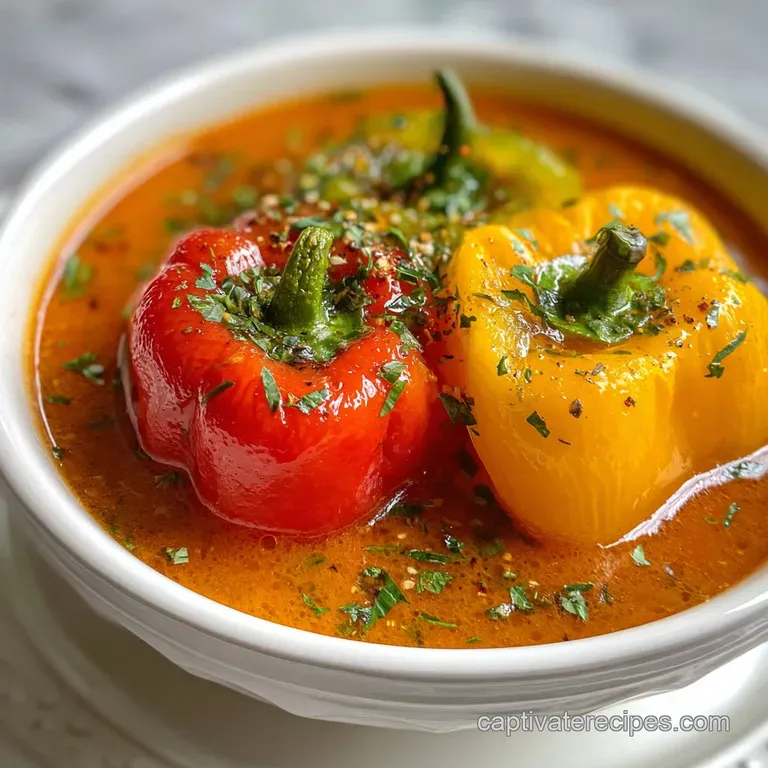
- Time: Active 15 minutes, Passive 30 mins, Total 45 minutes
- Flavor/Texture Hook: Zesty, smoky broth with tender beef and velvety peppers
- Perfect for: Busy weeknights, meal prep, and chilly Sunday afternoons
- Mastering Hearty Stuffed Pepper Soup
- The Chemistry of Balanced Soup
- Essential Timing and Yield Numbers
- Choosing the Best Soup Components
- Essential Components and Quick Substitutions
- Necessary Tools for Easy Cooking
- Detailed Guide to Soup Assembly
- Solving Common Soup Making Problems
- Simple Substitutes for Dietary Needs
- Best Storage and Reheating Methods
- Garnishing for Better Eye Appeal
- Soup Making Myths Debunked
- High in Sodium
- Recipe FAQs
- 📝 Recipe Card
Mastering Hearty Stuffed Pepper Soup
The first time I tried to make stuffed peppers, it was a disaster. I spent forty minutes meticulously cleaning out seeds, blanching shells, and stuffing them with a beef mixture that eventually exploded in the oven. I ended up with a baking dish full of soggy pepper skins and loose meat.
It tasted great, but it looked like a kitchen crime scene. That's when I realized we don't need the "stuffed" part to get the soul warming flavor.
We've all been there on a Tuesday night when the kids are hungry and you just want a meal that works without a fight. This Stuffed Pepper Soup is exactly that. It's the "un stuffed" version that actually tastes better because the peppers simmer directly in the broth, soaking up the garlic and oregano instead of just steaming in their own skins.
It's a reliable, one pot solution that turns basic pantry staples into something genuinely comforting.
You're going to love how the kitchen smells when the beef hits the hot pan followed by that sharp, sweet scent of diced onions. We aren't looking for fancy techniques here. We're looking for that specific magic that happens when fire roasted tomatoes meet a little bit of brown sugar and a lot of savory beef.
It's thick, it's filling, and it's honestly even better the next day after the flavors have spent the night getting to know each other.
The Chemistry of Balanced Soup
The Physics of Starch Suspension: Adding pre cooked rice at the very end prevents the grains from absorbing all the liquid and turning into a gummy paste. This ensures the broth stays fluid while the rice remains distinct and tender.
Chef's Tip: Add a splash of balsamic vinegar or pickle juice right before serving. The sharp acidity cuts through the heavy fat of the beef and makes the tomato flavor pop.
Chef's Tip: If you have ten minutes, freeze your tomato paste in small dollops. Sautéing a frozen dollop until it turns brick red adds a deep, caramelized umami that raw paste can't match.
| Method | Time | Texture | Best For |
|---|---|---|---|
| Stovetop | 45 minutes | Vibrant peppers, thin broth | Quick weeknight dinner |
| Slow Cooker | 6 hours | Meltingly soft peppers, rich | Hands off prep |
| Oven Dutch Oven | 1 hours | Caramelized edges, thick | Maximum depth of flavor |
Choosing the right method depends on your schedule. The stovetop is my go to because it keeps the peppers from getting too mushy, which can sometimes happen in a slow cooker if you aren't careful. If you're looking for a different vibe for your meal prep, these Spinach and Feta recipe bites are a great way to use up extra bell peppers you might have left over from the soup.
Essential Timing and Yield Numbers
Getting the timing right is the difference between a zesty soup and a soggy mess. I always set a timer the moment the broth starts to simmer. You want those peppers to reach a point where they are soft enough to cut with a spoon but still have enough structural integrity to provide a bit of a "pop" when you bite into them.
Neutralizing Tomato Acidity
The brown sugar in the recipe isn't there to make it sweet. It's a scientific trick to balance the pH levels of the canned tomatoes. Without it, the soup can sometimes have a metallic or overly sharp tang that hits the back of your throat. A tiny bit of sweetness rounds out the corners of the flavor profile.
Managing Starch Migration
If you've ever made a rice soup and found a solid block of mush in the fridge the next day, you've dealt with starch migration. Rice is a sponge. By using 2 cups of cooked long grain white rice instead of simmering raw rice in the pot, we control exactly how much liquid the grain takes on.
Utilizing Dual Broth Depth
We use a mix of 3 cups low sodium beef broth and 1 cup chicken broth. It might sound strange to mix them, but chicken broth adds a certain "brightness" and lighter salt profile that prevents the beef flavor from becoming too heavy or "muddy" as it simmers.
Choosing the Best Soup Components
| Ingredient | Science Role | Pro Secret |
|---|---|---|
| Lean Ground Beef | Protein structure and fat | Use 90/10 to avoid a grease slick on top. |
| Bell Peppers | Aromatic sweetness | Mix red and green for a balance of sugar and earthiness. |
| Fire Roasted Tomatoes | Acid and smokiness | The charred skins add a depth regular tomatoes lack. |
| Tomato Paste | Emulsifier | Sauté it with the beef to remove the "tinny" flavor. |
When you're at the store, look for peppers that feel heavy for their size. This usually means they have thicker walls, which hold up better during the 30 mins simmer.
I prefer the 90/10 lean ground beef because it provides enough flavor without requiring you to spend ten minutes skimming fat off the surface of your beautiful soup.
Essential Components and Quick Substitutions
- 1.5 lbs Lean Ground Beef (90/10):Why this? Provides meaty texture without excessive grease.
- Sub: Ground Turkey. It's leaner but adds less richness.
- 3 Large Bell Peppers:Why this? The signature flavor of the dish.
- Sub: Poblano peppers for a mild, smoky heat.
- 1 Large Yellow Onion:Why this? Builds the aromatic base layer.
- Sub: White onion or shallots.
- 3 Cloves Garlic:Why this? Essential for savory depth.
- Sub: 1 teaspoon garlic powder if fresh isn't available.
- 28 oz Canned Fire Roasted Diced Tomatoes:Why this? Adds a subtle smoky char.
- Sub: Standard diced tomatoes with a pinch of smoked paprika.
- 15 oz Tomato Sauce:Why this? Creates a velvety, consistent body.
- Sub: Crushed tomatoes for a chunkier texture.
- 3 cups Low Sodium Beef Broth:Why this? Deep savory foundation.
- Sub: Vegetable broth, though it will be less "beefy."
- 1 cup Chicken Broth:Why this? Lightens the overall flavor profile.
- Sub: Water or more beef broth.
- 2 tbsp Tomato Paste:Why this? Thickens and intensifies the tomato flavor.
- Sub: 3 tbsp tomato ketchup (reduce brown sugar if using).
- 2 cups Cooked Long Grain White Rice:Why this? Traditional texture that stays firm.
- Sub: Cauliflower rice for a low carb version.
- 1 tbsp Brown Sugar:Why this? Balances the acidity of the tomatoes.
- Sub: Honey or maple syrup.
- Dried Oregano and Basil (1 tsp each):Why this? Classic Italian style seasoning.
- Sub: Italian Seasoning blend.
If you find yourself with extra bell peppers, they are fantastic as a crunchy side or incorporated into other meals. While this soup is a full meal on its own, sometimes I like to start with a little appetizer. This Crab Rangoon Dip recipe is a fun contrast to the hearty, savory nature of the soup.
Necessary Tools for Easy Cooking
You don't need a high end kitchen to make this work. A solid 5.5 liter Dutch oven or a heavy bottomed stockpot is your best friend here. The heavy bottom prevents the tomato sugars from scorching during the simmer. You'll also want a sharp chef's knife for dicing those peppers into uniform 1/2 inch pieces.
Uniformity isn't just for looks; it ensures every bite of pepper is cooked to the same tenderness.
A wooden spoon is better than metal for this recipe. You'll be scraping the bottom of the pot to get all those "frond" (the brown bits of beef) into the broth. Those bits are pure flavor gold.
If you have a fat separator, it can be helpful, but honestly, using lean beef and a regular spoon to skim the top works just as well for a home cook.
Detailed Guide to Soup Assembly
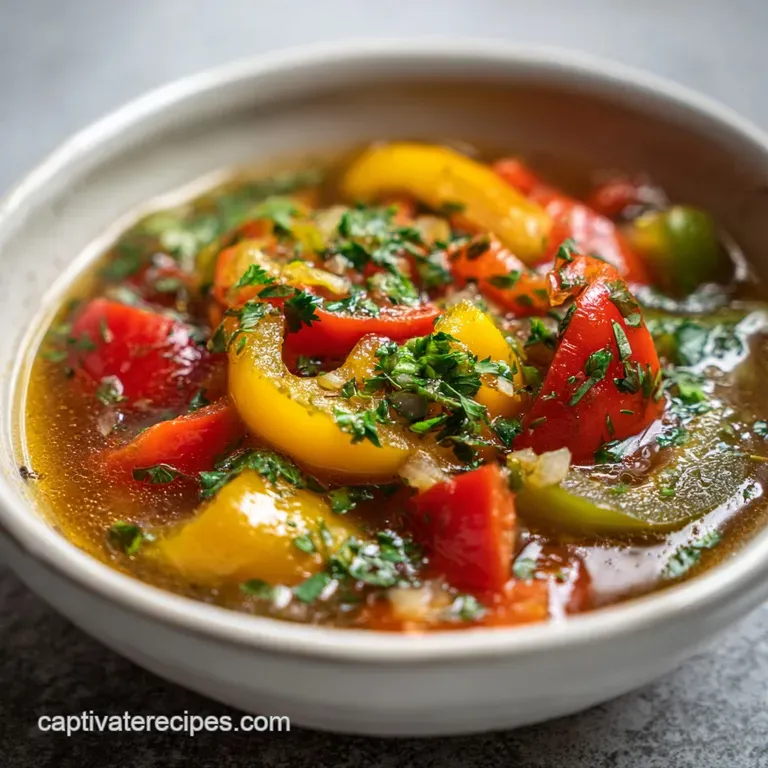
- Brown the beef. In your large pot over medium high heat, cook the 1.5 lbs ground beef until no pink remains and it sizzles.
- Drain the grease. Carefully pour off the rendered fat. Note: This prevents a greasy film from forming on the finished soup.
- Sauté the aromatics. Add the diced yellow onion and 3 diced bell peppers. Cook for 5 minutes until the onions are translucent and fragrant.
- Add the garlic. Stir in the 3 minced cloves. Cook for exactly 1 minute until you smell the sharp aroma.
- Deglaze with paste. Stir in the 2 tbsp tomato paste. Cook for 2 minutes, stirring constantly, until the paste turns a dark mahogany red.
- Pour in liquids. Add the 28 oz fire roasted tomatoes, 15 oz tomato sauce, 3 cups beef broth, and 1 cup chicken broth.
- Season the pot. Stir in the 1 tbsp brown sugar, 1 tsp dried oregano, 1 tsp dried basil, 0.5 tsp salt, and 0.5 tsp cracked black pepper.
- Simmer it down. Bring to a boil, then reduce heat to low. Cover and simmer for 25 minutes until peppers are tender but not falling apart.
- Incorporate the rice. Stir in the 2 cups cooked rice. Heat for 3-5 minutes until the rice is warmed through.
- Final check. Taste and add more salt or pepper if needed until the flavors are bold and balanced.
Solving Common Soup Making Problems
Sometimes things don't go perfectly, and that's okay. The most common issue people have with this soup is the texture of the rice or the acidity level. If your soup tastes a little flat, it usually means it needs more salt or a tiny hit of acid. If it's too thick, simply splash in a little extra broth.
Why Your Soup Is Greasy
If you see a layer of orange oil floating on top, it usually means the beef wasn't drained well enough or the beef had a higher fat content than 90/10. It happens to the best of us when we're in a rush.
| Problem | Root Cause | Solution |
|---|---|---|
| Greasy surface | High fat beef or poor draining | Skim with a spoon or blot with a paper towel. |
| Mushy rice | Rice was overcooked or simmered too long | Add rice only to individual bowls if storing. |
| Bland flavor | Lack of salt or acidity | Add a pinch of salt and 1 tsp of red wine vinegar. |
Common Mistakes Checklist
- ✓ Always drain the ground beef before adding veggies to keep the broth clean.
- ✓ Don't skip browning the tomato paste; it's the secret to deep flavor.
- ✓ Use pre cooked rice to prevent the soup from turning into a thick stew.
- ✓ Make sure the bell peppers are diced uniformly for even cooking.
- ✓ Taste the soup before adding the rice to ensure the broth is perfectly seasoned.
Simple Substitutes for Dietary Needs
Adjusting this recipe for different diets is incredibly easy because the base is so versatile. For a low carb or Keto version, the most significant change is the rice. I've used cauliflower rice many times, and while the texture is slightly different, the flavor is still spot on.
Just make sure to sauté the cauliflower rice separately for a few minutes to remove the "raw" smell before adding it to the pot.
If you're cooking for a vegetarian friend, you can swap the beef for a plant based crumble or even green lentils. If using lentils, you'll need to increase the broth by about 2 cups and simmer for an extra 15 minutes to ensure they are fully cooked.
The fire roasted tomatoes still provide that meaty, smoky depth that makes the dish feel substantial even without the animal protein.
Healthy Low Carb Adjustments
To drop the carb count, replace the white rice with 2 cups of riced cauliflower. Since cauliflower releases water, you might want to reduce the beef broth by 0.5 cups to keep the soup from becoming too thin.
Creating Plant Based Versions
Swap the ground beef for two cans of drained brown lentils. Use vegetable broth instead of beef and chicken broth. You might want to add a dash of soy sauce or liquid smoke to replicate the savory depth that the beef usually provides.
Alternative Slow Cooking Methods
You can brown the beef and onions, then toss everything except the rice into a slow cooker. Cook on low for 6 hours. Stir the rice in during the last 20 minutes. This is great for those days when you know you won't have the energy to stand at the stove at 6:00 PM.
Best Storage and Reheating Methods
Storage: This soup stays fresh in the fridge for up to 4 days. In fact, many people (myself included) think it tastes better on day two. The peppers soften slightly more, and the spices really permeate the broth.
If you are planning to have leftovers, I highly recommend storing the rice separately and adding it to individual bowls as you reheat them. This prevents the rice from soaking up all your delicious broth.
Freezing: You can freeze this soup for up to 3 months. However, rice doesn't always have a great texture after being frozen in liquid. For the best results, freeze the soup base without the rice.
When you're ready to eat, thaw it overnight in the fridge and add freshly cooked rice during the reheating process.
Zero Waste: Don't toss those pepper scraps! The tops and bottoms of the bell peppers can be finely minced and frozen for your next morning's omelet. If you have leftover broth, use it to cook your rice next time instead of using water it adds another layer of flavor to your future meals.
Garnishing for Better Eye Appeal
We eat with our eyes first, and let's be honest, brown soup isn't always the most photogenic meal. To make this look like it belongs in a cafe, add a bright pop of green. Freshly chopped parsley or even a few sliced green onions make a world of difference.
It adds a fresh, crisp bite that contrasts with the soft, simmered vegetables.
A dollop of sour cream or a sprinkle of sharp cheddar cheese can also take this to the next level. The creaminess of the dairy melds with the tomato base to create a "creamy tomato" vibe that kids absolutely love.
If you like a bit of heat, a few shakes of hot sauce or a pinch of red pepper flakes will wake up the palate and complement the smoky fire roasted tomatoes perfectly. Trust me, that little bit of garnish is the difference between "just soup" and a meal that feels special.
Scaling the Recipe
- To double (12 servings): Use a very large stockpot (8 quarts or more). Double all ingredients, but only increase the salt and spices to 1.5x the original amount. Taste and add more as needed. You don't want to accidentally over season the larger volume.
- To halve (3 servings): Cut everything exactly in half. Use a smaller saucepan to prevent too much liquid from evaporating. Cooking time will remain roughly the same because the peppers still need 25 minutes to reach the right tenderness.
Soup Making Myths Debunked
One common misconception is that you must use green bell peppers for authenticity. While traditional stuffed peppers often use green because they are sturdy and slightly bitter, using a mix of red, orange, or yellow adds a natural sweetness that makes the soup much more balanced.
You don't have to stick to the bitter green ones if you prefer a milder flavor.
Another myth is that the rice must be cooked in the soup to "absorb the flavor." In reality, rice is so porous that it will taste like the soup the second it touches the broth. Simmering it in the pot for a long time just leads to a starch explosion that ruins the clarity of your soup base.
Cooked rice is the pro choice for a clean, professional texture.

High in Sodium
890 mg mg of sodium per serving (39% % of daily value)
The American Heart Association recommends limiting sodium intake to about 2,300mg per day for adults.
Tips to Reduce Sodium in Your Stuffed Pepper Skillet
-
Broth Swap-30%
Replace both the low-sodium beef broth and chicken broth with no-sodium added beef broth. This simple switch can significantly reduce the overall sodium content without sacrificing flavor.
-
Canned Tomato Tweak-20%
Opt for no-salt added diced tomatoes and tomato sauce. Rinsing the regular diced tomatoes before use can also help to remove some of the sodium.
-
Salt Smarts-25%
Reduce the added salt by half or eliminate it entirely. Taste the dish before adding any salt, as the other ingredients already contribute sodium.
-
Meat Matters-10%
Ensure your ground beef is truly 90/10 lean to minimize any added sodium sometimes found in pre-seasoned or lower quality ground meat. Check the label!
-
Herb Power!
Enhance the flavor with fresh herbs and spices like parsley, thyme, or a pinch of red pepper flakes. Experiment to find your favorite flavor combinations!
Recipe FAQs
What ingredients are essential for a classic stuffed pepper soup?
Ground beef, bell peppers, fire roasted tomatoes, and dual broths (beef and chicken) are essential. The ground beef provides structure, while the mix of broths creates a rich, savory base that isn't overly heavy.
What is the most delicious soup in the world?
This is subjective, but Stuffed Pepper Soup ranks highly for comfort and depth of flavor. Its success lies in balancing the acidity of tomatoes with savory meat and sweet peppers in one pot.
What are common mistakes to avoid when making stuffed pepper soup?
Do not simmer the rice in the pot for the entire cooking time. Adding pre-cooked rice at the very end prevents it from absorbing all the liquid and creating a gummy texture.
What common mistakes should I avoid when making stuffed peppers (the traditional version)?
Avoid overstuffing the peppers and baking them at too high a temperature. Overstuffing causes the filling to explode, and high heat leads to soggy, pale pepper skins instead of tender ones.
How do I keep my soup from tasting too acidic or metallic from the canned tomatoes?
Stir in 1 tablespoon of brown sugar during the simmer phase. This small amount of sweetness acts as a pH balancer, rounding out the sharp tang of the canned tomatoes beautifully.
How do I ensure the bell peppers are tender but not mushy after simmering?
Simmer the soup uncovered or partially covered for 25 minutes after boiling. Dice the peppers uniformly, and taste them just before adding the rice to ensure they are soft enough to cut with a spoon but still have a slight bite.
How can I deepen the savory umami flavor in this soup base quickly?
Sauté the tomato paste separately for two minutes until it turns a deep mahogany red before adding liquids. This step caramelizes the sugars in the paste, removing the tinny flavor and building intense umami.
Stuffed Pepper Soup Recipe
Ingredients:
Instructions:
Nutrition Facts:
| Calories | 388 calories |
|---|---|
| Protein | 29.8 g |
| Fat | 12.2 g |
| Carbs | 39.5 g |
| Fiber | 4.8 g |
| Sugar | 12.4 g |
| Sodium | 890 mg |
