Almond Dacquoise Cream Clouds
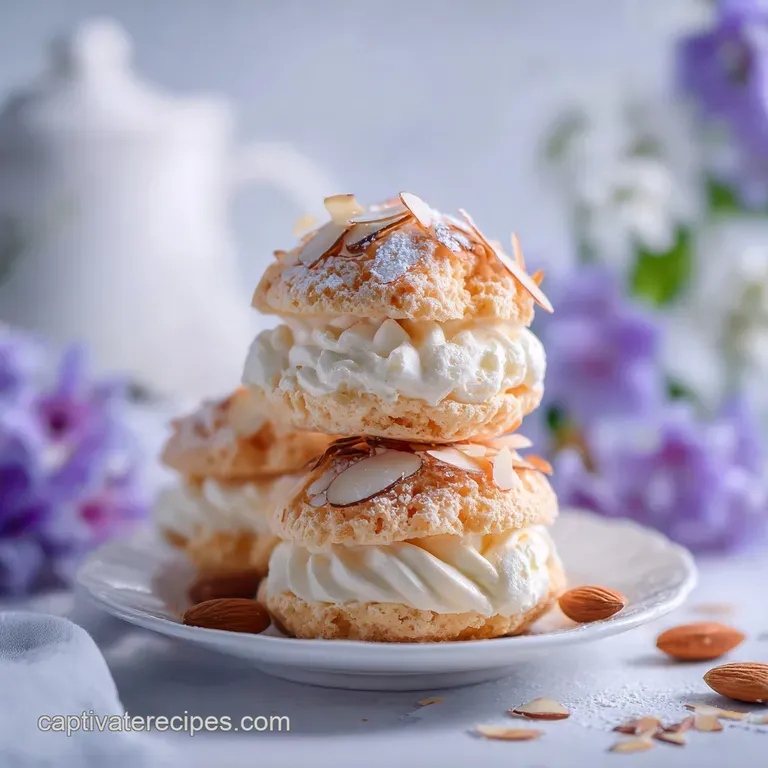
- Time: Active 20 minutes, Passive 40 minutes, Total 1 hour
- Flavor/Texture Hook: A crisp, nutty shatter that yields to a silky almond scented center
- Perfect for: Elegant dinner parties or a special weekend baking project
- Achieving the Artisanal Almond Dacquoise Dream
- Essential Statistics for Baking Success
- Selecting Premium Ingredients for Flavor
- Recommended Gear for Best Results
- Guided Steps for Perfect Texture
- Solving Common Texture Issues Quickly
- Fun Variations for Personal Touch
- Guidelines for Storing Your Treats
- Styling Tips for Showstopping Impact
- Recipe FAQs
- 📝 Recipe Card
Achieving the Artisanal Almond Dacquoise Dream
Close your eyes and imagine walking past a hidden patisserie in the heart of Paris. The air is thick with the scent of toasted nuts and that specific, intoxicating aroma of sugar caramelizing in a low oven.
I remember the first time I pulled a tray of these golden disks out of my own oven; the way the kitchen smelled like a warm, almond scented hug was enough to make me skip the filling and just eat them plain. But trust me, when you pair that crunch with the velvety cream, it’s pure joy.
We've all been there staring at a bowl of egg whites, praying they’ll turn into something magnificent rather than a puddle of disappointment. I used to find meringue intimidating, but once I realized it's more about patience than magic, everything changed.
This Almond Dacquoise is the ultimate showstopper because it looks like it took hours of professional training, but it’s actually quite approachable if you follow a few simple cues.
In this guide, we are going to walk through the process of creating these Dacquoise Cream Clouds together. You’ll learn how to treat your egg whites with respect and how to fold in the almond flour without deflating all that hard earned air.
It’s about the joy of the process and the beautiful, artisanal result you get to share with your favorite people. Let's get into the kitchen and make some magic happen.
Essential Statistics for Baking Success
Before we start whipping, let's look at how this classic method stacks up against modern "shortcut" versions. While we all love a quick fix, there is something truly artisanal about the traditional approach that just can't be beaten when it comes to the final texture.
| Method Type | Texture Profile | Time Commitment | Skill Level |
|---|---|---|---|
| Classic Dacquoise | Crisp exterior, chewy heart | 1 hour | Intermediate |
| Fast Meringue | Hollow, dry, very brittle | 30 minutes | Beginner |
| Macaron Style | Soft, dense, and sweet | 1 hours 30 mins | Advanced |
Choosing the classic route ensures you get that iconic "shatter" followed by a melt in-the mouth experience. It is the gold standard for a reason. Similar to the patience required for a Simple Overnight Oats recipe, letting the ingredients work their magic over the allotted time is the secret to success here.
Selecting Premium Ingredients for Flavor
The beauty of an Almond Dacquoise lies in the quality of its components. Since there are so few ingredients, each one needs to shine. We are looking for a balance of structural integrity and rich, nutty flavor.
The Physics of the Shatter
The magic happens when the proteins in the egg whites stretch to trap air, while the sugar stabilizes those walls to prevent collapse. When the almond flour is folded in, it adds fat and fiber, which disrupts the sugar bonds just enough to create a chewiness that contrasts perfectly with the crisp outer shell.
| Ingredient | Science Role | Pro Secret |
|---|---|---|
| Egg Whites (120g) | Structural base | Use room temperature whites for 20% more volume. |
| Cream of Tartar | Acid stabilizer | Prevents the protein strands from over tightening. |
| Almond Flour (110g) | Texture & fat | Sift twice to ensure no heavy clumps sink the meringue. |
| Mascarpone (30g) | Emulsifier | Adds stability and a rich mouthfeel to the whipped cream. |
The Ingredient List
- 4 Large Egg Whites (120g): These must be at room temperature to whip properly.
Why this? They provide the leavening and the airy structure for the base.
- Substitute: Aquafaba (chickpea liquid) for a vegan style meringue, though the bake time will vary.
- 1/4 tsp Cream of Tartar: A tiny amount goes a long way.
Why this? It acts as a stabilizer for the delicate egg foam.
- Substitute: 1/2 tsp Lemon juice or white vinegar.
- 1/2 cup (100g) Granulated Sugar: Essential for structure.
Why this? It builds the "bones" of the meringue so it doesn't weep.
- Substitute: Caster sugar (superfine) for even faster dissolving.
- 1 cup (110g) Super fine Almond Flour: The heart of the dacquoise.
Why this? Provides the signature nutty flavor and a chewy crumb.
- Substitute: Hazelnut flour for a deeper, more toasted flavor profile.
- 1 cup (120g) Confectioners' Sugar: Added to the dry mix.
Why this? Helps create the crisp, matte finish on the exterior.
- Substitute: Blitzed granulated sugar with a touch of cornstarch.
- 1/4 tsp Fine Sea Salt: A flavor enhancer.
Why this? It cuts through the sweetness and highlights the nuttiness.
- Substitute: Standard table salt (use slightly less).
- 1 cup (240ml) Heavy Whipping Cream: Must be very cold.
Why this? Creates the voluminous, airy filling.
- Substitute: Full fat coconut milk (chilled) for a dairy-free alternative.
- 2 tbsp (30g) Mascarpone Cheese: The secret to stability.
Why this? It prevents the cream from deflating and adds a velvety tang.
- Substitute: Full fat cream cheese (softened) works in a pinch.
- 1/2 tsp Pure Almond Extract: For that artisanal punch.
Why this? Intensifies the natural flavor of the almond flour.
- Substitute: Vanilla bean paste for a more floral note.
Recommended Gear for Best Results
You don't need a professional kitchen to make a showstopping dacquoise, but a few specific tools make the process much more joyful.
- Stand Mixer: A KitchenAid or similar mixer is a lifesaver for getting those stiff peaks without your arm falling off.
- Fine Mesh Sieve: Crucial for getting the lumps out of your almond flour and confectioners' sugar.
- Piping Bag: Use a large round tip for consistent disks or a star tip for decorative flourishes.
- Silicone Spatula: A flexible one is best for the "fold and flow" technique.
- Parchment Paper: Never bake meringue directly on a pan; it will stick and shatter.
Chef's Tip: Before you start, wipe your mixing bowl and whisk attachment with a paper towel dipped in lemon juice. This removes any trace of fat that could prevent your egg whites from reaching their full, fluffy potential.
Guided Steps for Perfect Texture
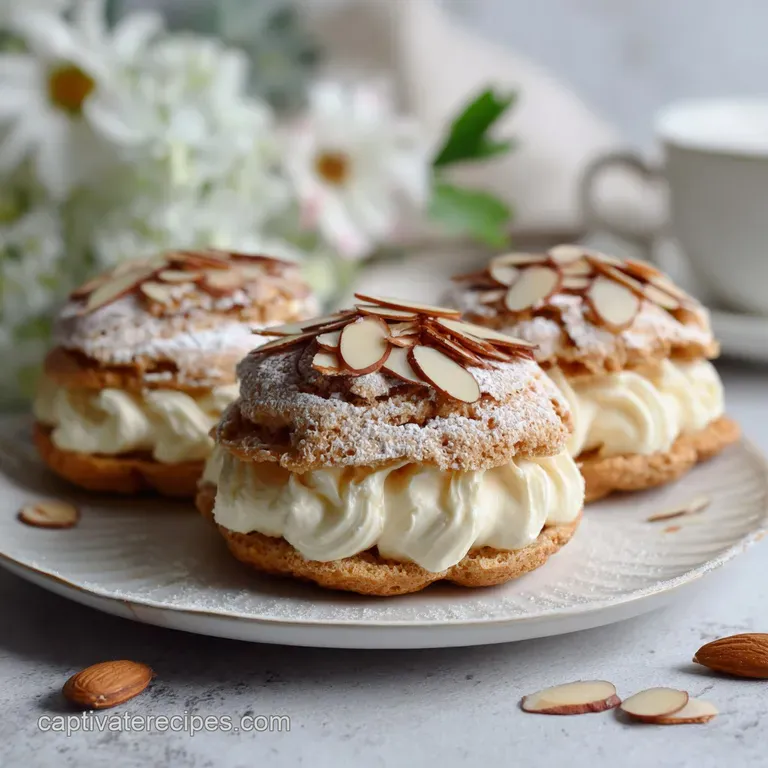
Let's begin the process. Keep an eye out for the sensory cues the way the mixture looks, feels, and smells as these are your best guides.
Step 1: Prep the Dry Mix
Sift the 110g of almond flour, 120g of confectioners' sugar, and salt together into a large bowl. Note: Do this twice to ensure the mixture is as light as air. You’ll smell the dusty, sweet scent of the ground almonds as you work.
Step 2: Begin the Meringue
Place your 120g of egg whites into the clean bowl of your stand mixer. Add the cream of tartar. Whip on medium speed until you see a landscape of soft, white foam like a sea of clouds.
Step 3: Gradually Add Sugar
Increase the speed to medium high. Add the 100g of granulated sugar one tablespoon at a time. Cook 5 minutes (whipping time) until the meringue is glossy and holds stiff peaks. It should look like polished marble.
Step 4: The Fold and Flow
Gently sprinkle a third of the dry almond mixture over the meringue. Using a large spatula, fold it in by cutting through the center and lifting from the bottom. Note: Work slowly to keep the air inside. Stop as soon as no dry streaks remain.
Step 5: Shape the Disks
Transfer the mixture to a piping bag. Pipe 15 circles (about 6cm wide) onto parchment lined baking sheets. Note: Leave space between them for air circulation.
Step 6: The Low and Slow Bake
Bake at 150°C for 40 minutes until the shells feel firm to the touch and smell like toasted marshmallows. They should be a very pale ivory, not brown.
Step 7: Cool Completely
Turn off the oven and prop the door open slightly with a wooden spoon. Let the shells cool inside for 20 minutes. Note: This prevents them from cracking due to a sudden temperature change.
Step 8: Create the Almond Cream
In a chilled bowl, combine the heavy cream, mascarpone, remaining confectioners' sugar, and almond extract. Whip until thick and velvety ribbons form. The scent of the almond extract hitting the cold cream is pure bliss.
Step 9: Final Assembly
Pipe a generous mound of cream onto the flat side of half the meringue disks. Top with the remaining disks. Note: Press very gently so you don't shatter the delicate tops.
Step 10: The Nutty Finish
Press the roasted sliced almonds into the sides of the cream or sprinkle them over the top. Serve immediately for maximum crunch.
Solving Common Texture Issues Quickly
Even the best bakers run into trouble sometimes. The key is knowing how to pivot when things don't go according to plan.
Why Your Meringue is Grainy
If your shells feel gritty on the tongue, the sugar didn't dissolve properly during the whipping stage. This usually happens if the sugar is added too quickly or if the eggs were too cold.
Why Your Shells are Splotchy
Oily spots on the surface usually mean the almond flour wasn't fresh or was processed too much, releasing its natural oils. Always use "super fine" almond flour for this recipe.
| Problem | Root Cause | Solution |
|---|---|---|
| Flat Meringue | Fat in the bowl or over folding | Clean gear with lemon; use a light hand when folding. |
| Sticky Shells | High humidity in the kitchen | Bake 10 mins longer or leave in the oven to dry out. |
| Cracked Tops | Temperature dropped too fast | Always cool in the oven with the door propped open. |
Common Mistakes Checklist
- ✓ Ensure the mixing bowl is 100% grease free before adding whites.
- ✓ Don't skip sifting the almond flour; clumps will deflate your foam.
- ✓ Use a "cut and fold" motion rather than stirring.
- ✓ Let the shells cool completely before adding the cream.
- ✓ Avoid making meringue on a very rainy or humid day if possible.
Fun Variations for Personal Touch
Once you've mastered the basic Almond Dacquoise, you can start getting creative with the flavors and textures.
- The Chocolate Cloud: Fold 2 tablespoons of high-quality cocoa powder into the dry mix and use a chocolate ganache filling instead of cream.
- The Zesty Twist: Add the zest of one lemon to the meringue and use a lemon curd swirl inside the mascarpone cream.
- The Berry Delight: Press a fresh raspberry into the center of the cream before topping with the second meringue disk.
If you are looking for another way to use up extra yogurt or want a different texture entirely, you might enjoy my Fluffy ZeroCarb Yogurt recipe, which offers a completely different but equally joyful baking experience.
Decision Shortcut If you want maximum crunch, bake the shells an extra 5 minutes and fill them right before serving. If you want a chewier, macaron like texture, fill the dacquoise and let them sit in the fridge for 2 hours before eating.
If you want a toasted flavor, lightly toast your almond flour in a dry pan for 3 minutes before sifting (let it cool first!).
Guidelines for Storing Your Treats
Dacquoise is a sensitive soul. It hates moisture and loves a cool, dry environment.
- Storage: Store unassembled meringue shells in an airtight container at room temperature for up to 3 days. Once filled, they are best eaten within 4 hours, as the cream will eventually soften the meringue.
- Freezing: You can freeze the baked shells (unfilled) for up to 1 month. Wrap them carefully in parchment and place them in a rigid container to prevent breaking. Thaw at room temperature for 15 minutes.
- Zero Waste Tip: If you have leftover egg yolks, use them to make a rich lemon curd or a batch of homemade vanilla pudding. Never throw away those liquid gold yolks!
For another dessert that handles storage beautifully, check out my simple nobake strawberry recipe, which is perfect for those days when you don't want to turn on the oven at all.
Styling Tips for Showstopping Impact
The visual appeal of an Almond Dacquoise is all about the contrast between the rustic, nutty shells and the pristine, white cream.
To achieve that restaurant quality flair, use a piping bag with a large star tip to create a "rosette" of cream on the base. When you place the top shell on, don't press it down all the way let the cream peek out the sides.
A light dusting of extra confectioners' sugar right before serving gives it a professional, snowy finish.
If you’re serving these for a party, try placing them on a dark slate board or a vintage silver tray. The white and tan colors of the dacquoise really pop against darker backgrounds.
For a final touch, a few edible flower petals or a single mint leaf on top can add a splash of color that makes the whole plate look like a work of art.
Remember, baking is supposed to be a joy. If your disks aren't perfectly round or a shell cracks, call it "artisanal" and keep going. The flavor of these Dacquoise Cream Clouds will more than make up for any little imperfections. Happy baking!
Recipe FAQs
What is an almond dacquoise?
It's a nutty meringue based dessert. An almond dacquoise consists of crisp, baked meringue disks made with almond flour, typically layered with a light cream filling.
What is the texture of a dacquoise?
It has a dual texture. The exterior is crisp and brittle, shattering when bitten, while the interior is chewy and tender from the almond flour.
What is the difference between meringue and dacquoise?
Dacquoise incorporates almond flour into the meringue. A classic meringue is simply whipped egg whites and sugar, whereas a dacquoise adds ground almonds for flavor and a chewier texture.
What's the difference between a dacquoise and a macaron?
Dacquoise uses almond flour directly in the meringue, while macarons are made from a different meringue base. Dacquoise disks are typically flatter and chewier, whereas macarons are smaller, smoother shells with a slightly more hollow interior.
Can I use store-bought almond flour for dacquoise?
Yes, but fine almond flour is best. Opt for "super fine" or blanched almond flour to achieve the smoothest texture and prevent heavy clumps that can deflate the meringue.
How should I store dacquoise meringue shells before assembly?
Store them airtight at room temperature. Baked and completely cooled meringue shells can be kept in an airtight container for up to 3 days for optimal crispness.
How do I prevent my dacquoise shells from cracking?
Cool them slowly in the oven. After baking, turn off the oven and leave the door slightly ajar with a wooden spoon for about 20 minutes to allow for gradual cooling and prevent sudden temperature changes.
Almond Dacquoise Clouds
Ingredients:
Instructions:
Nutrition Facts:
| Calories | 185 kcal |
|---|---|
| Protein | 2.9 g |
| Fat | 11.2 g |
| Carbs | 19.1 g |
| Fiber | 0.9 g |
| Sugar | 17.4 g |
| Sodium | 48 mg |
