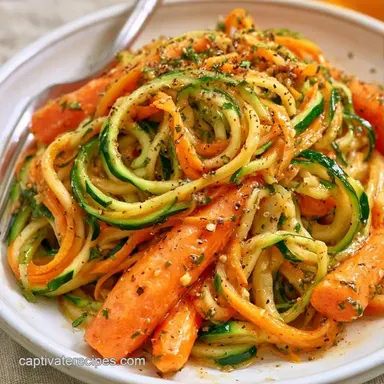
Asian Zucchini Noodles in 20 Minutes
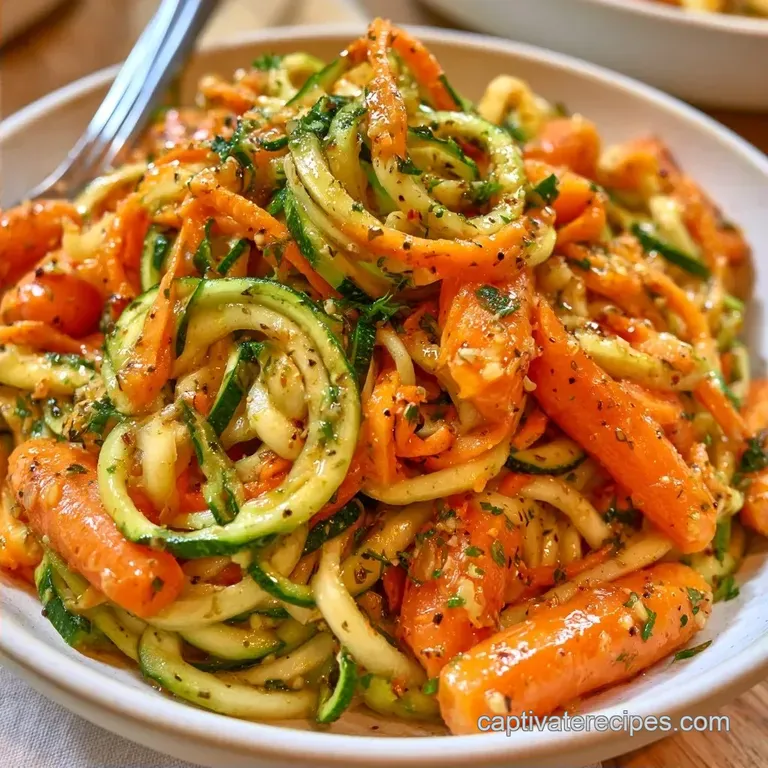
- Time: 15 min active + 5 min cooking
- Flavor/Texture Hook: Rich umami taste with a bright, snappy crunch
- Perfect for: Quick evening meals or a light, nutritious lunch
The scent of toasted sesame oil hitting a hot pan is an instant signal that dinner is almost served. Early attempts at making zoodles were often a disaster. Simply tossing the spiralized vegetables into a pan usually resulted in a bowl of mushy, pale strands swimming in a pool of zucchini water. It was a total letdown.
The difference between a limp noodle and a firm one is one simple step: salt. Once I discovered how to sweat the zucchini first, everything changed. Now, these Asian Zucchini Noodles are my top choice when I want those takeout flavors without the heavy feeling.
Every bite hits a different note: the tang of rice vinegar, the deep warmth of ginger, and a nutty sesame finish. It's a vibrant meal that comes together in about 20 minutes, which feels like a miracle on a hectic Tuesday night.
Making Vibrant Asian Zucchini Noodles
Right then, let's look at the basics. This recipe is designed for speed and punchy flavor. We aren't doing a slow braise here, just a quick flash sear to keep the vegetables alive.
The goal is a "half cooked" feel. You want the zucchini to be warmed through, but if you cook it too long, you're back to that watery soup problem. I usually keep my heat high and my movements fast.
If you're looking for something even lighter, you might enjoy a Zucchini Noodle Salad which skips the pan entirely. But for this version, the heat helps the honey and soy sauce cling to the noodles.
Why This Method Actually Works
I used to wonder why my vegetables always ended up watery. It turns out there's a simple scientific explanation.
The Salting Phase: Adding salt pulls excess moisture from the zucchini. This keeps the vegetable crisp and prevents it from releasing liquid into the pan during the sauté.
The Sauce Emulsion: Whisking the oil and vinegar creates a lustrous glaze. Since the zucchini has been dried through salting, the sauce adheres to the strands instead of sliding off.
What Each Ingredient Brings
I don't believe in boring food. Every single thing in this bowl is there to add a specific layer of taste or texture.
| Ingredient | Role | If You Don't Have It |
|---|---|---|
| Zucchini | The base structure | Yellow squash (slightly softer) |
| Soy Sauce | Salty umami depth | Tamari (for gluten-free) |
| Sesame Oil | Nutty, toasted aroma | Peanut oil with a drop of soy |
| Honey | Balances the acidity | Maple syrup (adds woody notes) |
The ginger and garlic are non negotiable. They provide that sharp, fresh bite that makes the Asian Zucchini Noodles feel authentic. If you use the powdered versions, the flavor is too flat. Stick to the fresh roots and bulbs.
Gear for the Job
While you don't need a professional setup, the right equipment makes the task much easier.
A spiralizer is the best choice. I prefer a hand-crank model as it's simpler to clean. If you don't have one, a julienne peeler works, though your "noodles" will be more like thick matchsticks.
A large skillet or a wok is essential. You need enough space to toss the zucchini without crowding the pan; otherwise, it will steam instead of searing, which leads to sogginess. Lastly, you'll need a colander for the salting step.
Bringing the Bowl Together
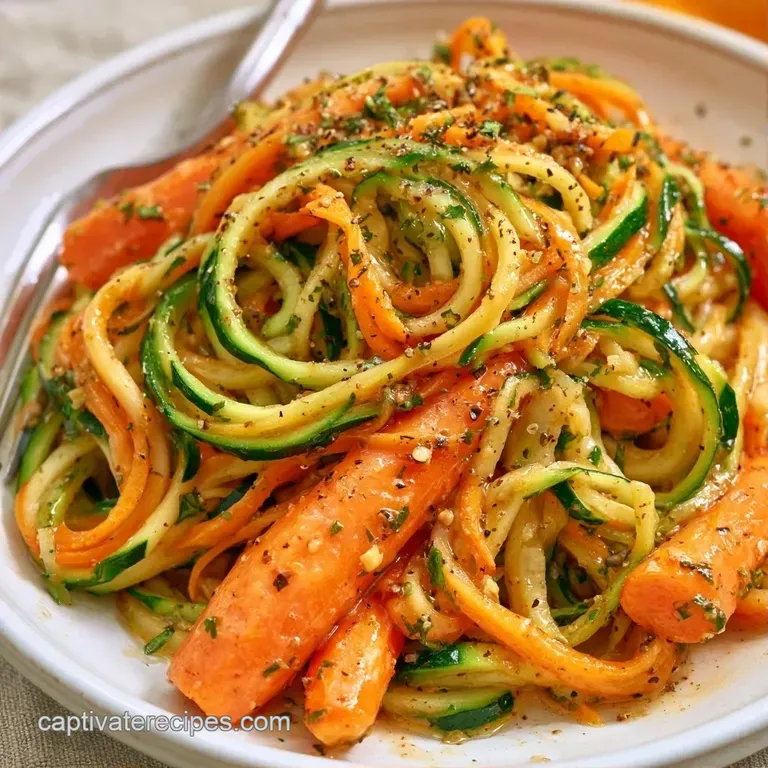
Let's crack on. Make sure your sauce is mixed before the pan gets hot, because this happens fast.
Preparing the Zoodles
Spiralize the zucchini into long strands. Place them in a colander over a bowl and toss with sea salt. Let them sit for 10 minutes to sweat, then gently squeeze the noodles with your hands to remove excess water. Note: Don't squeeze too hard or you'll break the strands.
Whisking the Umami Sauce
In a small bowl, combine the soy sauce, sesame oil, rice vinegar, honey, grated ginger, and minced garlic. Whisk vigorously until the honey is fully dissolved and the sauce is glossy.
Flash Searing the Base
Heat a large skillet over medium high heat with a drizzle of vegetable oil. Toss in the shredded carrots and the Asian Zucchini Noodles. Sauté for 2–3 minutes until the zucchini is warmed through but still retains a snap.
Finishing the Bowl
Pour the sauce over the noodles and toss rapidly for 30 seconds until every strand is coated and the sauce thickens slightly. Remove from heat immediately.
Chef's Tip: If you have a few extra minutes, toast your sesame seeds in a dry pan for 60 seconds before adding them. It makes the flavor way more intense.
Fixing Common Zoodle Issues
Even with a solid plan, issues can arise. Most often, it comes down to moisture or heat.
Stopping the Water Leak
If your bowl is filling with liquid, you likely didn't salt the vegetables long enough. The water is escaping during the cooking process instead of beforehand.
Fixing a Bland Sauce
When the taste feels "flat," it's usually because the dish lacks acidity. A small squeeze of fresh lime juice or an additional teaspoon of rice vinegar often brightens everything instantly.
Avoiding Mushy Noodles
Overcooking is the primary enemy here. If you sauté for 5 or 6 minutes instead of 3, the zucchini's cell walls will collapse.
| Problem | Fix |
|---|---|
| Watery sauce | Salt zoodles for full 10 mins and squeeze well |
| Bland flavor | Add a splash of rice vinegar or lime |
| Mushy texture | Reduce sauté time to 2 minutes |
Ways to Change Things
I love a baseline recipe, but I rarely make it the same way twice. These Asian Zucchini Noodles are a great canvas for whatever you have in the fridge.
If you want more protein, I usually toss in some shrimp or cubed tofu. Just sear the protein first, remove it from the pan, and then add it back in when you pour the sauce over the noodles. This keeps the shrimp from getting rubbery.
For a different vibe, try adding a spoonful of chili garlic sauce or sriracha to the whisking stage. If you're craving something colder, you can skip the sauté and serve this as a chilled salad. For another fresh option, my Smashed Asian Cucumber Salad uses a similar flavor profile and pairs great as a side.
Quick adjustments for different goals:
| Goal | What to change |
|---|---|
| More Heat | Add 1 tsp red pepper flakes |
| Nuttier Taste | Double the sesame seeds |
| Low Sodium | Swap soy for coconut aminos |
Storing Your Leftovers
To be completely honest: Asian Zucchini Noodles are at their best when eaten immediately. Because zucchini consists mostly of water, it will inevitably release more moisture as it rests.
If you do need to store them, keep them in a container in the refrigerator for up to 24 hours. When reheating, skip the microwave and instead toss them into a hot skillet for 1 minute. This evaporates any accumulated liquid and restores that signature snap.
I advise against freezing these. Freezing ruptures the zucchini's cell walls, which causes them to turn into mush the moment they thaw.
Avoid throwing away the zucchini ends. I keep mine and the carrot peels in the freezer to create a homemade stock later on.
Serving for Maximum Impact
Visual appeal is key. Since a pile of green noodles can seem a bit monochromatic, creating contrast is essential.
Begin with a shallow, wide bowl. Twirl the noodles into a central mound and garnish with the toasted sesame seeds and sliced green onions. The vivid orange carrots paired with the bright greens make the dish look fresh and inviting.
For a more substantial meal, try adding a few slices of fresh radish or some thin red chili strips for a burst of color. This small touch elevates a quick healthy lunch into a proper dining experience. Taking an extra 30 seconds to plate the dish makes all the difference.
Recipe FAQs
How to prepare zucchini to prevent sogginess?
Toss spiralized strands with sea salt in a colander for 10 minutes. Gently squeeze the noodles by hand to remove excess moisture before cooking.
What is the secret to keeping zoodles crisp?
Sauté over medium-high heat for only 2–3 minutes. Remove them from the pan immediately after the sauce thickens to ensure they retain a snap.
Is it true that boiling zoodles is the best method for texture?
That's a myth. Boiling releases too much water and leads to mush; quick sautéing is the superior method for this dish.
Which side dishes pair well with this recipe?
These go great with a crisp, chilled vegetable dish. If you enjoy this bright, zesty flavor, you'll love the similar approach to acidity in our Asian cucumber salad.
Asian Zucchini Noodles in 20 Minutes