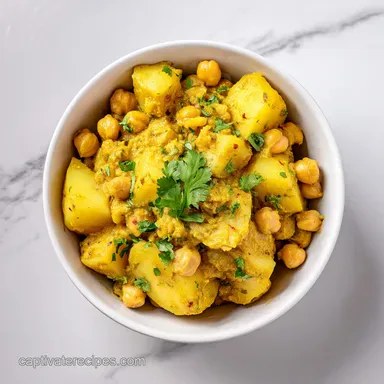
Vegan Chickpea and Potato Curry: Creamy One-Pot Meal
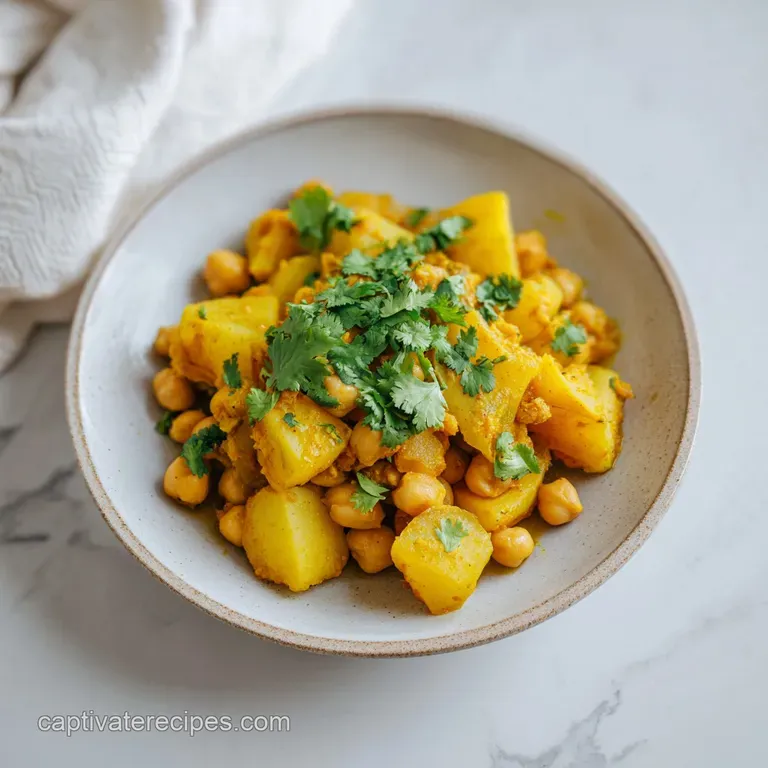
- Time:10 minutes prep + 30 minutes cook = 40 minutes total
- Flavor/Texture Hook: Velvety coconut broth with tender, golden edged potatoes
- Perfect for: Stress free weeknight dinners or meal prep for the week
- The Best Hearty Chickpea and Potato Curry Recipe
- Common Flavor Mistakes to Avoid
- Quick Specs and Prep Times
- The Essential Ingredient List
- Gear for the Perfect Pot
- Easy Step-by-Step Cooking Flow
- Fixing Common Curry Issues
- Troubleshooting Common Issues
- Smart Swaps and Adaptations
- Truths About Curry Cooking
- Keeping Your Curry Fresh
- Best Sides for Your Meal
- Recipe FAQs
- 📝 Recipe Card
The Best Hearty Chickpea and Potato Curry Recipe
The first thing you'll notice is that smell - that specific, warm sizzle of cumin and turmeric hitting hot oil. It's the kind of aroma that fills the whole house and immediately makes everyone ask, "What's for dinner?" For me, this dish is the ultimate safety net.
Whenever I'm too tired to think but still want something that feels like a proper meal, I reach for the cans of chickpeas and a few potatoes.
But here's the thing: I used to treat this like a soup. I'd throw everything in a pot and let it boil. The result was a bland, mushy mess where the potatoes tasted like nothing and the sauce was watery. Trust me on this, the secret isn't in adding more spices, it's in the order of operations.
Searing the potatoes first and actually "blooming" the spices changes the entire profile from a simple stew to a rich, layered curry.
You can expect a dish that's creamy but not heavy, with a bit of a kick from the green chili and a bright, citrusy lift at the end. It's comforting, filling, and honestly, it tastes even better the next day. Let's crack on and get this moving.
Common Flavor Mistakes to Avoid
Most people treat curry like a slow cooker dump meal, but that's where the flavor dies. If you don't sear your aromatics and potatoes, you're missing out on the depth that makes a curry feel authentic. I once tried to "save time" by adding the coconut milk at the start, and I ended up with a pale, boiled potato soup.
It was a disaster.
Ignoring the "Bloom"
When you add dry spices to oil and let them sizzle for a minute, you're "blooming" them. Spices like cumin and coriander are fat soluble, meaning their best flavors only come out when they hit hot oil. If you just stir them into the liquid, they stay raw and taste a bit dusty.
The Potato Starch Miscalculation
Using the wrong potato can ruin the texture. I've tried Russets in this, and they just disintegrate, turning the sauce into a thick paste. Yukon Golds are the sweet spot - they hold their shape but get that velvety interior that soaks up the sauce.
Coconut Milk Timing
Adding coconut milk too early prevents the tomatoes and spices from reducing and concentrating. You want the base to be thick and fragrant before the creaminess of the milk mellows everything out. It's all about building layers of flavor.
DIVTABLE_0
Quick Specs and Prep Times
Before we dive in, let's look at the flow. This isn't a complex process, but it does require a bit of attention during the first 10 minutes. Once the simmer starts, you can basically forget about it for 20 minutes.
The Prep Flow: 1. Chop the onion, mince the garlic, and grate the ginger. 2. Peel and cube the potatoes into 1 inch pieces. 3. Drain and rinse your chickpeas.
The Cooking Flow: 1. Sauté the aromatics until they're soft and golden. 2. Brown the potatoes to lock in texture. 3. Toast the spices to wake them up. 4. Simmer with tomatoes and chickpeas. 5. Finish with coconut milk and lime.
The Finish: Let the curry sit for 5 minutes off the heat before serving. This allows the sauce to settle and the flavors to integrate.
The Essential Ingredient List
I'm a big fan of keeping things simple. You don't need a spice cabinet the size of a wardrobe to make this work. Just a few key pantry staples and some fresh aromatics.
The Core Ingredients:
- 2 tbsp vegetable oil
- 1 medium yellow onion, finely diced
- 3 cloves garlic, minced
- 1 tbsp fresh ginger, grated
- 1 small green chili, finely chopped
- 1 tsp ground turmeric
- 1 tsp ground cumin
- 1 tsp ground coriander
- 1 tsp garam masala
- 1/2 tsp salt
- 1/4 tsp black pepper
- 1 lb Yukon Gold potatoes, peeled and cubed into 1 inch piecesWhy this? Waxy texture prevents the curry from becoming mushy
- 1 can (15 oz) chickpeas, drained and rinsed
- 1 can (14.5 oz) diced tomatoes
- 1 can (13.5 oz) full fat coconut milkWhy this? Provides the velvety mouthfeel and balances the heat
- 1 tbsp fresh lime juice
- 1/4 cup fresh cilantro, chopped
Smart Ingredient Swaps:
| Original Ingredient | Substitute | Why It Works |
|---|---|---|
| Yukon Gold Potatoes | Sweet Potatoes | Similar texture. Note: Adds sweetness, best with extra lime |
| Full fat Coconut Milk | Heavy Cream | Similar richness. Note: Loses the tropical nuttiness |
| Fresh Ginger | Ginger Paste (1 tbsp) | Convenient. Note: Slightly less zing than fresh |
| Green Chili | Red Chili Flakes (1/2 tsp) | Easier to find. Note: Drier heat, less fresh flavor |
Gear for the Perfect Pot
You don't need anything fancy here. A single, heavy bottomed pot is your best friend. I prefer a Dutch oven because it distributes heat evenly and doesn't let the sauce evaporate too quickly during the simmer.
If you don't have a heavy pot, a deep stainless steel skillet works, but you'll need to keep a closer eye on the liquid levels. Avoid non stick pans if you can - they don't brown the potatoes as well as stainless steel or cast iron.
Right then, make sure you have a sturdy wooden spoon or a silicone spatula. You'll be doing a fair bit of scraping to get those browned bits (the "fond") off the bottom of the pot, which is where all the concentrated flavor lives.
Easy step-by-step Cooking Flow
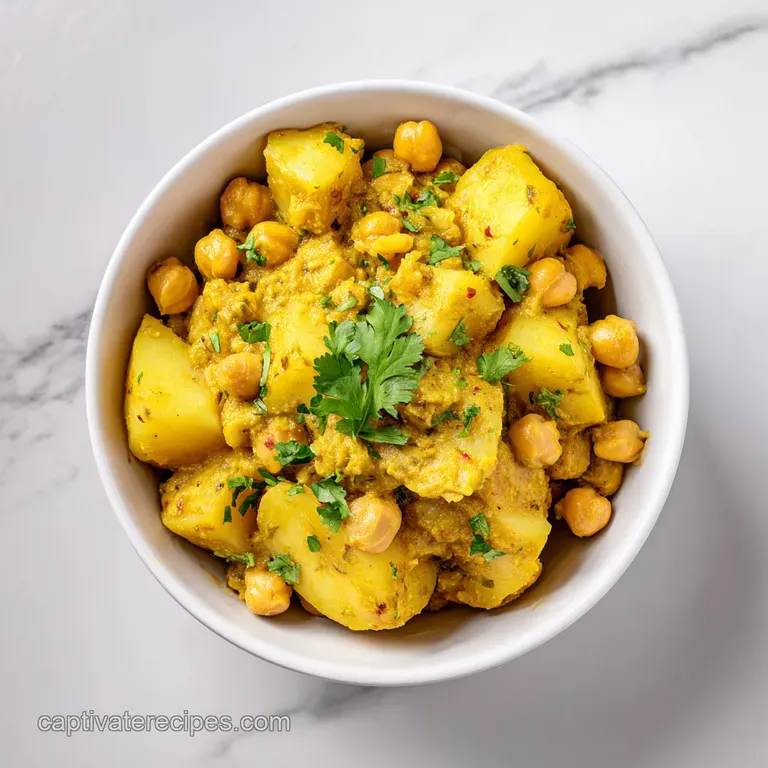
Let's get into it. Follow these steps and you'll have a restaurant quality meal in 40 minutes.
- Heat the vegetable oil over medium heat in a large heavy bottomed pot. Add the diced onion and sauté for 5-7 minutes until translucent and starting to brown. Note: Don't rush the onions; this is the base of your flavor.
- Stir in the minced garlic, grated ginger, and chopped green chili, cooking for 60 seconds until the aroma hits you.
- Add the cubed potatoes to the pot and cook for 5 minutes, stirring occasionally, until the edges are slightly golden.
- Sprinkle in the turmeric, cumin, coriander, garam masala, salt, and black pepper. Stir constantly for 1-2 minutes until the spices smell toasted and fragrant.
- Pour in the diced tomatoes, scraping any browned bits from the bottom of the pot. Add the rinsed chickpeas.
- Cover the pot and simmer on low medium heat for 15-20 minutes, until the potatoes are fork tender.
- Stir in the coconut milk, lime juice, and chopped cilantro before serving.
Chef's Note: If you want a thicker sauce, use the back of your spoon to mash a few of the cooked potato cubes and chickpeas against the side of the pot. Stir them back in to naturally thicken the broth without adding flour or cornstarch.
Fixing Common Curry Issues
Even the best of us hit a snag sometimes. Usually, if a curry feels "off," it's a balance issue. Since we're using coconut milk, the richness can sometimes drown out the spices, or the potatoes might release too much starch.
Troubleshooting Common Issues
| Issue | Solution |
|---|---|
| Why Your Sauce Is Too Thin | If your curry looks more like a soup than a stew, it's usually because the potatoes weren't seared enough or the simmer wasn't long enough for the liquid to reduce. You can fix this by simmering uncov |
| Why the Flavor Feels Flat | A "flat" curry usually lacks acidity. The coconut milk and potatoes are both very "heavy" flavors. The lime juice at the end is non negotiable because it cuts through that fat and wakes up the spices. |
| Why the Spices Taste Bitter | This happens if the garlic or spices burn during the "blooming" phase. If you see black specks in your oil, the heat was too high. Next time, lower the flame or add a splash of water to the pan to coo |
Smart Swaps and Adaptations
This chickpea and potato curry recipe is a great base, but you can easily tweak it to fit whatever you have in the fridge. I often treat the vegetables as optional - whatever is in the crisper drawer usually works.
The Veggie Boost: If you want more greens, stir in two handfuls of fresh spinach or kale during the last 2 minutes of cooking. For a heartier meal, you could add cauliflower florets along with the potatoes. If you enjoy a roasted flavor, you can take a cue from my Roasted Chicken and Vegetables and roast your potatoes in the oven first before adding them to the pot.
Protein Power Ups: While this is a fantastic vegan meal, you can easily add protein. Cubed tofu (pressed and seared) works perfectly. If you're not vegan, some sautéed shrimp added at the very end provide a great contrast to the creamy sauce.
Heat Levels: The green chili provides a mild to medium heat. If you want it "restaurant spicy," add a teaspoon of Kashmiri red chili powder or a few sliced Thai bird's eye chilies.
If you're cooking for kids, just omit the chili entirely - the garam masala still gives it a warm, cozy feel without the burn.
DIVTABLE_1
Truths About Curry Cooking
There are a lot of myths floating around about how to make a "proper" curry. Some people say you need 20 different spices and a 4 hour simmer time. Honestly, that's just not true for a home cook.
Myth: You must use a huge variety of spices. Truth: The "big four" (turmeric, cumin, coriander, and garam masala) do 90% of the work. Adding ten more spices often just muddies the flavor. It's better to use a few high-quality spices and bloom them correctly than to dump a dozen powders into a pot.
Myth: Canned chickpeas are inferior to dried. Truth: As long as you rinse them well, canned chickpeas are perfectly fine. In fact, they hold their shape better in a quick simmer curry than dried beans that have been soaked and boiled for hours.
Myth: You can't make a rich curry without cream. Truth: Coconut milk is a powerhouse for richness. It provides a velvety texture that rivals heavy cream but adds a subtle sweetness that complements the earthy turmeric and cumin perfectly.
Keeping Your Curry Fresh
One of the best things about this dish is that it's an incredible meal prep option. The flavors actually deepen as it sits in the fridge, making the leftovers even better than the first batch.
Storage Guidelines: Keep the curry in an airtight container in the fridge for up to 4 days. Because of the coconut milk, it can separate slightly when cold - this is normal.
Freezing Tips: You can freeze this for up to 2 months. However, I recommend freezing it before you add the fresh lime juice and cilantro. Add those fresh elements after you've reheated the dish to keep the flavor bright.
Zero Waste Ideas: Don't throw away your onion skins or the ends of the ginger root. Toss them into a freezer bag and use them the next time you make a vegetable stock. Also, if you have leftover coconut milk in the can, stir it into your morning coffee or oatmeal for a creamy treat.
Best Sides for Your Meal
While the curry is a meal in itself, what you serve it with changes the whole experience. You want something that can soak up that velvety sauce.
The Classic Route: Basmati rice is the gold standard here. The long, fluffy grains provide a neutral base that lets the spices shine. If you want something fancier, try coconut rice by replacing half the cooking water with coconut milk.
The Bread Option: Warm garlic naan or simple toasted pita bread is perfect for scooping. If you don't have naan, a toasted sourdough slice works surprisingly well to mop up the last bits of sauce from the bowl.
The Fresh Contrast: Since the curry is rich and creamy, a side of something crisp and acidic is key. A simple cucumber and red onion salad with a splash of apple cider vinegar or a side of pickled carrots provides the perfect contrast to the warmth of the chickpeas and potatoes.
Recipe FAQs
Can I use dried chickpeas instead of canned?
No, stick with canned. Dried chickpeas require overnight soaking and several hours of simmering, which would exceed the 40-minute total cook time.
How to thicken the curry sauce if it's too thin?
Simmer the pot uncovered. This allows excess liquid to evaporate and concentrates the sauce into a thicker stew consistency.
Why does my curry taste flat even with all the spices?
Stir in the lime juice. The acidity is non-negotiable because it cuts through the heavy fats of the coconut milk and potatoes to wake up the spices.
How to avoid a bitter taste from the spices?
Sauté garlic and ginger for exactly 60 seconds. Overcooking these aromatics quickly leads to a burnt, bitter flavor that permeates the whole dish.
Is it true that Yukon Gold potatoes must be peeled?
No, this is a common misconception. You can leave the skins on for added nutrition and texture, though peeling results in a smoother curry.
How to store and reheat leftovers?
Store in an airtight container for up to 4 days. Reheat on the stove over medium heat, adding a splash of water if the sauce has thickened too much in the fridge.
Can this be served as a breakfast meal?
Yes, it makes a hearty savory breakfast. If you enjoy starting your day with nutrient-dense vegetables, see how the same principle works in our breakfast bowl.
Chickpea and Potato Curry Recipe: One-Pot and Creamy Dinner