French Toast Muffins: Crispy Cinnamon Sugar Bites
- Time: Active 10 minutes, Passive 20 minutes, Total 30 minutes
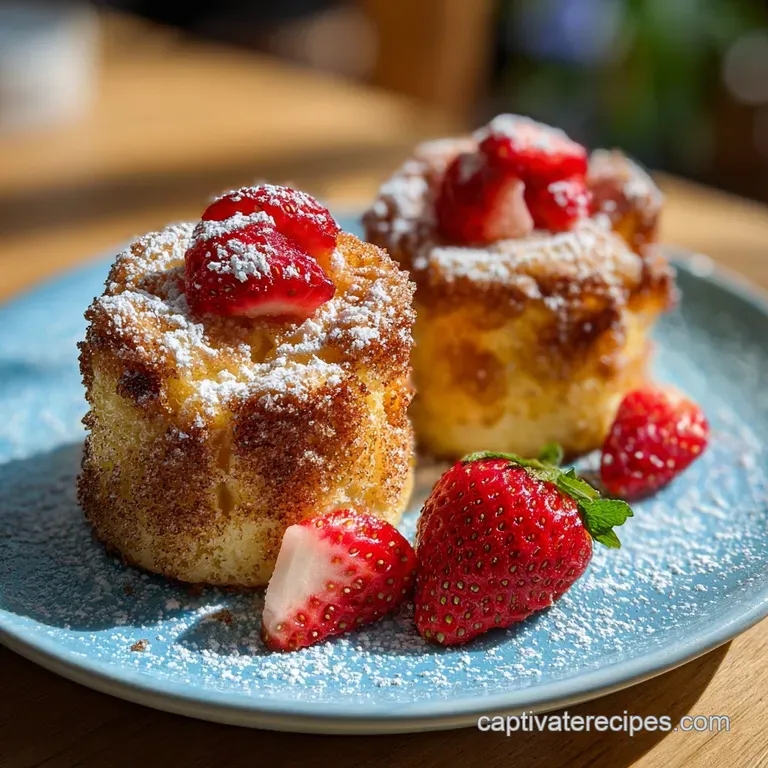
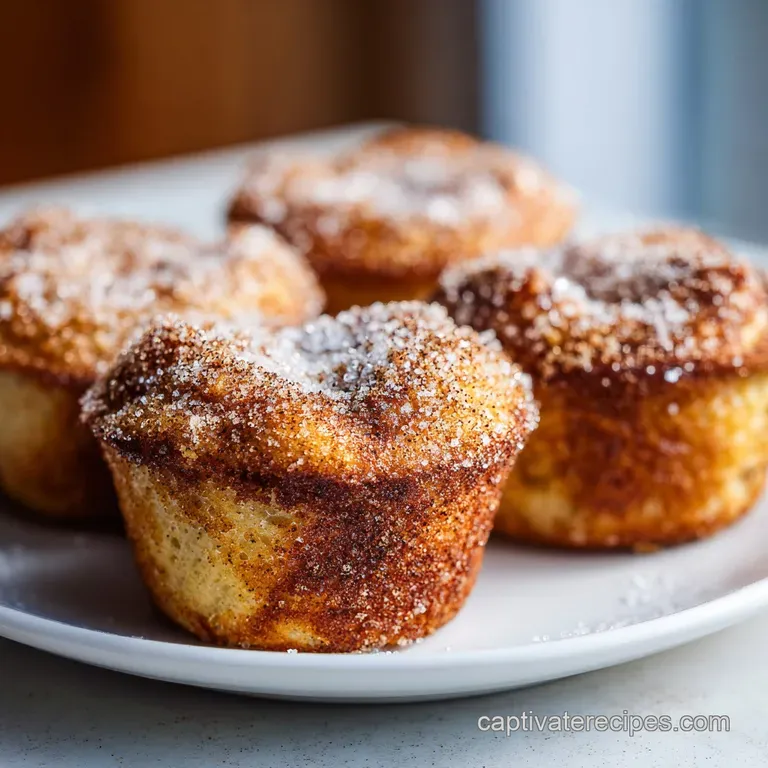
- Flavor/Texture Hook: Buttery brioche with a crackling cinnamon sugar "shield"
- Perfect for: Busy weekday mornings or a stress free weekend brunch prep
- Make the Best French Toast Muffins
- Why These Muffins Actually Work
- Quick Specs and Essential Timing
- The Core Ingredients You Need
- Tools for the Fastest Prep
- Simple Steps for Golden Results
- Fixing Common Muffin Mistakes
- Easy Flavor and Bread Swaps
- Debunking Bread Myths
- Keep Leftovers Fresh and Crispy
- Perfect Pairings for Busy Mornings
- Recipe FAQs
- 📝 Recipe Card
Make the Best French Toast Muffins
Imagine waking up to the smell of warm cinnamon and melting butter hitting a hot oven. That’s the aroma that fills my kitchen every time I whip up these French Toast Muffins.
It’s a sensory trigger that immediately signals "weekend," even if it’s just a Tuesday and I’m rushing to get out the door. The first time I made these, I was skeptical about how a muffin tin could handle the custard without turning the whole thing into a spongy mess, but the result was a revelation of textures.
The real star here is the brioche. I chose it because of its incredible ability to act like a sponge while maintaining enough structure to stay fluffy after baking. I once tried this with cheap white sandwich bread, and let me tell you, it was a disaster.
The bread disintegrated before it even hit the oven, leaving me with a tray of sweet, eggy mush. Brioche has that high egg and butter content built right into the crumb, which means it holds its shape while the edges turn into a beautiful mahogany brown.
We’re going for a specific vibe here: efficient but high-quality. You don't need a standing mixer or any fancy gadgets just a bowl, a whisk, and a muffin tin. We are focusing on functional nourishment that feels indulgent.
This recipe isn't about laboring over a stove flipping individual slices; it’s about prepping quickly so you can fuel your day with something that actually tastes like effort went into it.
Why These Muffins Actually Work
Understanding the mechanics of this bake is what separates a soggy muffin from a great one. We aren't just tossing bread in egg; we are creating a specific structural environment where the bread stays intact while the custard sets.
- Starch Retrogradation: By drying out the bread (either overnight or with a quick toast), we create space in the cell structure for the custard to move in without the bread falling apart.
- The Butter Shield: Topping each muffin with cold butter cubes creates a localized steam effect that keeps the top from burning while the sugar caramelizes into a crispy shell.
- Custard Ratio: Using both whole milk and heavy cream provides enough fat to emulsify the eggs, ensuring a velvety interior that mimics a high end bread pudding.
| Bread Thickness | Internal Temp | Rest Time | Visual Cue |
|---|---|---|---|
| 1 inch cubes | 165°F (74°C) | 3 minutes | Golden mahogany tops |
| 0.5 inch cubes | 165°F (74°C) | 2 minutes | Edges look dark brown |
| Hand torn | 160°F (71°C) | 5 minutes | Center feels bouncy |
The key to that signature "shatter" on the top is the cinnamon sugar mixture. When you sprinkle it over the cold butter, the heat of the oven melts the butter into the sugar, creating a lace like crust. If you’re looking for a similar creamy meets crispy vibe in a larger format, you might enjoy my classic homemade French Toast which uses a similar custard base.
Quick Specs and Essential Timing
To get this right, you need to stick to the numbers. I’ve timed this down to the second because when you’re in a rush, you don't have time for guesswork. The 8 minute soak is the most critical window any less and the center is dry; any more and the bread starts to dissolve.
Timing and Yield Breakdown
The prep takes exactly 10 minutes if you have your bread cubed and ready to go. The bake time is a firm 20 minutes at 375°F (190°C). This specific temperature is higher than most muffin recipes because we want that rapid sear on the exterior.
If you drop it to 350°F, you'll end up with a softer, more cake like texture, which misses the point of the "crispy" promise.
Calorie and Nutrition Facts
Each muffin clocks in at 223 calories, providing a solid balance of 5.3g of protein to keep you full. The 12.6g of fat primarily comes from the heavy cream and butter, which is essential for that luxurious mouthfeel.
It’s a dense, satisfying breakfast that provides enough fuel for a long morning without the sugar crash associated with pancakes.
| Ingredient | Science Role | Pro Secret |
|---|---|---|
| Large Eggs | Protein Binder | Whisk until no streaks remain to avoid "eggy" spots |
| Brioche Bread | Structural Base | Use bread that's at least 2 days old for best absorption |
| Heavy Cream | Fat Emulsifier | Fat prevents the eggs from becoming rubbery in the oven |
| Granulated Sugar | Caramelization | Coarse sugar creates a better "crunch" shield on top |
When selecting your bread, look for a loaf that feels slightly firm. If it’s too soft, the muffins will collapse in the center. I prefer a challah if I can't find brioche, as the high egg content serves the same structural purpose.
The Core Ingredients You Need
This recipe relies on staples you likely already have, but the quality of these components makes a massive difference. Don’t reach for the low-fat milk here; the custard needs the fat to set correctly.
- Brioche or Challah (6 cups): Cubed into 1 inch pieces. Why this? High fat content stays tender even after a over high heat bake.
- Unsalted Butter (2 tbsp melted + 2 tbsp cold): Why this? Melted butter prevents sticking; cold butter creates the crust.
- Large Eggs (4): Why this? The primary binder that turns bread into custard.
- Whole Milk (1 cup): Why this? Provides the hydration needed for the bread to swell.
- Heavy Cream (0.5 cup): Why this? Adds the velvety texture that milk alone can't achieve.
- Granulated Sugar (0.33 cup for custard + 0.25 cup for topping): Why this? Sweetens and aids in the browning process.
- Pure Vanilla Extract (1 tbsp): Why this? Pure vanilla offers a deeper aromatic profile than imitation.
- Ground Cinnamon (1 tsp for custard + 1.5 tsp for topping): Why this? Provides the classic warm spice flavor.
- Fine Sea Salt (0.25 tsp): Why this? Salt balances the sweetness and enhances the vanilla.
| Original Ingredient | Substitute | Why It Works |
|---|---|---|
| Brioche (6 cups) | Sourdough (6 cups) | Note: Much tangier and firmer; requires 12 min soak. |
| Heavy Cream (0.5 cup) | Coconut Cream (0.5 cup) | Adds a tropical note; same fat content for richness. |
| Granulated Sugar | Maple Sugar | Note: Adds a woodsy, caramel flavor to the crust. |
| Unsalted Butter | Coconut Oil (Solid) | High smoke point; works well for the "shield" topping. |
If you decide to swap the brioche for something heartier like sourdough, you'll notice a significant change in the final texture. Sourdough doesn't absorb the custard as quickly, so you'll need to let it sit for a few extra minutes.
It’s a great way to use up crusty bread, but it lacks the "melt in-your mouth" quality of the French Toast Muffins made with brioche.
Tools for the Fastest Prep
Efficiency is the name of the game here. We are using minimal tools to ensure cleanup doesn't take longer than the actual cooking.
- 12 cup Standard Muffin Tin: Use a light colored metal pan if possible; dark pans can burn the bottoms too quickly.
- Large Mixing Bowl: Big enough to toss 6 cups of bread without making a mess.
- Whisk: Essential for getting the eggs and cream fully homogenous.
- Silicone Pastry Brush: For generously coating the muffin cups with melted butter.
- Bread Knife: A serrated blade is non negotiable for cutting brioche without squishing it.
Chef's Note: If you don't have a pastry brush, use a folded paper towel to wipe the melted butter into the cups. Make sure you get the very top rim of each cup, as the sugar topping tends to bubble over and stick right there.
Simple Steps for Golden Results
Follow these steps exactly to ensure your muffins come out with that perfect ratio of soft interior to crispy exterior. Don't rush the soak!
- Prep the Heat: Preheat your oven to 375°F (190°C). Generously brush a 12 cup standard muffin tin with 2 tbsp melted butter. Note: This creates a non stick barrier for the caramelizing sugar.
- Cube the Bread: Cut your brioche into 1 inch cubes and place them in a large bowl. If the bread is very fresh, bake the cubes on a tray for 5 minutes at 350°F to dry them out.
- Whisk the Custard: In a separate bowl, combine 4 eggs, 1 cup milk, 0.5 cup heavy cream, 0.33 cup sugar, 1 tbsp vanilla, 1 tsp cinnamon, and 0.25 tsp salt. Whisk until completely homogenous and no yellow streaks remain.
- The Critical Soak: Pour the custard over the bread cubes and toss gently with a spatula. Let it sit for 8 minutes until the bread looks heavy and slightly translucent.
- Prep the Topping: In a small bowl, mix 0.25 cup sugar and 1.5 tsp cinnamon.
- Load the Tin: Divide the soaked bread evenly among the 12 muffin cups. Pack them in slightly, but don't crush them; you want air pockets for the custard to set.
- Add the Shield: Sprinkle the cinnamon sugar mixture over each muffin. Top each with one of the small cubes of 2 tbsp cold butter.
- Bake to Perfection: Bake for 20 minutes until the tops are golden brown and mahogany colored.
- The Cool Down: Let the muffins rest in the tin for 3 minutes before removing. This allows the custard to finish setting so they don't fall apart.
Fixing Common Muffin Mistakes
Even simple recipes can hit a snag. The most common issue I see is the "soggy bottom" syndrome, which usually happens because of the pan type or the soak time.
Why Your Muffins Are Soggy
If the bottom of your muffin feels wet or collapses, you likely over soaked the bread or used a pan that didn't conduct heat well. Brioche is delicate; if it sits in liquid for 20 minutes before going into the oven, the cellular structure dissolves into a paste. Stick to that 8 minute window!
Why the Top Didn't Crunch
A soft top usually means the oven wasn't hot enough or you skipped the cold butter cubes. That butter is essential it creates a tiny "fry" on the surface of the bread as it melts.
| Problem | Root Cause | Solution |
|---|---|---|
| Sticking to pan | Not enough butter on the rim | Use a pastry brush to coat the top edges of the tin. |
| Rubbery texture | Too many eggs or over mixing | Stick to 4 large eggs and whisk only until just combined. |
| Dry centers | Under soaking the bread | Ensure all cubes are submerged during the 8 minute rest. |
Common Mistakes Checklist
- ✓ Pat the bread cubes into the tin firmly but don't mash them (prevents a dense, leaden muffin).
- ✓ Use cold butter for the topping, not room temperature (ensures a slower melt and crispier crust).
- ✓ Preheat the oven for at least 15 minutes before the muffins go in to ensure 375°F is reached.
- ✓ Don't use a low-fat milk substitute unless you increase the egg count by one.
- ✓ Let the muffins rest for 3 minutes; removing them immediately will cause them to tear.
Easy Flavor and Bread Swaps
If you want to move away from the classic brioche, there are several ways to scale or adapt this recipe. When doubling this recipe for a crowd, keep in mind that you'll need two muffin tins and you should rotate them halfway through the 20 minute bake.
- Scaling Up (24 Muffins): Double all ingredients, but keep the salt to 0.4 tsp. Use two 12 cup tins and swap their rack positions at the 10 minute mark to ensure even browning.
- Scaling Down (6 Muffins): Cut all ingredients in half. For the eggs, beat 2 eggs and use the full amount. Reduce the bake time by about 2-3 minutes.
- Baking Shortcut: If you don't have time to cube bread, you can use "Texas Toast" thick cut bread torn into chunks. The result is slightly more rustic but just as delicious.
| Method | Time | Texture | Best For |
|---|---|---|---|
| Standard Bake | 20 min | Crispy top, silky center | Classic breakfast |
| Convection | 17 min | Very crunchy edges | Speed and texture |
| Toaster Oven | 22 min | Soft and pudding like | Small batches |
If you're looking for a different spin on a baked breakfast, these Baked French Toast Muffins offer a slightly different custard ratio that results in an even silkier interior. For those who want a savory twist using similar tools, my Pizza Muffins Recipe uses a biscuit dough base that is just as fast for busy routines.
Debunking Bread Myths
There’s a common misconception that you must use stale, rock hard bread for French toast. While slightly dry bread is better for absorption, you don't need a loaf that could double as a brick. If your bread is fresh, a 5 minute toast in the oven is all it takes to prep the starches.
Another myth is that you need to soak the bread overnight for the best flavor. While an overnight soak (like in a French baked eggs on toast style dish) can deepen the custard, it often leads to a much denser, heavier muffin. The 8 minute soak provides the perfect balance of hydration and airiness.
Keep Leftovers Fresh and Crispy
These muffins are great for meal prep because they hold up remarkably well. You can store them in an airtight container in the fridge for up to 3 days. To reheat, don't use the microwave unless you want a soggy mess.
Use an air fryer at 350°F for 3 minutes or a toaster oven for 5 minutes to bring back that "shatter" on the sugar crust.
For freezing, wrap each individual muffin in plastic wrap and store them in a freezer bag for up to 2 months. Thaw them overnight in the fridge before reheating in the oven.
Zero Waste Tip: Don't throw away the crumbs at the bottom of the bread bag! Toss those tiny bits into the custard as well. They will dissolve and create a thicker, more "pudding like" texture in the center of the muffins.
If you have leftover crusts, toast them until hard and pulse them in a blender to make sweet cinnamon breadcrumbs for topping yogurt or oatmeal.
Perfect Pairings for Busy Mornings
Serving these is the best part. I love to set them out on a big wooden board with a small bowl of maple syrup for dipping. Because they are handheld, they are the ultimate "on the-go" luxury.
- The Classic Drizzle: A high-quality grade A maple syrup is the obvious choice. The thinness of the syrup cuts through the richness of the brioche beautifully.
- The Protein Side: Serve these with crispy bacon or salty breakfast sausage to balance the sugar.
- Fresh Contrast: A handful of tart raspberries or sliced strawberries provides a bright acidity that wakes up the palate.
If you’re feeling extra, a dollop of Greek yogurt or a smear of lemon curd on the side takes these from a quick breakfast to a gourmet experience. Trust me, once you master the "shield" technique with the cold butter and sugar, you’ll never go back to soggy, pan-fried slices again.
It’s all about that crunch!

Recipe FAQs
Is it true I must use fresh, soft bread for the best results?
No, this is a common misconception. Slightly stale or dried out bread cubes actually absorb the custard better without turning into mush. If your bread is very fresh, bake the cubes on a tray at 375°F for 5 minutes to dry them out first.
How to ensure my muffins develop a crispy, mahogany exterior?
Top each muffin with the cinnamon sugar mixture and a small cube of cold butter before baking. The cold butter acts as a shield against the heat, allowing the sugar to caramelize into a crisp crust rather than burning. If you enjoyed mastering this sugar crust technique, the same principle creates the perfect texture in our easy sugar cookies.
Why did my muffins turn out dense and heavy?
You likely mashed the bread cubes too firmly into the muffin tin. While you should pat the mixture into the cups to ensure they hold their shape, compressing them too much prevents the custard from puffing up during the 20-minute bake time.
How to prevent the muffins from sticking to the pan?
Brush your 12-cup muffin tin generously with melted butter before adding the bread mixture. This creates a reliable non-stick barrier that ensures the caramelized sugar edges release easily after the required 3-minute resting period.
Is it okay to substitute low-fat milk for whole milk?
No, avoid low-fat substitutions unless you add an extra egg to the custard. The high fat content in whole milk and heavy cream is essential for creating a rich, set structure; using thinner dairy results in a soggy, unstable muffin.
How to tell if the muffins are fully cooked inside?
Check for golden brown, mahogany colored tops and a firm center after 20 minutes of baking. The custard should be fully set; if the tops brown too quickly, ensure your oven was preheated for the full 15 minutes to reach an accurate 375°F.
How to handle the muffins once they come out of the oven?
Let the muffins rest in the tin for 3 minutes before removing them. This brief cooldown allows the delicate structure to firm up, preventing the muffins from tearing or falling apart when you lift them out.
Cinnamon Sugar French Toast Muffins
Ingredients:
Instructions:
Nutrition Facts:
| Calories | 223 kcal |
|---|---|
| Protein | 5.3 g |
| Fat | 12.6 g |
| Carbs | 23.1 g |
| Fiber | 0.7 g |
| Sugar | 12.8 g |
| Sodium | 212 mg |
