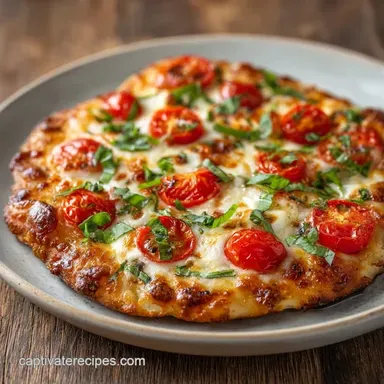
Classic Italian Flatbread Pizza: Crispy and Toasty
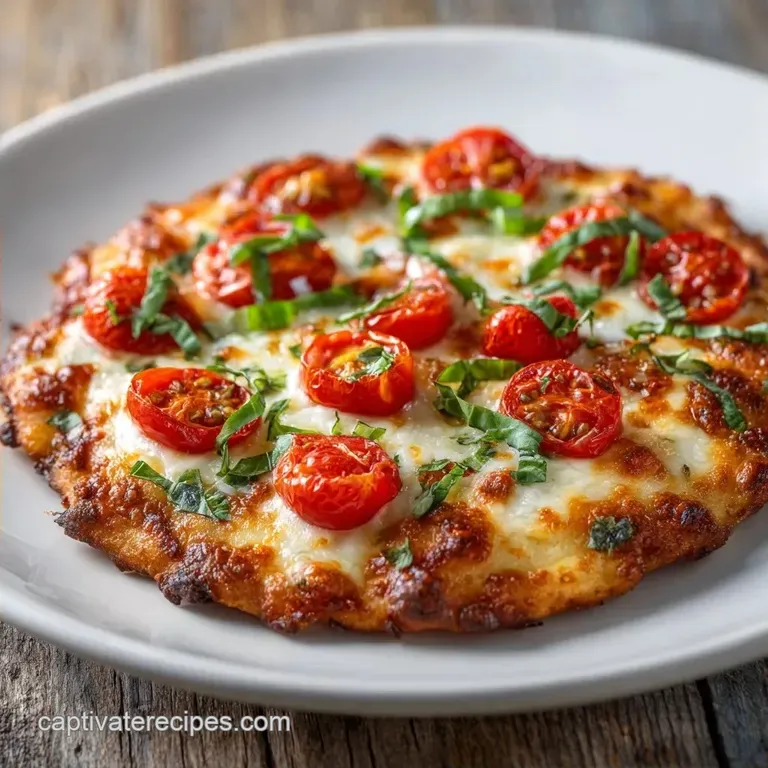
- Time: 15 min active + 45 min rising
- Flavor/Texture Hook: Toasty whole wheat crust with bubbly, browned mozzarella
- Perfect for: Fast weeknight dinners or a vibrant appetizer spread
- Classic Italian Flatbread Pizza
- The Truth About Flatbread Crusts
- What Each Ingredient Does
- Gathering Your Essentials
- The Right Tools
- Making the Pizza
- Troubleshooting Dough and Bake
- Customizing Your Toppings
- Scaling Your Batch
- Dough Beliefs
- Save and Refresh
- What to Serve With
- Critical in Sodium
- Recipe FAQs
- 📝 Recipe Card
Have you ever wondered why restaurant flatbreads have that specific snap, while home versions often feel like soggy tortillas? I spent a few months trying to figure out if it was the oven or the flour. It turns out, the difference is usually just a few minutes of heat before the toppings ever touch the dough.
The smell of toasted wheat and garlic hitting a hot oven is enough to make anyone hungry. When you pull a Classic Italian Flatbread Pizza out, it should have those deep golden edges and a scent that reminds you of a busy street in Naples.
This recipe uses whole wheat pastry flour to keep things light but flavorful. You'll get a crust that feels substantial but doesn't weigh you down. We're going for a bold, fresh vibe here, focusing on high-quality olive oil and bright basil.
Classic Italian Flatbread Pizza
Right then, let's talk about the crust. Most people just throw everything on raw dough and hope for the best. That's where the sogginess comes from. By baking the dough for five minutes alone, you create a barrier that keeps the sauce from soaking in.
I remember the first time I skipped the par bake. The middle of my pizza was basically a steamed dumpling. Now, I never skip it. It makes the Classic Italian Flatbread Pizza actually hold its shape when you pick up a slice.
This version is meant to be quick. We aren't doing a 24 hour cold ferment here. Instead, we use a bit of honey to help the yeast move faster and add a tiny bit of sweetness to balance the salt.
The Truth About Flatbread Crusts
The Par Bake: Baking the dough alone for 5 minutes sets the structure so the sauce doesn't penetrate.
Honey Activation: A teaspoon of honey gives the yeast a quick sugar boost, making the dough rise faster in a shorter window.
Whole Wheat Pastry Flour: This flour has less protein than bread flour, which keeps the crust tender rather than chewy like a bagel.
| Feature | Fresh Dough (This Recipe) | store-bought Shortcut | Impact |
|---|---|---|---|
| Texture | Crispy exterior, airy inside | Often dense or cracker like | Fresh feels more authentic |
| Flavor | Toasty and nutty | Bland or overly salty | Fresh allows bold seasoning |
| Control | Exact thickness | Fixed size/shape | Fresh fits any pan |
What Each Ingredient Does
| Ingredient | What It Does | Best Swap |
|---|---|---|
| Whole Wheat Pastry Flour | Provides a nutty base and structure | All purpose flour (lighter flavor) |
| Active Dry Yeast | Makes the dough rise and bubble | Instant yeast (skip the foaming step) |
| Tomato Puree | Thick, concentrated base | Classic Pomodoro Sauce (more herb forward) |
| Mozzarella | Melts into a bubbly, salty layer | Provolone (sharper taste) |
Gathering Your Essentials
For the dough, you'll need 3/4 cup warm water and 1 tsp honey. You'll also need 2 1/4 tsp active dry yeast. For the base, grab 2 cups whole wheat pastry flour, 2 tbsp olive oil, and 1 tsp sea salt.
For the toppings, have 1/2 cup tomato puree ready. You'll also need 8 oz low moisture mozzarella, shredded. To finish it off, get 1/4 cup fresh basil leaves, 2 cloves minced garlic, and 1/2 tsp dried oregano.
Chef Note: Use low moisture mozzarella. Fresh mozzarella in water is great for some styles, but for a flatbread, it releases too much liquid and ruins the crunch.
The Right Tools
You don't need a fancy pizza stone for this. A standard baking sheet works just fine. I highly recommend using parchment paper, as it makes transferring the dough a breeze.
A rolling pin is helpful for getting that consistent 1/4 inch thickness. If you don't have one, a clean wine bottle works in a pinch. A whisk is also needed for the yeast mixture.
Making the Pizza
- Combine warm water and honey in a bowl. Sprinkle the yeast on top and whisk gently. Let it sit for 5–10 minutes until a thick, creamy foam forms on the surface.
- Stir in the olive oil, salt, and flour. Mix until a shaggy dough forms, then knead on a lightly floured surface for 3–5 minutes until the dough feels smooth and elastic.
- Place the dough in a greased bowl, cover, and let rise in a warm spot for 45 minutes.
- Preheat your oven to 425°F (218°C). Divide the dough into 4 equal portions.
- Roll each piece into a thin oval (about 1/4 inch thick). Place on parchment paper and bake for 5 minutes until the dough is set but not yet browned.
- Remove the par baked crusts. Spread a thin layer of tomato puree, sprinkle with minced garlic and oregano, and top with mozzarella.
- Return to the oven for 8–10 minutes until the cheese is bubbling and the edges are a deep golden brown.
- Garnish with fresh basil immediately after removing from the oven.
Troubleshooting Dough and Bake
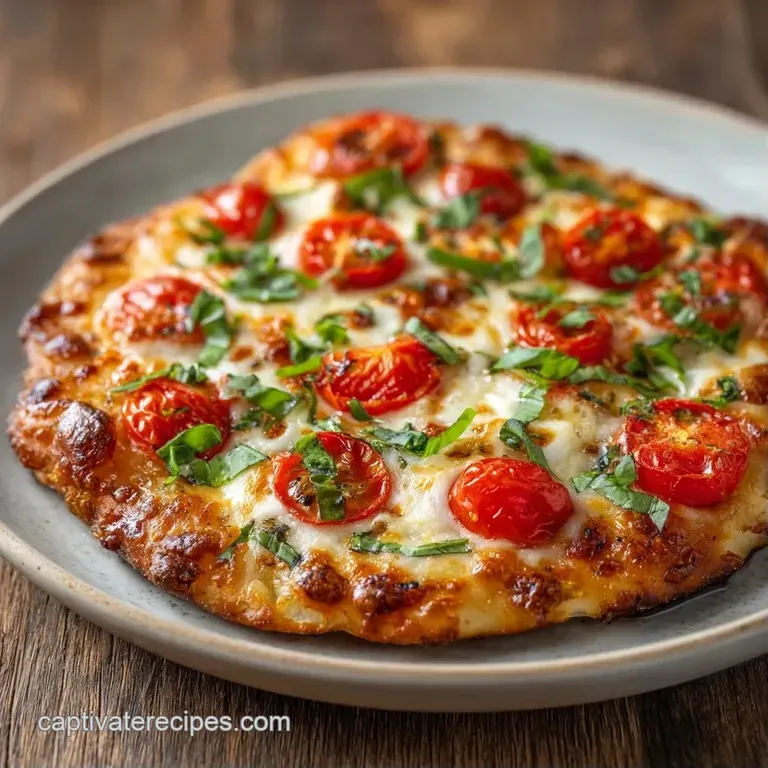
If your dough feels like a sticky mess, you probably have too much moisture. This happens if your kitchen is very humid or if you measured the flour by volume instead of weight. Just sprinkle a bit more flour on your hands and the surface, but don't overdo it or the crust gets tough.
Sogginess is the other big issue. Usually, this means too much sauce or not enough par baking. Keep the puree layer thin. If the cheese is browning too fast but the crust is soft, move the tray to the lower rack.
Why Your Crust Is Soggy
| Problem | Root Cause | Solution |
|---|---|---|
| Wet center | Too much sauce | Use a thin spread of puree |
| Pale edges | Oven temp too low | Verify temp with a thermometer |
| Doughy base | Skipped par bake | Bake 5 mins before topping |
Customizing Your Toppings
Once you've nailed the Classic Italian Flatbread Pizza base, you can get wild with the toppings. I love adding thinly sliced red onions and kalamata olives for a salty punch. If you want something more vibrant, try roasted red peppers and a drizzle of honey after baking.
For those who want a different base, you can use my Easy Pizza Sauce if you prefer something a bit more seasoned than plain puree. Just remember to keep the layer thin to preserve the crunch.
If you're feeling fancy, swap the mozzarella for goat cheese and top with caramelized onions and arugula. The tang of the goat cheese pairs brilliantly with the nuttiness of the whole wheat pastry flour.
Scaling Your Batch
If you're making this for a crowd, doubling the recipe is easy. Just be careful with the yeast and salt. I usually only increase those to 1.5x when doubling the flour, as too much yeast can make the dough taste like a brewery.
For a single serving, cut everything in half. You'll end up with 2 small flatbreads. Since the mass is smaller, the dough might rise slightly faster, so keep an eye on it around the 30 minute mark.
When baking multiple trays, don't crowd your oven. Give them space for the air to circulate, otherwise, the bottoms won't crisp up. You might need to add 2 minutes to the final bake time.
Dough Beliefs
Some people think you have to knead dough for 10 minutes to get a good rise. That's not true for flatbreads. We want a lighter structure, so 3-5 minutes of kneading is plenty. Over kneading makes it too chewy.
Another myth is that you need a 500 degree oven for a crisp crust. While high heat helps, 425°F is more than enough if you use the par bake method. It gives the cheese time to melt without burning the edges.
Save and Refresh
You can keep the uncooked dough in the fridge for up to 3 days. Just put it in an airtight container. When you're ready to use it, let it come to room temperature for 20 minutes before rolling it out.
For the cooked pizza, the fridge is your friend for about 4 days. To reheat, avoid the microwave at all costs. It turns the crust into rubber. Instead, put the slices in a 350°F oven for 5 minutes or toss them in a dry skillet over medium heat.
To avoid waste, use any leftover tomato puree to make a quick dipping sauce for veggie sticks. If you have extra basil, blend it with olive oil and a pinch of salt for a fresh pesto that lasts a week.
What to Serve With
A Classic Italian Flatbread Pizza is bold, so it needs something fresh to balance it out. A simple arugula salad with lemon vinaigrette is my go to. The bitterness of the greens cuts through the richness of the mozzarella.
If you want a heartier side, try a Southern Pea Salad for a bit of a fusion twist, or keep it traditional with some marinated olives and artichoke hearts.
For a drink, a crisp sparkling water with a lime wedge or a light red wine works best. The acidity helps cleanse the palate between those cheesy, garlicky bites.
Critical in Sodium
1180 mg 1,180 mg of sodium per serving (51% 51% of daily value)
The American Heart Association recommends a daily sodium limit of 2,300mg, with an ideal limit of 1,500mg for most adults to reduce the risk of heart disease and stroke.
Tips to Reduce Sodium
-
Reduce Added Salt-25%
Cut the sea salt in half or replace it with a salt free seasoning blend to significantly lower the primary sodium source.
-
Switch Tomato Puree-20%
Use a no-salt added tomato puree to eliminate the hidden sodium typically found in canned tomato products.
-
Swap the Cheese-15%
Substitute low-moisture mozzarella with fresh mozzarella or a low-sodium variety to reduce processed salt intake.
-
Enhance with Aromatics
Increase the amount of fresh basil, minced garlic, and dried oregano to provide a punch of flavor that compensates for less salt.
Recipe FAQs
How do flatbread and pizza differ?
Flatbreads are typically thinner and less leavened. They use a simpler dough process and result in a crispier, more cracker like texture than a traditional puffy pizza crust.
What does a flatbread pizza have on it?
It features a thin layer of tomato puree, mozzarella, garlic, and oregano. Fresh basil is added as a garnish after baking to maintain its bright color and aroma.
Can you use pita bread as a pizza base?
Yes, pita is a great shortcut. Since pita is already baked, it eliminates the need for the dough making and par-baking steps required for this recipe.
How to prevent the flatbread crust from getting soggy?
Par-bake the rolled dough for 5 minutes before adding toppings. Keep the tomato puree layer thin and ensure the oven is fully preheated to 425°F to crisp the bottom.
What should I add to pizza dough for more flavor?
Incorporate honey and sea salt. The honey helps the yeast bloom while adding a subtle sweetness that balances the savory notes of the whole wheat pastry flour.
Is it true that flatbread pizza doesn't need to be par-baked?
No, this is a common misconception. Skipping the initial 5-minute bake often leads to a soft, soggy center once the sauce and cheese are added.
How to make the dough smooth and elastic?
Knead on a lightly floured surface for 3 5 minutes. If you enjoyed mastering the dough handling here, see how the same principle of texture control works in our homemade burger patty recipe.
Classic Italian Flatbread Pizza