Snickerdoodle Cookies: Soft and Chewy

- Time: Active 15 minutes, Passive 10 minutes, Total 25 minutes
- Flavor/Texture Hook: Shatter crisp edges with velvety centers
- Perfect for: Holiday gift boxes and cozy weekend baking
- Bake Perfect Chewy Snickerdoodle Cookies
- Quick Recipe Specs Summary
- Ingredients for Artisanal Results
- Essential Tools for Success
- Simple Steps for Best Results
- Solve Common Baking Mishaps
- Smart Flavor and Diet Swaps
- Preserving That Fresh Texture
- Plating and Pairing Ideas
- Cookie Myths Debunked
- Recipe FAQs
- 📝 Recipe Card
Bake Perfect Chewy Snickerdoodle Cookies
There is nothing quite as disappointing as biting into a cookie that looks like a Snickerdoodle but tastes like a dry, dusty sponge. I remember one specific winter afternoon where my kitchen was covered in cinnamon, but the cookies coming out of the oven were puffy, cakey pucks.
They lacked that iconic "zing" and the edges were soft rather than crisp. I realized then that most recipes treat this dough like a standard sugar cookie, which is a massive mistake.
To get that artisanal finish, you need to understand the relationship between temperature and the leavening agent. This isn't just a cookie, it's a study in textures. If your oven isn't hot enough, the cookies will just sit there and bake into a bready mound.
If you don't cream the butter long enough, you lose that signature crackle on top. We're looking for a specific visual: a golden, craggy surface that looks like parched earth in a beautiful, sugary desert.
The joy of these Snickerdoodle Cookies lies in that first bite where the cinnamon sugar hits your tongue, followed by the slight acidic tang of the cream of tartar. It’s a nostalgic flavor that feels sophisticated when executed with the right technique. Forget those flat, greasy versions you see at bake sales.
We are going for a soft baked snickerdoodle cookies experience that feels like it came from a high end bakery.
Quick Recipe Specs Summary
High Heat Impact: The 400°F (200°C) oven temperature is the secret to success here. Most cookies bake at 350°F, but that extra heat causes the edges to set almost instantly while the center remains underdone and tender.
Texture Control: By creaming the butter and sugar for a full 3 minutes, we are physically beating air into the fat. This creates a scaffolding of tiny bubbles that expand quickly in the hot oven, giving us that legendary lift and subsequent collapse that creates the "crackle."
The Tang Factor: Cream of tartar does more than just help the rise. It prevents the sugar in the dough from crystallizing, which is exactly why these stay chewy for days instead of turning into hard crackers.
| Thickness | Internal Temp | Rest Time | Visual Cue |
|---|---|---|---|
| 0.5 inch | 175°F | 5 mins | Edges set, center slightly soft |
| 0.75 inch | 180°F | 8 mins | Deep cracks on the surface |
| 1 inch | 185°F | 10 mins | Golden brown bottom edges |
This quick decision table helps you gauge exactly when to pull these out. Remember, the cookies will continue to firm up as they cool on the hot baking sheet, so "looking" done in the center actually means they are overbaked.
You want them to look just a tiny bit pale in the middle when you hit that 10 minutes mark.
Ingredients for Artisanal Results
Choosing the right components for this easy homemade snickerdoodle cookies project makes a world of difference. Don't just grab whatever is in the pantry; look for fresh spices and quality fats.
The cinnamon should smell sharp and sweet the moment you open the jar, and your butter should be soft enough to leave an indentation when pressed, but not so warm that it looks greasy or melted.
| Ingredient | Science Role | Pro Secret |
|---|---|---|
| Cream of Tartar | Inhibits sugar crystals | Sift it with flour to avoid clumps |
| Unsalted Butter | Provides structure and fat | Use high fat European style if possible |
| Large Eggs | Emulsifies the dough | Must be room temp to bond with butter |
When you use room temperature eggs, they blend seamlessly into the creamed butter. If they are cold, they will seize the fat, resulting in a curdled look that prevents the dough from aerating properly. This is the difference between a "fine" cookie and a showstopper.
If you find yourself running low on ingredients, you might consider how this dough compares to others. While these are unique, sometimes I find that a Chewy Monster Cookies recipe is a fun alternative if you want more "bits" like chocolate and oats, though it lacks the refined simplicity of the cinnamon sugar coating we are making today.
Essential Tools for Success
You don't need a professional kitchen, but a few specific tools will ensure these Snickerdoodle Cookies turn out identical every time. A stand mixer is your best friend here because hand creaming butter for 3 minutes is a serious workout that most people shortcut.
The mechanical power of a mixer ensures the aeration is consistent from the first batch to the last.
- Parchment Paper: Essential for even browning. Silicone mats can sometimes make the bottoms too dark or "fried" because they hold onto heat differently than paper.
- Cookie Scoop: A 1.5 tablespoon scoop ensures every cookie is the same size, which means they all finish baking at exactly the 10 minutes mark.
- Fine Mesh Sieve: I use this to whisk my dry ingredients. It breaks up any lumps in the cream of tartar, which can sometimes leave bitter "pockets" in the finished cookie.
- Wire Cooling Rack: If you leave the cookies on the hot pan too long, the bottoms will get tough. Move them to the rack after 5 minutes to let air circulate.
Right then, let's talk about the cinnamon. If you can find Saigon cinnamon, use it. It has a higher volatile oil content, which means the aroma while these bake will be absolutely intoxicating. It turns a simple kitchen into an artisanal bakery instantly.
Simple Steps for Best Results
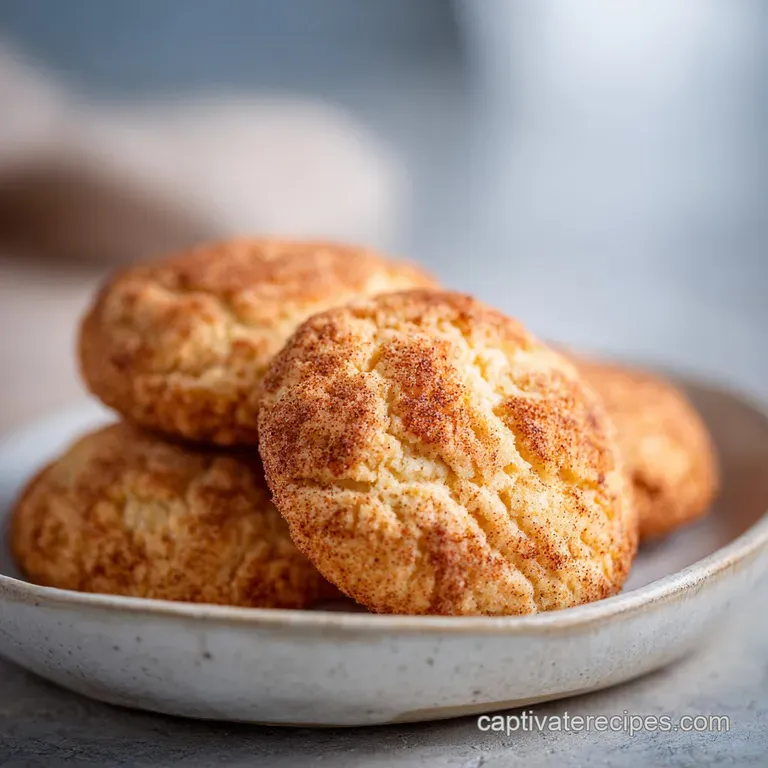
- Preheat your oven to 400°F (200°C). Cream 1 cup softened unsalted butter and 1.5 cups granulated sugar for 3 full minutes. Note: The mixture should look like pale, fluffy clouds.
- Beat in 2 large room temperature eggs one at a time, then add 1 tablespoon pure vanilla extract. Keep mixing until the volume increases slightly.
- Whisk together 2.75 cups all purpose flour, 2 teaspoons cream of tartar, 1 teaspoon baking soda, and 0.5 teaspoon fine sea salt in a separate bowl.
- Turn the mixer to the lowest setting and add the flour mixture. Stop as soon as the white streaks vanish.
- Combine 1/4 cup granulated sugar and 2 tablespoons ground cinnamon in a small bowl.
- Scoop 1.5 tablespoons of dough and roll into a smooth ball between your palms.
- Roll the ball thoroughly in the cinnamon sugar mixture until heavily coated. Apply a second coat for extra crunch.
- Place on parchment lined sheets, spaced 2 inches apart.
- Bake for 10 minutes until the edges are set and the tops have "shattered" into cracks.
- Cool on the pan for 5 minutes before transferring to a wire rack.
This classic snickerdoodle recipe with cream of tartar relies heavily on that creaming step. If you cut it short, the cookies won't spread or crackle correctly. I've made the mistake of rushing this when I'm hungry, and the results are always noticeably flatter and less velvety.
Trust the timer and give it the full 180 seconds of whipping.
But what about the dough temperature? If your kitchen is very warm, the dough might feel sticky. If that happens, pop it in the fridge for just 10 minutes before rolling.
This makes the balls easier to handle and prevents the butter from melting too fast once it hits that 400°F oven.
If you are a fan of traditional textures but want something a bit more delicate, you might also enjoy making Soft Buttery Thumbprint Cookies. They share that same rich, buttery base but offer a fruit filled contrast to the spiced warmth of the cinnamon sugar we are using here.
Solve Common Baking Mishaps
Even with the best intentions, things can go sideways. The most frequent complaint I hear is that the cookies came out flat and greasy. This is almost always a temperature issue. Either the butter was too soft (almost melting) or the oven wasn't actually at 400°F when the trays went in.
Why Your Cookies Stay Flat
If your cookies look like puddles, your butter was likely over softened. It should be "cool room temperature" about 65°F. Another culprit is over mixing the flour. Once the flour goes in, you want to be as gentle as possible.
Over working the dough develops gluten, which can actually cause the cookies to puff up and then toughly collapse.
| Problem | Root Cause | Solution |
|---|---|---|
| Puffy/Cakey | Too much flour or cold eggs | Measure flour by weight; use room temp eggs |
| Metallic Taste | Unmixed cream of tartar | Whisk or sift dry ingredients thoroughly |
| No Crackle | Oven temp too low | Use an oven thermometer to verify 400°F |
The "metallic" taste is a classic Snickerdoodle hurdle. Because cream of tartar is an acid, if it isn't distributed perfectly, you get little zingy hotspots that taste like tin. Sifting it with the flour and baking soda is the only way to guarantee a smooth, artisanal flavor profile in every single bite.
- ✓ Always use an oven thermometer to verify the 400°F setting.
- ✓ Measure flour by spooning it into the cup and leveling it off.
- ✓ Ensure your baking soda is fresh by testing a pinch in vinegar.
- ✓ Don't skip the 3 minute creaming time for the butter and sugar.
- ✓ Space cookies at least 2 inches apart to allow for heat circulation.
Smart Flavor and Diet Swaps
While the best chewy snickerdoodle cookies recipe usually stays true to the classic ingredients, there are times you need to pivot. Whether you are out of cream of tartar or looking for a slightly different flavor, these swaps are tested and reliable.
Just keep in mind that changing the acid will slightly alter the "zing" that Snickerdoodles are famous for.
| Original Ingredient | Substitute | Why It Works |
|---|---|---|
| Cream of Tartar (2 tsp) | Lemon Juice (2 tsp) | Provides the necessary acid for the rise. Note: Texture will be slightly softer. |
| Unsalted Butter (1 cup) | Virgin Coconut Oil (1 cup) | High fat content. Note: Adds a subtle tropical scent and crisper edges. |
| All Purpose Flour | 1:1 gluten-free Blend | Rice based blends mimic the structure well. Note: May need 5 mins extra rest time. |
For those looking for snickerdoodle cookies without cream of tartar, the lemon juice or even white vinegar can work, but you lose that specific "dry" tang. If you go that route, add the liquid acid to the eggs rather than the dry ingredients to ensure it incorporates without making the flour clump.
If you want a quick snickerdoodle cookies from scratch experience but want to change the spice, try swapping the cinnamon for cardamom or a pumpkin pie spice blend. It keeps the "spirit" of the cookie while giving it a holiday themed makeover that is always a showstopper at parties.
Preserving That Fresh Texture
These cookies are best enjoyed within the first 48 hours, but they are surprisingly hardy. Because of the sugar coating and the acidity from the cream of tartar, they retain moisture better than your average sugar cookie.
I’ve found that placing a small piece of plain white bread in the storage container helps keep them soft for up to a week. The cookies will pull moisture from the bread rather than drying out.
Proper Room Temperature Storage
Keep your Snickerdoodle Cookies in an airtight container at room temperature. Avoid the fridge, as the cold air will crystallize the fats and make the cookies feel hard and waxy. If they do get a bit stale, a 5 second zap in the microwave will revive that "fresh from the oven" velvety center beautifully.
| Method | Duration | Best For |
|---|---|---|
| Countertop | 5-7 days | Daily snacking |
| Freezer (Dough) | 3 months | Emergency baking |
| Freezer (Baked) | 2 months | Gift prep |
For zero waste, if you have leftover cinnamon sugar, don't throw it away! It’s incredible on buttered toast, stirred into oatmeal, or used to sweeten your morning coffee. Any broken cookie crumbs make an amazing " artisanal" crust for a cheesecake or a topping for vanilla bean ice cream.
Plating and Pairing Ideas
Serving these cookies is all about the contrast. Since they are quite sweet and spiced, they pair beautifully with something slightly bitter or creamy. A dark roast coffee or a strong Earl Grey tea cuts through the sugar perfectly.
For a real joy filled treat, serve them slightly warm with a cold glass of whole milk it's a classic for a reason.
If you are hosting a dinner, you can turn these into a quick dessert by sandwiching a scoop of salted caramel ice cream between two cookies. The cinnamon and caramel are a match made in heaven.
I also love to stack them on a wooden board with some fresh apple slices; the acidity of the fruit cleanses the palate between bites of the rich, buttery cookie.
When it comes to holiday gifting, these are the best holiday snickerdoodle cookie recipe because they are sturdy enough to be stacked in tins without shattering. Just make sure to put a piece of parchment between layers to keep the cinnamon sugar from rubbing off.
They look absolutely beautiful tied with a simple twine and a sprig of fresh rosemary for a rustic, artisanal look.
Cookie Myths Debunked
One common myth is that you can just use "self rising flour" and skip the cream of tartar. This is false. Self rising flour contains baking powder, which is a different chemical balance. You will end up with a puffy, bland cookie that lacks the signature "chew" and tang.
Stick to the classic recipe for the most authentic results.
Another misconception is that chilling the dough for hours makes it better. For this specific over high heat recipe, we actually want the dough to be somewhat soft when it hits the oven. Chilling it for too long prevents the rapid spread that creates the crackled top.
A 10 minute rest is fine, but overnight chilling will result in a thicker, less "shattered" cookie.
Finally, people often think that more cinnamon in the dough is better. In reality, the cinnamon belongs on the outside. Putting too much inside the dough can actually interfere with the proteins in the flour and make the cookies tough.
Let the coating do the heavy lifting for that spice forward flavor profile we all love.

Recipe FAQs
What is the secret ingredient in snickerdoodle cookies?
Cream of tartar is the essential secret. This acidic ingredient provides the signature tangy flavor and reacts with the baking soda to create the distinct, pillowy lift that defines a true snickerdoodle.
What is the secret to soft snickerdoodles?
Pull them from the oven while the centers are still soft. Baking for exactly 10 minutes at 400°F ensures the edges set into a crisp, cinnamon dusted shell while the interior retains a velvety texture.
Why do snickerdoodles need cream of tartar?
It creates the necessary acidic environment for the leavening process. Without this specific acid, the cookies will lack their characteristic chew and will not develop the iconic craggy, cracked surface texture.
What makes a good snickerdoodle cookie?
A perfect balance of a shatter crisp exterior and a tangy, soft heart. If you enjoyed mastering the aeration method here, the same principle of controlling fat and sugar structure applies to our soft peanut butter cookies to achieve an ideal crumb.
How to ensure the cookies have a signature crackled top?
Cream the butter and sugar for a full three minutes. This aeration process creates the tiny air pockets needed to expand rapidly in the 400°F oven, resulting in that beautiful, earth like cracked surface.
Can I bake these at a lower temperature to prevent burning?
No, the high heat is required for the proper texture. Using the specified 400°F oven temperature is critical to flash setting the edges before the center dries out, which keeps the interior soft.
Is it true that I should skip chilling the dough?
Yes, this is correct for this specific recipe. Because we rely on the immediate reaction between the cream of tartar and the high heat of the oven, this dough is designed to be rolled and baked immediately after mixing.
Classic Snickerdoodle Cookies
Ingredients:
Instructions:
Nutrition Facts:
| Calories | 186 calories |
|---|---|
| Protein | 2.0 g |
| Fat | 8.2 g |
| Carbs | 26.4 g |
| Fiber | 0.7 g |
| Sugar | 14.6 g |
| Sodium | 103 mg |
