Creamy Butternut Squash Pasta: Silky and Roasted
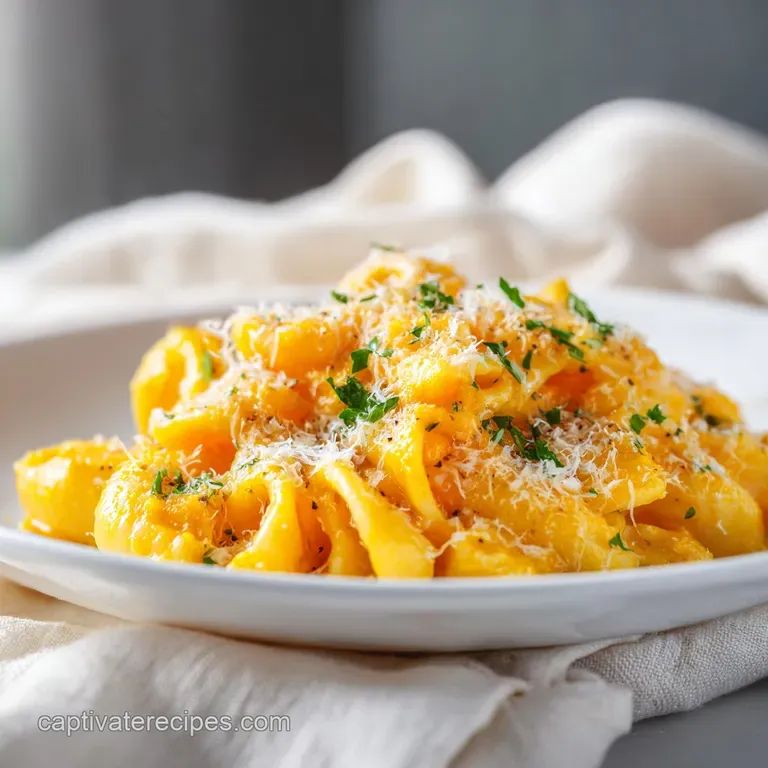
- Time: Active 15 minutes, Passive 45 minutes, Total 1 hour
- Flavor/Texture Hook: Silky, nutty, and vibrant with a shatter crisp sage finish.
- Perfect for: A reliable weeknight comfort meal that feels like a special occasion.
- The Secret to a Deeply Roasted Creamy Butternut Squash Pasta
- Understanding the Timeline for Your Perfect Golden Sauce
- Everything Required for This Silky and Velvety Autumn Bowl
- Selecting Your Elements for the Best Results
- Minimal Kitchen Tools for a Reliable and Simple Pasta Dinner
- Step by Step Instructions for Mastering This Reliable Weeknight Meal
- How to Keep Your Creamy Sauce from Breaking or Separating
- Flexible Ways to Customize Your Butternut Squash Pasta Recipe
- Smart Ways to Preserve and Restore That Fresh Silky Texture
- Reliable Guidelines for Adjusting the Batch Size
- Debunking Common Squash and Pasta Misconceptions
- What to Serve Alongside Your Cheesy Butternut Squash Pasta
- Recipe FAQs
- 📝 Recipe Card
The Secret to a Deeply Roasted Creamy Butternut Squash Pasta
Have you ever wondered why some squash dishes taste like a vibrant, savory hug while others just feel like watered down baby food? It usually comes down to how much water you can kick out of the vegetable before it ever touches the pasta.
Most people boil or steam their squash, which is the fastest way to end up with a bland, soggy mess. We want the opposite of that. We want concentrated, nutty sweetness that only happens when the natural sugars in the squash meet the intense heat of a 400°F oven.
The smell of this dish cooking is honestly the best part of a cold Tuesday evening. It starts with that earthy, sweet aroma of the squash hitting the heat, but then the roasted garlic joins in, and suddenly the whole kitchen smells like a high end bistro.
I remember the first time I made this for a group of friends who claimed they didn't even like "vegetable sauces." They were literally scraping the bottom of the pan with crusty bread because the sauce is so rich and savory that you almost forget there is a whole two pound squash hidden inside.
This isn't just about mixing a puree with noodles; it's about building layers of flavor that actually work together. We're talking about the sharpness of the shallots, the warmth of freshly grated nutmeg, and the brightness of a squeeze of lemon juice at the very end.
It's a reliable, simple process that yields a result so silky you'll want to put it on everything. If you've been looking for a way to make vegetables feel indulgent without a mountain of effort, this creamy butternut squash pasta is exactly what you need.
Understanding the Timeline for Your Perfect Golden Sauce
Before we get into the nitty gritty of the ingredients, let's talk about why this specific method works. It’s all about heat management and moisture control. When we roast the squash at a high temperature, we aren't just softening it; we are triggering a transformation where the exterior of each cube gets those little charred, mahogany edges.
That char is where the deep flavor lives.
- Roasting Intensity: High heat evaporates the excess water in the squash, concentrating its natural flavor and creating a thicker, more stable puree that won't separate.
- Garlic Insulation: Leaving the skins on the garlic cloves while roasting protects the delicate flesh from burning, allowing it to turn into a sweet, spreadable paste rather than a bitter, acrid mess.
- Starchy Bridge: Using the reserved pasta water is non negotiable because the starch acts as a binder between the fat in the cream and the water in the sauce, resulting in a velvety finish that never looks greasy.
- Fat Emulsification: Adding the cold butter and cheese at the very end off heat ensures the sauce stays smooth and glossy instead of clumping or becoming grainy.
| Method | Total Time | Texture | Flavor Profile |
|---|---|---|---|
| oven-roasted | 1 hour | Velvety and thick | Deep, caramelized, and nutty |
| Stovetop Simmered | 40 minutes | Thinner and soup like | Bright, vegetal, and mild |
| Pressure Cooker | 25 minutes | Soft and chunky | Sweet but lacks depth |
The oven-roasted method is the clear winner for anyone wanting that signature restaurant style richness. While it takes a bit longer, nearly all of that time is passive, meaning you can put your feet up while the oven does the heavy lifting.
The stovetop method is a fine backup if you’re in a rush, but you’ll miss those charred edges that make the sauce so complex.
Everything Required for This Silky and Velvety Autumn Bowl
Picking the right squash is the first step toward success. You want a butternut squash that feels heavy for its size with a matte skin. If the skin is shiny, it was likely picked too early and won't be as sweet. I usually look for one that weighs right around 2 lbs to ensure I have enough for a full pound of pasta.
This dish is forgiving, but using fresh ingredients like a whole shallot and real cloves of garlic makes a world of difference compared to using powders.
| Ingredient | Science Role | Pro Secret |
|---|---|---|
| Butternut Squash | Provides the base structure and natural thickener. | Smaller squashes often have more concentrated flavor than massive ones. |
| Heavy Cream | Softens the vegetable fiber and adds a rich mouthfeel. | Don't swap for milk; the high fat prevents curdling when mixed with lemon. |
| Starchy Pasta Water | Acts as a glue to bond the sauce to the pasta. | Scoop it out 2 minutes before the pasta is done for maximum starch. |
| Fresh Sage | Adds an aromatic, earthy counterpoint to the sweetness. | Frying them in butter makes them "shatter" and removes the fuzzy texture. |
When you're gathering your supplies, don't overlook the nutmeg. It's one of those "hidden" ingredients that you can't quite identify, but you'd definitely notice if it was missing. It bridges the gap between the sweet squash and the savory parmesan perfectly. This dish also pairs well with a side of swirled garlic herb cheese bread to soak up every last drop of that golden sauce.
Selecting Your Elements for the Best Results
Here is the full breakdown of what you'll need. Each ingredient plays a specific role in creating that final, glossy bowl of pasta.
- 1 medium butternut squash (approx. 2 lbs / 900g): Peeled and cubed into 1 inch pieces. Why this? The 1 inch size ensures even roasting and quick blending.
- 1 large shallot: Halved. Why this? Shallots offer a more delicate, sweet onion flavor that doesn't overpower.
- 4 cloves garlic: Skin on. Why this? Roasting in the skin keeps the garlic creamy and sweet.
- 2 tbsp Extra virgin olive oil: For roasting the vegetables.
- 1 tsp Kosher salt: Essential for drawing out moisture during roasting.
- 0.5 tsp Cracked black pepper: Adds a subtle heat.
- 1 cup Heavy cream: The key to a truly decadent, velvety sauce.
- 0.5 cup Reserved starchy pasta water: This is your secret weapon for emulsification.
- 0.25 tsp Freshly grated nutmeg: Just a pinch for that classic autumn warmth.
- 1 tbsp Fresh lemon juice: Cuts through the richness and brightens the squash.
- 2 tbsp Unsalted butter: To create the brown butter sage base.
- 1 lb short cut pasta: Such as Rigatoni or Campanelle. Why this? These shapes have ridges and holes to trap the sauce.
- 0.5 cup Freshly grated Parmigiano Reggiano: Or Pecorino for a saltier kick.
- 10 fresh sage leaves: For that essential earthy aroma.
- 0.25 tsp Red pepper flakes (optional): For those who like a tiny bit of zing.
| Original Ingredient | Substitute | Why It Works |
|---|---|---|
| Heavy Cream | Full fat Coconut Milk | Similar fat content. Note: Adds a slight tropical, nutty sweetness. |
| Shallot | Small Red Onion | Provides a similar sharp to sweet transition when roasted. |
| Fresh Sage | Fresh Thyme | Offers an earthy, floral note that complements roasted vegetables well. |
If you're in the mood for more comfort after trying this, you should also check out this creamy beef pasta which uses a similar emulsification technique to keep things smooth and satisfying.
Minimal Kitchen Tools for a Reliable and Simple Pasta Dinner
You don't need a kitchen full of gadgets to make this happen. In fact, keeping it simple usually leads to better results because you're more focused on the textures in the pan.
- Large Rimmed Baking Sheet: Vital for spreading out the squash so it roasts rather than steams.
- High Speed Blender: This is what gives the sauce its "velvety" texture. A food processor works in a pinch, but won't be as smooth.
- Wide Skillet or Saucier: You want a pan with a large surface area for tossing the pasta and sauce together.
- Large Pot: For boiling the pasta with plenty of salted water.
- Microplane: For grating the fresh nutmeg and parmesan cheese.
I personally prefer using a high speed blender like a Vitamix because it can handle the dense squash and turn it into something that feels like silk. If you only have a food processor, you might need to run it for a few extra minutes and maybe add a splash more cream to help it along.
The goal is to eliminate every single lump.
step-by-step Instructions for Mastering This Reliable Weeknight Meal
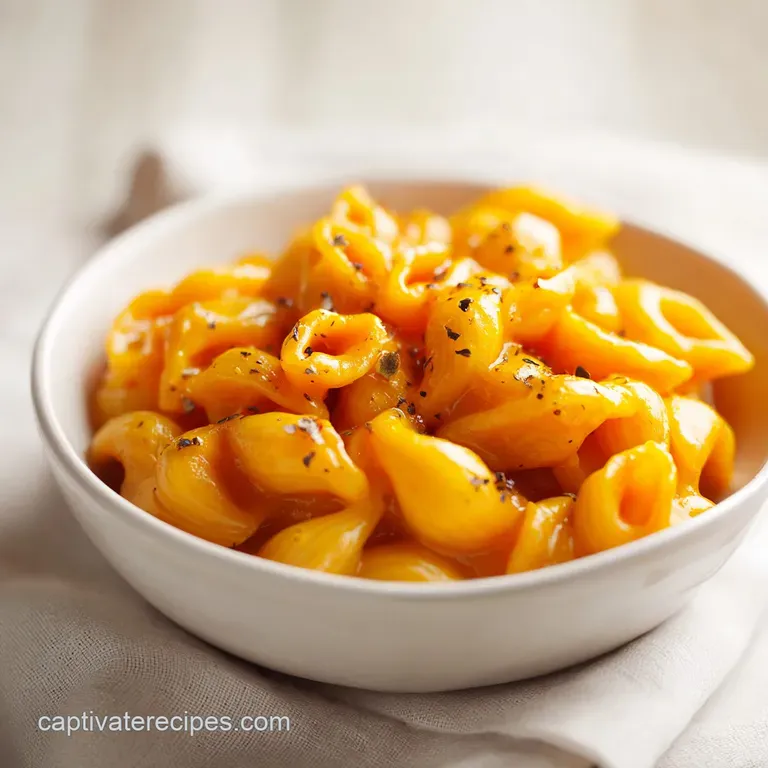
- Prep and Roast: Preheat your oven to 400°F (200°C). On your large rimmed baking sheet, toss the 1 inch cubed butternut squash, halved shallot, and the 4 whole garlic cloves (still in their skins) with the olive oil, salt, and pepper. Spread them in a single layer. Note: Overcrowding the pan causes steaming, which prevents those tasty charred edges.
- Wait for the Char: Roast for 30–35 minutes. You are looking for the squash to be fork tender and the edges to be deeply charred and mahogany colored. Remove the pan from the oven and let the veggies cool for about 5 minutes so you can handle them.
- Boil the Pasta: While the squash roasts, bring a large pot of heavily salted water to a boil. Add the 1 lb of pasta and cook until it is al dente. Important: Scoop out at least 1 cup of starchy pasta water before you drain the noodles.
- Extract the Flavor: Take the roasted garlic cloves and squeeze them out of their skins directly into the blender. The garlic should be soft like butter. Discard the papery skins.
- Create the Puree: Add the roasted squash, shallots, 1 cup of heavy cream, 0.25 tsp nutmeg, and 1 tbsp lemon juice to the blender. Blend on high until the mixture is completely smooth and glossy.
- Brown the Butter: In your wide skillet over medium heat, melt the 2 tbsp of unsalted butter. Keep cooking it, swirling occasionally, until it stops foaming and starts to smell nutty and turn a light brown color.
- Crisp the Sage: Drop the 10 sage leaves into the brown butter. Fry them for about 30 seconds until they are dark green and crisp. Use a fork to remove them and set them on a paper towel if you want them as a garnish, or leave them in for extra flavor.
- Combine the Sauce: Lower the heat to medium low and pour that golden squash puree into the skillet with the butter. It will sizzle slightly as it hits the pan.
- The Big Toss: Add the cooked pasta and 0.5 cup of the reserved pasta water to the skillet. Use tongs or a sturdy spoon to toss everything vigorously.
- Final Emulsion: Stir in the 0.5 cup of Parmigiano Reggiano. Continue tossing for 1–2 minutes until the sauce thickens and clings to every piece of pasta. If it looks too thick, add a splash more pasta water. Serve immediately with the crispy sage on top.
How to Keep Your Creamy Sauce from Breaking or Separating
Even the best cooks run into a few snags. The most common issue with any vegetable based cream sauce is texture. If your sauce feels gritty or starts to look like it's oily and separated, don't panic. Usually, it's just a matter of temperature or liquid balance.
Why Your Squash Sauce Feels Gritty
If the sauce isn't perfectly smooth, it usually means the squash wasn't roasted long enough or the blender didn't have enough liquid to create a proper vortex. To fix this, you can pass the puree through a fine mesh sieve before adding it to the skillet.
Next time, ensure those squash cubes are soft enough to mash with a fork before they leave the oven.
Rescuing a Broken or Oily Sauce
A "broken" sauce happens when the fat separates from the liquid. This often occurs if the skillet is too hot when you add the cheese. The solution is simple: add a tablespoon of pasta water and whisk vigorously over low heat.
The starch in that water acts as a stabilizer to pull the sauce back together into a silky emulsion.
| Problem | Root Cause | Solution |
|---|---|---|
| Sauce is too thick | Squash was very dry or pasta absorbed too much liquid. | Whisk in more reserved pasta water 1 tbsp at a time. |
| Flavor is flat/bland | Not enough acidity to balance the sweet squash. | Add an extra squeeze of lemon juice or a pinch of salt. |
| Cheese is clumping | Sauce was boiling when the cheese was added. | Remove from heat and stir in a splash of cold cream to lower the temp. |
Common Mistakes Checklist:
- ✓ Pat the squash dry after peeling and cutting (moisture is the enemy of browning).
- ✓ Don't peel the garlic before roasting (it will burn and turn bitter).
- ✓ Reserve the pasta water before draining (plain tap water won't emulsify the sauce).
- ✓ Use a block of Parmigiano Reggiano and grate it yourself (pre shredded cheese has anti clumping agents that cause graininess).
- ✓ Keep the heat low once the cream and squash are in the pan to prevent scorching.
Flexible Ways to Customize Your Butternut Squash Pasta Recipe
One of the reasons I love this creamy butternut squash pasta is how easily it adapts to what you have in the fridge. While the classic version is hard to beat, sometimes you want to change things up based on who is coming over for dinner.
Crafting a Creamy Vegan Butternut Squash Pasta
To make this entirely plant based, swap the heavy cream for full fat canned coconut milk or a high-quality cashew cream. Use a vegan butter substitute for the sage frying step and replace the parmesan with 2 tablespoons of nutritional yeast or a vegan parm alternative.
The squash is so naturally creamy that you won't even miss the dairy.
Creating a Cheesy Butternut Squash Pasta Bake
If you want something with a bit of a crunch, follow the recipe up to the point where you toss the pasta in the sauce. Transfer the mixture to a greased baking dish, top with an extra half cup of cheese and some panko breadcrumbs, and broil for 3-5 minutes until the top is bubbling and golden.
This adds a fantastic textural contrast to the velvety sauce.
Butternut Squash Pasta Meal Ideas
- Protein Boost: Stir in some shredded rotisserie chicken or browned Italian sausage at the very end.
- Veggie Loaded: Fold in some sautéed kale or baby spinach; the residual heat of the sauce will wilt the greens perfectly.
- Nutty Crunch: Top the finished dish with toasted pine nuts or crushed hazelnuts for an extra layer of autumn flavor.
Smart Ways to Preserve and Restore That Fresh Silky Texture
This pasta makes for a legendary lunch the next day, but you have to be careful with the reheating process. Cream based sauces tend to tighten up significantly in the fridge as the pasta continues to soak up the moisture.
- Fridge
- Store in an airtight container for up to 4 days.
- Freezer
- I recommend freezing the sauce only (before mixing with pasta). It will last up to 3 months. If you freeze the whole dish, the pasta can become mushy upon thawing.
- Zero Waste Tip
- Don't throw away the squash seeds! Rinse them, toss with a little olive oil and salt, and roast them alongside the squash for 15 minutes. They make a crunchy, nutritious snack or a great garnish for the pasta.
Reheating Pro Tip: Never use the microwave on high power for this. It will cause the cream to separate. Instead, place the pasta in a skillet over low heat and add a splash of milk or water. Stir gently as it warms up to loosen the sauce back into its original velvety state.
Reliable Guidelines for Adjusting the Batch Size
Whether you are cooking for one or hosting a small dinner party, adjusting this recipe is straightforward as long as you keep the ratios in mind.
- Scaling Down (1-2 servings): Use half a squash and half the cream. You can still use a whole shallot because it adds so much flavor. Reduce the roasting time by about 5 minutes since there is more airflow on the baking sheet.
- Scaling Up (8 servings): You will likely need two baking sheets to roast the squash properly. If you crowd them onto one, they will steam and won't get those caramelized edges. When doubling the sauce, only increase the nutmeg and red pepper flakes by 1.5x to avoid them becoming overpowering.
- Baking Adjustments: If you decide to double the recipe and turn it into a large bake, lower the oven temperature to 375°F to ensure the middle heats through before the top burns.
Debunking Common Squash and Pasta Misconceptions
There are a lot of "rules" in the kitchen that don't actually hold water, especially when it comes to vegetables and dairy.
- The "Fresh is Always Best" Myth: While fresh squash is great, high-quality frozen cubed butternut squash can actually work remarkably well for this recipe if you're in a pinch. Just roast it from frozen with a bit of extra oil; it will still caramelize beautifully and save you 15 minutes of peeling and chopping.
- The "Oil in Pasta Water" Myth: Adding oil to your boiling water does not stop the pasta from sticking; it only makes the pasta greasy, which prevents the sauce from clinging to it. Save the oil for the roasting tray and just make sure you have a large enough pot of water.
- The "Peeling is Mandatory" Myth: For some thin skinned squash like Honeynut (a cousin of Butternut), you can actually roast and blend the skin right in. For standard Butternut, the skin is a bit too tough, but if you're using a high speed blender, a few missed bits of skin won't ruin the texture.
What to Serve Alongside Your Cheesy Butternut Squash Pasta
Since this dish is quite rich and savory, you want sides that provide a bit of contrast. A bright, acidic arugula salad with a lemon vinaigrette is my go to. The bitterness of the greens cuts right through the creamy squash sauce.
If you want to lean into the comfort theme, a loaf of warm, crusty bread is essential. You’ll want something to swipe through the extra sauce at the bottom of the bowl. For a vegetable side, roasted Brussels sprouts with a drizzle of balsamic glaze pair wonderfully with the nutty notes of the brown butter and sage.
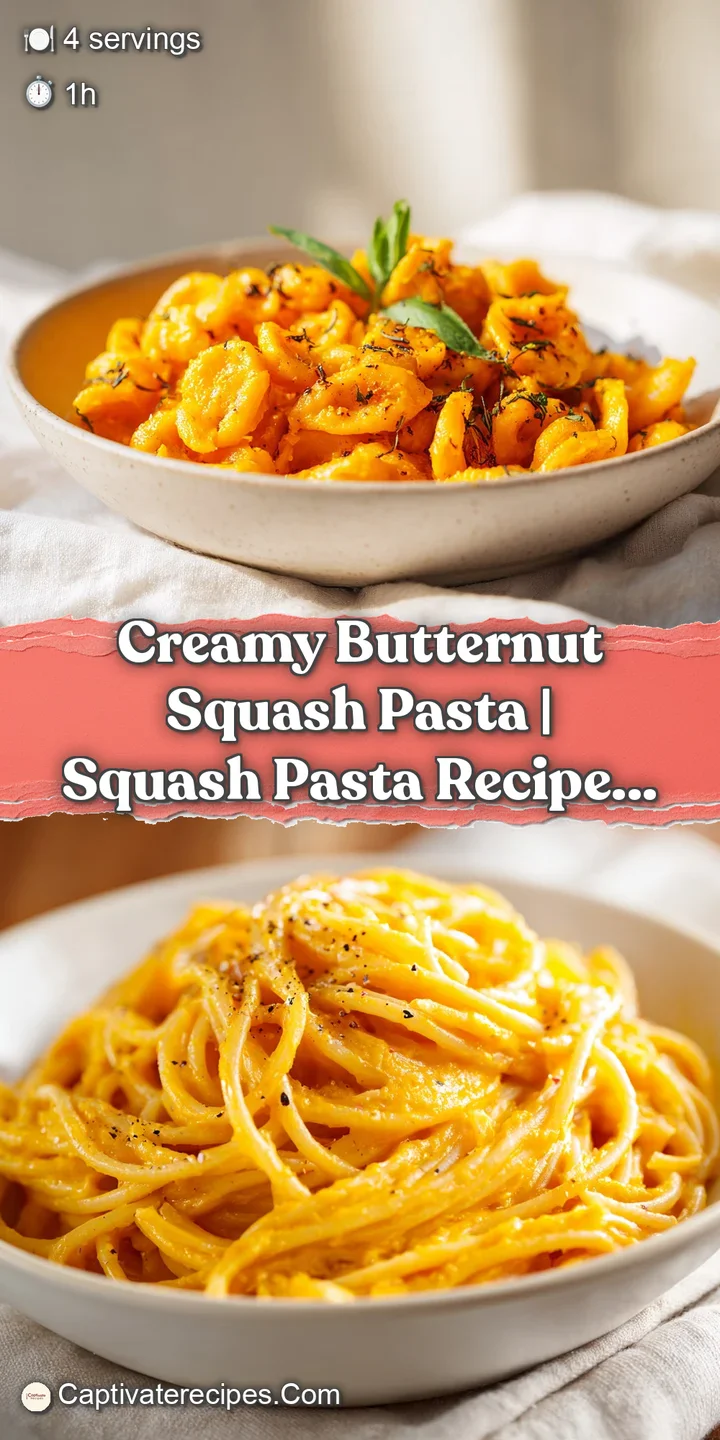
No matter how you serve it, this creamy butternut squash pasta is a reliable winner that brings a bit of gourmet flair to your kitchen with very little stress. Enjoy every silky bite!
Recipe FAQs
How to achieve the perfect roasted flavor for the squash base?
Preheat your oven to 400°F and ensure the squash is in a single layer on the baking sheet. Roasting for 30 35 minutes until the edges are deeply charred is essential, as this caramelization provides the depth of flavor needed for the sauce.
Can I use pre-peeled squash from the store?
Yes, as long as you cut it into consistent 1 inch cubes. Uniform sizing is the key to ensuring all pieces reach fork tender status at the same time during the 30 35 minute roast.
Is it necessary to reserve the starchy pasta water?
Yes, this is non-negotiable for the sauce consistency. The starch acts as a binding agent that helps the puree emulsify into a silky coating, a principle you can also use to perfect the texture in our zesty pasta salad.
How to peel the roasted garlic safely?
Squeeze the base of the roasted garlic cloves once they have cooled slightly. The soft, caramelized interior will slide right out of the skin without any mess.
Is it true I can substitute the heavy cream for milk to save calories?
No, this is a common misconception. Heavy cream is required to provide the necessary fat content for a stable, luxurious emulsion; using milk will result in a thin, watery sauce that fails to cling to the pasta.
How to store leftovers?
Transfer the pasta to an airtight container and refrigerate for up to three days. Add a splash of water when reheating on the stove to loosen the sauce, as the starch will continue to absorb liquid while chilled.
How to tell when the butter is perfectly browned?
Watch for the butter to foam and emit a distinct, nutty aroma. Remove it from the heat or immediately add your sage leaves once you see those golden brown flecks to prevent the butter from burning.
Creamy Butternut Squash Pasta
Ingredients:
Instructions:
Nutrition Facts:
| Calories | 897 kcal |
|---|---|
| Protein | 23.5 g |
| Fat | 40.2 g |
| Carbs | 115.6 g |
| Fiber | 7.2 g |
| Sugar | 8.4 g |
| Sodium | 795 mg |
