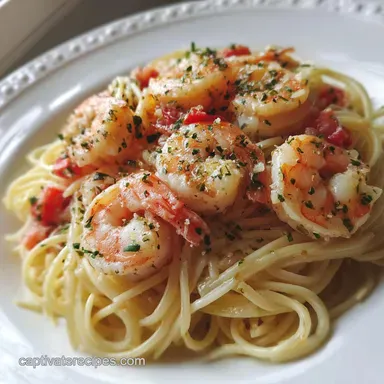
Best Creamy Garlic Shrimp Pasta Recipe in 25 Minutes

- Time: 10 minutes preparing and 15 minutes cooking
- Taste & Feel: Zesty lemon and garlic blended into a silky cream sauce
- Perfect for: A fast weeknight meal that feels like a special occasion
There is nothing quite like the scent of garlic hitting hot butter to make a kitchen feel welcoming. That's exactly what we're after here. But shrimp pasta often fails, either the seafood turns rubbery or the sauce splits into a greasy mess at the bottom of the plate.
I've spent countless evenings dealing with sauces that wouldn't thicken or shrimp that overcooked while the water was still coming to a boil. This Best Creamy Garlic Shrimp Pasta Recipe avoids those pitfalls by searing the shrimp separately and removing them from the pan.
The end result is a bright, citrusy dish with tender shrimp and a sauce light enough that you won't feel sluggish afterward. It's fast, consistent, and relies on ingredients you likely already have on hand.
Best Creamy Garlic Shrimp Pasta Recipe
The goal is balance. You want the pungent kick of garlic and the brightness of lemon to cut through the richness of the Parmesan and cream. When you get the timing right, the sauce clings to the noodles instead of sliding off.
It's a straightforward process, but the order of operations is where people usually trip up. By treating the shrimp and the sauce as two separate events that meet at the end, you avoid the most common pitfalls of seafood pasta.
Why This Actually Works
- Separate Searing: Cooking shrimp and then removing them prevents them from overcooking while the sauce simmers.
- Pasta Water: That cloudy, starchy water acts as a bridge, helping the fat in the cream and cheese bond to the noodles.
- Cold Start Garlic: Adding garlic to melted butter over medium heat prevents it from burning and turning bitter.
Right then, let's look at how using fresh ingredients versus shortcuts changes the vibe of this dish.
| Ingredient | Fresh Option | Shortcut Option | Impact | Savings |
|---|---|---|---|---|
| Garlic | Fresh cloves | Jarred minced | Fresh is punchier | 2 mins |
| Lemon | Fresh lemon | Bottled juice | Fresh adds bright oils | $1.00 |
| Parsley | Fresh bunch | Dried flakes | Fresh adds a clean finish | 1 min |
Since we're keeping things budget smart, you don't need the most expensive ingredients to get a great result. The trick is in how you handle the basics.
What Each Ingredient Does
| Ingredient | What It Does | Best Swap |
|---|---|---|
| Half and half | Creates a light cream base | Whole milk + 1 tbsp butter |
| Parmesan | Adds salt and thickens | Pecorino Romano (saltier) |
| Linguine | Provides a flat surface for sauce | Spaghetti or Fettuccine |
| Shrimp | The main protein hit | Scallops or Chicken |
Wait, before you start, keep in mind that the half and half is a great middle ground. It's less heavy than heavy cream but richer than milk, which keeps the sauce from feeling too thin.
Ingredients and Smart Swaps

- 12 oz linguine Why this? The flat shape helps the cream sauce adhere better.
- 1 lb large shrimp, peeled and deveined (Substitute: thawed frozen shrimp)
- 1 tbsp olive oil (Substitute: avocado oil)
- 1/2 tsp sea salt
- 1/4 tsp cracked black pepper
- 1/4 tsp paprika Why this? Provides a subtle warmth and golden color.
- 4 cloves garlic, minced
- 1 tbsp unsalted butter
- 1 cup half and half (Substitute: heavy cream for added richness)
- 1/2 cup grated Parmesan cheese (Substitute: Grana Padano)
- 1 tbsp fresh lemon juice
- 1 tsp lemon zest Why this? Zest contains the essential oils for a more vibrant aroma.
- 2 tbsp fresh parsley, chopped
- 1 cup reserved pasta water
Cooking the Pasta and Shrimp
- Start by boiling a large pot of salted water. Cook the linguine according to the package instructions until al dente. Note: Avoid overcooking, as the pasta finishes in the sauce.
- Save 1 cup of the starchy pasta water before draining.
- Use paper towels to remove all moisture from the shrimp. Season them with salt, pepper, and paprika. Note: Dry shrimp sear better; wet shrimp steam.
- Heat olive oil in a 12 inch skillet over medium high heat until shimmering. Add the shrimp in a single layer and sear for 1-2 minutes per side until pink and golden.
- Move the shrimp to a plate immediately to prevent them from toughening.
- Reduce the heat to medium. Melt the butter, then stir in the minced garlic for 1 minute until fragrant.
- Add the half and half and lemon juice. Simmer for 3-5 minutes until the sauce slightly thickens.
- Stir in the grated Parmesan cheese until the sauce is smooth and melted.
- Toss the cooked pasta and seared shrimp into the sauce. Slowly whisk in the reserved pasta water until a velvety emulsion forms.
- Stir in the fresh parsley and lemon zest before serving.
Chef's Note: If using frozen shrimp, make sure they are fully thawed and dried thoroughly. Any extra moisture will hinder the golden sear and result in rubbery shrimp.
Fixing Common Sauce Issues
When you're making the Best Creamy Garlic Shrimp Pasta Recipe, the sauce is usually where things get tricky. If it looks like it's separating, don't panic. Usually, it just needs a bit more starch or a temperature adjustment.
Rubbery Shrimp
This happens when shrimp stay in the pan too long. They only need about 2 minutes per side. According to USDA guidance, shrimp are safe and done when they reach an internal temperature of 145°F, which usually coincides with that C shape curve.
Sauce Too Thin
If the sauce is watery, you likely didn't simmer the half and half long enough or didn't add enough Parmesan. You can fix this by simmering for another 2 minutes or adding a handful more cheese. If you enjoy other creamy styles, you might like my creamy chicken penne which uses a similar thickening technique.
Sauce Breaks
A "broken" sauce looks curdled or greasy. This usually happens if the heat is too high when adding the cheese. Keep the heat at medium and stir the cheese in slowly.
| Problem | Root Cause | Solution |
|---|---|---|
| Rubbery Shrimp | Overcooked | Remove from pan as soon as they turn pink |
| Watery Sauce | Under reduced | Simmer 2-3 mins longer before adding pasta |
| Curdled Sauce | Excess heat | Lower heat before stirring in Parmesan |
Adjusting the Portion Size
Scaling the Best Creamy Garlic Shrimp Pasta Recipe isn't always a matter of simple multiplication; liquid ratios often need a slight adjustment when you increase the volume.
Use a smaller skillet for a half batch. If you use a 12 inch pan for only 6 oz of pasta, the sauce may burn or evaporate too rapidly. Cut your simmering time by approximately 20%.
Do not double the salt or garlic when doubling the rest of the recipe. Instead, use 1.5x the original amount and adjust based on your preference. Since larger batches typically reduce more slowly, you might need an extra minute of simmering. If you want a high protein side, seared cod pairs beautifully.
Decision Shortcut:
- For a zingier sauce: add another tsp of lemon zest.
- For a thicker sauce: simmer the cream for 2 extra minutes.
- For a milder taste: use 2 cloves of garlic instead of 4.
Storing and Reducing Waste
For the best results, enjoy this garlic shrimp pasta immediately. Cream-based sauces typically thicken and are absorbed by the pasta over time, which can lead to a gummy texture the next day.
Storage Guidelines Store any leftovers in an airtight container in the refrigerator for a maximum of 48 hours. To reheat, stir in a bit of milk or water over low heat to loosen the sauce. I advise against freezing this meal, as the cream and shrimp often lose their texture and become grainy.
Eco-Friendly Tips If you used head-on shrimp, save the shells instead of discarding them. Keep them in a freezer bag to create a homemade seafood stock later. You can also freeze any remaining lemon zest in a small container for future baking or pasta recipes.
Now that you're prepared, you can get started. This dish relies on the perfect harmony of rich cream and zesty citrus. Just remember to pat your shrimp dry, keep a close watch on the garlic, and save some of that starchy pasta water. Let's get cooking!
Recipe FAQs
How to make the sauce velvety?
Stir in reserved pasta water gradually until a smooth emulsion forms. This starchy liquid binds the half-and-half and cheese to the linguine.
Is it true that shrimp should simmer in the cream?
False. Sear the shrimp separately first to prevent them from becoming rubbery.
Can I omit the cheese?
The Parmesan cheese is necessary to thicken the sauce and provide a salty balance. Removing it will leave the sauce too thin.
Why should shrimp be dried before cooking?
Moisture on the surface prevents proper browning. Dry shrimp sear quickly and develop a golden crust.
What is the best way to reheat leftovers?
Warm the pasta in a pan over low heat with a splash of water. This loosens the sauce without overcooking the shrimp.
Do I need to use linguine?
Linguine is preferred because its flat shape holds the creamy garlic sauce perfectly. This meal pairs beautifully with a fresh pea salad for contrast.
Creamy Garlic Shrimp Pasta in 25 Minutes