Candied Pecans: Shatter-Crisp and Oven-Baked
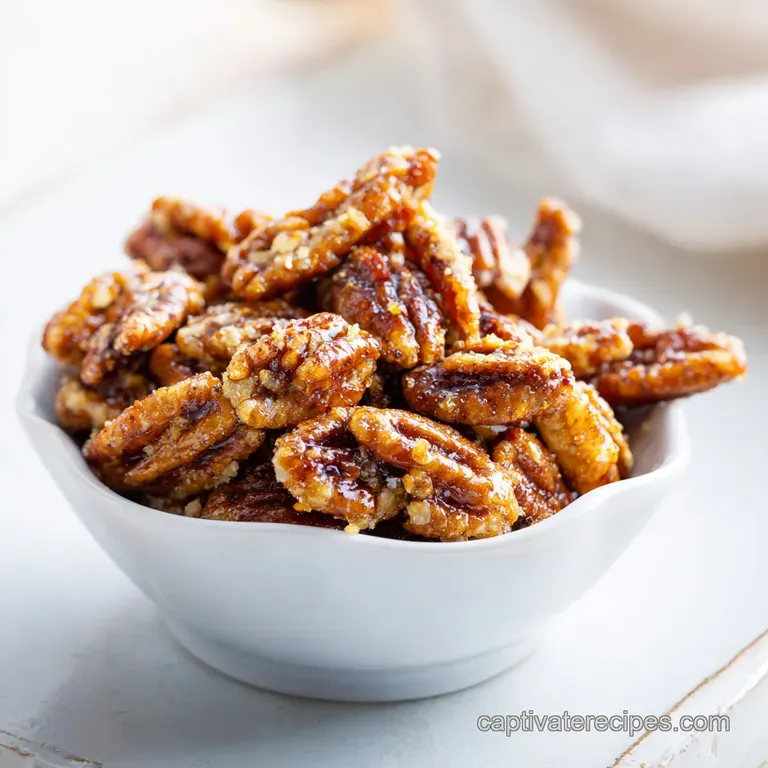
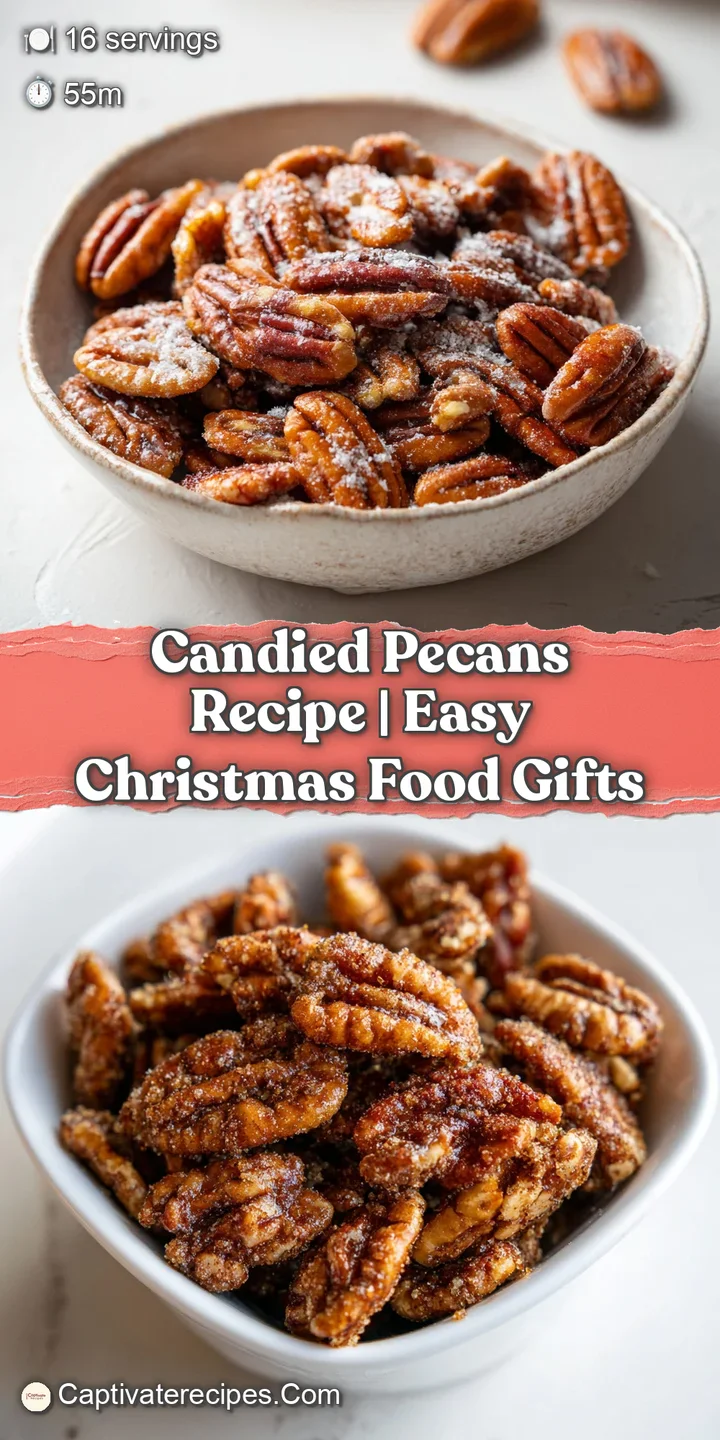
- Time: Active 10 minutes, Passive 45 minutes, Total 55 minutes
- Flavor/Texture Hook: Shatter crisp cinnamon shell with a buttery, toasted interior
- Perfect for: Elegant holiday gifting, topping autumn salads, or easy entertaining
- Achieve Perfect Crunch with This Candied Pecans Recipe
- The Secret to That Shatteringly Crisp Glaze
- Analyzing the Key Components
- Essential Pantry Staples
- Required Kitchen Tools
- Detailed Step-by-Step Guide
- Solving Common Texture Issues
- Creative Flavor Adjustments
- Scaling the Batch Size
- Debunking Common Kitchen Myths
- Proper Storage Methods
- Serving and Pairing Suggestions
- Recipe FAQs
- 📝 Recipe Card
Achieve Perfect Crunch with This Candied Pecans Recipe
There is honestly nothing worse than reaching for a handful of homemade treats only to have them stick to your fingers like humid flypaper. I remember the first time I tried making a stovetop version for a holiday party; I followed a random recipe that promised "quick results," but what I got was a tacky, gummy disaster that practically glued my guests' teeth together.
It was embarrassing, messy, and frankly, a waste of some really expensive raw pecans. The sugar never truly crystallized into that satisfying snap we all crave, and by the next morning, the whole batch had dissolved into a puddle of brown syrup at the bottom of the jar.
That failure sent me on a mission to figure out how the pros get that dry, dusty, yet intensely crispy coating that stays perfect even in a humid kitchen. The secret isn't more sugar or a higher temperature it’s actually all about the protein binder and the dehydration process.
We are moving away from the "candy melt" style and moving toward a "meringue encrusted" style. This method transforms the nuts from a simple snack into a showstopper with a sophisticated, artisanal texture that you just can't get from a pan on the stove.
If you’ve struggled with soggy nuts or burnt sugar in the past, this is your targeted fix. We are going to use a low and slow oven approach that gently pulls moisture out of the pecans while setting the egg white into a delicate, brittle framework.
This ensures that every single bite delivers a distinct "shatter" rather than a "chew." It’s the kind of recipe that makes your whole house smell like a high end boutique during the holidays, and once you try it, you’ll never go back to the sticky stovetop mess again.
The Secret to That Shatteringly Crisp Glaze
Most people think of "candying" as a process of melting sugar until it reaches the hard crack stage, but for pecans, that often leads to a burnt, bitter flavor before the center of the nut is even toasted.
This candied pecans recipe works because we are essentially creating a thin, spiced meringue around each individual nut. Instead of relying on high heat to caramelize sugar, we are using the egg white to act as a porous glue.
When we whisk that egg white until it's frothy, we are trapping tiny air bubbles that expand and then solidify in the oven, creating a light, airy crust that feels substantial but never heavy.
Protein Matrix Formation: The egg white proteins uncurl and bond together during whisking, creating a sticky net that holds the sugar and cinnamon firmly against the smooth surface of the pecan.
Moisture Dehydration Path: By baking at 300°F, we allow water to evaporate from the egg white and the nuts themselves without burning the sugar, resulting in a bone dry, shelf stable finish.
Sucrose Recrystallization: As the water departs, the granulated and brown sugars reform into tiny crystals within the protein web, providing that signature sandy yet-crispy mouthfeel.
| Method | Total Time | Texture Outcome | Best For |
|---|---|---|---|
| Stovetop Method | 15 minutes | Tacky, chewy, and prone to melting | Immediate snacking only |
| This Oven Method | 55 minutes | Shatter crisp and perfectly dry | Gifting and long term storage |
| Slow Cooker | 3 hours 30 mins | Soft, spiced, and deeply caramelized | Large batches with less oversight |
The transition from a wet, glistening coating to a matte, brittle shell is the most rewarding part of the process. When you pull these out of the oven, they might still feel a tiny bit soft while they are hot, but don't panic.
As the sugar and protein structure cools, it undergoes a stabilization phase where everything tightens up and hardens into that professional grade shell. This is why the cooling period on the pan is just as important as the actual bake time.
Analyzing the Key Components
| Component | Science Role | Pro Secret |
|---|---|---|
| Egg White | Structural protein binder | Whisk until "sea foam" to ensure the coating doesn't slide off |
| Light Brown Sugar | Flavor and moisture balance | Provides a deep molasses note without making the shell too dark |
| Fine Sea Salt | Flavor contrast agent | Sharpness cuts through the heavy fat content of the pecan oil |
The choice of light brown sugar over dark brown sugar is a deliberate move for this specific texture. While dark brown sugar has more molasses, that extra moisture can sometimes hinder the dehydration process, making it slightly harder to get that bone dry finish in under an hour.
Light brown sugar gives us the perfect balance of caramel flavor and structural integrity.
Essential Pantry Staples
For this candied pecans recipe, you'll need to gather a few specific items. Quality matters here because with so few ingredients, there is nowhere for subpar flavors to hide. I always suggest starting with the freshest raw pecans you can find.
If they've been sitting in the back of your pantry for six months, the oils may have turned slightly rancid, and no amount of cinnamon sugar will hide that "off" taste.
- 1 lb raw pecan halves: Ensure they are halves and not pieces; the surface area of the halves allows for a better sugar to nut ratio.
- 1 large egg white: This is our "glue." Make sure no yolk slips in, as the fat in the yolk will prevent the whites from foaming properly.
- 1 tbsp water: Just enough to thin the egg white so it coats every nook and cranny of the nut.
- 1 tsp pure vanilla extract: Look for "pure" rather than "imitation" to get those floral, woody notes that pair so well with toasted nuts.
- 1/2 cup white granulated sugar: Provides the crystalline structure and the "snap."
- 1/2 cup light brown sugar, packed: Adds the rich, toffee like depth and color.
- 1 tbsp ground cinnamon: The heavy hitter for that classic holiday aroma.
- 3/4 tsp fine sea salt: Essential for making the sweetness "pop" and balancing the richness.
| Original Ingredient | Substitute | Why It Works |
|---|---|---|
| Light Brown Sugar | Coconut Sugar | Similar caramel notes but a slightly lower melting point; watch for browning. |
| Ground Cinnamon | Pumpkin Pie Spice | Adds ginger and cloves for a more complex, autumnal flavor profile. |
| Pure Vanilla Extract | Bourbon | Alcohol evaporates, leaving a smoky, charred oak flavor that complements pecans. |
If you find yourself out of pecans but still craving that crunch, you can easily pivot. This method is incredibly versatile. I've used this exact same coating for a candied walnuts recipe when I wanted something with a slightly more earthy, tannic bite. The walnuts have deeper ridges which actually trap even more of the sugar mixture, making them intensely flavorful.
Required Kitchen Tools
You don't need a professional pastry kitchen to pull this off, but a few specific tools will make the process much smoother. The most important piece of equipment is your baking sheet. I highly recommend a large, rimmed "half sheet" pan.
The rim is crucial because you'll be tossing these nuts every fifteen minutes, and without a rim, you'll be chasing runaway pecans across your kitchen floor.
A silicone baking mat or high-quality parchment paper is also non negotiable. Sugar is essentially nature’s strongest adhesive when it’s hot, and if you bake these directly on a metal pan, you’ll spend your afternoon chiseling them off with a putty knife.
The silicone mat provides the best release and is reusable, which I love for holiday baking marathons. Finally, a large stainless steel whisk is better than a fork for aerating that egg white; you really want to see those bubbles before you add the nuts.
Detailed step-by-step Guide
Step 1: Aerating the Binder
Preheat your oven to 300°F (150°C). In a large mixing bowl, combine the egg white, water, and vanilla. Whisk vigorously for about 2 minutes.
You aren't looking for stiff peaks like a meringue, but you want "sea foam" a thick layer of white, frothy bubbles on top. Note: This aeration is what keeps the coating light and prevents it from becoming a hard, tooth cracking shell.
Step 2: The Sugar Saturation
In a separate small bowl, whisk together the white sugar, light brown sugar, cinnamon, and sea salt until no lumps remain. Note: Mixing the sugars beforehand ensures an even distribution of spice so one nut isn't purely salt while another is purely cinnamon.
Step 3: Coating the Pecans
Dump the 1 lb of raw pecans into the bowl with the egg white foam. Use a rubber spatula to toss them thoroughly. Continue tossing until every nut is glistening and no dry spots remain.Note: The foam should fill the "dents" in the pecan halves.
Step 4: The Dry Mix Integration
Sprinkle the sugar mixture over the wet pecans. Fold gently but thoroughly. You want the sugar to turn into a thick, sandy paste that clings to the nuts. If it looks a little "gloopy" at first, keep folding; the sugar will eventually distribute evenly.
Step 5: Preparing the Pan
Spread the coated pecans onto your lined baking sheet. Ensure they are in a single layer. If they are piled on top of each other, they will steam instead of roast, leading to that dreaded tacky texture.
Step 6: The Dehydration Roast
Slide the pan into the center rack of the oven. Bake for 45 minutes total. Every 15 minutes, pull the pan out and give the nuts a good toss with a spatula. Note: This prevents the sugar from pooling on the bottom and ensures the hot air hits every side of the nut.
Step 7: Testing for Doneness
After 45 minutes, the pecans should look matte and the coating should no longer look "wet." They will still feel slightly soft if you squeeze them that’s normal! The real magic happens during the cooling phase.
Step 8: The Stabilization Cool
Remove the pan from the oven and set it on a wire rack. Do not touch the pecans for at least 20 minutes. As the temperature drops, the sugar will crystallize and the egg white will harden into a brittle shell.
Step 9: The Final Separation
Once completely cool, break apart any nuts that have clumped together. They should "clink" like glass when you drop them back onto the pan.
Step 10: Final Quality Check
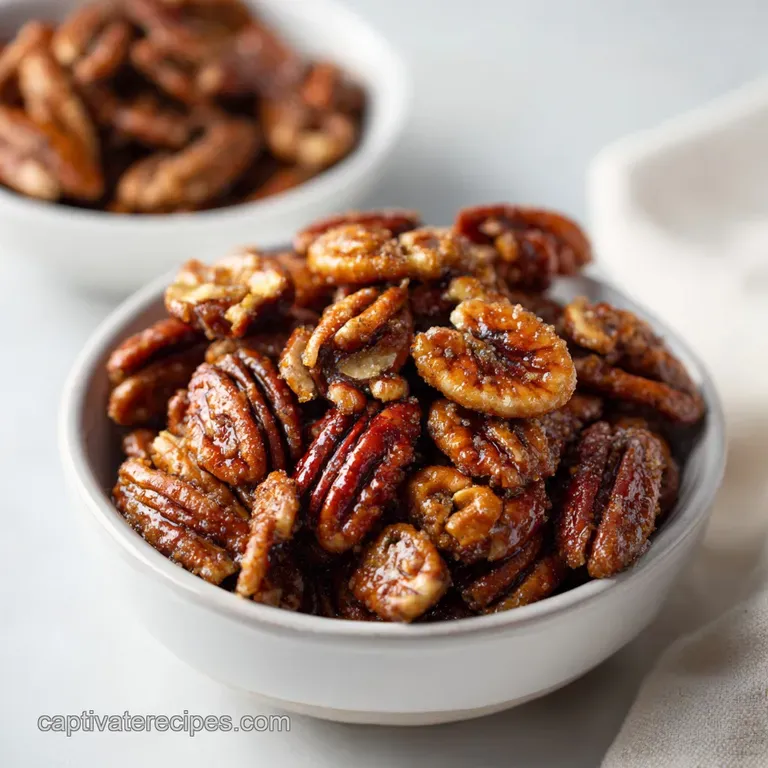
Taste one. It should shatter instantly with a loud crunch, followed by the buttery, toasted flavor of the pecan. If it's chewy, it needs more time to dry out (see troubleshooting).
Solving Common Texture Issues
Even with a foolproof method, the environment of your kitchen can sometimes throw a wrench in the works. Humidity is the natural enemy of sugar. If you're making these on a rainy day, you might find that they take a bit longer to set up than usual.
The key is patience; don't try to rush the process by turning up the heat, or you'll simply burn the cinnamon and end up with a bitter snack.
The Coating Is Sliding Off
If your pecans look like they’ve "shed" their skin and most of the sugar is on the parchment paper instead of the nut, the issue usually lies in the whisking stage. The egg white needs to be frothy enough to create a "velvety" surface for the sugar to grab onto.
If the egg white is still too liquid, it will just run off the smooth surface of the nut and pool at the bottom of the pan.
| Problem | Root Cause | Solution |
|---|---|---|
| Soft/Chewy Texture | Internal moisture remained | Bake for an additional 10 minutes at 275°F to dehydrate further. |
| Burnt/Bitter Taste | Oven hot spots or high heat | Check oven calibration and ensure you are using the center rack. |
| Clumpy/Stuck Together | Insufficient tossing | Toss every 15 minutes during baking and separate immediately after cooling. |
Another common mistake is overcrowding the pan. If you try to double the recipe and cram 2 lbs of pecans onto one tray, the moisture being released from the nuts has nowhere to go. It gets trapped between the layers, effectively steaming the sugar.
If you need to make a bigger batch, always use two separate trays on different racks, and swap their positions halfway through the bake time.
Common Mistakes Checklist
- ✓ Pat the pecans dry if they seem oily or damp before starting.
- ✓ Whisk the egg white until it looks like thick bubble bath foam.
- ✓ Use a rimmed baking sheet to allow for aggressive tossing.
- ✓ Never skip the 15 minute toss intervals; it's the only way to ensure even drying.
- ✓ Allow the nuts to cool completely on the pan before moving them to a jar.
- ✓ Avoid making these on exceptionally humid or rainy days if possible.
Creative Flavor Adjustments
Once you have mastered the base candied pecans recipe, you can start playing with the flavor profile to suit different occasions. For a more sophisticated, "adult" version, I love adding a pinch of cayenne pepper or smoked paprika to the sugar mix.
The heat from the pepper cuts through the sweetness and makes them absolutely addictive when served alongside a sharp cheddar or a creamy brie.
If you are a fan of more complex syrups, you can experiment with a maple infused version. While we use granulated sugar for the structure, swapping out the vanilla extract for a teaspoon of maple extract gives you that "pancakes on a Sunday morning" vibe without the stickiness of actual maple syrup. For another decadent treat that uses a similar sugar to salt balance, you might enjoy my salted caramel sauce, which is the perfect dipping companion for these nuts.
Maple Candied Twist
To get that deep, woodsy flavor, use 1/2 cup of maple sugar in place of the white granulated sugar. Maple sugar is essentially dehydrated maple syrup, so it provides all the flavor without adding extra liquid that could ruin the crunch. Add 1/2 teaspoon of freshly grated nutmeg to the mix to round out the profile.
Sweet & Spicy Kick
Add 1/2 teaspoon of cayenne pepper and 1/2 teaspoon of smoked paprika to the dry sugar mix. This version is a "showstopper" on a charcuterie board. The smokiness of the paprika echoes the toasted notes of the pecan, while the cayenne provides a lingering warmth that keeps you coming back for "just one more handful."
Scaling the Batch Size
When you're preparing for a big event or making "easy christmas food gifts," you'll likely want to double or triple this recipe. However, scaling up requires more than just multiplying the numbers. Because this recipe relies on evaporation and dehydration, your main constraint is the surface area of your baking sheets.
To DOUBLE the recipe (2 lbs of pecans), use two separate large baking sheets. Do not try to fit 2 lbs on one sheet; the nuts will be too crowded and will turn out soft.
Increase the salt and spices to 1.5x rather than a full 2x to start, then taste the sugar mix sometimes a full doubling of salt can become overwhelming. Reduce the water slightly (use 1.5 tbsp instead of 2) to ensure the egg white foam stays thick.
To HALVE the recipe (1/2 lb of pecans), use a standard 9x13 pan. Since you can't easily use half an egg white, whisk a whole egg white with the water and vanilla, then only use about 1.5 tablespoons of that liquid to coat your 1/2 lb of nuts. Discard the rest of the liquid.
Reduce the baking time by about 5-8 minutes, as a smaller volume will dehydrate faster.
| Servings | Pecan Amount | Pan Size | Total Bake Time |
|---|---|---|---|
| 8 People | 0.5 lb | 9x13 inch pan | 40 minutes |
| 16 People | 1 lb | 13x18 inch (Half Sheet) | 45 minutes |
| 32 People | 2 lbs | Two 13x18 inch pans | 50 minutes (rotate pans) |
Debunking Common Kitchen Myths
One of the biggest misconceptions in the world of candied nuts is that you need corn syrup or honey to get a "shiny" finish. In reality, those liquid sweeteners often lead to a permanent tackiness that never fully dries out. The shine in this recipe comes from the egg white proteins setting into a smooth film.
You get all the luster without any of the "sticky finger" syndrome.
Another myth is that you must toast the pecans before candying them. This is actually a recipe for burnt nuts! Since the pecans spend 45 minutes in a 300°F oven, they toast perfectly while the sugar is setting.
If you pre toast them, the internal oils will likely reach their smoking point during the second bake, resulting in a bitter, over cooked flavor. Trust the process and start with raw nuts.
Proper Storage Methods
The joy of this recipe is that it is incredibly shelf stable, making it the perfect make-ahead snack. Once the pecans are completely cool and the shell has fully hardened, transfer them to an airtight glass jar or a tin. They will stay perfectly crisp at room temperature for up to 3 weeks.
Avoid plastic bags if possible, as they can sometimes trap residual moisture and soften the coating over time.
For long term storage, these pecans freeze beautifully. Place them in a freezer safe bag, squeeze out all the air, and they will keep for up to 3 months. When you're ready to eat them, just let them thaw on the counter for 20 minutes.
Don't reheat them in the oven after freezing unless they have become soggy; a quick 5 minute "refresh" at 250°F will bring back the snap if they’ve absorbed any moisture from the freezer.
Zero Waste Tip: Don't throw away the "pecan dust" and leftover cinnamon sugar at the bottom of the pan! Sift those crumbs into a small jar and use them as a topping for oatmeal, yogurt, or even over a scoop of vanilla ice cream. It's concentrated flavor that shouldn't go to waste.
If you have leftover egg yolks from this process, they are perfect for making a small batch of lemon curd or adding richness to your morning scrambled eggs.
Serving and Pairing Suggestions
These pecans are a true "showstopper" when it comes to presentation. My favorite way to serve them is on a large wooden board alongside a wedge of creamy gorgonzola and some crisp apple slices. The contrast between the sweet, crunchy nut and the funky, soft cheese is artisanal snacking at its finest.
They also provide a necessary "crunch" factor to a classic autumn pear salad with balsamic vinaigrette.
If you're feeling adventurous, try crushing a few and sprinkling them over a hot fudge pudding cake or a bowl of Korean corn cheese for a surprising sweet and savory twist. The smoky, caramelized notes of the corn cheese actually play really well with the toasted pecans. Whether you're gifting them in a mason jar tied with a velvet ribbon or just keeping a bowl on the counter for guests, this candied pecans recipe is the reliable, fail proof method you've been looking for. It takes a little patience in the oven, but the "clink" of those perfectly dried nuts against the glass jar is the only proof you'll need that you've finally mastered the perfect crunch.
Recipe FAQs
Is light or dark brown sugar better for candied pecans?
Light brown sugar is recommended. It provides the necessary molasses flavor without overpowering the delicate taste of the pecans, though dark brown sugar will work if you prefer a deeper, more intense caramel notes.
What is the difference between glazed and candied pecans?
Glazed pecans typically use a thin, shiny syrup coating, while candied pecans feature a thicker, crisp sugar spice shell. The egg white method used here creates that signature brittle texture that sets them apart from simple glazed nuts.
How long will homemade candied pecans last?
They stay fresh for up to two weeks. Store them in an airtight container at room temperature to maintain their crunch, or keep them in the freezer for up to two months.
Why are my candied pecans not crunchy?
You likely removed them from the oven too early or didn't allow them to cool completely. The coating only hardens into its brittle, crunchy state once the nuts reach room temperature; if they remain sticky, they need more time to dehydrate in the oven or extra cooling time.
How to ensure the coating does not become a hard, tooth cracking shell?
Whisk the egg white, water, and vanilla until it reaches a thick "sea foam" consistency. This aeration is critical because it creates a lighter structure for the sugar to cling to, preventing a dense, overly hard finish. If you enjoyed mastering this aeration technique, see how we use similar texture building principles in our muffin recipes.
Is it true I must use high heat to get a good crunch?
No, this is a common misconception. A lower temperature of 300°F is essential to slowly dehydrate the nuts and caramelize the sugar without burning the spices or the delicate oils inside the pecans.
How to prevent the sugar coating from burning during the 45-minute bake?
Toss the nuts every 15 minutes during the bake. This consistent rotation ensures even heat distribution and prevents the sugar on the bottom of the pan from scorching before the nuts have finished dehydrating.
Crispy Candied Pecans
Ingredients:
Instructions:
Nutrition Facts:
| Calories | 244 kcal |
|---|---|
| Protein | 2.8 g |
| Fat | 20.3 g |
| Carbs | 16.4 g |
| Fiber | 2.7 g |
| Sugar | 13.1 g |
| Sodium | 106 mg |
