Mini Chocolate Chip Cookies: Crisp Edges
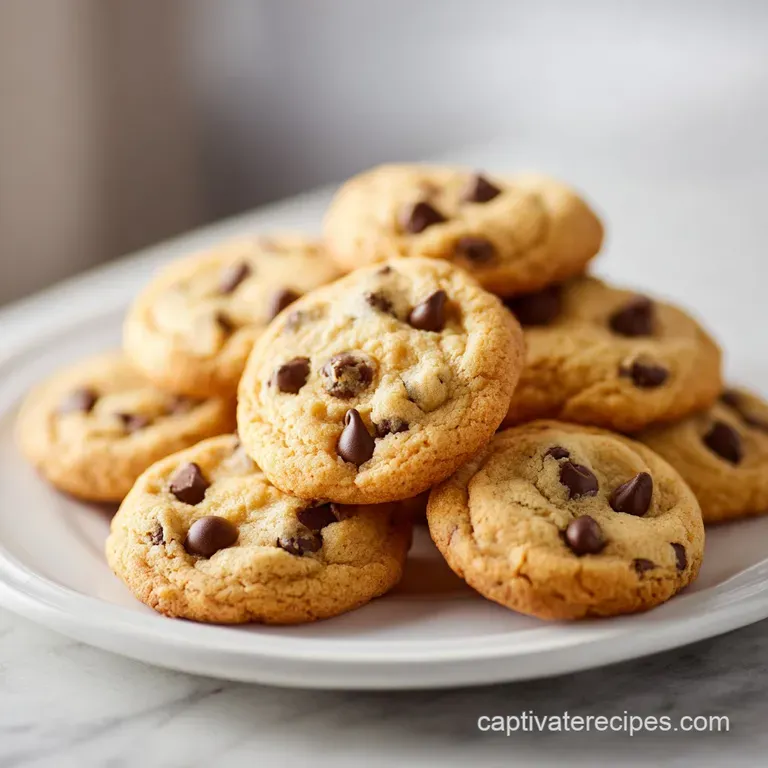
- Time: Active 19 minutes, Passive 6 minutes, Total 25 minutes
- Flavor/Texture Hook: Shatter crisp edges with velvety chocolate
- Perfect for: Movie night snacking or "cookie cereal" bowls
- Baking the Best Mini Chocolate Chip Cookies at Home
- The Physics of the Tiny Crunch
- Component Analysis of Your Dough
- Essential Elements for Tiny Treats
- Tools for a Joyful Baking Session
- The Tiny Cookie Assembly Guide
- Navigating Baking Hurdles
- Adjusting for Different Batch Sizes
- Cookie Myths Debunked
- How to Store and Keep Fresh
- Beautiful Ways to Serve Minis
- Recipe FAQs
- 📝 Recipe Card
Baking the Best Mini Chocolate Chip Cookies at Home
Last Friday night, I found myself standing in the kitchen with a sudden, urgent need for something crunchy but tiny. You know those nights where you want a snack that feels like a reward but doesn't require a fork and knife?
I started scooping tiny rounds of dough, smaller than a marble, and as they hit the heat, the kitchen filled with that unmistakable scent of toasted brown sugar and melting semi sweet chocolate.
It was pure joy seeing a massive pile of these artisanal looking treats cooling on the wire rack. They are essentially the "popcorn" of the dessert world. By the time I had finished my second batch, I realized I’d never go back to full sized ones for movie nights again.
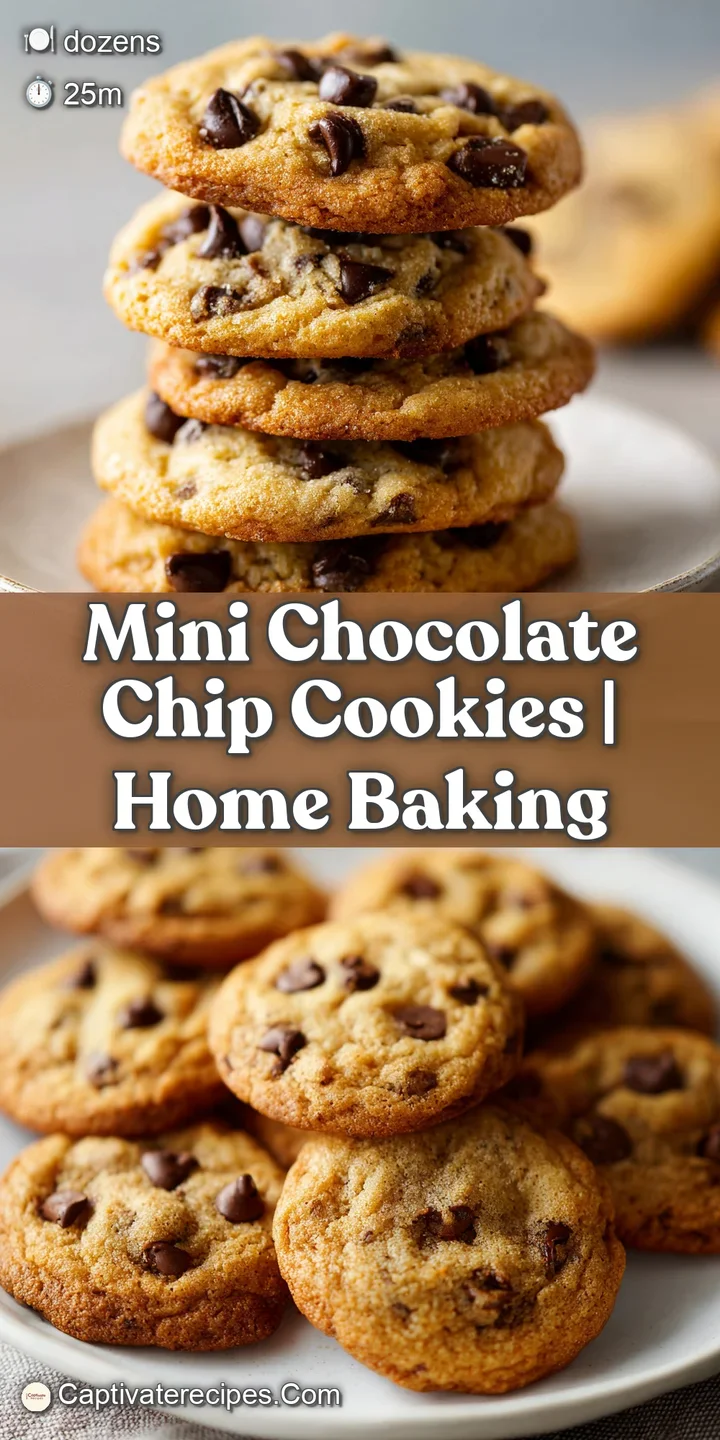
There is something so satisfying about the way these little discs shatter when you bite into them, revealing a surprisingly tender, velvety middle.
We’re going to focus on achieving that gorgeous contrast today the golden, crisp exterior against the rich, sweet chocolate. It’s a simple process, but because the cookies are so small, the margin for error with timing is slim.
Don't worry, though; I've made all the mistakes already so you don't have to. Let's get into how we make these little showstoppers happen in just 25 minutes.
The Physics of the Tiny Crunch
Surface Area Ratio: Because these are small, the ratio of crispy edge to soft middle is much higher than standard cookies. This means moisture evaporates faster, creating a distinct "snap" that larger cookies often lack.
- Maillard Magic: The high sugar content combined with a hot oven causes rapid browning, giving these tiny bites a deep caramel like flavor in just 6 minutes.
- Mini Chip Distribution: Using mini chips instead of regular ones ensures every single bite, no matter how small, contains a balanced amount of chocolate.
- Butter Aeration: Creaming softened butter with sugar creates tiny air pockets that expand, preventing the "mini" size from becoming too dense or rock hard.
- Protein Structure: The 190g of all purpose flour provides just enough gluten to hold the shape without making the tiny cookies tough.
| Method | Time | Texture | Best For |
|---|---|---|---|
| Stovetop (Skillet) | 12 minutes | Soft, gooey, brownie like | Warm dessert with ice cream |
| Conventional Oven | 6 minutes | Crisp edges, tender center | Classic snacking and storage |
| Air Fryer | 5 minutes | Extra crunchy, very dark | Small batches for one person |
If you are looking for something with a bit more chew, you might want to try my Chewy Chocolate Chip recipe which uses a slightly different hydration ratio. But for these minis, the oven is truly the best way to get that artisanal finish.
Component Analysis of Your Dough
| Ingredient | Science Role | Pro Secret |
|---|---|---|
| Light Brown Sugar | Adds moisture and acidity | Pack it tightly to ensure the correct volume to weight ratio. |
| Baking Soda | Promotes browning (pH balance) | Ensure it is fresh; if it doesn't fizz in vinegar, toss it. |
| Unsalted Butter | Provides fat for "shortening" gluten | Room temp butter should indent with a finger but not be oily. |
| Mini Chocolate Chips | Controlled melting points | Freeze the chips for 10 mins before folding to prevent streaks. |
Using the right fat is crucial here. If you use cold butter, the cookies won't spread enough, and you'll end up with little balls of dough. If the butter is melted, they'll turn into flat puddles. Aim for that "softened" sweet spot where the butter is pliable but still holds its shape.
Essential Elements for Tiny Treats
To get these right, we need to be specific with our measurements. This isn't a recipe where you want to "eyeball" the flour, or you'll lose that delicate shatter.
- 1/2 cup (113g) Unsalted butter: Softened at room temperature. Why this? Provides the rich, creamy base and essential fat for spreading.
- Substitute: Salted butter (just omit the extra sea salt).
- 1/2 cup (100g) Light brown sugar: Packed firmly. Why this? The molasses content ensures a chewy, golden interior.
- Substitute: Dark brown sugar for a deeper, more intense caramel flavor.
- 1/4 cup (50g) Granulated white sugar: Standard white sugar. Why this? This is what gives us those iconic crispy, browned edges.
- Substitute: Coconut sugar, though it will make the cookies slightly drier.
- 1 Large egg: Ideally at room temperature. Why this? Acts as the binder to hold the fats and flour together.
- Substitute: 1/4 cup of unsweetened applesauce (yields a softer cookie).
- 1 ½ teaspoons Pure vanilla extract: high-quality if possible. Why this? It rounds out the sweetness and adds a floral aroma.
- Substitute: Vanilla bean paste for those pretty little black specks.
- 1 ½ cups (190g) All purpose flour: Spooned and leveled. Why this? Provides the structure needed for a bite sized shape.
- Substitute: 1:1 gluten-free baking flour (look for a blend with xantham gum).
- ½ teaspoon Baking soda: The leavening agent. Why this? It reacts with the brown sugar to help the cookies rise slightly.
- Substitute: 1.5 teaspoons of baking powder if you are out of soda.
- ¼ teaspoon Fine sea salt: To balance the sugar. Why this? Salt cuts through the richness and enhances the chocolate notes.
- Substitute: Table salt (use slightly less as it's more "salty" by volume).
- 1 cup (170g) Semi sweet mini chocolate chips: The star of the show. Why this? Small chips ensure even distribution in every tiny bite.
- Substitute: Finely chopped dark chocolate bar for a more sophisticated taste.
Tools for a Joyful Baking Session
You don't need a professional bakery setup, but a couple of items make this "mini" process much less tedious. A stand mixer or hand mixer is a lifesaver for the creaming stage.
Chef's Tip: Use a 1/2 teaspoon measuring spoon to "scoop" your dough if you don't have a mini cookie scoop. It creates the perfect 2cm ball every time.
You'll also need a couple of large baking sheets and parchment paper. Never grease the pans directly for this recipe; the cookies are so small that they will slide and merge together if the surface is too oily. Silicon mats work brilliantly too, as they provide a little "grip" for the dough.
The Tiny Cookie Assembly Guide
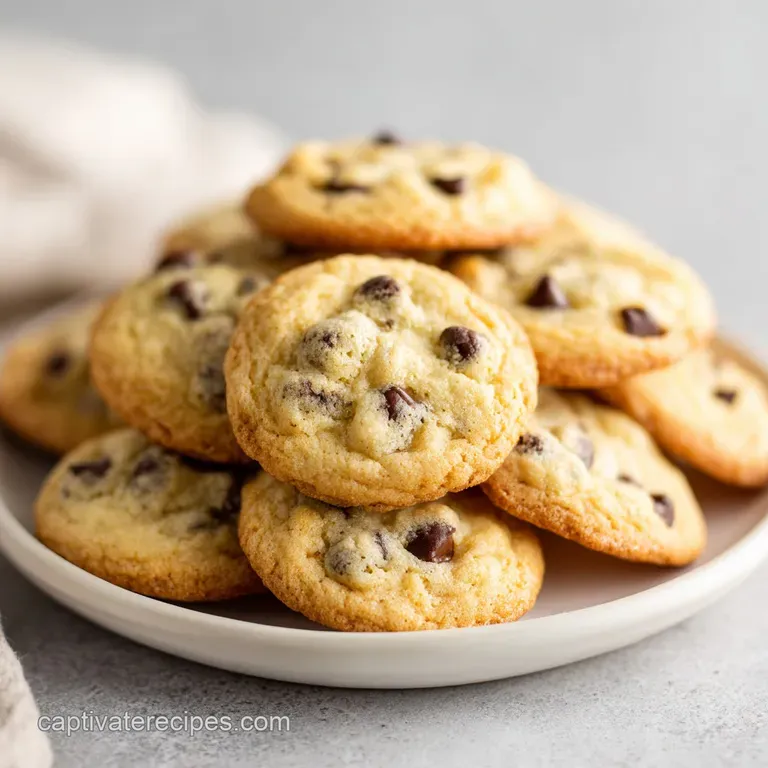
- Prep the oven. Preheat your oven to 180°C (350°F) and line two large baking sheets with parchment paper. Note: Preheating is vital for that immediate heat hit.
- Cream the fats. Beat 113g softened butter, 100g brown sugar, and 50g white sugar until pale and fluffy. This usually takes about 3 minutes on medium speed.
- Add the liquids. Mix in 1 large egg and 1.5 teaspoons of vanilla extract. Note: Beat until the egg is fully incorporated and the mixture looks silky.
- Whisk dry ingredients. In a separate bowl, stir together 190g flour, 0.5 tsp baking soda, and 0.25 tsp sea salt.
- Combine the mixtures. Gradually add the dry ingredients to the wet. Stop as soon as no white streaks remain. Note: Overmixing at this stage leads to tough, bread like cookies.
- Fold in chocolate. Gently stir in 170g mini chocolate chips using a spatula.
- Scoop the dough. Form tiny balls, about 1-2 teaspoons of dough each (2cm wide).
- Arrange the tray. Place balls 3cm apart on the sheets. They don't spread as much as big cookies but still need room for airflow.
- Bake the batch. Bake for 6 minutes until the edges are just starting to turn golden. The centers will still look slightly underdone.
- Cool and set. Let the cookies sit on the hot tray for 5 minutes before moving them. The carryover heat finishes the cooking without burning the bottoms.
Navigating Baking Hurdles
Sometimes things go wonky, especially when you're working with such small amounts of dough. If your batch doesn't look like the pictures, it's usually a temperature or measurement issue.
Why Your Cookies Spread Too Much
If your Mini Chocolate Chip Cookies ended up as one giant, thin sheet, your butter was likely too warm. When butter is near its melting point before it even enters the oven, it can't hold the air bubbles created during creaming. The dough just collapses outward before the flour has a chance to set.
| Problem | Root Cause | Solution |
|---|---|---|
| Cookies are flat | Butter was too soft/melted | Chill the dough for 30 mins before baking next time. |
| Cookies are like rocks | Too much flour added | Weigh your flour (190g) instead of using a measuring cup. |
| Chips are falling out | Dough is too dry | Add a teaspoon of milk to rehydrate the mix slightly. |
Avoiding Common Mistakes
- ✓ Use room temperature eggs so the emulsion doesn't "break" or curdle.
- ✓ Don't over bake! They will look soft at 6 minutes, but they firm up significantly as they cool.
- ✓ Ensure your baking soda is fresh by checking the expiration date.
- ✓ Avoid using "warm" baking sheets for the second batch; let them cool completely first.
- ✓ Spoon and level your flour if you aren't using a scale to avoid a dense texture.
How do mini chips affect the structure?
Since the chips are smaller, they create more "anchor points" throughout the dough. This actually helps the mini versions hold their domed shape better than regular cookies because the chocolate acts like a scaffold.
Adjusting for Different Batch Sizes
Sometimes you want a mountain of cookies, and sometimes you just want enough for a quick snack. Scaling these is fairly straightforward, but keep an eye on the ratios.
Scaling Down (Making 1/2 Batch): This is perfect for a solo treat. Use half of every ingredient, but for the egg, beat it in a small bowl first and then measure out about 2 tablespoons. Using a whole egg for a half batch will make the cookies very cakey and puffy.
You can use a smaller toaster oven for this, but check them at 5 minutes as those ovens run hot!
Scaling Up (Doubling the Batch): If you’re making these for a party, doubling is easy. However, don't double the salt or the baking soda exactly use about 1.5 times the amount (3/4 tsp soda and 1/2 tsp salt) to prevent a metallic aftertaste.
Work in batches and keep the extra dough in the fridge while the first trays are baking to keep the butter firm.
Cookie Myths Debunked
One big myth is that you need to chill this dough for 24 hours to get a good result. While chilling does deepen the flavor, these are so small that the difference is much less noticeable than in a massive bakery style cookie.
You can absolutely bake these immediately and still get a fantastic, artisanal result.
Another misconception is that "more chocolate is always better." With minis, if you add too many chips, the dough won't have enough surface area to grip the pan, and the cookies will just crumble into pieces when you try to pick them up. Stick to the 1 cup (170g) measurement for the best structural integrity.
If you enjoy the process of making small, flavored treats, you should definitely check out my Chocolate Crinkle Cookies recipe. They have a similar "bite sized" joy but with a much fudgier, brownie like texture.
How to Store and Keep Fresh
To keep that "shatter" crunch, you need to protect these from humidity. Store them in an airtight glass jar or plastic container at room temperature. They will stay fresh and crispy for up to 5 days.
If they do start to soften, you can pop them back into a 150°C oven for 2 minutes to crisp them back up.
Freezing the Dough: This is my favorite "future me" gift. Scoop the tiny balls onto a tray and freeze them until solid (about an hour), then toss them into a freezer bag. You can bake them straight from frozen; just add 1-2 minutes to the bake time.
They stay good in the freezer for up to 3 months.
Zero Waste Tip: If you end up with "crumbles" at the bottom of the jar, don't throw them away! Save them in a small bag in the freezer. They make the absolute best topping for vanilla bean ice cream or can be stirred into pancake batter for a decadent weekend breakfast.
Beautiful Ways to Serve Minis
Presentation is where these tiny gems really shine. Because of their size, you can get creative. I love serving them in a tall glass of cold milk, though they are a bit hard to fish out! A better way is to pile them high in a small parchment lined wooden crate for a rustic, artisanal look.
For a real showstopper, try making "cookie milk." Steep a handful of these cookies in a glass of milk for 10 minutes, strain them out, and use that cookie infused milk for your coffee or cereal. It’s an incredible way to use up any slightly over baked ones. If you're feeling adventurous, you could even pair them with a slice of Banana Chocolate Chip recipe for a double chocolate afternoon tea.
The joy of these cookies is in their simplicity. They aren't trying to be fancy; they're just tiny, perfect versions of a classic. Whether you're sharing them with friends or keeping the whole jar for yourself, the effort of rolling all those tiny balls is always worth it the moment you hear that first crunch.
Happy baking!
Recipe FAQs
Can I use mini chocolate chips instead of regular chocolate chips in this recipe?
Yes, using mini chips is highly recommended for this specific recipe. Mini chips ensure that the chocolate is evenly distributed throughout the tiny cookie structure, providing a balanced flavor in every bite. Regular chips may cause larger, unbaked pockets in the center of the small cookies.
What ingredients are typically found in "Cowboy Cookies"?
Cowboy cookies typically include oats, pecans, coconut, and multiple types of chips. They are usually much chunkier and heartier than a standard chocolate chip cookie. If you enjoy rich, overloaded cookies, you might appreciate the complexity in the Kitchen Sink Cookies recipe.
What is the healthiest cookie I can eat?
The "healthiest" cookie is one made with whole grain flour, lower sugar, and healthy fats. Since this recipe prioritizes a crisp texture using white sugar, it leans toward indulgence. For low-sugar options, look for recipes replacing refined white sugar with alternatives like dates or maple syrup.
Does Chick fil-A use David's cookies for their desserts?
No, Chick fil-A manages its dessert production internally and does not source from David's Cookies. Commercial bakeries rarely use external specialty cookie suppliers for their primary menu items. If you are looking for excellent, high volume results, ensure you use a robust creaming method, similar to the technique we use when preparing the base for the Gourmet Tiramisu Yule recipe, to achieve proper air incorporation.
Why are my tiny cookies spreading into flat discs instead of staying small mounds?
Your butter was likely too soft or melted before mixing. When butter is too warm, it loses its structural integrity, causing the dough to collapse rapidly in the oven before the flour sets. Chill the dough for 30 minutes before scooping if this happens again.
How do I ensure the centers of these small cookies stay soft instead of getting completely crunchy?
Pull the cookies out when the edges are barely golden and the centers still look slightly underdone. The carryover heat during the 5-minute cooling rest on the hot pan finishes the center without letting the edges burn. Mastering this temperature control is key to that perfect textural contrast.
What can I substitute for brown sugar if I only have white sugar?
Substitute by adding a liquid acid (like a teaspoon of molasses or lemon juice) to the white sugar. Brown sugar gets its moisture and softness from molasses; if you skip it entirely, you lose the chewiness. You can achieve a similar, rich quality by adapting techniques used in making quick ganaches, like in our Easy Fudge Recipe.
Crispy Mini Chocolate Cookies
Ingredients:
Instructions:
Nutrition Facts:
| Calories | 142 kcal |
|---|---|
| Protein | 1.6 g |
| Fat | 6.8 g |
| Carbs | 18.5 g |
| Fiber | 0.7 g |
| Sugar | 11.4 g |
| Sodium | 64 mg |
