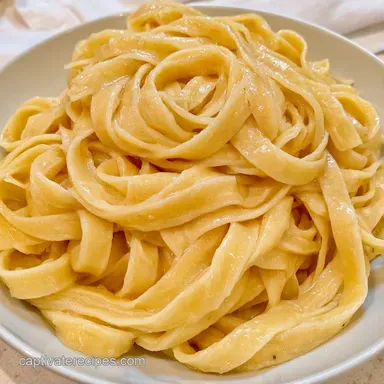
Fresh Semolina Pasta with Eggs

- Time: 15 min active + 30 min resting + 2 min cooking
- Flavor & Texture: Rich, buttery, and firm
- Perfect for: Sunday dinners or impressive date nights
Think about the last time you had pasta that actually had a "bite" to it, not just soft noodles. That comes from the semolina, which is a coarser flour made from durum wheat. It has more protein than the all-purpose stuff, giving the pasta a sturdy backbone and a vibrant yellow color.
Making fresh semolina pasta is a tactile experience. You start with a simple mound of flour and eggs, and through a bit of muscle, you turn it into a supple dough. It is a great contrast between the rough texture of the raw flour and the smooth finish of the cooked noodle.
This recipe focuses on that specific balance of hydration and protein. You get a noodle that feels luxurious but stays firm, creating a beautiful contrast when paired with a rich, creamy sauce.
Fresh Semolina Pasta Guide
- High Protein
- Semolina creates a tighter gluten network, so the noodles stay firm and don't turn into mush in the pot.
- Fat Content
- The olive oil and egg yolks make the dough more pliable and give it a rich, velvety feel.
- The Rest
- Letting the dough sit relaxes the gluten, which means it won't shrink back when you roll it thin.
Fresh vs Dried Noodles
| Feature | Fresh Semolina | Dried store-bought | Impact |
|---|---|---|---|
| Texture | Tender yet snappy | Firm and dense | Fresh feels more artisanal |
| Cook Time | 2 minutes | 8-12 minutes | Fresh is much faster |
| Flavor | Eggy and rich | Neutral/Grainy | Fresh has a bolder taste |
Pantry List and Swaps
- 1 1/2 cups (250g) semolina flour Purpose: High protein content for a traditional al dente bite
- 3 large (150g) eggs Purpose: Gives the pasta structure and a vibrant gold tone
- 1 tbsp (15ml) extra-virgin olive oil Purpose: Helps the dough stay smooth and rollable
- 1 tsp (6g) fine sea salt Purpose: Heightens the natural taste of the semolina
- 1/2 cup (60g) semolina flour (for dusting)
The Cooking Process
The Well Method
Sift the 250g of semolina flour if it has clumped in the bag to avoid lumps. Mound the flour on a clean surface and create a wide hole in the center. Crack the 3 large eggs into the center and add 1 tbsp extra-virgin olive oil and 1 tsp fine sea salt.
Using a fork, gently whisk the eggs, gradually incorporating flour from the inner walls of the well until a thick paste forms.

Kneading for Strength
Switch to your hands and knead the dough vigorously for about 8 minutes. Push the dough away with the heel of your hand, fold it back, and turn it slightly. Do this until the surface is smooth and springy.

The Resting Phase
Wrap the dough tightly in plastic wrap and let it sit at room temperature for 30 minutes. Note: Skipping this makes the dough fight you during rolling.
Rolling and Cutting
Divide the dough into four pieces. Roll each piece into a thin sheet using a rolling pin or a pasta machine (setting 6 or 7). Dust the sheets generously with 1/2 cup semolina flour to prevent sticking. Fold the sheet loosely and slice into desired width using a pasta cutter or sharp chef's knife.

The Final Boil
Bring a large pot of heavily salted water to a rolling boil. Drop the pasta into the boiling water and stir immediately. Cook for about 2 minutes until the noodles float to the surface for an al dente finish.

If Something Goes Wrong
Dough is Too Dry
Semolina absorbs moisture based on your room's humidity. If it won't form a ball, dampen your hands with water and keep kneading. Don't pour water directly into the flour, as it can make the dough gummy.
Dough Springs Back
This happens when the gluten is too tight. If the dough shrinks while you roll your fresh semolina pasta, let it rest for another 15 minutes before trying again.
Pasta Sticks Together
This usually means there wasn't enough dusting flour. Toss the cut noodles in extra semolina and shake them gently to coat every strand before they hit the water.
Storage and Freshness
Toss the cut pasta with a bit of extra semolina, form them into "nests," and keep them in a sealed tub in the refrigerator for 3 days max.
For longer storage, flash-freeze the nests on a baking sheet for 1 hour before moving them to a freezer bag. They stay good for 3 months. Cook them straight from frozen, just add 1 extra minute to the boil time.
Serving Ideas

I love pairing this pasta with a Brown Butter Sage Sauce to highlight the nutty flavor of the semolina. For a brighter contrast, try a simple lemon-garlic butter with a handful of fresh parsley.
Customizing Your Pasta
Veggie-Colored Dough
Blanch and puree spinach or beets, then replace half of the egg volume with the puree. This creates a vibrant look for party dishes.
No Machine Method
If you don't have a roller, you can follow my Fresh Pasta No Machine method to get those thin sheets using just a rolling pin.
Before You Start Cooking
Can I use all-purpose flour instead of semolina?
Yes, similar to our pizza sauce flatbread, all-purpose flour works but produces a softer texture.
Tip: Mix half all-purpose and half semolina for a middle-ground consistency.
What should I do if the dough feels too sticky?
Dust your work surface and hands with extra semolina flour.
Tip: Add the flour one tablespoon at a time to avoid making the dough too dry.
Is it true that a pasta machine is required?
No, this is a common misconception. A rolling pin works perfectly well for creating thin sheets.
Tip: Roll from the center outward to keep the thickness even.
How to tell when the dough has rested enough?
Press the dough gently with your finger and watch it slowly spring back.
Tip: Ensure it is tightly wrapped in plastic to prevent a skin from forming.
Should I cook the pasta immediately after cutting?
Yes, you can boil the fresh noodles right away for the most tender result.
Tip: Dust the cut noodles generously with semolina to stop them from clumping before they hit the water.
Where do I store the cut pasta?
Keep the noodles in nests within a sealed tub in the refrigerator for 3 days.
Tip: Flash-freeze the nests on a baking sheet for 1 hour before moving them to a freezer bag for long-term storage.
Fresh Semolina Pasta with Eggs