Greek Chicken Gyro Bowls with Charred Chicken
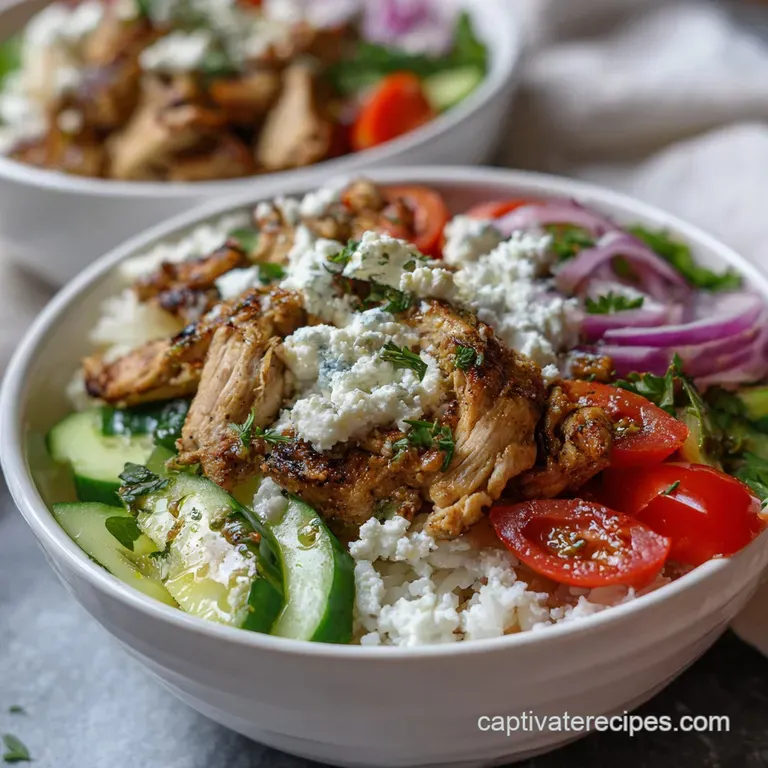
- Time: Active 15 minutes, Passive 15 minutes, Total 30 minutes
- Flavor/Texture Hook: Tangy, charred chicken paired with velvety, cool tzatziki and a crisp cucumber crunch.
- Perfect for: High protein meal prep or a vibrant weeknight dinner that saves you from boring leftovers.
- How to Make Greek Chicken Gyro Bowls
- Why These Bold Flavors Pop
- Components for Zesty Component Analysis
- Selecting Elements for Fresh Bowls
- Simple Tools for Better Searing
- Mastering the Quick Assembly Steps
- Solving Your Gyro Bowl Problems
- Creative Variations You Should Try
- Exciting Ways to Swap Flavors
- Storing Your Leftovers Safely
- Side Dishes for Your Meal
- Very High in Sodium
- Recipe FAQs
- 📝 Recipe Card
How to Make Greek Chicken Gyro Bowls
The second that 3 tbsp extra virgin olive oil hits the hot skillet, your kitchen transforms. There is this specific, sharp sizzle followed by the punchy aroma of garlic and dried oregano hitting the heat that makes my mouth water every single time.
It takes me back to this tiny street corner in Athens where the air was thick with the scent of charred meat and lemon juice. I used to think I needed a vertical rotisserie to get that specific gyro vibe, but honestly, a heavy pan and the right marinade do the job better for a home cook.
We have all been there, staring at a container of bland, dry chicken breast and wondering where it all went wrong. This recipe is the solution to that specific misery. It is about building layers, from the fluffy 3 cups cooked quinoa base to the sharp bite of 0.5 cup red onion and the salty pop of 0.5 cup Kalamata olives.
You are not just making a salad; you are engineering a bowl where every bite has a different texture. We are going for bold, vibrant flavors that wake up your palate and keep you full for hours.
Forget those soggy, uninspired lunch bowls you see in the grocery store. We are using 1.5 lbs chicken breast cut into bite sized pieces to ensure maximum surface area for that golden brown crust.
When you combine the 2 tbsp fresh lemon juice and 1 tbsp red wine vinegar, the acid starts working on the protein fibers immediately. You get a result that is tender on the inside but has those "shatter crisp" edges we all crave.
Let’s get into the details so you can stop eating boring meals and start enjoying food again.
Why These Bold Flavors Pop
The Acid Enzyme Interaction: The combination of lemon juice and red wine vinegar breaks down the tough collagen in the chicken breast, allowing moisture to penetrate deep into the meat before it even touches the pan.
Maillard Reaction Optimization: By cutting the chicken into 1 inch pieces, we increase the surface to volume ratio, which means more area for the proteins and sugars to brown and create those deep, savory flavor compounds.
Emulsified Fat Barrier: The 3 tbsp extra virgin olive oil coats the spices like 1 tbsp dried oregano and 1 tsp dried thyme, protecting them from burning in the pan while helping the heat distribute evenly across the meat.
Osmotic Seasoning: Using 1 tsp kosher salt in the marinade doesn't just season the surface; it draws moisture out and then pulls the seasoned brine back into the cells for a seasoned to the bone result.
| Thickness | Internal Temp | Rest Time | Visual Cue |
|---|---|---|---|
| 1 inch pieces | 165°F | 3 minutes | Opaque center with no pink juices |
| 0.5 inch strips | 165°F | 2 minutes | Golden brown crust on all sides |
| Whole breast | 165°F | 5 minutes | Firm to the touch with clear juices |
Similar to how we balance textures in a Mediterranean Chickpea Salad recipe, the contrast between the hot chicken and the cold 1 cup full fat Greek yogurt in the tzatziki is what makes this dish feel like a restaurant experience. The cooling effect of the grated 0.5 large English cucumber is essential to cut through the saltiness of the 0.5 cup feta cheese.
Components for Zesty Component Analysis
| Ingredient | Science Role | Pro Secret |
|---|---|---|
| Full fat Greek Yogurt | Emulsifier and Coolant | Use full fat for a velvety mouthfeel that low-fat versions simply cannot replicate. |
| Fresh Lemon Juice | Protein Denaturant | Adds a bright top note that cuts through the heavy fat of the feta and olives. |
| Quinoa | Structural Base | Toasts slightly if you sauté it for 1 minute before boiling, adding a nutty aroma. |
| Garlic | Aromatic Sulfur Compounds | Grate it instead of mincing for the tzatziki to release more oils and a sharper bite. |
Finding the right balance of ingredients is what separates a good bowl from a vibrant one. If you find yourself missing an item, don't panic. There are ways to pivot without losing that Mediterranean soul. For instance, if you're out of quinoa, you might use the base technique from a Simple Overnight Oats recipe to understand how grains absorb liquid, though here we want a fluffier, savory result.
Selecting Elements for Fresh Bowls
- 1.5 lbs chicken breast: Cut into 1 inch pieces. Why this? Ensures quick cooking and maximum browning without drying out the interior meat.
- Substitute: Chicken thighs (boneless/skinless) for a juicier, higher fat alternative.
- 3 tbsp extra virgin olive oil: Use a high-quality oil. Why this? Provides the fat needed for searing and carries the fat soluble herb flavors.
- Substitute: Avocado oil if you want a higher smoke point for a very hot sear.
- 2 tbsp fresh lemon juice: For the marinade. Why this? The citric acid tenderizes the chicken and adds a bright, zesty aroma.
- Substitute: Lime juice (will change flavor profile slightly) or 1 tbsp extra vinegar.
- 1 tbsp red wine vinegar: For tang. Why this? Adds a complex acidity that balances the earthy dried herbs.
- Substitute: Apple cider vinegar for a fruitier, slightly sweeter acidity.
- 3 cloves garlic: Minced for chicken. Why this? Essential aromatic that creates the classic savory base for Greek poultry.
- Substitute: 1.5 tsp garlic powder if fresh is unavailable (add to dry rub).
- 1 tbsp dried oregano: The classic herb. Why this? Provides the "gyro" scent that is unmistakable and deeply savory.
- Substitute: Dried marjoram for a slightly sweeter, floral herb profile.
- 3 cups cooked quinoa: The base. Why this? Provides a high protein, gluten-free grain that absorbs the dressing and juices perfectly.
- Substitute: Farro or brown rice for a more chewy, substantial texture.
- 1 cup Persian cucumbers: Diced. Why this? These have thinner skins and fewer seeds, offering a concentrated, watery crunch.
- Substitute: English cucumber, though you may want to peel it if the skin is bitter.
- 1 cup full fat Greek yogurt: For tzatziki. Why this? The thickness provides a velvety sauce that doesn't make the bowl soggy.
- Substitute: Sour cream (richer flavor) or plain coconut yogurt (for dairy-free).
Simple Tools for Better Searing
You don't need a lot of gear to make these Greek Chicken Gyro Bowls, but a few specific items make a massive difference. First, grab a large cast iron skillet. The heavy metal holds heat like a champion, ensuring that when the chicken hits the pan, the temperature doesn't drop.
This is the secret to getting that dark, savory crust. If you use a thin non stick pan, the chicken often steams in its own juices rather than searing, leaving you with grey, rubbery meat.
A box grater is also vital for the 0.5 large English cucumber in the tzatziki. You want the fine holes to create a pulp like consistency. This releases the water so you can squeeze it out, preventing your sauce from becoming a watery mess.
I also recommend a microplane for the 2 cloves of finely grated garlic; it turns the garlic into a paste that melts into the yogurt, giving you a smooth, bold flavor without the "burn" of biting into a large chunk of raw garlic.
Mastering the Quick Assembly Steps
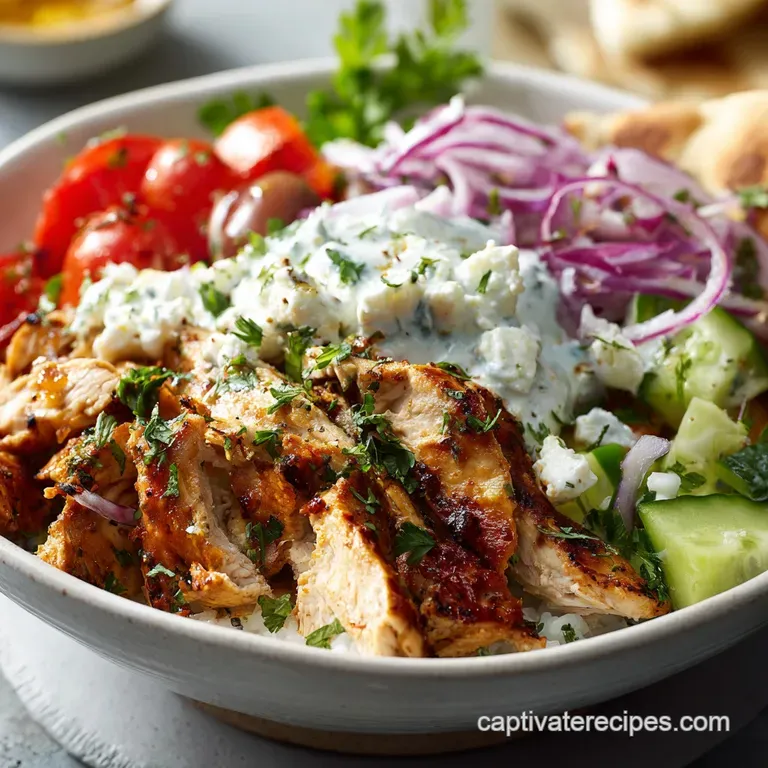
- Marinate the chicken. Combine the 1.5 lbs chicken pieces, 3 tbsp olive oil, 2 tbsp lemon juice, 1 tbsp red wine vinegar, 3 minced garlic cloves, 1 tbsp oregano, 1 tsp thyme, 1 tsp salt, and 0.5 tsp pepper in a bowl. Note: Let this sit for 15 minutes at room temperature to take the chill off the meat.
- Prep the tzatziki base. Grate the 0.5 large English cucumber and use a clean kitchen towel to squeeze out every drop of liquid. Note: Skipping this step results in a thin, soupy sauce that ruins the bowl's texture.
- Mix the creamy sauce. Stir the squeezed cucumber into 1 cup full fat Greek yogurt with 2 finely grated garlic cloves, 1 tbsp chopped fresh dill, and 1 tbsp lemon juice.
- Heat the skillet. Place your cast iron pan over medium high heat for 3 minutes until a drop of water flicked onto it dances and evaporates instantly.
- Sear the chicken. Add the chicken in a single layer, leaving space between pieces. Note: Overcrowding the pan causes the temperature to plumment, which leads to steaming.
- Develop the crust. Cook for 4 minutes without moving the meat until the edges are dark golden and the meat releases easily from the pan.
- Flip and finish. Toss the chicken and cook for another 3-4 minutes until the centers are opaque and the aroma of toasted herbs fills the room.
- Build the base. Divide the 3 cups cooked quinoa into 4 bowls and top with the hot chicken.
- Add the fresh garden. Arrange the 1 cup diced Persian cucumbers, 1 cup halved cherry tomatoes, 0.5 cup sliced red onion, and 0.5 cup Kalamata olives.
- Final garnishes. Dollop a generous scoop of tzatziki in the center, sprinkle with 0.5 cup crumbled feta, and finish with fresh parsley.
Solving Your Gyro Bowl Problems
Why Your Chicken Is Rubbery
If your chicken feels like chewing on a rubber band, it is likely because the pan wasn't hot enough or you moved the meat too soon. Chicken needs a over high heat environment to sear. When protein hits a cold pan, it bonds to the metal and leeches moisture.
By letting the pan preheat properly, the meat sears instantly, creating a barrier that keeps the juices inside.
Why Your Tzatziki Is Watery
Cucumbers are about 95% water. If you just stir them into the yogurt, that water will seep out over the next ten minutes. You must grate the cucumber and then use a towel or a fine mesh sieve to press out the moisture. You should end up with a dry, concentrated cucumber pulp.
This ensures the yogurt stays velvety and thick, clinging to the chicken rather than running to the bottom of the bowl.
| Problem | Root Cause | Solution |
|---|---|---|
| Dry Chicken | Overcooked past 165°F | Use an instant read thermometer and pull the meat at 160°F; carryover heat will finish it. |
| Bland Quinoa | Cooked in plain water | Boil quinoa in chicken bone broth or add a pinch of salt and lemon zest to the water. |
| Soggy Vegetables | Pre salting tomatoes/cucumbers | Do not salt the raw vegetables until the moment you are ready to serve the bowl. |
Chef's Tip: Freeze your block of feta for 10 minutes before crumbling. This makes the crumbles more distinct and prevents them from turning into a mushy paste when you toss the bowl.
Common Mistakes Checklist
- ✓ Pat the chicken completely dry with paper towels before adding it to the marinade.
- ✓ Ensure the red onions are sliced "paper thin" to avoid an overwhelming raw onion bite.
- ✓ Don't skip the 15 minute marinade; the vinegar needs time to work its magic on the fibers.
- ✓ Use fresh dill for the tzatziki; dried dill often tastes dusty and lacks the vibrant, grassy punch.
- ✓ Allow the cooked chicken to rest for 3 minutes before adding it to the bowls to retain internal juices.
Creative Variations You Should Try
If you want to switch things up, there are plenty of ways to adapt this recipe for different dietary needs or flavor preferences. For instance, if you're looking for a lower carb option, you can swap the quinoa for cauliflower rice.
Just sauté the cauliflower rice in a little olive oil and lemon zest first to give it some character. It won't have the same protein punch as quinoa, but it lightens the dish significantly for a hot summer day.
- If you want a Mediterranean crunch, add a handful of toasted chickpeas or pita chips to the top right before serving.
- If you need a dairy-free version, use a high-quality almond based yogurt and swap the feta for extra Kalamata olives or a sprinkle of nutritional yeast for that salty, umami hit.
- If you want a smoky profile, add 0.5 tsp of smoked paprika to the chicken marinade to mimic the flavor of a charcoal grill.
| Variation | Change | Flavor Impact |
|---|---|---|
| Beef Gyro Style | Use flank steak strips | Richer, heavier flavor with a more chewy texture. |
| Roasted Veggie | Add roasted bell peppers | Adds a charred sweetness that balances the tangy tzatziki. |
| Spicy Kick | Add 1 tsp red pepper flakes | Provides a lingering heat that contrasts the cooling yogurt. |
If you are a fan of quick, fresh meals, you might also enjoy the technique used in my Mochiko Chicken Bites recipe. While the flavor profile is entirely different, the focus on small, perfectly seared pieces of chicken is a universal secret for the best home cooked bowls.
Exciting Ways to Swap Flavors
A lot of people think that "marinating" means the chicken needs to sit in the fridge overnight. In reality, with a high acid marinade like this one, leaving it too long can actually turn the meat mushy.
The acid starts to "cook" the protein (like a ceviche), and after 4-6 hours, the texture becomes unappealing. 15 to 30 minutes is the sweet spot for these thin pieces.
Another myth is that you should use low-fat yogurt to make the bowl healthier. Please, don't do it. low-fat Greek yogurt often contains thickeners and lacks the conjugated linoleic acid (CLA) found in full fat dairy that actually helps with satiety.
The velvety texture of full fat yogurt is what makes this feel like a treat rather than a chore to eat. Trust me, the flavor difference is massive, and it keeps the bowl from feeling monotonous.
Storing Your Leftovers Safely
Fridge Storage: You can keep the components of these Greek Chicken Gyro Bowls in the fridge for up to 4 days. However, I highly recommend storing the hot items (chicken and quinoa) separately from the cold items (cucumbers, tomatoes, and tzatziki).
This prevents the vegetables from getting warm and the chicken from getting soggy from the yogurt sauce.
Freezing Guidelines: The cooked chicken and quinoa freeze beautifully for up to 3 months. Place them in airtight containers or heavy duty freezer bags. Do NOT freeze the tzatziki or the fresh vegetables; the cucumber will turn to mush and the yogurt will separate upon thawing.
Zero Waste Tip: If you have leftover red onion and cucumber, toss them with a little extra red wine vinegar and dried oregano to make a quick pickle for tomorrow’s sandwich.
Use the chicken bones or scraps from future meals to make a broth, or toss the herb stems into your next soup for an aromatic boost.
Side Dishes for Your Meal
When you're looking to round out this meal, think about textures that are missing. These bowls are quite soft and crunchy, so adding something warm and pillowy like toasted pita bread is a classic choice.
You can brush the pita with a little olive oil and a dash of za'atar before heating it in the oven for 5 minutes. It’s the perfect vessel for scooping up the last bits of tzatziki and feta at the bottom of the bowl.
If you want something even lighter on the side, a simple Lemon Herb Chicken recipe approach to roasted potatoes can work wonders. The starch of the potatoes pairs beautifully with the tangy Greek flavors. For a drink, a crisp glass of Assyrtiko wine or a simple sparkling water with a heavy squeeze of lemon and a sprig of mint will keep the palate refreshed between bites.
| Component | Fresh Prep | Shortcut Version | Outcome Difference |
|---|---|---|---|
| Tzatziki | Grated cucumber/yogurt | store-bought tub | store-bought is often thinner and has more preservatives. |
| Quinoa | Boiled in broth | Pre cooked pouch | Pouches are convenient but can be drier and less seasoned. |
| Chicken | Marinated/Skillet seared | Rotisserie chicken + spices | Fresh sear provides better texture and more "gyro" flavor. |
Scaling this recipe is straightforward. If you're cooking for two, simply halve the ingredients. For the 3 cloves of garlic, you can use 2 to keep the flavor bold. If you're scaling up for a crowd (2x or 3x), work in batches when searing the chicken.
Overcrowding the pan is the quickest way to lose that vibrant, charred crust we worked so hard to achieve. Keep the finished batches in a 200°F oven to stay warm while you finish the rest.
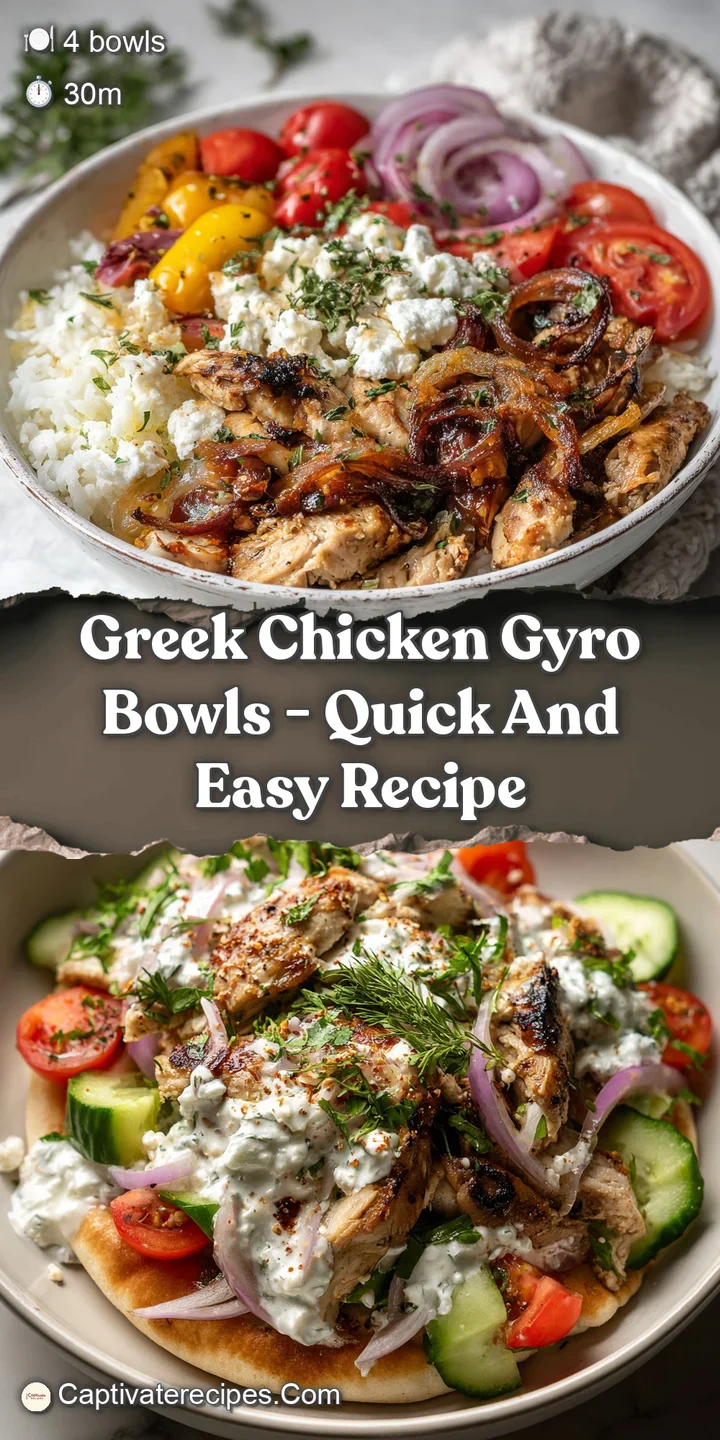
Very High in Sodium
1180 mg mg of sodium per serving (51% of daily value)
The American Heart Association recommends limiting sodium intake to no more than 2,300mg per day for most adults.
Tips to Reduce Sodium in this Recipe
-
Reduce Feta Cheese-20%
Feta cheese is a significant source of sodium. Try using half the amount or opting for a lower sodium cheese alternative, or omitting it completely. This substitution significantly reduces the sodium content while still maintaining the flavor profile.
-
Reduce Added Salt-20%
Cut back on the 1 tsp of kosher salt. Start with half a teaspoon and taste before adding more. You can always add more, but you can't take it away! Consider using a salt substitute or a blend of herbs and spices.
-
Limit Kalamata Olives-15%
Kalamata olives are naturally high in sodium due to the brining process. Use fewer olives, or rinse them thoroughly before adding them to the dish. Consider swapping with a low-sodium olive option.
-
Enhance with Lemon-10%
Increase the amount of fresh lemon juice and herbs to enhance the flavor without relying on salt. Lemon adds brightness and complements the other ingredients. A squeeze of lemon can help reduce the need for added salt.
-
Herb & Spice Power
Experiment with a variety of fresh and dried herbs and spices like garlic powder, onion powder, paprika, and pepper. These additions can add depth and complexity to your meals, reducing the need for sodium.
Recipe FAQs
Can I substitute chicken thighs for the chicken breast in this recipe?
Yes, absolutely. Chicken thighs offer a higher fat content, resulting in a juicier piece of meat that is more forgiving if slightly overcooked.
How long is the absolute maximum I should marinate the chicken?
Do not exceed 6 hours. The high acidity from the lemon juice and vinegar will start to break down the protein too much, leading to a mushy texture rather than tender meat.
Why is my tzatziki sauce thin and watery instead of creamy?
You skipped pressing the water out of the cucumber. Grate the cucumber and use a clean kitchen towel or fine mesh sieve to squeeze out all excess liquid before mixing it into the yogurt base.
Is it true that I must use a cast iron skillet to achieve the proper charred texture?
No, this is a common misconception. You need a heavy bottomed pan that retains high heat, such as stainless steel or carbon steel, but cast iron is preferred for superior heat retention.
What is the best replacement for quinoa if I want a lower carbohydrate base?
Use cauliflower rice as a direct substitute. To prevent it from tasting bland, sauté the cauliflower rice briefly with olive oil and lemon zest before adding it to the bowl base.
If I need to meal prep this, should I store the tzatziki separately from the cooked chicken?
Yes, always store the tzatziki separately. When storing leftovers, keep the sauce, the chicken, and the fresh vegetables divided to maintain optimal texture and prevent the vegetables from wilting.
How do I ensure the quinoa base is flavorful instead of bland?
Cook the quinoa in seasoned liquid instead of water. Use low sodium chicken broth and add a pinch of salt and lemon zest to the water before boiling to infuse flavor into the grain cells.
Greek Chicken Gyro Bowls
Ingredients:
Instructions:
Nutrition Facts:
| Calories | 692 kcal |
|---|---|
| Protein | 67 g |
| Fat | 28 g |
| Carbs | 37 g |
| Fiber | 6 g |
| Sugar | 5 g |
| Sodium | 1180 mg |
