Mango Cake: Silky and Velvety
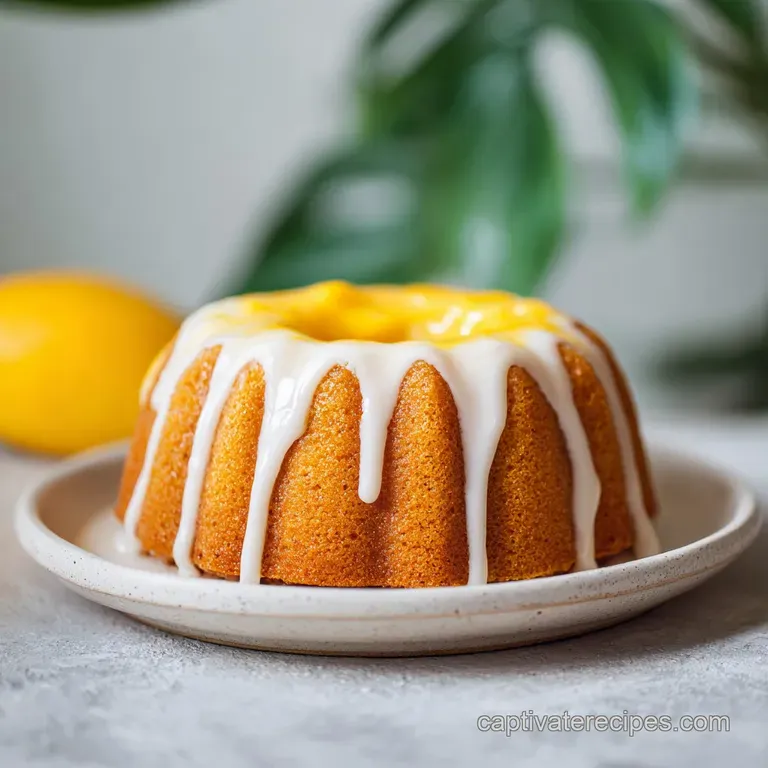
- Time: Active 15 minutes, Passive 45 minutes, Total 1 hour
- Flavor/Texture Hook: A silky, melt in-the mouth crumb with a bright, aromatic mango finish.
- Perfect for: Summer garden parties, bright afternoon tea, or a joyful weekend project.
- Creating the Ultimate Golden Sliced Mango Cake
- The Science Behind Achieving a Velvety Tropical Crumb
- Important Measurements and Times for Your Fruit Sponge
- Selecting the Best Ingredients for Your Mango Cake
- Must Have Equipment for a Successful Baking Session
- Detailed Instructions for a Bright and Sunny Sponge
- Solutions for Common Tropical Baking Roadblocks
- Simple Ways to Adapt This Recipe for Everyone
- Preserving Your Fresh Golden Cake
- Joyful Pairings for Your Golden Mango Slice
- Recipe FAQs
- 📝 Recipe Card
Creating the Ultimate Golden Sliced Mango Cake
I still remember the first time I pulled a Mango Cake out of the oven and the scent didn't just fill my kitchen it practically floated out the window and down the street. It was a humid July afternoon, and I was determined to capture that specific, floral sweetness of a sun ripened mango in a form that didn't involve just eating the fruit over the sink.
The kitchen was a mess of flour and golden splatters, but when that first warm slice hit the plate, it was absolute magic.
We’ve all been there with fruit cakes sometimes they come out heavy, or worse, you hit a soggy patch where the fruit didn't quite play nice with the batter. I spent a few weekends failing at this, dealing with sunken centers and muted flavors, before I realized the secret wasn't in more fruit, but in the type of fruit.
Moving away from chunky pieces to a concentrated pulp changed everything, giving me that vibrant color and consistent texture I was craving.
This version is my pride and joy because it’s remarkably simple but looks like something you’d find in a high end artisanal bakery. You aren't just making a dessert; you're creating a centerpiece that smells like a tropical vacation.
The crumb is tight but tender, the glaze is punchy and bright, and honestly, it’s the kind of bake that makes people ask for the recipe before they've even finished their first piece. Trust me, once you see that golden glow, you'll be just as obsessed as I am.
The Science Behind Achieving a Velvety Tropical Crumb
Baking is often seen as a series of instructions, but understanding the physics of the batter helps us avoid those common pitfalls like a gummy texture or a flat rise. When we work with fruit purees, we are introducing a lot of moisture and natural sugars, which can weigh down a delicate sponge if not balanced correctly.
- Pectin Gelation: Mango pulp is naturally high in pectin, which acts as a secondary structural binder, helping the flour maintain a soft yet stable shape without becoming crumbly.
- Acidic Leavening: The lactic acid in Greek yogurt reacts immediately with the baking soda, creating tiny carbon dioxide bubbles that expand in the oven’s heat for a light lift.
- Oil Emulsification: Using neutral oil instead of butter ensures the fat stays liquid at room temperature, which keeps the cake feeling moist on the tongue even after it has cooled.
- Starch Gelatinization: As the cake bakes, the starches in the all purpose flour absorb the liquid from the mango puree, swelling and setting to create a sturdy, sliceable framework.
| Premium Choice | Budget Alternative | Flavor Impact | Savings |
|---|---|---|---|
| Fresh Alphonso Mangoes | Canned Mango Pulp | Canned is often sweeter and more consistent. | Save $5-8 |
| Organic Greek Yogurt | Sour Cream | Sour cream adds more richness but similar tang. | Save $2-3 |
| Pure Vanilla Bean | Vanilla Extract | Extract provides great flavor for a fraction of the cost. | Save $15+ |
The choice of mango is the biggest variable here. While fresh is lovely, a high-quality canned pulp (often found in international aisles) provides a consistent sugar to acid ratio that guarantees the same result every single time you bake.
Important Measurements and Times for Your Fruit Sponge
Precision is what separates a good bake from a "wow, can I have another slice?" bake. I always recommend using a kitchen scale for the flour and pulp, as volume measurements can vary wildly depending on how tightly you pack your measuring cup.
| Component | Science Role | Pro Secret |
|---|---|---|
| All Purpose Flour | Provides the gluten structure. | Sift twice to ensure a light, airy crumb. |
| Mango Pulp | Hydration and flavor source. | Use Alphonso pulp for the most vibrant orange color. |
| Greek Yogurt | Tenderizes and adds acidity. | Ensure it is full fat for the best mouthfeel. |
| Neutral Oil | Prevents gluten over development. | Choose grapeseed or canola to let the fruit shine. |
Getting the timing right is just as vital as the ingredients. If you pull it too early, the center will collapse as it cools. If you wait too long, the sugars in the mango will start to caramelize into a burnt, bitter edge.
Aim for that specific moment when the sides just start to pull away from the pan and the aroma changes from "sweet" to "toasted."
Selecting the Best Ingredients for Your Mango Cake
To get that artisanal finish, we need to be picky about what goes into the bowl. Every ingredient has a job to do, and choosing the right substitutes can help you tailor the bake to what's in your pantry without losing that signature joy.
- 1.5 cups mango pulp (350g): The heart of the recipe. Why this? Provides moisture and the primary flavor profile without thinning the batter.Substitute: Peach or apricot puree works for a different stone fruit vibe.
- 2 cups all purpose flour (250g): The structural backbone. Why this? Provides enough protein for height without making the cake tough.Substitute: Cake flour for an even finer, more delicate texture.
- 0.75 cup granulated sugar (150g): Sweetness and browning. Why this? It aerates the oil and yogurt during the initial mixing phase.Substitute: Light brown sugar for a deeper, caramel like undertone.
- 0.5 cup neutral oil (120ml): For lasting moisture. Why this? Keeps the cake soft for days, unlike butter which hardens when cold.Substitute: Melted coconut oil for a subtle tropical scent.
- 0.5 cup Greek yogurt (120g): The tenderizer. Why this? Its thick consistency adds richness without making the batter too runny.Substitute: Plain sour cream or thick buttermilk.
- 1.5 tsp baking powder & 0.5 tsp baking soda: The lift. Why this? This duo ensures both immediate and sustained rising in the oven.Substitute: None recommended; the balance is key to the rise.
- 0.25 cup mango puree & 1 cup powdered sugar (glaze): The finish. Why this? Adds a concentrated punch of fruit flavor to the top.Substitute: A simple lemon juice and powdered sugar glaze.
Must Have Equipment for a Successful Baking Session
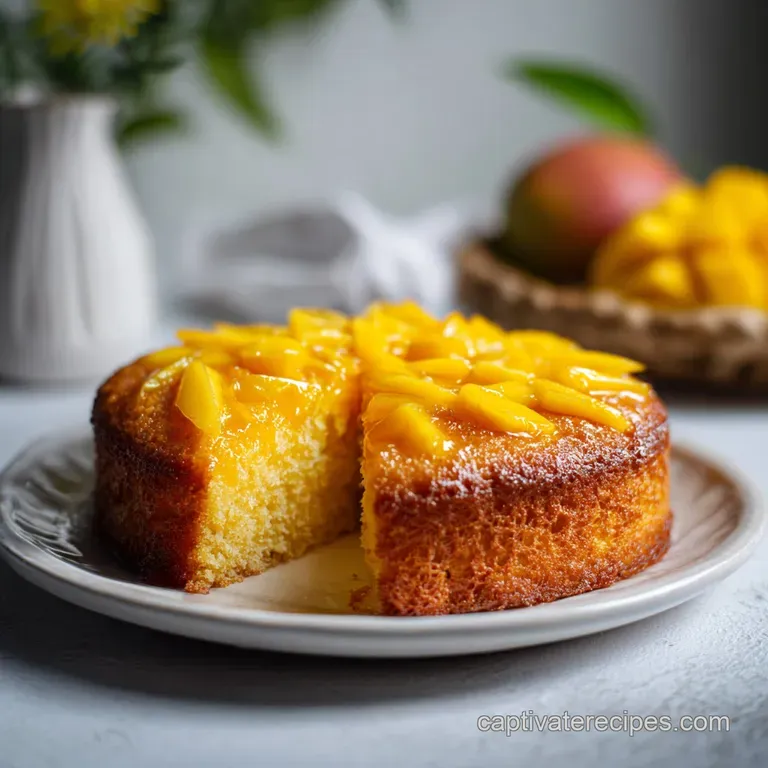
You don't need a professional kitchen, but a few specific tools will make the process much smoother. I personally love using a light colored metal loaf pan because it distributes heat more evenly than glass or dark silicone, preventing those over browned edges.
A sturdy whisk and a silicone spatula are your best friends here. You want to be able to scrape the very bottom of the bowl to ensure no pockets of flour are hiding. If you have a stand mixer, feel free to use it on a low setting, but honestly, doing this by hand gives you much better control over the gluten development.
For the glaze, a small fine mesh sieve is helpful for sifting the powdered sugar. Nothing ruins a beautiful cake faster than lumpy frosting! And if you really want to be precise, an instant read thermometer is the secret weapon of home cooks everywhere. If the center hits 205°F, it's done.
Detailed Instructions for a Bright and Sunny Sponge
Let's get into the rhythm of the bake. Start by preheating your oven to 350°F (175°C) and greasing your pan. The first aroma you'll notice is the sweet, slightly tangy scent of the yogurt mixing with the mango it’s like a tropical smoothie in a bowl.
- Whisk the dry ingredients. Combine the 2 cups of all purpose flour, baking powder, baking soda, and salt in a large bowl. Note: Sifting here prevents clumps and aerates the flour.
- Blend the wet base. In a separate bowl, whisk the 0.75 cup of granulated sugar with the 0.5 cup of neutral oil until combined.
- Incorporate the dairy. Add the 0.5 cup of Greek yogurt to the sugar mixture and whisk until smooth.
- Add the star player. Pour in the 1.5 cups of mango pulp, whisking until the mixture turns a vibrant, uniform orange.
- Combine gently. Gradually fold the dry ingredients into the wet. Note: Stop the moment you see no more white streaks of flour.
- Transfer to pan. Pour the batter into your prepared loaf pan and smooth the top with a spatula.
- Bake the sponge. Place in the center of the oven for 45 minutes until a skewer comes out clean and the kitchen smells like toasted fruit.
- Prepare the glaze. While the cake cools, whisk the 0.25 cup mango puree with 1 cup powdered sugar and 1 tsp lemon juice until it looks like thick, glossy lava.
- Cool completely. Let the cake sit in the pan for 10 minutes, then move to a wire rack. Note: If you glaze it while hot, the icing will just run right off.
- Apply the finish. Pour the glaze over the cooled cake and let it set for 20 minutes before slicing.
Chef's Tip: To get a perfectly straight crack down the middle of your cake, dip a knife in melted butter and draw a line down the center of the batter just before putting it in the oven. It guides the steam and looks professional!
Solutions for Common Tropical Baking Roadblocks
Why Your Mango Cake Sank
If your cake looks beautiful in the oven but collapses the moment you take it out, it's usually a structural failure. This often happens if the leavening agents (baking powder/soda) were expired, or if you opened the oven door too early.
The sudden rush of cool air shocks the rising bubbles before the flour has had time to set.
To Solve a Dry Crumb
A dry cake is heartbreaking. This is usually caused by over measuring the flour or over baking. If you don't have a scale, make sure you're using the "spoon and level" method for your flour.
Also, remember that the cake continues to cook for a few minutes once it's out of the oven, so don't wait for it to look "dry" before pulling it out.
| Problem | Root Cause | Solution |
|---|---|---|
| Gummy layer at bottom | Mango pulp was too watery. | Simmer the pulp for 5 mins to reduce moisture before using. |
| Burned edges, raw center | Oven temperature too high. | Tent the cake with foil and lower the temp by 25°F. |
| Cake stuck to pan | Didn't grease/flour well enough. | Use parchment paper "slings" for easy removal next time. |
Common Mistakes Checklist
- ✓ Ensure your mango pulp is at room temperature so it doesn't seize the oil.
- ✓ Tap the filled pan on the counter three times to pop large air bubbles.
- ✓ Never over mix the batter once the flour is added (this makes it tough).
- ✓ Check your oven temperature with a separate thermometer to ensure accuracy.
- ✓ Let the cake cool entirely before slicing to allow the crumb to set.
Simple Ways to Adapt This Recipe for Everyone
If you’re looking to change things up, this batter is incredibly forgiving. For those who want a heartier texture, you can swap half of the all purpose flour for whole wheat pastry flour. It adds a nutty depth that pairs surprisingly well with the tropical fruit.
If you want to save some time, this recipe makes fantastic muffins just reduce the bake time to about 18-22 minutes.
For another citrusy adventure, you might enjoy my Mini Lemon Coconut recipe, which uses a similar moisture balancing technique. If you want to go full tropical, add a half cup of shredded coconut to this mango batter for an extra layer of texture.
Adjusting the YieldTo scale down: You can easily halve this recipe. Use a smaller 6 inch round pan and start checking for doneness at 30 minutes. Use one small egg if you feel the batter needs more structure when halved.
To scale up: Doubling this works well for two loaf pans. Avoid baking them in one massive pan, as the center will likely remain raw while the edges burn. Keep spices and salt at 1.5x to avoid overpowering the fruit.
Preserving Your Fresh Golden Cake
This cake actually tastes even better on the second day! As it sits, the moisture from the mango pulp distributes even more thoroughly through the crumb, making it incredibly tender.
- Fridge
- Keep in an airtight container for up to 5 days. I actually prefer it slightly chilled with a cup of hot coffee.
- Freezer
- This cake freezes beautifully. Wrap individual slices in plastic wrap and then foil. They will stay fresh for up to 3 months. Thaw at room temperature for about an hour.
- Zero Waste Tip
- If you have leftover mango pulp, don't throw it out! Freeze it in ice cube trays to drop into smoothies or stir it into your morning oatmeal for a tropical boost.
Joyful Pairings for Your Golden Mango Slice
Serving this cake is the best part. I love to top it with a dollop of unsweetened whipped cream or a scoop of coconut sorbet. The creaminess cuts through the sugar and highlights the floral notes of the mango.
If you're feeling fancy, a few fresh mint leaves or a sprinkle of lime zest over the glaze adds a beautiful pop of color and a fresh aroma.
If you are a fan of vibrant, colorful desserts, you should definitely check out my Ube Tres Leches Cake recipe. Both cakes share that same joyful, celebratory spirit and focus on authentic fruit flavors.
Flavor Myths Debunked: Fresh is always better: In the case of mango cake, high-quality canned pulp is often superior because it has been processed at peak ripeness and has a consistent water content, which is crucial for baking.
Extra sugar means extra moist: Actually, too much sugar can draw moisture away from the flour and protein, leading to a cake that feels "wet" but actually has a dry, crumbly structure. Stick to the measurements for the best result!
There’s something so satisfying about mastering a bake like this. It’s not just a recipe; it’s a way to bring a little bit of sunshine into your kitchen regardless of the weather outside. Now, get that oven preheated and let the tropical aromas take over!
Recipe FAQs
Can I add fresh chunks of mango directly into the cake batter?
No, it is strongly discouraged. Fresh chunks release too much water during baking, leading to soggy pockets and potentially causing the center of your cake to sink.
Can I use a box cake mix as a shortcut for mango cake?
Yes, you absolutely can, but adjust the liquid. Replace some or all of the liquid called for in the mix with mango pulp to infuse flavor, but reduce the milk/water by about 1/4 cup to account for the added puree moisture.
What type of frosting pairs best with the bright flavor of mango cake?
Cream cheese frosting or a light lime glaze are ideal pairings. The slight tang from either option cuts through the cake’s sweetness, providing a balanced, complex flavor profile.
How do I ensure my mango cake crumb is velvety and not dense?
Use oil instead of butter and incorporate Greek yogurt for tenderness. The oil remains liquid at room temperature, keeping the crumb soft, while the yogurt's acid helps activate the leavening agents for a better rise. If you enjoyed mastering gentle texture control here, see how the same principle applies to achieving a soft crumb in our Moist Vanilla Cupcakes recipe.
Is it true that I must use only expensive Alphonso mangoes for the best flavor?
False. While Alphonso mangoes offer peak flavor, high-quality canned pulp (often found in Asian markets) provides a more consistent sugar and acid level, guaranteeing repeatable baking success.
What temperature should the cake be when I apply the glaze?
The cake must be completely cooled to room temperature. Applying glaze to a warm cake will cause it to melt instantly and slide right off the sides, creating a thin, clear coating instead of a thick, opaque finish.
What is the most delicious cake in the world?
That is purely subjective, but this mango cake is incredibly popular. Its bright, balanced flavor profile and melt-in-your mouth texture make it a strong contender for many people's favorite dessert.
Moist Mango Cake Recipe
Ingredients:
Instructions:
Nutrition Facts:
| Calories | 278 kcal |
|---|---|
| Protein | 3.1 g |
| Fat | 9.7 g |
| Carbs | 43.4 g |
| Fiber | 1.3 g |
| Sugar | 27.2 g |
| Sodium | 105 mg |
