Spicy Thai Peanut Chicken Recipe
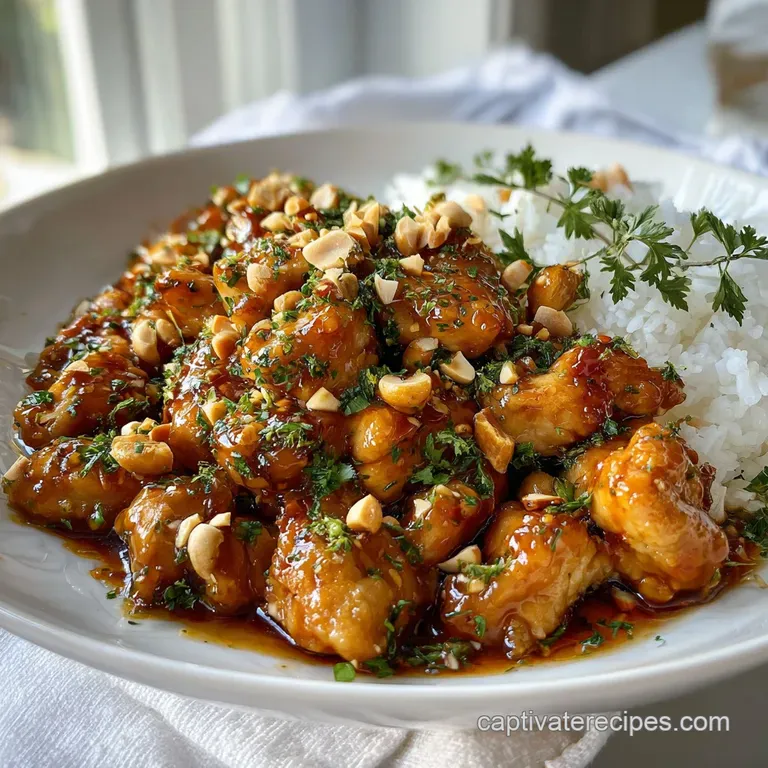
- Time: Active 15 minutes, Passive 15 minutes, Total 30 minutes
- Flavor/Texture Hook: Velvety, nutty sauce with a spicy kick
- Perfect for: Tired home cooks needing a reliable weeknight win
- Easy Weeknight Spicy Thai Peanut Chicken
- The Science of Emulsified Heat
- Essential Ingredient Component Analysis
- Simple Equipment for Better Results
- Step-by-Step Cooking Process
- Solving Common Culinary Hurdles
- Creative Swaps and Variations
- Smart Storage and Reheating
- Ideal Pairings for Balance
- HIGH in Sodium
- Recipe FAQs
- 📝 Recipe Card
Easy Weeknight Spicy Thai Peanut Chicken
The sizzle of sliced chicken hitting a hot pan is easily the best sound of my Tuesday nights. I used to be the person who stared at the takeout menu for twenty minutes before giving in, simply because I thought a proper curry sauce was too much effort for a weeknight.
Then I realized that the magic isn't in the time spent over the stove, but in how you treat the ingredients you already have in the pantry.
This dish is my go to when the fridge looks bare but the craving for something rich and comforting is hitting hard. The aroma of fresh ginger and garlic hitting the oil is an instant mood lifter, filling the kitchen with a scent that promises something much better than a plastic container delivery.
We’ve all had those "peanut" dishes that are either too sweet or weirdly oily, but we're skipping those pitfalls today.
What you're getting here is a velvety, salt and sweet balance that clings to the chicken rather than puddling at the bottom of the plate. It's reliable, it works every single time, and honestly, it’s one of those recipes that makes you feel like a much better cook than you actually had to be to make it.
Let’s get into why this works so well.
The Science of Emulsified Heat
Fat Stability: Peanut butter acts as a powerful emulsifier, binding the water based coconut milk and the oils from the curry paste into a singular, cohesive sauce.
Maillard Reaction: Searing the chicken at high heat before adding liquid creates a crust of amino acids and sugars that provides a savory backbone to the sweet sauce.
Capsaicin Suspension: The high fat content in the coconut milk and peanut butter coats the tongue, allowing you to enjoy the heat of the sambal oelek without it becoming overwhelming.
| Thickness | Internal Temp | Rest Time | Visual Cue |
|---|---|---|---|
| 2.5 cm cubes | 74°C | 3 minutes | No longer translucent, juices run clear |
| 1.3 cm strips | 74°C | 2 minutes | Opaque center, edges slightly browned |
| Ground chicken | 74°C | 1 minute | Completely browned with no pink bits |
Using the right cut and size ensures the meat remains succulent rather than turning into rubber. If you're looking for a different texture profile, you might enjoy the crunch in my Mochiko Chicken Bites recipe.
Essential Ingredient Component Analysis
| Ingredient | Science Role | Pro Secret |
|---|---|---|
| Peanut Butter | Emulsifier and Thickener | Use creamy, processed brands for the smoothest, most stable sauce. |
| Red Curry Paste | Aromatic Foundation | Bloom it in hot oil first to release fat soluble flavor compounds. |
| Fish Sauce | Umami Multiplier | Don't smell it raw; it provides essential saltiness and depth once cooked. |
| Lime Juice | Acidic Balancer | Always add at the very end to keep the citrus notes bright and fresh. |
Building a dish like this is all about understanding how these elements interact. For example, the honey isn't just for sweetness; it helps the sauce thicken and become glossy as it reduces.
If you're out of red curry paste, you can substitute with a mix of chili powder, cumin, and extra ginger, though the flavor will lean more "spiced" than "authentic."
For the base, you'll need 680g (1.5 lbs) of chicken breast, sliced into 2.5 cm (1 inch) pieces. We'll use 15ml (1 tbsp) of neutral oil I prefer avocado oil because it handles the over high heat sear without smoking. The aromatics are simple: 2 cloves of garlic and 15g (1 tbsp) of fresh ginger.
Don't use the powdered stuff; it lacks the zing we need here.
The sauce is a blend of 125g (0.5 cup) creamy peanut butter and 120ml (0.5 cup) full fat coconut milk. We'll add 30g (2 tbsp) red curry paste for depth and 15ml (1 tbsp) sambal oelek for heat. Finish it with 15ml (1 tbsp) fish sauce, 15ml (1 tbsp) honey, and 30ml (2 tbsp) of fresh lime juice.
For that final "shatter" of texture, 35g (0.25 cup) of crushed roasted peanuts is a must.
Simple Equipment for Better Results
You don't need a professional kitchen, but a heavy bottomed pan is your best friend here. I usually reach for my 30 cm cast iron skillet because it holds heat like a champ, which is exactly what you want when searing the chicken.
If you use a thin non stick pan, the chicken tends to steam and turn gray instead of getting those beautiful golden edges.
A microplane is another game changer for this recipe. Grating the ginger and garlic directly into the pan ensures they melt into the sauce without leaving behind any woody chunks. If you're prepping for a crowd, a sharp chef's knife makes quick work of the red bell pepper and cilantro.
Chef Tip: Freeze your ginger for 10 minutes before grating. It makes the fibers stiff so they break easily against the grater rather than turning into a stringy mess.
step-by-step Cooking Process
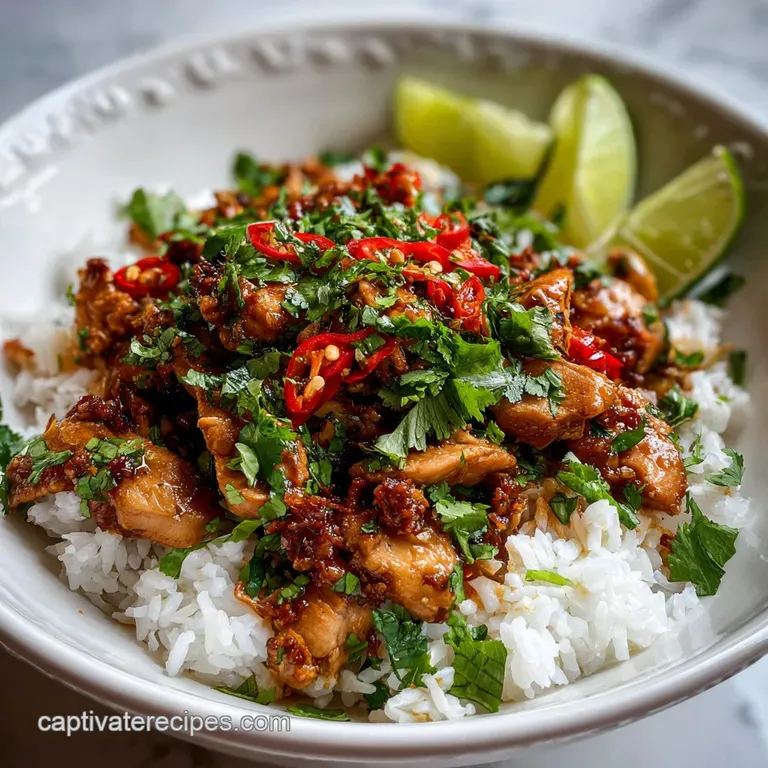
1. The Sear Phase
Heat 15ml of neutral oil in your skillet over medium high heat until it shimmers. Add the 680g of sliced chicken in a single layer. Cook for 5 minutes until the edges are golden and the meat releases easily from the pan.Note: Don't crowd the pan, or the chicken will boil in its own juices.
2. The Aromatic Base
Push the chicken to the sides and drop in the minced garlic and grated ginger. Sauté for 1 minute until the fragrance hits you. Add the thinly sliced red bell pepper and toss everything together, letting the pepper soften slightly but keep its snap.
3. The Sauce Emulsion
In a small bowl, whisk the peanut butter, coconut milk, curry paste, sambal oelek, fish sauce, and honey. Pour this mixture over the chicken and stir constantly.Note: The peanut butter will look chunky at first but will smooth out as it warms.
4. The Glossy Finish
Reduce the heat to medium low and simmer for 5 minutes. Wait until the sauce thickens and coats the back of a spoon. Remove from heat and stir in the lime juice. Garnish with crushed peanuts, cilantro, and green onions before serving.
Solving Common Culinary Hurdles
1. The Sauce is Too Thick
If your peanut butter is particularly high in protein or low in oil, the sauce can turn into a paste the second it hits the heat. This often happens if the simmer goes on too long, causing the water in the coconut milk to evaporate too quickly.
| Problem | Root Cause | Solution |
|---|---|---|
| Clumpy Sauce | Lack of liquid/High heat | Whisk in 30ml of warm water or extra coconut milk. |
| Rubbery Chicken | Overcooking | Sear fast and finish simmering just until cooked through. |
| Oily Separation | Sauce "broke" | Remove from heat and whisk vigorously with a splash of water. |
2. The Flavor is One Dimensional
Sometimes the sauce tastes "flat." This usually means the balance of salt, acid, and sugar is off. If it tastes dull, it likely needs more lime juice or fish sauce. If it's too spicy, a tiny bit more honey can mellow it out.
- ✓ Pat the chicken completely dry with paper towels before searing to ensure a proper crust.
- ✓ Preheat your pan for at least 3 minutes; a cold pan is the enemy of flavor.
- ✓ Don't skip the fish sauce it provides the "secret" depth that salt alone can't achieve.
- ✓ Let the dish sit for 2 minutes after cooking to let the sauce thicken and stabilize.
- ✓ Always use full fat coconut milk; the lite version won't emulsify correctly with the peanut butter.
Creative Swaps and Variations
If you're looking for a shortcut, you can swap the chicken breast for rotisserie chicken. Just skip the searing step and go straight to sautéing the aromatics and peppers, then toss the shredded chicken in at the end to warm through. It's a lifesaver on those nights when you truly have zero energy.
For a veggie forward version, extra firm tofu works brilliantly. Press the tofu for 20 minutes to get the water out, then pan fry it until crispy before adding the sauce components.
If you're monitoring your carb intake, this dish is fantastic over cauliflower rice or even just a big pile of steamed bok choy.
| Original Ingredient | Substitute | Why It Works |
|---|---|---|
| Chicken Breast (680g) | Sliced Thighs (680g) | Higher fat content makes them more forgiving and juicy. |
| Honey (15ml) | Brown Sugar (15g) | Provides a similar sweetness with a slight molasses undertone. |
| Red Bell Pepper | Snap Peas or Broccoli | Adds a different crunch and holds the sauce well in the crevices. |
If you love the flavor profile but want a different presentation, this sauce is amazing in a Greek Chicken Gyro Bowls recipe (just swap the tzatziki for this peanut sauce!).
Smart Storage and Reheating
This is one of those rare dishes that actually tastes better the next day because the flavors have time to mingle. Store any leftovers in an airtight container in the fridge for up to 4 days. When reheating, the sauce will likely have thickened into a solid mass. Don't panic!
Just add a tablespoon of water before microwaving or reheating on the stovetop to bring back that silky texture.
For freezing, this recipe holds up well for about 2 months. I recommend freezing the chicken and sauce together. When you're ready to eat, let it thaw in the fridge overnight. Reheat it slowly in a skillet over low heat, stirring often to prevent the peanut butter from scorching.
To reduce waste, save the stems from your cilantro. Mince them finely and add them to the pan at the same time as the garlic and ginger. They hold even more flavor than the leaves and add a nice bit of texture to the sauce base.
Ideal Pairings for Balance
Since this dish is quite rich and savory, you want sides that offer a bit of contrast. A simple bed of jasmine rice is the classic choice because it soaks up every drop of that velvety sauce.
If you want something lighter, a cold cucumber salad with rice vinegar and sesame oil provides a refreshing "snap" that cuts through the creaminess of the peanuts.
If you're feeling ambitious, pairing this with a citrus forward dish like a Chinese Lemon Chicken recipe can make for an incredible family style spread.
Debunking Kitchen Rumors
Myth: You must use "Natural" peanut butter for Thai inspired dishes. Truth: Natural peanut butter (the kind you have to stir) often separates when heated.
For the most reliable, silky emulsion, a standard creamy peanut butter like Jif or Skippy actually works better because of the added stabilizers.
Myth: Searing meat seals in the juices. Truth: Searing doesn't create a waterproof barrier; it creates flavor. The juices stay in because we don't overcook the meat and we let it rest for a few minutes before serving.
Myth: Coconut milk is only for curries. Truth: It's a versatile fat source. In this recipe, it acts as the liquid base that prevents the peanut butter from becoming too cloying, creating a perfectly balanced Spicy Thai Peanut Chicken.
HIGH in Sodium
980 mg mg of sodium per serving (43% % of daily value)
The American Heart Association recommends limiting sodium intake to about 2,300mg per day for overall health.
Tips to Reduce Sodium in Your Peanut Chicken Recipe
-
Reduce Fish Sauce-20%
Fish sauce is a significant source of sodium. Reduce the amount from 1 tbsp to 1/2 tbsp, or replace it entirely with low-sodium soy sauce or coconut aminos. This can significantly cut the sodium content.
-
Control the Heat-15%
Sambal Oelek and Sriracha contribute sodium. Reduce the amount used or substitute with fresh chili peppers (like Thai chilies) to control the spice level without added salt. Consider a salt free chili garlic sauce.
-
Lower Sodium Curry Paste-15%
Many red curry pastes are high in sodium. Look for a low-sodium version or make your own from scratch using fresh spices. This will give you complete control over the sodium content.
-
Unsalted Peanuts-10%
Ensure you're using unsalted roasted peanuts for garnish. Even a small amount of salt in the peanuts can contribute to the overall sodium level. Look for unsalted or no salt added.
-
Boost with Lime & Herbs
Enhance the flavor of the dish with extra lime juice, fresh cilantro, and green onions. These additions will help compensate for the reduction in sodium without sacrificing taste.
Recipe FAQs
Can I substitute almond butter for peanut butter?
Yes, you can substitute, but expect flavor changes. Almond butter is often less fatty and has a stronger, earthier flavor that will shift the traditional Thai profile.
If you need an alternative for allergy reasons, you might try sunflower seed butter, though for best texture control, study the [3ingredient peanut butter recipe] techniques.
How to prevent the sauce from separating after it cools?
Reheat gently and always add water when warming up. Separation happens when the emulsion cools or is overheated aggressively; the fats contract and separate from the liquid components. Whisk in a tablespoon of warm water or extra coconut milk slowly while stirring over low heat until it re-emulsifies.
Is it true that I must use chicken breast?
No, chicken thighs are actually superior for texture. Thigh meat has a higher fat content, which means it remains significantly juicier after being seared and simmered in a thick sauce.
If you master the even searing technique used here, you can apply the same principle to our [Sweet Savory Chicken recipe] for a different outcome.
How to manage the spice level if I don't like too much heat?
Omit the sambal oelek completely and reduce the curry paste. The heat comes primarily from the sambal, so removing it drops the fire significantly. If you still find it spicy from the curry paste, balance it by adding an extra teaspoon of honey or a squeeze of lime juice at the end.
What is the role of fish sauce in this recipe?
Fish sauce provides essential umami and deep salinity. It acts as a flavor multiplier, adding a savory complexity that regular salt cannot replicate. If you're interested in building intense savory bases in other cooking styles, mastering this flavor layering is key, similar to the flavor building in our [Chicken Pesto Pasta Salad with Cherry Tomatoes in 15 Minutes: One-Pot Method].
How long can I safely store the finished peanut sauce separately?
Yes, the sauce keeps well for up to four days refrigerated. Store the sauce in an airtight container separate from the chicken if you plan on freezing portions or prefer to add different proteins later. Remember to thin it slightly with water or broth when reheating, as it will become quite stiff.
How to achieve a glossy, non-grainy sauce coating?
Simmer gently over low heat after adding the sauce base. A glossy coating is achieved by allowing the peanut butter and coconut milk to form a stable emulsion just until the water evaporates enough to thicken the sauce and cling to the meat. Avoid boiling, which can break the emulsion.
Spicy Thai Peanut Chicken
Ingredients:
Instructions:
Nutrition Facts:
| Calories | 658 kcal |
|---|---|
| Protein | 64 g |
| Fat | 37 g |
| Carbs | 17 g |
| Fiber | 4 g |
| Sugar | 9 g |
| Sodium | 980 mg |
