Springy Singapore Noodles Recipe
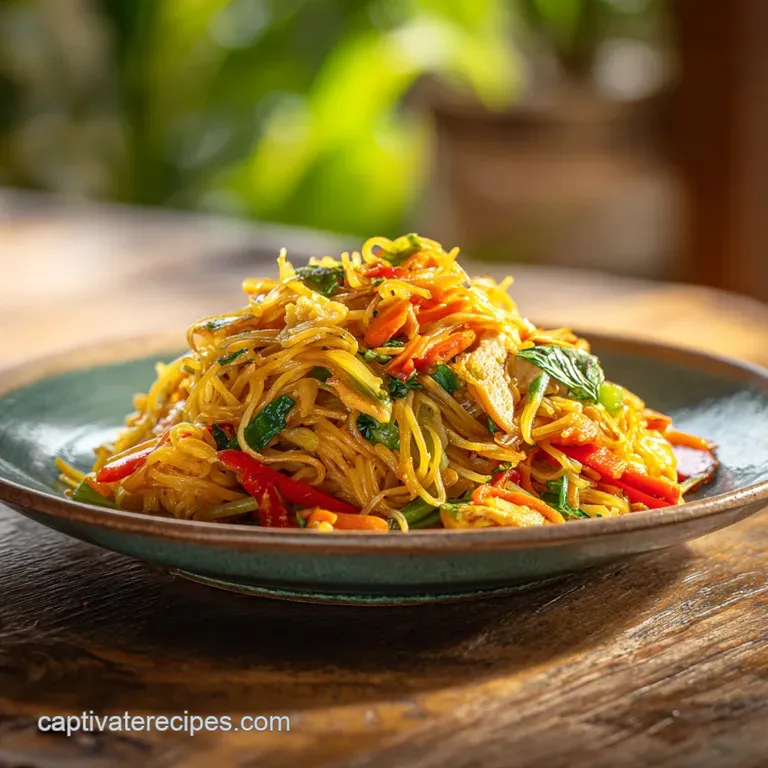
- Time: Active 20 min, Passive 10 min, Total 30 min
- Flavor/Texture Hook: Savory sweet spices with springy, non mushy noodles
- Perfect for: Busy weeknights when you want high impact flavor fast
- Why This Specific Texture Works
- Essential Recipe Specs and Details
- Sourcing Your Authentic Pantry Staples
- Kitchen Gear for Better Stir Frying
- Executing the Perfect Assembly Process
- Fixing Texture and Flavor Problems
- Smart Swaps for Dietary Needs
- Keeping Your Leftovers Fresh Longer
- Serving Ideas and Myth Busting
- High in Sodium
- Recipe FAQs
- 📝 Recipe Card
Why This Specific Texture Works
Building the perfect plate of noodles is more about physics than you might think, especially when dealing with delicate rice flour strands.
- Starch Retrogradation: By soaking noodles in warm water instead of boiling them, we keep the starch granules partially intact. This prevents them from leaching out into a gummy film that makes the noodles stick to the pan.
- Spice Tempering: The Madras curry powder isn't just tossed in at the end; we bloom it in the hot oil. This fat soluble extraction releases essential oils that are otherwise trapped in the dried spices, creating a deeper aromatic profile.
- Maillard Management: over High heat searing of the 150g chicken breast and 150g shrimp creates a savory crust. By cooking them first and removing them, we prevent the "steaming" effect that happens when a pan is overcrowded with vegetables.
- Emulsification Stability: The sugar and toasted sesame oil in the sauce act as a bridge between the watery soy sauce and the fat in the pan. This ensures every strand is coated in a glossy, savory sheen rather than a puddle of oil.
| Method | Cook Time | Texture Outcome | Best For |
|---|---|---|---|
| Traditional Wok | 6-8 mins | Maximum "breath of the wok" char | over High heat gas burners |
| Large Carbon Steel Skillet | 8-10 mins | Excellent sear and heat retention | Standard home stovetops |
| Non Stick Fry Pan | 10-12 mins | Softened edges, less char | Beginners or low-fat cooking |
Choosing the right vessel depends on your stove's power, but a heavy skillet is usually the reliable choice for most home cooks. A wider surface area allows moisture to evaporate quickly, which is the secret to avoiding soggy noodles.
Essential Recipe Specs and Details
When you're tired after work, the last thing you want is a recipe that lies about how long it takes. I've timed this out so you can move from the cutting board to the table in exactly 30 minutes.
The most important part of the prep is the noodle hydration. You'll want to use 200g of dried rice vermicelli. If you use the thicker "stick" noodles, the timing will be completely off. We are aiming for the thin, wiry ones that look like a bird's nest.
While those soak, you'll have exactly enough time to slice your 150g of chicken breast into thin batons. Cutting the chicken into thin strips ensures it cooks at the same speed as the shrimp, which is vital for maintaining a tender bite.
Precision matters here. We’re using 1.5 tbsp of Madras curry powder not regular curry powder. Madras has a bit more heat and a specific blend of turmeric and fenugreek that defines the flavor of this dish. If you swap it for a mild blend, the noodles might look a bit pale and lack that signature kick.
Sourcing Your Authentic Pantry Staples
Getting the right ingredients is half the battle won. You don't need a specialty market for most of this, but the specific types of soy sauce make a huge difference in the final color.
| Ingredient | Science Role | Pro Secret |
|---|---|---|
| Rice Vermicelli | Structural Base | Soak in warm water (approx 50°C) to keep them "al dente" |
| Madras Curry Powder | Aromatic Profile | Bloom in oil for 30 seconds to activate fat soluble flavors |
| Dark Soy Sauce | Color Agent | Use sparingly; it’s for that rich mahogany hue, not saltiness |
| Shaoxing Rice Wine | Deglazing / Umami | The acidity cuts through the oil and lifts browned bits from the pan |
- 200g dried rice vermicelli: Look for "Mung Bean" or "Rice" thin vermicelli.
- Substitute: Thin glass noodles (cellophane) work but offer a chewier, more translucent texture.
- 150g chicken breast: Sliced into thin batons. Why this? Chicken provides a lean protein that absorbs the curry yellow beautifully.
- Substitute: Pork tenderloin sliced just as thin.
- 150g large shrimp: Peeled and deveined. Why this? Shrimp add a snap and a sweetness that balances the earthy curry spices.
- Substitute: Extra firm tofu batons, pan-fried until golden.
- 1.5 tbsp Madras curry powder: The engine of the dish.
- Substitute: Regular yellow curry powder plus a pinch of cayenne pepper.
- 2 large eggs: Lightly beaten.
- Substitute: Chickpea flour "egg" scramble for a vegan ish swap.
- Aromatics: 3 cloves garlic (minced) and 1 tsp fresh ginger (grated).
- Substitute: Garlic and ginger paste if you're in a real rush.
- The Crunch: 1 small bell pepper (julienned), 0.5 small onion (sliced), and 1 cup fresh mung bean sprouts.
- Substitute: Shredded cabbage or carrots if you lack sprouts.
- The Sauce: 2 tbsp light soy sauce, 1 tsp dark soy sauce, 1 tsp toasted sesame oil, 1 tsp sugar, and 1 tbsp Shaoxing rice wine.
Kitchen Gear for Better Stir Frying
You don't need a million gadgets to make a great stir fry, but a few specific tools will make your life much easier. First, a large skillet or wok is non negotiable. You need space to toss the noodles without them flying out of the pan. I personally use a 12 inch carbon steel skillet because it holds heat like a champ.
Chef's Note: If you don't have a wok, use your largest flat bottomed skillet. A crowded pan is the enemy of a good stir fry; it leads to steaming rather than searing.
A good Microplane or fine grater is also a lifesaver for the ginger. Grating it directly into the pan ensures the flavor is distributed evenly rather than getting a big chunk of ginger in one bite.
Also, have a pair of long kitchen tongs or a pasta fork ready they are much better at disentangling rice noodles than a standard spatula.
Executing the Perfect Assembly Process
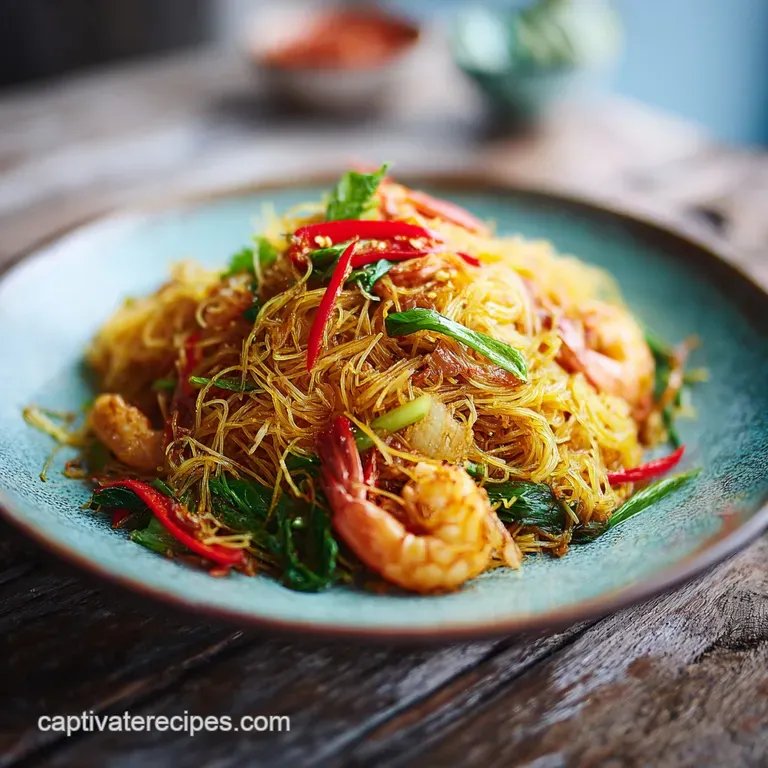
- Hydrate the noodles. Place 200g dried rice vermicelli in a large bowl and cover with warm water for 8 minutes until pliable but still having a slight "bite". Note: Don't use boiling water or they will turn to mush during the stir fry phase.
- Mix the seasoning. In a small jar, whisk together the light soy, dark soy, sesame oil, sugar, and Shaoxing wine. Note: Premixing prevents the sugar from clumping in the hot pan.
- Scramble the eggs. Heat 1 tsp of oil in your skillet over medium high heat, pour in the beaten eggs, and cook for 1 minute until just set but still soft. Remove and set aside.
- Sear the proteins. Add 1 tbsp oil to the pan. Toss in the chicken batons and shrimp, cooking for 3 minutes until the shrimp turn pink and the chicken is opaque. Remove from the pan to avoid overcooking.
- Sauté the base. Add the remaining oil, then toss in the onion and bell pepper. Stir fry for 2 minutes until the onions are translucent but still have a snap.
- Bloom the aromatics. Push the vegetables to the side and add the garlic, ginger, and Madras curry powder to the center. Cook for 30 seconds until the kitchen smells intensely fragrant.
- Incorporate the noodles. Drain the vermicelli thoroughly and add them to the pan along with the sauce mixture.
- Toss and combine. Use tongs to lift and turn the noodles, ensuring they are evenly coated in the yellow spice. Cook for 2 minutes until the noodles have absorbed the liquid.
- The final fold. Return the chicken, shrimp, and eggs to the pan. Add the 1 cup of mung bean sprouts and green onions.
- Flash cook. Toss everything together for 1 minute until the sprouts are slightly wilted but still crunchy. Serve immediately.
Fixing Texture and Flavor Problems
The most common hurdle with this dish is the texture of the noodles. If they feel like a solid brick, they were likely drained too early or didn't have enough oil to separate them. On the flip side, if they are falling apart, they were over soaked.
Why the noodles break
Rice noodles are fragile. If you find yours are snapping into tiny pieces, it’s usually because of one of two things: either they were soaked in water that was too hot, or you are being too aggressive with your spatula. Use tongs to gently lift and drop the noodles rather than stirring them in a circular motion.
This keeps the long strands intact.
Why it tastes bland
Sometimes the curry powder can feel "dusty" or muted. This happens if the spices didn't get enough time to bloom in the oil. If you’ve already finished the dish and it lacks punch, don't just add more powder that will make it gritty.
Instead, stir in a tiny bit of extra soy sauce or a splash of chili oil to brighten it up.
| Problem | Root Cause | Solution |
|---|---|---|
| Noodles are gummy | Over soaked or boiled | Only use warm water and drain 1 minute before "done" |
| Grit in the sauce | Spices didn't bloom | Ensure curry powder hits the oil directly for 30 seconds |
| Pale yellow color | Not enough turmeric/dark soy | Add a teaspoon of dark soy for depth and more curry powder next time |
Common Mistakes Checklist ✓ Always drain noodles in a colander and shake well to remove excess water. ✓ Slice your chicken across the grain so it stays tender and doesn't get chewy. ✓ Don't skip the sugar; it balances the bitterness of the turmeric in the curry powder.
✓ Keep the heat high if the pan cools down, the vegetables will start to boil in their own juice.
Smart Swaps for Dietary Needs
Making this work for different diets is actually pretty easy because the base is naturally gluten-free (just check your soy sauce labels).
For a Vegan Friendly Version
Swap the chicken and shrimp for 300g of extra firm tofu batons. I like to pan fry the tofu separately until it's really crispy before adding it back in at the end. You can also add more mushrooms or sliced bok choy to increase the "meaty" texture.
Use a vegan stir fry sauce or extra soy sauce in place of any oyster sauce (though this recipe doesn't call for it, some variations do).
For Low Carb/Keto Seekers
While rice noodles are the heart of the dish, you can use "Shirataki" or Konjac noodles as a substitute. Be warned: they don't absorb the sauce quite as well as rice vermicelli, so you might want to reduce the liquid in the sauce by about 25% to prevent a watery bowl.
Alternatively, use a mountain of shredded cabbage (cole slaw mix works great) as the "noodle" base for a very low carb stir fry.
If you are scaling the recipe up for a party, work in batches. Trying to cook 800g of noodles in one pan will result in a soggy, unevenly seasoned mess. Cook the proteins all at once, but stir fry the noodles and veggies in two separate rounds, then combine them at the very end.
Keeping Your Leftovers Fresh Longer
Singapore Noodles actually hold up surprisingly well for lunch the next day. The spices have more time to meld, and the noodles firm up a bit in the fridge.
- Fridge: Store in an airtight container for up to 3 days. The noodles will soak up more sauce as they sit, so they might be a bit drier when you go to eat them.
- Freezer: I don't recommend freezing this dish. Rice vermicelli becomes very brittle when frozen and thawed, often turning into a mushy texture that isn't very pleasant.
- Reheating: The best way to reheat is in a skillet with a tiny splash of water or chicken broth. This creates a bit of steam that helps "unstick" the noodles and brings back that glossy finish. Avoid the microwave if possible, as it can make the shrimp rubbery.
Zero Waste Tip: Don't throw away those broccoli stalks or the white parts of the green onions. Slice them thinly and toss them in with the peppers. They add a great crunch and save you from tossing perfectly good nutrition in the bin.
Serving Ideas and Myth Busting
There is a long standing myth that "Singapore Noodles" actually come from Singapore. In reality, you’ll rarely find this specific dish there; it's a Cantonese creation from Hong Kong that became a global favorite.
Knowing this doesn't change the flavor, but it helps explain why the flavor profile feels like a fusion of Indian spices and Chinese stir fry techniques.
Another myth is that you need a roaring fire to get "wok hei" or that smoky flavor. While a big flame helps, you can mimic this by letting your noodles sit undisturbed in the hot pan for 30-45 seconds at the very end. This allows the bottom layer to slightly caramelize and char, giving you that elusive smoky note.
For the perfect side, I usually go with something light and acidic to cut through the earthy curry. A simple cucumber salad with rice vinegar and a pinch of chili flakes is brilliant. If you want something more substantial, some crispy spring rolls or dim sum style dumplings work beautifully.
For drinks, a cold, crisp lager or a jasmine tea balances the heat of the Madras curry without overpowering the delicate shrimp. It’s a reliable, filling meal that feels like a treat every single time.
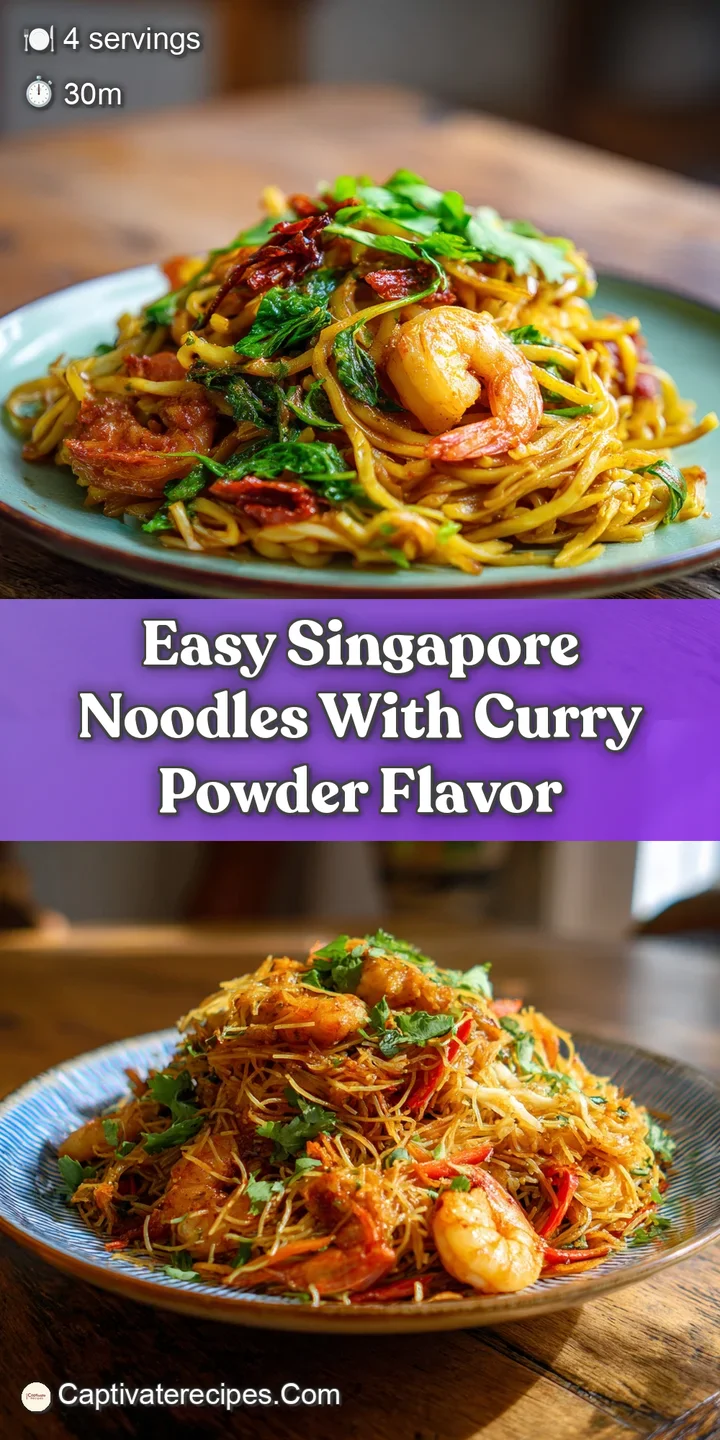
High in Sodium
980 mg of sodium per serving (43% of daily value)
The American Heart Association recommends limiting sodium intake to about 2,300mg per day.
Tips to Reduce Sodium in Your Rice Vermicelli Dish
-
Reduce Soy Sauce-25%
Soy sauce is a major sodium contributor. Reduce the amount of light soy sauce to 1 tablespoon and eliminate the dark soy sauce entirely, since its main contribution is color. This will significantly cut down on the dish's overall sodium content.
-
Low-Sodium Soy Sauce-20%
Replace regular light soy sauce with a low-sodium soy sauce. This simple swap can dramatically reduce the sodium content without sacrificing flavor.
-
Spice It Up!-15%
Madras curry powder can be high in sodium. Use a low-sodium curry powder blend or create your own blend with individual spices like turmeric, coriander, cumin, and chili powder to control the sodium.
-
Dilute Shaoxing Wine-10%
Dilute the Shaoxing rice wine with an equal part of water or low-sodium chicken broth (if using chicken broth, factor in sodium content) to reduce its sodium contribution. A splash of rice vinegar can enhance the flavor.
-
Fresh Herbs & Spices
Enhance the flavor with fresh herbs like cilantro, basil, or mint, and other spices like black pepper, white pepper, or red pepper flakes. These additions will boost the taste without adding sodium.
Recipe FAQs
What exactly are Singapore noodles?
They are stir fried thin rice vermicelli noodles. This Cantonese dish is characterized by its vibrant yellow color derived from Madras curry powder, combined with shrimp, chicken, and vegetables.
What do Singapore noodles taste like?
Savory, slightly sweet, and distinctly aromatic with a mild curry spice. The flavor comes primarily from blooming the Madras curry powder in hot oil, creating a rich, earthy base coating the springy noodles.
What is the difference between Singapore noodles and regular noodles?
Singapore noodles specifically use thin rice vermicelli, not wheat based alternatives. Regular noodles might be thicker or use flour, whereas these rely on a soak not-boil method for a specific springy texture.
Are Singapore noodles healthier than rice?
It depends on the portion and preparation, but generally, they offer more balance. While both contain carbohydrates from rice flour, this dish includes lean protein (chicken/shrimp) and vegetables, making it a more complete meal.
How do I prevent my noodles from turning mushy during cooking?
Soak the vermicelli in warm water (around 50°C) for exactly 8 minutes until pliable but still firm. Drain them thoroughly before adding to the wok; boiling them is the primary cause of mushiness.
Why do my noodles taste dusty instead of spicy?
The spices were not properly bloomed in fat. Ensure you push the vegetables aside and cook the Madras curry powder directly in the hot oil for about 30 seconds until it is intensely fragrant before mixing everything.
Is it true that Singapore Noodles are actually from Singapore?
No, this is a common misconception. The dish is actually a product of Hong Kong Cantonese cuisine, heavily influenced by Indian spices, not a native Singaporean street food.
Springy Singapore Noodles
Ingredients:
Instructions:
Nutrition Facts:
| Calories | 431 kcal |
|---|---|
| Protein | 29.4 g |
| Fat | 12.3 g |
| Carbs | 48.5 g |
| Fiber | 3.2 g |
| Sugar | 2.8 g |
| Sodium | 980 mg |
