Sweet Corn Miso Chowder: Silky Vegan Comfort
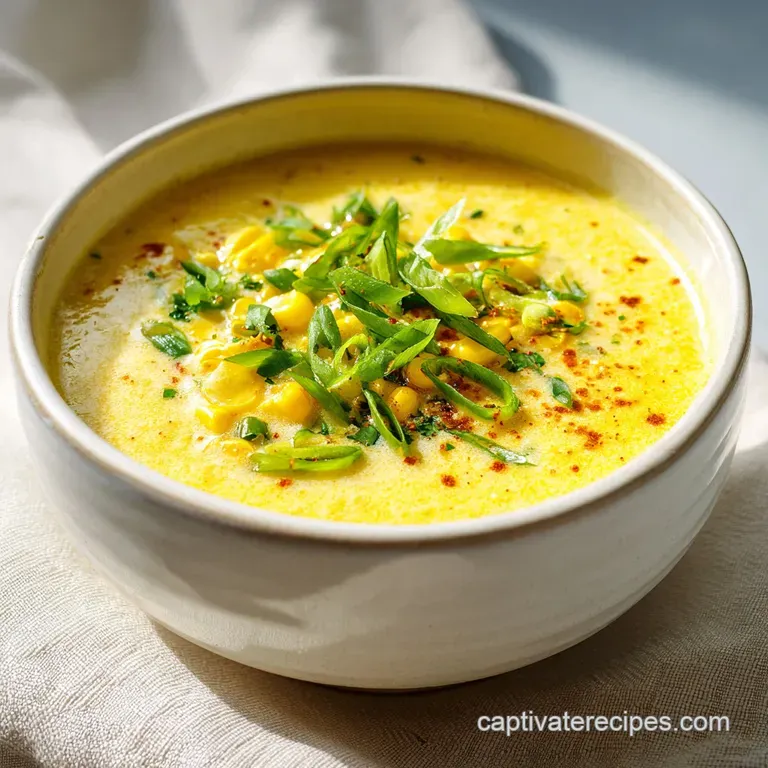
- Time: Active 15 minutes, Passive 25 minutes, Total 40 minutes
- Flavor/Texture Hook: Silky coconut base with pops of charred sweetness and a salty umami finish
- Perfect for: A comforting weeknight dinner that feels like a high end bistro meal
- Creating a Silky Sweet Corn Miso Chowder at Home
- Essential Stats for the Perfect Bowl
- Science Behind the Silky Broth
- Deep Dive into Component Analysis
- Shopping List for Corn Miso Chowder
- Step-by-Step Preparation Flow
- Fixing Common Chowder Mishaps
- Strategic Scaling Guidelines
- Kitchen Myths Debunked
- Storage and Zero Waste Tips
- Creative Serving Suggestions
- Recipe FAQs
- 📝 Recipe Card
Creating a Silky Sweet Corn Miso Chowder at Home
The first time I heard the sizzle of fresh corn kernels hitting a hot pan alongside leeks, I knew this was going to be a staple. There is something about that specific aroma buttery, grassy, and sweet that instantly makes a kitchen feel like a sanctuary.
I used to think chowder needed heavy cream and bacon to be satisfying, but then I had a total "aha" moment in my own kitchen when I realized how much work a spoonful of white miso could do.
I've spent many summer afternoons testing this because I kept making the same mistake: I was throwing away the corn cobs. Honestly, that's where the soul of the soup lives. When you milk those cobs into the broth, the texture goes from thin to velvety without adding a drop of flour.
This Vegan Sweet Corn Miso Chowder is the result of those experiments, balancing the bright acidity of lime with the deep, fermented saltiness of the miso.
We are skipping the complicated roux and the heavy dairy today. Instead, we are leaning on the starch from Yukon Gold potatoes and the richness of full fat coconut milk. You'll find that this dish doesn't just satisfy a craving; it resets your expectations of what a plant based soup can achieve.
It is simple, reliable, and works every single time you need a bowl of something that feels like a warm hug.
Essential Stats for the Perfect Bowl
Before we start chopping, let's look at how this version stacks up against the old school way of doing things. I’m a big fan of the "fast" approach because I usually want dinner on the table before I lose my motivation.
This Corn Miso Chowder is designed to be efficient without sacrificing that "simmered all day" depth.
| Method | Total Time | Texture | Primary Thickener |
|---|---|---|---|
| Quick Miso Method | 40 minutes | Silky and light | Potato starch & coconut fat |
| Classic Seafood Chowder | 1 hour 15 mins | Heavy and thick | Flour based roux & heavy cream |
| Slow Cooker Version | 6 hours | Very soft/mushy | Extended starch breakdown |
Chef's Tip: If you want to take this to the next level, freeze your butter for 10 minutes and grate a tiny bit over the top of the hot soup right before serving. It creates a shimmering, rich finish that is absolutely gorgeous.
Science Behind the Silky Broth
The Umami Synergizer: Miso contains glutamate which, when paired with the natural sweetness of corn, creates a "savory sweet" profile that triggers more taste buds than salt alone.
Starch Gelatinization: As Yukon Gold potatoes simmer, their starch molecules swell and burst, naturally thickening the vegetable broth into a velvety consistency without the need for a flour roux.
Deep Dive into Component Analysis
Choosing the right ingredients is the difference between a flat soup and one that makes you want to lick the bowl. I always reach for Yukon Golds here because their waxy yet-creamy texture holds up better than starchy Russets.
| Ingredient | Science Role | Pro Secret |
|---|---|---|
| White Miso | Provides fermented salt and body | Never boil it directly; whisk it in at the end to keep probiotics and flavor alive. |
| Coconut Milk | Acts as the primary lipid (fat) source | Use full fat only. The medium chain triglycerides provide a "coating" feel on the tongue. |
| Corn Cobs | Natural corn "milk" extraction | Simmering the naked cobs releases pentosans that add a distinct, creamy sweetness. |
| Lime Juice | Acidic brightness | Use fresh lime to cut through the heavy fats of the coconut milk and the salt of the miso. |
The magic of this Miso Chowder really comes from the interplay of these parts. If you've tried my Mochiko Chicken Bites recipe, you know I love a good balance of salty and sweet. This soup hits those same notes but in a much more comforting, liquid form.
Shopping List for Corn Miso Chowder
Grab your tote bag and head to the market. For the best results, try to get corn that still has the husks on they stay much juicier that way.
- 4 ears fresh sweet corn: (Approx. 3 cups kernels). Why this? Fresh corn provides better texture and essential "cob milk" for the broth.
- Substitute: 3 cups frozen fire roasted corn (though you'll lose the cob flavor).
- 2 large Yukon Gold potatoes: Peeled and diced into 1/2 inch cubes. Why this? They provide a buttery texture without falling apart completely.
- Substitute: Red potatoes (keep the skins on for extra fiber).
- 1 large leek: White and light green parts only. Why this? Leeks are sweeter and milder than onions, letting the corn shine.
- Substitute: One small yellow onion, finely diced.
- 3 cloves garlic: Minced. Why this? Essential aromatic base for depth.
- Substitute: 1 tsp garlic powder (added with the paprika).
- 13.5 oz full fat coconut milk: One standard can. Why this? Creates the creamy mouthfeel required for a proper chowder.
- Substitute: Cashew cream for a more neutral, less tropical flavor.
- 3 cups low sodium vegetable broth: Why this? Allows you to control the saltiness from the miso paste.
- Substitute: Chicken bone broth if you don't need it to be vegan.
- 3 tbsp white miso paste: Why this? Offers a mild, salty sweet fermented funk.
- Substitute: Yellow miso (avoid red miso as it is too overpowering).
- 1 tbsp neutral oil: Avocado or grapeseed. Why this? High smoke point for sautéing without adding flavor.
- 1 tsp smoked paprika: Why this? Adds a subtle "bacon like" smokiness to the vegan base.
- 1 tbsp fresh lime juice: Why this? Essential for "waking up" the fermented notes of the miso.
step-by-step Preparation Flow
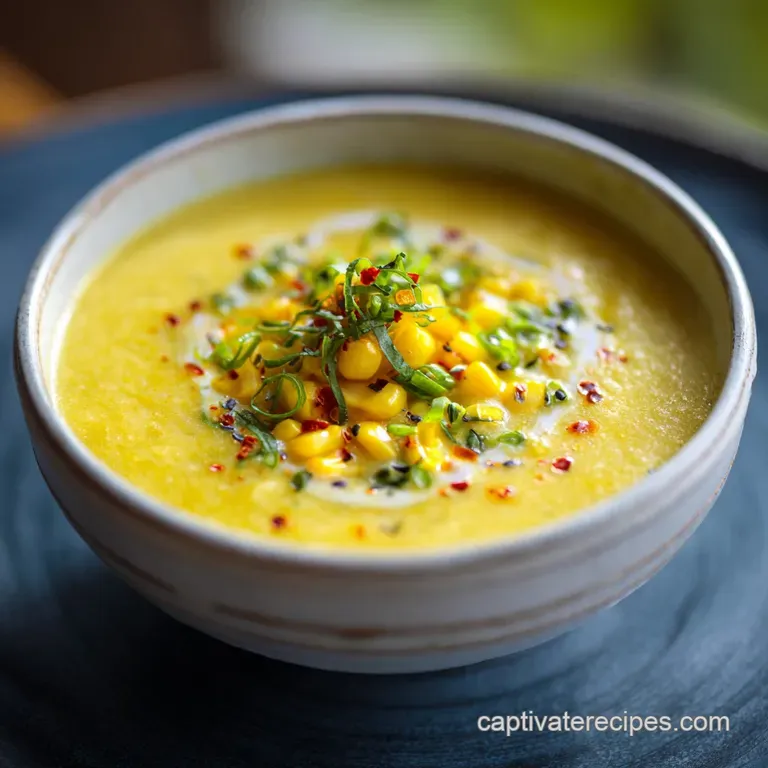
Managing your time in the kitchen makes the whole process feel much less like a chore. I like to follow a specific "prep cook finish" timeline to keep things moving.
1. The Prep Phase (Minutes 0-15)
Start by shucking your corn. Use a sharp chef's knife to slice the kernels off the cob into a large bowl. Don't throw those cobs away! Run the back of your knife down the cob to scrape out the "milk" this is liquid gold.
Clean your leeks thoroughly by slicing them and soaking them in a bowl of cold water to let the dirt sink to the bottom. Peel and cube your potatoes so they are ready to go.
2. Sauté and Soften
Heat 1 tbsp neutral oil in a large pot over medium heat. Add the sliced leeks and a pinch of salt. Sauté for about 5 minutes until the leeks are translucent and soft.
Note: Do not let them brown, or the soup will look muddy. Stir in the 3 cloves of minced garlic and 1 tsp smoked paprika, cooking for another 60 seconds until the aroma fills the room.
3. The Liquid Base
Add the 3 cups of vegetable broth, the 2 diced Yukon Gold potatoes, and the 4 naked corn cobs to the pot. Bring the mixture to a boil, then immediately reduce to a simmer. Cover the pot and cook for about 12 to 15 minutes until the potatoes are fork tender.
4. Infusing the Corn
Remove the corn cobs from the pot using tongs, scraping them one last time to get any remaining starch back into the liquid. Stir in the corn kernels and the 13.5 oz of full fat coconut milk. Simmer for 5 more minutes until the corn kernels are tender but still have a slight "pop" when bitten.
5. The Umami Finish
This is the most important part. Take about half a cup of the hot broth and place it in a small bowl with the 3 tbsp of white miso paste. Whisk until the miso is completely smooth and no clumps remain.
Turn off the heat on the main pot and stir in the miso slurry along with the 1 tbsp of fresh lime juice.
6. Texture Adjustment (Optional)
If you like a thicker chowder, take two ladles of the soup and pulse them in a blender (or use an immersion blender) until velvety and thick. Stir this back into the pot. This creates a dual texture experience with creamy broth and whole corn kernels.
7. Final Seasoning
Taste the soup. Depending on your broth and miso, you might need a tiny pinch more salt or a crack of black pepper. The lime juice should make the flavors "shatter" across your palate bright and intense.
If you're serving this to guests, a little drizzle of chili oil or a sprinkle of chives makes it look stunning.
Chef's Tip: If you have an extra 5 minutes, dry roast a handful of the corn kernels in a separate pan until they are slightly charred. Using these as a garnish adds a wonderful smoky crunch to the final bowl.
Fixing Common Chowder Mishaps
Even the best of us have days where the soup doesn't quite behave. Usually, it's a quick fix. If your soup feels a bit lackluster, it's almost always an issue of salt or acid.
Why Your Broth is Too Thin
Sometimes the potatoes don't release enough starch, or the coconut milk isn't as thick as expected. This usually happens if the potatoes weren't simmered long enough to start breaking down at the edges.
| Problem | Root Cause | Solution |
|---|---|---|
| Thin/Watery Broth | Not enough starch release | Blend 1 cup of the soup and stir it back in. |
| Grainy Texture | Miso didn't dissolve | Whisk miso with hot liquid in a separate bowl before adding. |
| Muted Flavor | Lack of acidity | Add an extra teaspoon of lime juice or a splash of rice vinegar. |
Common Mistakes Checklist
- ✓ Don't boil the miso: High heat kills the delicate flavor and beneficial bacteria in the paste.
- ✓ Clean the leeks twice: Grit is the enemy of a velvety soup; leeks are notorious for hiding sand.
- ✓ Uniform potato cubes: Cut them all to 1/2 inch so they cook at the same rate.
- ✓ Use full fat coconut milk: Reduced fat versions will make the soup feel "watery" and thin.
Strategic Scaling Guidelines
If you're cooking for a crowd or just for yourself, adjusting this Sweet Corn Miso Chowder is pretty straightforward. I usually double it because it's even better the next day.
- Scaling DOWN (1/2 batch): Use a smaller pot and reduce the simmer time by about 5 minutes. Use the same amount of spices (paprika/garlic) to ensure the flavor isn't lost in the smaller volume of liquid.
- Scaling UP (2x batch): Do not double the salt immediately. Miso is very salty, so double the ingredients but add the miso 1 tablespoon at a time, tasting as you go. You may need to work in a larger Dutch oven to ensure the corn cobs have enough room to submerge.
- Baking/Roasting Adjustment: If you decide to roast the corn first for a deeper flavor, reduce the final simmer time by 3 minutes so the kernels don't get mushy.
If you find yourself with extra corn and want a different vibe, you might enjoy my Mexican Street Corn recipe. It uses many of the same ingredients but in a bright, zesty salad format.
Kitchen Myths Debunked
There is a lot of "old wives' tale" advice regarding corn and miso. Let's clear some of that up so you can cook with confidence.
Myth: You must remove every single strand of corn silk. Truth: While a mouthful of silk isn't great, small amounts will actually dissolve and soften during the simmering process. Don't stress about the tiny stubborn strands.
Myth: Miso is just a salt replacement. Truth: Miso is much more complex. It adds "body" and a fermented funk that plain salt can't touch. It’s what gives this Vegan Sweet Corn Miso Chowder its savory "weight" that normally comes from meat or heavy cream.
Storage and Zero Waste Tips
This soup stores beautifully, but there are a few things to keep in mind regarding the texture.
Fridge Storage: Store in an airtight container for up to 4 days. The potatoes will continue to absorb liquid, so you might need to add a splash of broth or water when reheating. Reheat on the stove over low heat do not let it reach a rolling boil to preserve the miso's flavor.
Freezer Instructions: You can freeze this for up to 2 months. However, coconut milk and potatoes can sometimes change texture when thawed (becoming slightly grainy). To fix this, simply give the thawed soup a quick whisk or a pulse with an immersion blender once it's hot again.
Zero Waste - The Cob Stock: If you have extra corn cobs from another meal, don't toss them! Boil them in water with a few peppercorns and an onion to make a "corn stock" that you can freeze in ice cube trays. It’s an incredible base for any summer risotto or grain dish. If you enjoyed the hearty nature of this, you should check out my Cabbage Rolls with recipe for another masterclass in utilizing simple vegetables for maximum flavor.
Creative Serving Suggestions
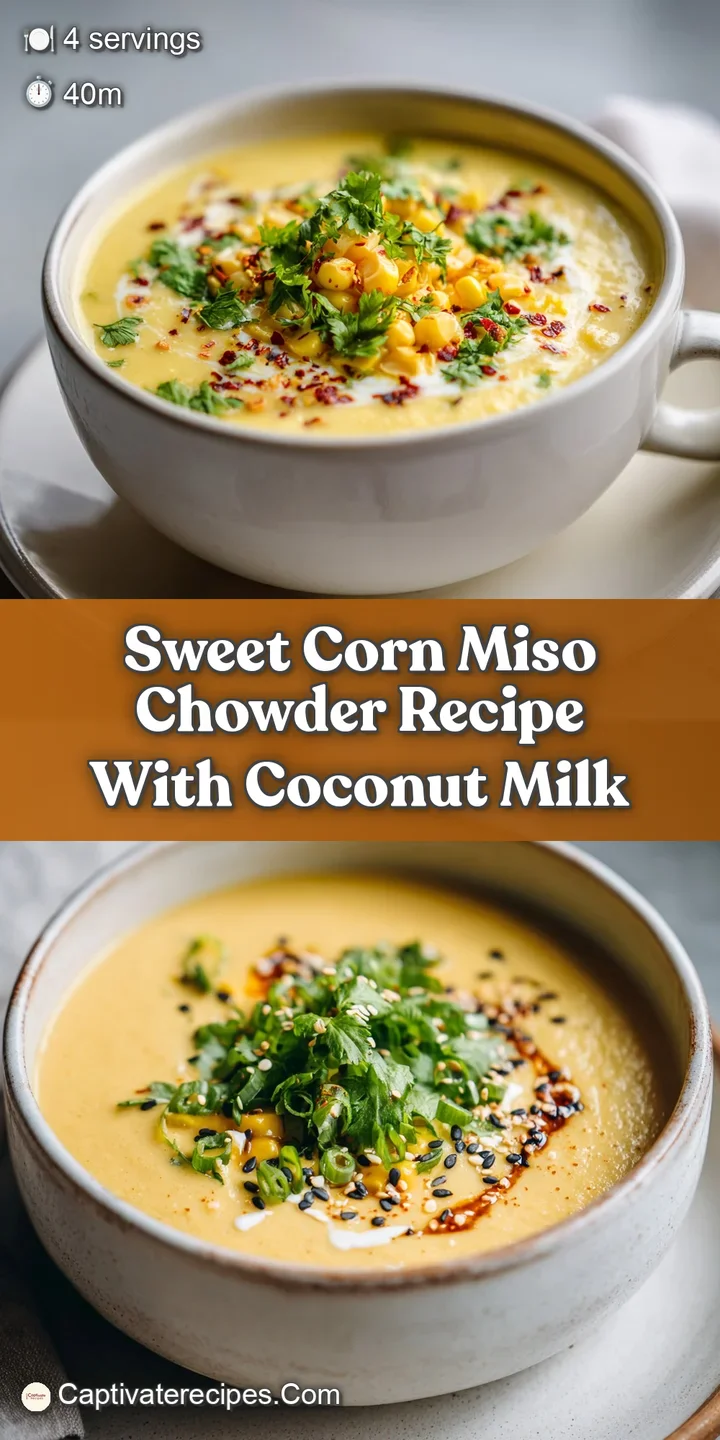
Presentation is everything, especially with a creamy soup like this. The yellow hue of the corn and potatoes is a beautiful canvas for colorful toppings.
- The Bistro Pairing: Serve this with a thick slice of toasted sourdough rubbed with a raw garlic clove. The crunch of the bread against the velvety soup is a match made in heaven.
- The Garnish Game: I love topping this with sliced scallions, a few cilantro leaves, and a heavy drizzle of toasted sesame oil. If you want some heat, a few slices of fresh jalapeño or a spoonful of chili crisp will really make the Sweet Corn Miso sing.
- Protein Boost: If you aren't keeping it vegan, a few seared scallops or some crumbled Rattlesnake Bites recipe on the side add a fun, spicy contrast.
I’ve found that this soup is the perfect bridge between seasons. It’s light enough for a late August evening but comforting enough for a chilly October afternoon. Just remember: the secret is in the cob and the miso.
Trust the process, don't rush the leeks, and you'll have a bowl of Corn Miso Chowder that everyone will swear came from a professional kitchen. Happy cooking!
Recipe FAQs
Can I use frozen corn kernels instead of fresh corn?
Yes, but sacrifice flavor. Frozen kernels lack the crucial starches released by simmering the fresh cobs, which contributes significantly to the natural thickness of the chowder.
How do I prevent the miso paste from clumping or losing its flavor?
Whisk it thoroughly in a separate small bowl first. Take some hot broth, whisk the miso into it until perfectly smooth, and then stir that slurry into the main pot after the heat is turned off to preserve its nuanced flavor and probiotics.
What is the best potato to use for achieving a creamy texture without heavy cream?
Yukon Gold potatoes are ideal. Their naturally waxy yet creamy composition breaks down just enough during simmering to naturally thicken the broth, similar to the technique used when building flavor in a heavy sauce like in our Thai Peanut Chicken recipe.
How long should the corn cobs simmer in the broth?
Simmer the naked cobs for 12 to 15 minutes. This duration is necessary to leach the natural sugars and pentosans from the cob into the liquid, which creates that essential velvety base.
Is it true that adding acid (lime juice) too early will ruin the soup?
No, this is a common misconception about simmering. While strong acid can curdle dairy, the acidity from lime juice is safe to add at the very end to brighten the flavor without affecting the stability of the coconut milk or potato starch.
How should I adjust the recipe when doubling the batch size?
Gradually add the miso paste, tasting continuously. While you can double all other ingredients, miso saltiness varies; start with less than double the required amount and add more tablespoon by tablespoon until the depth of flavor is correct.
How long can I safely store leftovers and what needs adjustment when reheating?
Store for up to four days in an airtight container. Potatoes absorb moisture as they cool, so you will likely need to stir in a splash of water or vegetable broth when reheating on the stove to restore the original consistency.
Sweet Corn Miso Chowder
Ingredients:
Instructions:
Nutrition Facts:
| Calories | 511 calories |
|---|---|
| Protein | 10.8 g |
| Fat | 21.2 g |
| Carbs | 59.4 g |
| Fiber | 6.8 g |
| Sugar | 9.2 g |
| Sodium | 548 mg |
