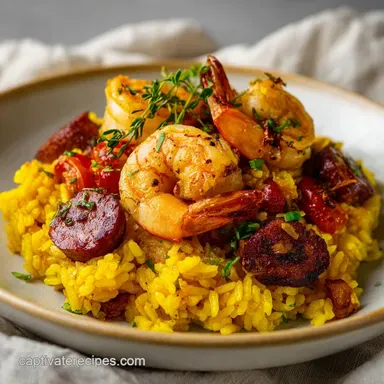
Authentic Spanish Paella: Saffron and Seafood
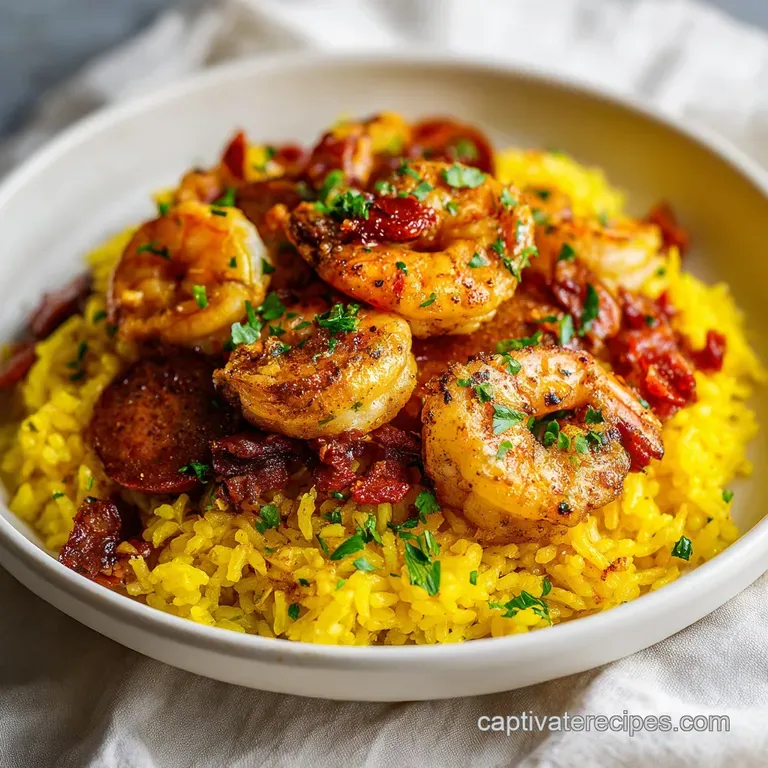
- Time: 20 min active + 30 min cook = Total 50 min
- Flavor/Texture Hook: Nutty, toasted bottom crust with velvety saffron rice
- Perfect for: Weekend dinner parties or a bold family feast
The first thing that hits you is that aggressive sizzle of chorizo hitting hot olive oil. It's a scent that fills the whole house - smoky, salty, and slightly spicy. I remember the first time I tried making this for a group of friends.
I was so nervous about the rice that I kept stirring it, thinking I was helping it cook evenly. I ended up with a giant pan of orange risotto. It wasn't a disaster, but it definitely wasn't a real paella.
I spent the next few months obsessing over that one specific sound: the crackle. You know, that tiny, popping noise the rice makes right before the bottom turns into a golden crust. Once I stopped fussing with the pan and let the heat do its thing, everything changed.
This Spanish Paella is all about patience and trusting the process.
When you get it right, you have this vibrant spread of colors - deep red peppers, bright green peas, and those golden hued grains. It's a meal that looks like a painting but tastes like a celebration.
I've stripped away the confusing fluff and focused on what actually delivers that bold, authentic flavor without needing a professional kitchen.
The Secret to Bold Spanish Paella
Most people treat this dish like a standard rice pilaf, and that's where it falls apart. They use long grain rice or, heaven forbid, Basmati. Those grains are designed to stay separate and fluffy, but for a Spanish Paella, we need a grain that can soak up a massive amount of stock without losing its structure.
If you use the wrong rice, you'll either end up with a soup or a brick.
Then there's the stirring obsession. I've seen so many recipes tell you to "stir occasionally." Honestly, don't do it. The moment that stock hits the rice and you give it one final move to level it out, the spoon is banned. Stirring releases starch, which makes the rice creamy.
We don't want creamy; we want distinct grains and a toasted bottom.
The other big mistake is overloading the pan. If you pile ingredients too high, the rice in the middle steams instead of frying. A wide, shallow pan is non negotiable because it maximizes the surface area.
This ensures the liquid evaporates at the same rate across the whole dish, leading to that coveted crust we call the socarrat.
Recipe Specs
This version is designed to serve six people, making it a great centerpiece. It's a balanced mix of land and sea, focusing on high impact flavors. The active prep is quick, but the cooking phase requires your full attention during the final minutes.
Precision Checkpoints:
- Rice Coating:2 minutes of stirring the rice in the sofrito.
- The Simmer: 15-20 minutes of undisturbed cooking.
- The Finish:5 minutes for the shrimp to turn opaque.
Decision Shortcut:
- If you want more crust, increase the heat for the last 2 minutes.
- If the rice is still hard but liquid is gone, add 1/4 cup stock and cover.
- If you're short on time, use pre peeled shrimp to save 10 minutes.
Ingredient Deep Dive
The magic here happens because of how specific ingredients interact. You can't just swap saffron for turmeric and expect the same result. Saffron adds a floral, metallic depth that turmeric simply can't mimic. Similarly, the smoked paprika provides a woody backbone that anchors the sweetness of the peppers.
- Absorption Power
- Bomba rice has larger pores than standard rice, allowing it to drink up the stock while staying firm.
- Aroma Release
- Heating the paprika and garlic quickly in oil awakens the volatile compounds, making the flavor bold.
- Fat Rendering
- Searing the chorizo first creates a flavored oil base that coats every single grain of rice.
| Component | Fresh Option | Shortcut Option | Impact |
|---|---|---|---|
| Stock | Homemade seafood stock | Low sodium boxed stock | Fresh is deeper; boxed is consistent |
| Tomatoes | Grated fresh plum tomatoes | Canned crushed tomatoes | Canned is more concentrated/jammy |
| Saffron | Whole threads | Saffron powder | Threads have a more vibrant aroma |
The choice of chicken thighs is intentional. Breasts dry out too quickly during the final stages of a Spanish Paella. Thighs stay juicy and velvety even when the pan is cranking. If you're looking for more seafood heavy options, you might enjoy my golden seared cod recipe for a quicker weeknight meal.
Essential Gear Selection
You don't strictly need a carbon steel paella pan, but a wide, shallow stainless steel skillet is your next best bet. The goal is to avoid deep walls. In a deep pot, the rice on top stays wet while the bottom burns. A wide pan allows the liquid to vanish quickly, which is the only way to get that toasted flavor.
I suggest using a heavy bottomed pan to prevent hot spots. If your pan is too thin, you'll get a burnt circle in the middle and raw rice on the edges. A wide skillet ensures the heat spreads, giving you a consistent layer of rice.
Avoid non stick pans if possible. While they make cleanup easier, they don't develop a crust as well as stainless steel or carbon steel. The "stick" is actually what we want for the bottom layer.
Component Analysis
| Ingredient | Science Role | Pro Secret |
|---|---|---|
| Bomba Rice | Structure/Absorption | Rinse only if specified; starch helps the crust |
| Saffron | Color/Floral Aroma | Steep in warm stock for 5 mins first |
| Smoked Paprika | Depth/Earthiness | Add at the very end of sautéing to avoid burning |
| Chorizo | Fat Source/Umami | Use a high-quality Spanish cured variety |
The Shopping List
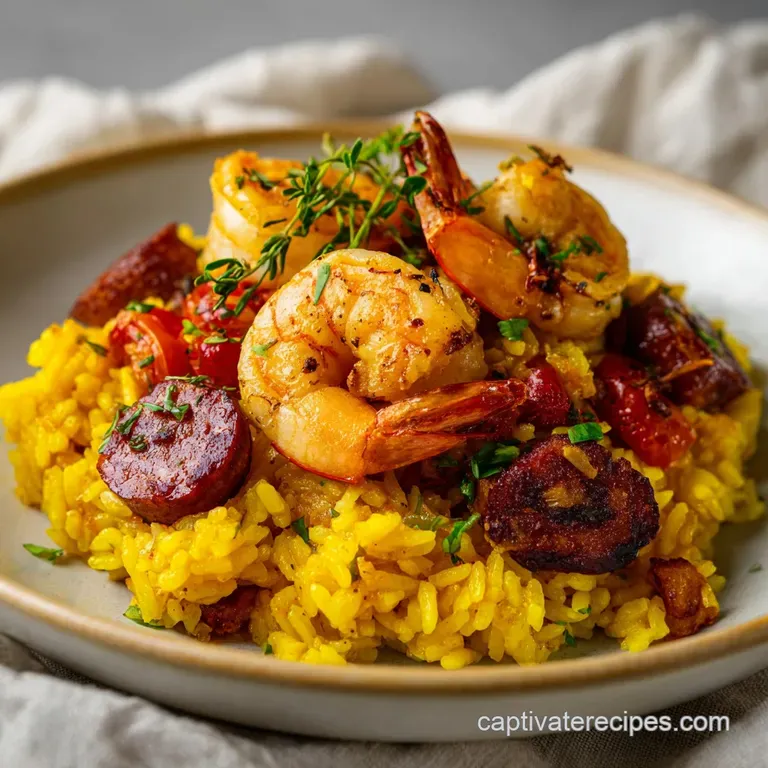
- 1 lb boneless, skinless chicken thighs, cut into bite sized pieces Why this? Stays juicy during the long simmer
- 8 oz Spanish chorizo, sliced into rounds Why this? Provides the essential smoky oil base
- 1 lb large shrimp, peeled and deveined Why this? Cooks fast, preventing rubbery texture
- 1/4 cup extra virgin olive oil Why this? High smoke point for searing
- 1 medium yellow onion, finely diced Why this? Sweet base for the sofrito
- 1 red bell pepper, diced Why this? Adds vibrant color and sweetness
- 3 cloves garlic, minced Why this? Pungent aromatic lift
- 1 can (14.5 oz) crushed tomatoes Why this? Thickens the base into a jam
- 1 cup frozen peas Why this? Fresh pop of green and sweetness
- 2 cups Bomba or Calasparra rice Why this? Absorbs 3x its weight in liquid
- 4 cups seafood or chicken stock Why this? The primary flavor vehicle
- 1/2 tsp saffron threads, lightly crushed Why this? Authentic floral gold
- 1 tbsp smoked Spanish paprika Why this? Key smoky profile
- 1 tsp salt Why this? Enhances all other flavors
- 1/2 tsp black pepper Why this? Subtle heat
Chef Note: If you can't find Bomba rice, Arborio is a decent backup, but be warned - it's starchier, so the risk of mushiness is higher. Don't over stir!
How to Make It
Searing the Protein
Heat the olive oil over medium high heat in a paella pan or wide stainless steel skillet. Brown the chicken thighs and chorizo until golden brown and the chorizo has released its red oils. You want a deep sear here; don't rush it.
Once they're browned, remove the proteins from the pan and set them aside on a plate.
Building the Sofrito
Sauté the diced onion and red pepper in the remaining oil until softened and translucent. Stir in the minced garlic and smoked paprika for 30 seconds - be careful not to burn the paprika, as it turns bitter.
Fold in the crushed tomatoes and cook until the mixture thickens into a jammy consistency. This is the flavor engine of your Spanish Paella.
Simmering the Saffron Rice
Stir in the rice, coating every grain in the sofrito for 2 minutes until the edges of the rice look slightly translucent. Pour in the stock and saffron. Stir once to distribute the rice evenly across the pan, then stop stirring completely.
Bring the liquid to a simmer, then reduce heat to medium low. Cook undisturbed for 15-20 minutes until the liquid is absorbed and you hear a distinct crackling sound. This crackle is the signal that the water is gone and the rice is starting to fry in the oil.
The Final Assembly
Arrange the seared chicken, chorizo, and raw shrimp on top of the rice. Scatter the frozen peas across the surface. Cook for an additional 5 minutes until the shrimp are opaque and the bottom of the rice is toasted and nutty.
The smell at this stage is incredible - a mix of toasted grain and salty seafood. For a refreshing drink to cut through the richness, a homemade horchata is the traditional and most vibrant pairing.
Troubleshooting Guide
| Issue | Solution |
|---|---|
| Why Your Rice Is Mushy | This usually happens because of too much stirring or using the wrong rice. When you stir, you release amylopectin, which creates a creamy sauce instead of distinct grains. It can also happen if the he |
| Why Your Bottom Is Burnt | There is a fine line between the toasted socarrat and actual burnt rice. If you smell something acrid or see black edges, your heat was too high for too long. The "crackle" should sound like a gentle |
| Why Your Shrimp Are Rubbery | Overcooking the seafood is a common pitfall. The shrimp should only go in at the very end. They only need about 5 minutes to steam through. If they curl into tight "O" shapes, they've been on too long |
Common Mistakes Checklist:
- ✓ Did you stop stirring after adding the stock?
- ✓ Is the pan wide enough to keep the rice layer thin?
- ✓ Did the tomatoes reach a jammy consistency?
- ✓ Did you hear the crackling sound before adding shrimp?
- ✓ Did you use a short grain Spanish rice?
Variations & Substitutions
Depending on what you have in the fridge, you can tweak this Spanish Paella without ruining the spirit of the dish. If you're craving more seafood, you can swap the chicken for mussels or clams. Just add them at the same time as the shrimp.
For those avoiding pork, the chorizo can be replaced with a smoked paprika rubbed tofu or a beef based sausage. The key is to maintain that smoky, fatty element that flavors the rice.
| Original Ingredient | Substitute | Why It Works |
|---|---|---|
| Bomba Rice (2 cups) | Arborio Rice (2 cups) | Similar starch content. Note: More prone to mushiness |
| Chicken Thighs | Firm Tofu or Mushrooms | Absorbs flavors well. Note: Lacks the rendered fat of chicken |
| Seafood Stock | Vegetable Stock | Neutral base. Note: Less depth; add a teaspoon of fish sauce for umami |
If you're looking for a lighter appetizer before the main event, my air fryer garlic paprika shrimp uses similar flavor profiles but is much faster to prepare.
Storage & Reheating
Spanish Paella doesn't stay "crispy" once it hits the fridge, but the flavor actually deepens overnight. Store leftovers in an airtight container in the fridge for up to 3 days. I don't recommend freezing this dish, as the rice texture becomes grainy and the shrimp can get rubbery.
To reheat, avoid the microwave if you want to save some of that texture. Instead, place a portion in a small skillet over medium heat with a tablespoon of water or stock. Cover it for a few minutes to steam the rice, then remove the lid and let it fry for 2 minutes to regain some of the toastiness.
Zero Waste Tips:
- Saffron Water: If you have leftover saffron threads, steep them in a bit of warm water and freeze in ice cube trays for your next batch of rice.
- Veggie Scraps: Use the onion skins and pepper seeds to start a homemade veggie stock for future meals.
- Lemon Wedges: Don't toss the spent lemon halves; toss them into your compost or use the zest in a salad dressing.
How to Serve and Enjoy
Presentation is half the fun with a Spanish Paella. The most authentic way to serve it is straight from the pan. Bring the whole skillet to the center of the table and let everyone scoop their own portion. This ensures everyone gets a bit of the socarrat from the bottom.
Garnish the top with fresh parsley and plenty of lemon wedges. The acidity of the lemon is critical - it cuts through the richness of the chorizo and brightens the saffron. A sprinkle of fresh peas adds a pop of color and a hit of sweetness.
Serve it with a side of crusty bread to soak up any remaining oils and a chilled glass of white wine or a bold red. The contrast between the hot, nutty rice and the cold, citrusy garnish is what makes this meal truly vibrant. Enjoy the process, listen for that crackle, and embrace the bold flavors of Spain.
Critical Sodium Level
1150 mg 1150 mg of sodium per serving (50% 50% of daily value)
The American Heart Association recommends a limit of 2,300 mg of sodium per day for most adults to maintain heart health.
Tips to Reduce Sodium
-
Swap the Stock-30%
Use low-sodium or no-salt added seafood or chicken stock to significantly lower the base sodium content.
-
Modify the Chorizo-25%
Replace the Spanish chorizo with a low-sodium version or reduce the quantity and increase smoked paprika for flavor.
-
Eliminate Added Salt-25%
Omit the 1 tsp of added salt entirely, as the processed meat and stock already provide ample salinity.
-
Low-Sodium Tomatoes-20%
Switch to no-salt added canned crushed tomatoes to avoid the hidden sodium used in canning processes.
-
Enhance with Aromatics
Increase the amount of fresh parsley, lemon zest, or minced garlic to add brightness and depth without adding sodium.
Recipe FAQs
What does Spanish paella have?
It features a combination of proteins and aromatic vegetables. This version uses chicken thighs, chorizo, shrimp, and Bomba or Calasparra rice seasoned with saffron and smoked paprika.
Is paella high in potassium?
Yes, it contains moderate to high levels. The crushed tomatoes and frozen peas are the primary sources of potassium in this specific recipe.
What is the secret ingredient in paella?
Saffron threads are the defining element. They provide the signature golden yellow hue and a distinct, earthy flavor profile that is essential to the dish.
What are the three types of paella?
The main varieties are Valenciana, seafood, and mixed. This particular recipe is a mixed paella because it incorporates both land proteins and seafood.
How to avoid mushy rice?
Stop stirring the rice once the stock is added. Stirring releases amylopectin, which creates a creamy sauce rather than the distinct, separate grains required for paella.
Is it true that the bottom of the paella must be burnt?
No, this is a common misconception. You are aiming for a toasted, nutty crust called socarrat; if the rice smells acrid or looks black, your heat was too high.
How to reheat paella to maintain the texture?
Heat a portion in a small skillet over medium heat with a tablespoon of stock. Cover the pan to steam the rice, then remove the lid and fry for 30 minutes to regain the crispness.
Authentic Spanish Paella