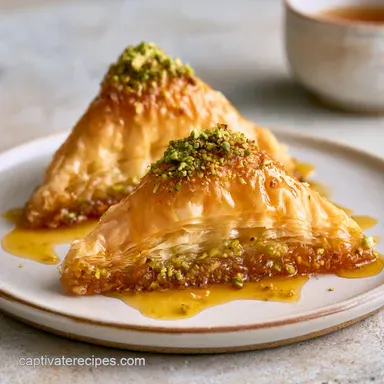
Baklava Recipe: Shattering Layers and Honey
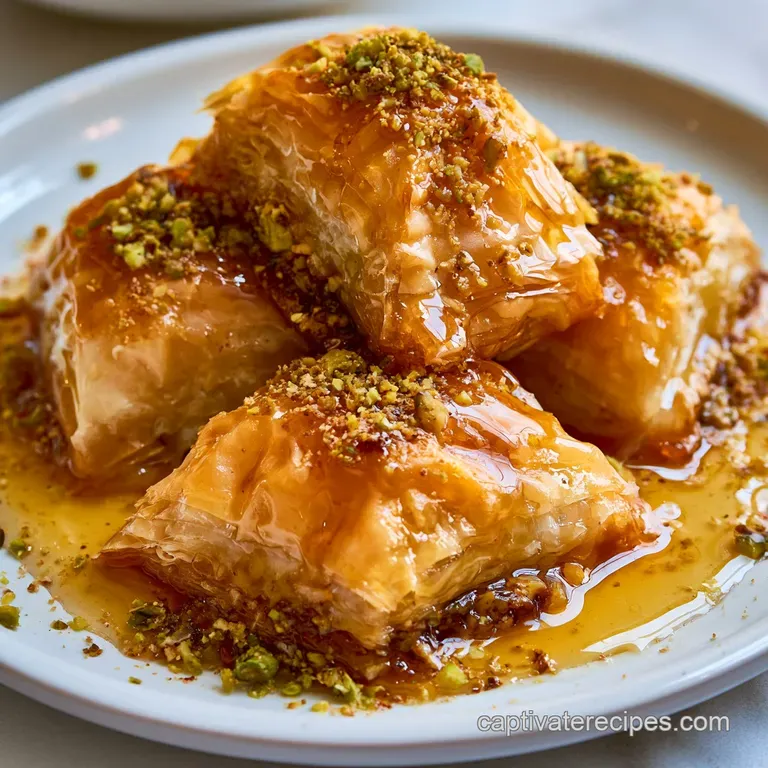
- Time: 30 min active + 4 hours resting = Total 5 hours 45 mins
- Flavor/Texture Hook: Honey soaked, buttery layers that shatter on impact
- Perfect for: Holiday showstoppers or fancy dinner parties
- The Secret to a Great Baklava Recipe
- Component Analysis
- Gathering Your Baking Essentials
- Must Have Kitchen Gear
- From Prep to Plate
- Pro Tips and Pitfalls
- Troubleshooting Common Issues
- Flavor Variations to Try
- Scaling Your Batch
- Common Baking Myths
- Preservation and Zero Waste
- What to Serve This With
- Recipe FAQs
- 📝 Recipe Card
That sound. You know the one, that crystalline, high pitched crackle when a sharp knife first hits the top layer of a fresh bake. I remember the first time I tried this at home, I was so nervous about the phyllo drying out that I practically hovered over the pan.
I think I brushed butter on the sheets every thirty seconds because I'd heard the horror stories of "cardboard baklava."
But then it happened. I pulled the pan out, poured that cold syrup over the steaming pastry, and heard the most satisfying sizzle of my life. The smell of cinnamon and toasted walnuts filled my kitchen, and I knew I'd finally found a flow that worked.
It's not about being a professional, it's just about timing and a lot of butter.
This baklava recipe is designed to be accessible for anyone who loves a bit of a baking project but doesn't want to spend three days rolling out dough. We're using high-quality store-bought phyllo to keep things moving, focusing instead on the layering and the soak.
By the time we're done, you'll have a treat that looks like it came from a boutique bakery but tastes like home.
The Secret to a Great Baklava Recipe
What actually makes this dish work is the fight between fat and sugar. If you use too much syrup too early, you get a soggy mess. If you don't use enough butter, the layers won't separate. The trick is the "thermal shock" - pouring cold syrup onto a hot pan.
This forces the syrup into the layers without melting the structural integrity of the pastry.
- Fat Barrier
- The butter and olive oil blend creates a steam barrier between sheets, allowing them to puff and shatter.
- Syrup Viscosity
- Simmering honey and sugar creates a thick glaze that clings to the nuts rather than just pooling at the bottom.
- Temperature Delta
- Cold syrup on hot pastry prevents the phyllo from turning into mush, keeping the top layers crisp.
- Nut Toasting
- Baking the nuts inside the butter soaked layers toasts them from the inside out for a deeper, nuttier flavor.
The method you choose for the syrup can change the vibe of the final result. While the traditional simmer is the gold standard, some people prefer a quicker approach.
| Method | Time | Texture | Best For |
|---|---|---|---|
| Traditional Simmer | 10 mins | Velvety & Stable | Long term storage |
| Quick Boil | 5 mins | Thinner, sweeter | Immediate serving |
| Cold Infused | 0 mins | Syrupy & Raw | Modern twists |
It is worth noting that the traditional simmer is the way to go here. It gives the cinnamon stick time to actually flavor the liquid, which is a small detail that makes a huge difference.
Component Analysis
Before we get into the gear, let's look at why we're using these specific ingredients. It's not just about taste, it's about how they behave under heat.
| Ingredient | Science Role | Pro Secret |
|---|---|---|
| Clarified Butter | High smoke point | Prevents the pastry from browning too fast |
| Honey | Natural humectant | Keeps the filling moist without being "wet" |
| Lemon Juice | Prevents crystallization | Keeps the syrup smooth and clear |
| Phyllo Dough | Ultra thin starch | Creates the characteristic "shatter" effect |
Gathering Your Baking Essentials
Now, let's get the list together. Make sure your phyllo is thawed in the fridge overnight, not on the counter, to avoid it getting too limp. According to guides at King Arthur Baking, proper thawing is the key to preventing tears in the delicate sheets.
- 2 cups (225g) walnuts or pistachios, finely chopped Why this? Provides the earthy, fatty base for the sweetness
- 1 tsp (2g) ground cinnamon Why this? Adds warm, aromatic depth
- 1/4 tsp (1g) ground cloves Why this? A subtle punch that cuts through the honey
- 1 pinch (0.5g) salt Why this? Balances the sugar and enhances nut flavor
- 1 package (16 oz/450g) phyllo dough, thawed Why this? The essential base for those thin layers
- 3/4 cup (170g) unsalted butter, melted and clarified Why this? Clarified butter won't burn at 160°C
- 2 tbsp (30ml) extra virgin olive oil Why this? Adds a fruity note and keeps sheets supple
- 1/2 cup (100g) honey Why this? For that classic, floral sweetness
- 1/2 cup (100g) granulated sugar Why this? Adds structure to the syrup
- 1 cup (240ml) water Why this? Thins the syrup for better absorption
- 1 tbsp (15ml) fresh lemon juice Why this? Brightens the flavor and stops sugar crystals
- 1 cinnamon stick Why this? Infuses the syrup with a woody warmth
If you're missing something, don't panic. Most of these have easy swaps.
| Original Ingredient | Substitute | Why It Works |
|---|---|---|
| Walnuts | Pistachios | Similar fat content. Note: Gives a more traditional Greek color |
| Honey | Maple Syrup | Similar viscosity. Note: Changes flavor to a woody, North American profile |
| Clarified Butter | Ghee | Virtually identical. Note: Same high smoke point |
| Lemon Juice | Apple Cider Vinegar | Similar acidity. Note: Slightly more pungent, use 1 tsp instead |
Must Have Kitchen Gear
You don't need a professional bakery to nail this baklava recipe, but a few specific tools make the process way smoother. A 9x13 inch baking pan is the standard here, but make sure it's metal rather than glass for more even heat distribution.
I highly recommend a wide pastry brush. The thin ones take forever and often tear the phyllo. Also, get a very sharp chef's knife. You'll be cutting through several layers of pastry and nuts, and a dull blade will just squash the layers together instead of slicing them cleanly.
From Prep to Plate
Right then, let's get into the actual work. Take your time with the layering, and remember to keep your unused phyllo covered with a damp kitchen towel so it doesn't dry out.
Phase 1: The Syrup Base
Combine water, sugar, honey, and the cinnamon stick in a saucepan. Bring to a simmer over medium heat for 10 minutes until the liquid is slightly thickened and glossy. Stir in the lemon juice, remove from heat, and let the syrup cool completely to room temperature.
Note: Cold syrup is non negotiable for a crisp top.
Phase 2: The Nut Filling
In a medium bowl, toss the finely chopped nuts with cinnamon, cloves, and salt. Stir until the nuts are evenly coated and look slightly damp from the oils.
Phase 3: The Layering Process
Preheat your oven to 325°F (160°C). Brush the bottom of your 9x13 inch pan with the butter and olive oil blend. Layer 8 sheets of phyllo in the pan, brushing each individual sheet with the fat blend. Spread 1/3 of the nut mixture evenly over the base.
Add 4-5 sheets of phyllo, brushing each with fat, then add another layer of nuts. Repeat this process until all the nut filling is used. Top with a final 8 sheets of phyllo, brushing each sheet carefully with the fat blend.
Phase 4: The Golden Bake
Using a sharp knife, cut the baklava into diamonds or squares. Bake for 75 minutes until the pastry is deep golden brown and smells like toasted nuts. Immediately pour the cooled syrup over the hot pastry. Let it rest for 4 hours for full absorption.
Chef's Tip: Try freezing your butter for 10 minutes before melting it; it helps the clarified solids separate faster. Also, adding a tiny pinch of espresso powder to the nut mix can deepen the chocolatey notes of the walnuts.
Pro Tips and Pitfalls
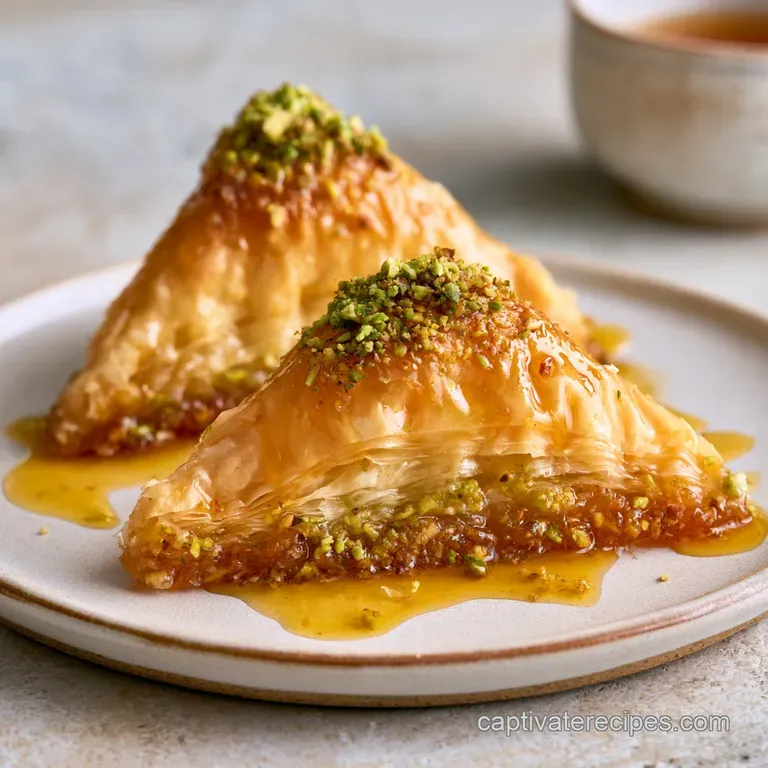
The most common mistake people make with this baklava recipe is rushing the cooling process. If you pour hot syrup on hot pastry, you get a soggy sponge. If you pour cold syrup on cold pastry, it just sits on top. It has to be hot on-cold.
Troubleshooting Common Issues
| Issue | Solution |
|---|---|
| Why Your Pastry Is Soggy | Sogginess usually comes from one of two things: either the syrup was too hot when poured, or you didn't use enough butter between the middle layers. Ensure your syrup is room temperature or even chill |
| Why The Bottom Is Burnt | If the bottom browns too quickly, your oven might be running hot or your pan is too thin. Using a heavy duty metal pan helps distribute the heat more evenly. |
| Why The Layers Didn't Puff | This happens when the phyllo is too wet or the oven temperature is too low. Make sure you're hitting that 160°C mark right from the start. |
Checklist for Success:
- ✓ Phyllo stayed under a damp towel during the whole process.
- ✓ Syrup was completely cooled before it hit the pan.
- ✓ Every single sheet of dough was brushed with butter.
- ✓ Nut mixture was chopped finely, not left in large chunks.
- ✓ Cut the diamonds before baking to let steam escape.
Flavor Variations to Try
Once you've nailed the basic baklava recipe, you can start playing with the flavors. For a classic Turkish baklava recipe, lean heavily into pistachios and a lighter, more lemon forward syrup. If you want something more modern, try replacing the honey with maple syrup and adding a hint of orange zest to the nut mix.
For a zesty twist, you can add a tablespoon of rosewater to the syrup. It gives the dish a floral, Mediterranean aroma that is absolutely stunning. If you're serving this as part of a larger dessert spread, maybe pair it with something lighter, like my fluffy hot cakes if you're doing a brunch style feast.
If you want to go the vegan route, you can substitute the butter with a high-quality vegan butter and use agave or maple syrup instead of honey. Just be aware that the texture will be slightly less "shattery" because vegan fats behave differently under high heat.
Scaling Your Batch
If you're making this for a huge party and need to double the recipe, don't just double everything and put it in one giant pan. It won't cook evenly. Instead, use two 9x13 inch pans.
For a 2x batch, keep the temperature at 160°C but check the browning around the 60 minute mark. If you're scaling down to a half batch, use an 8x8 inch square pan and reduce the baking time by about 20%.
When scaling up, be careful with the spices. I find that doubling the cloves can be overwhelming, so I usually only increase the cloves and salt by 1.5x, while doubling the butter and nuts.
Common Baking Myths
You might hear that you need to use a specific type of expensive "artisan" butter for this baklava recipe. That's not true. Any unsalted butter works as long as you clarify it. The clarification removes the milk solids that burn, which is where the real magic happens.
Another myth is that you have to roll your own dough for it to be authentic. While homemade phyllo is impressive, the modern store-bought versions are incredibly high-quality and save you hours of frustration.
The "authenticity" comes from the flavor profile and the technique, not from how much your arms hurt from rolling dough.
Preservation and Zero Waste
This dish keeps surprisingly well. Store it in an airtight container at room temperature for up to 3 days. If you want to keep it longer, the fridge works for 5 days, but you'll lose a bit of that shatter.
For freezing, cut the pieces first and freeze them in a single layer on a baking sheet before transferring them to a freezer bag. They'll last for 2 months. To reheat, just pop a piece in a toaster oven for 3-5 minutes at 150°C to bring back the crispness.
Don't throw away the leftover butter oil blend in your bowl! Use it to sauté some vegetables or, for a savory contrast to your dessert, follow my sauteed mushrooms guide using that nutty brown butter.
What to Serve This With
Because this baklava recipe is so rich and sweet, you need something to cut through the honey. A strong, unsweetened Turkish coffee or a bitter espresso is the traditional pairing for a reason. The bitterness of the coffee balances the sugar perfectly.
If you're serving it as part of a meal, a dollop of thick Greek yogurt or a side of fresh raspberries provides a tart contrast that keeps the palate refreshed. It's a real showstopper on a platter, especially if you garnish the top with a few whole pistachios and a dusting of cinnamon.
Trust me, once you see those layers and smell that honey, your guests will be diving in before you even get the platter to the table.
Recipe FAQs
What is real baklava made of?
Layers of phyllo dough, chopped nuts, and a honey sugar syrup. These are bound together with a blend of melted clarified butter and olive oil to create a crisp, flaky texture.
Is baklava actually Greek or Turkish?
Both cultures claim it, as the dessert evolved throughout the Ottoman Empire. While specific regional styles vary, both versions rely on the core combination of phyllo, nuts, and syrup.
What drinks pair well with baklava?
Strong, unsweetened coffee or hot tea. The bitterness of these drinks provides a necessary contrast to the intense sweetness of the honey syrup.
What is the difference between Turkish baklava and regular baklava?
Turkish versions often use thinner phyllo and a higher concentration of pistachios. Other regional variations may use walnuts and slightly thicker layers of dough.
Why is my baklava soggy?
The syrup was likely too hot when poured. To maintain a crisp texture, ensure the syrup has cooled completely to room temperature before adding it to the hot pastry.
How to prepare the syrup for baklava?
Simmer water, sugar, honey, and a cinnamon stick for 10 minutes. Stir in lemon juice and let the mixture cool completely to room temperature before pouring.
How to balance the intense sweetness of the dessert?
Add fresh lemon juice to the syrup. If you loved the sweet tart balance in this recipe, see how we use the same acid technique in our citrus curd.
Authentic Greek Baklava Recipe