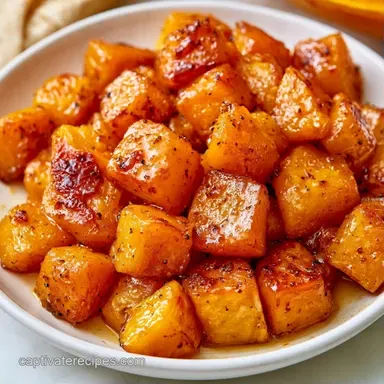
Failure-Proof Butternut Squash Casserole
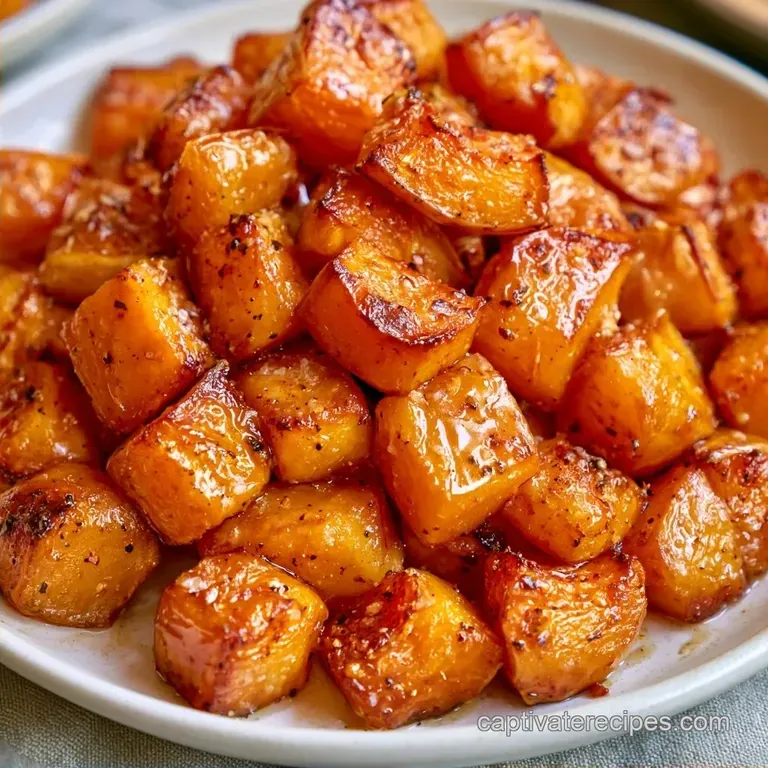
- Time: 20 min active + 60 min cook
- Flavor/Texture Hook: Rich, creamy center with a shattering pecan topping
- Perfect for: Thanksgiving dinner or a cozy Sunday family meal
- Butternut Squash Casserole Basics
- What Each Ingredient Does
- Essential Tools for the Job
- Shopping List Breakdown
- Step-by-Step Instructions
- Comparison: Roast vs. Boil
- How to Fix Common Problems
- Presentation Tips
- Customizing Your Bake
- Adjusting the Serving Size
- How to Store and Keep Fresh
- Final Thoughts
- Recipe FAQs
- 📝 Recipe Card
The smell of brown butter and toasted pecans hitting a hot oven is, for me, the official start of autumn. I used to make a version of this where I just boiled the squash, but it always turned out a bit pale and had this weird, watery layer at the bottom.
It was a total letdown when you'd scoop into it and the sauce just ran everywhere.
Then I started roasting the cubes first. That one change makes a world of difference because it evaporates the excess water and brings out those deep, caramelized notes. Now, this Butternut Squash Casserole has become the one thing my family actually asks for every single year.
You can expect a dish that's thick, glossy, and feels like a hug in a baking dish. It's a reliable side that doesn't require fancy skills, just a bit of patience while the squash browns.
Butternut Squash Casserole Basics
Why it actually works:
- The Roast Phase: High heat at the start drives off moisture. This concentrates the squash flavor, which is why this Butternut Squash Casserole stays thick instead of turning into soup.
- Full Fat Base: Using heavy cream and eggs creates a stable custard. This ensures a velvety texture that holds its shape on the plate. If you've tried a Butternut Squash Risotto recipe, you know how that starch creates creaminess, but here, we rely on fat and protein for that same richness.
What Each Ingredient Does
| Ingredient | What It Does | Best Swap |
|---|---|---|
| Butternut Squash | Forms the main base and provides sweetness | Canned pumpkin puree |
| Heavy Cream | Contributes richness and stabilizes the mixture | Full fat coconut milk |
| Eggs | Binds the ingredients for a set consistency | Flax egg (for vegan) |
| Cold Butter | Creates steam pockets to ensure a flaky crust | Chilled coconut oil |
Now, let's review the necessary equipment. A professional setup isn't necessary, but a food processor will handle the blending much faster than a hand mixer.
Essential Tools for the Job
- Baking Sheet: For the initial roast.
- Food Processor: To get that smooth, glossy filling.
- 9x13-inch Casserole Dish: The standard size for this bake.
- Large Skillet: For softening the onions in butter.
Shopping List Breakdown
For the Base: 3 lb butternut squash, peeled and cubed Why this? Fresh squash provides a more natural flavor than frozen. 2 tbsp olive oil 1 tsp kosher salt ½ tsp black pepper 4 tbsp unsalted butter 1 small yellow onion, finely diced 1 cup heavy cream
Why this? Essential for the structure of the bake. ½ cup light brown sugar, packed 2 large eggs ½ tsp ground nutmeg ¼ tsp ground cinnamon 1 tsp vanilla extract
For the Pecan Crumble: ½ cup pecans, chopped ½ cup all purpose flour 4 tbsp cold unsalted butter, cubed Why this? Keeping the butter cold ensures a crumbly texture. 2 tbsp maple syrup
Feel free to make a few adjustments based on what you have on hand. Walnuts or toasted pumpkin seeds are great alternatives to pecans, especially for those with nut allergies. Honey can be used in place of sugar, though it may make the Butternut Squash Casserole slightly sweeter.
| Original Ingredient | Substitute | Why It Works |
|---|---|---|
| Heavy Cream (1 cup) | Coconut Milk (full fat, 1 cup) | Similar fat content. Note: Adds a slight coconut hint. |
| All purpose Flour (½ cup) | Almond Flour (½ cup) | Great for low carb. Note: Makes the topping softer. |
| Brown Sugar (½ cup) | Maple Sugar (½ cup) | Deeper flavor. Note: Slightly more intense sweetness. |
A quick tip: make sure your butter stays chilled for the topping. If it melts before baking, you'll end up with a flat crust rather than those perfect little crumbles.
Step-by-step Instructions
Phase 1: The Moisture Lock Roast
- Heat your oven to 400°F (200°C).
- Mix the cubed butternut squash with olive oil, salt, and pepper on a baking sheet.
- Roast for 25–30 minutes until the edges are caramelized and mahogany colored.
- Reduce the temperature to 350°F (175°C) and grease a 9x13-inch casserole dish.
Phase 2: Building the Base
- Melt 4 tbsp of butter in a skillet over medium heat.
- Sauté the diced yellow onion for 8–10 minutes until translucent and fragrant.
- Place the roasted squash in a food processor and blend until smooth.
- Stir in the sautéed onions, heavy cream, brown sugar, eggs, nutmeg, cinnamon, and vanilla extract. Mix until the Butternut Squash Casserole base is thick and glossy, then pour it into the dish.
Phase 3: The Final Golden Bake
- In a small bowl, combine chopped pecans and flour. Using a fork, cut in the cold cubed butter until crumbly, then drizzle in the maple syrup.
- Evenly distribute the pecan crumble over the top of the squash.
- Bake for 30–35 minutes until the topping is golden and crisp.
Chef's Note: If you're short on time, store-bought cubed squash is a great option, but steer clear of frozen squash for roasting, as it will steam instead of browning.
Comparison: Roast vs. Boil
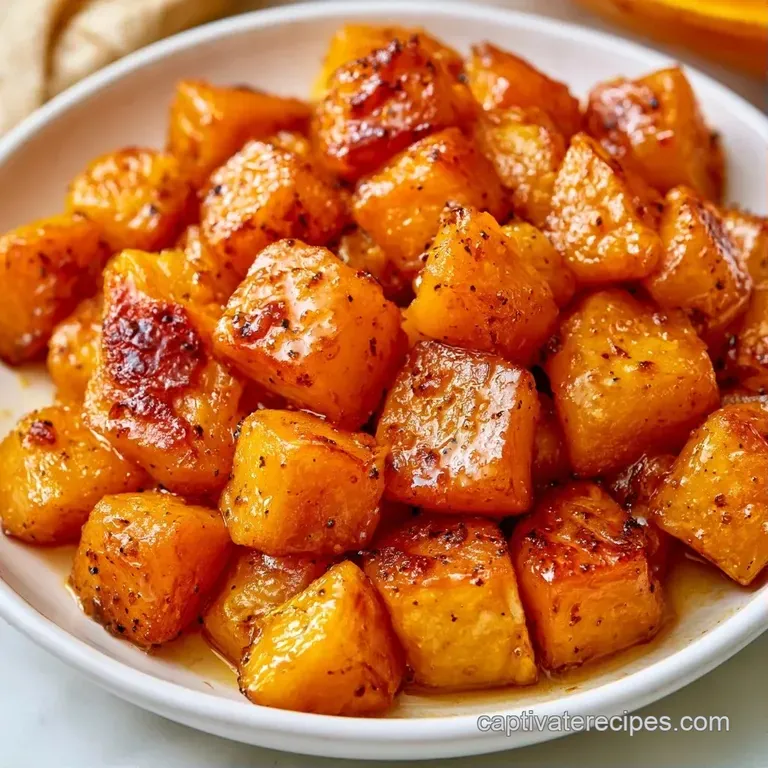
| Method | Texture | Flavor Depth |
|---|---|---|
| Boiled Squash | Soft, can be watery | Mild, sweet |
| Roasted Squash | Thick, concentrated | Rich, nutty |
The difference is huge. Roasting the squash for this Butternut Squash Casserole creates a base that can actually support the weight of the pecan topping without sinking.
How to Fix Common Problems
Cooking isn't always perfect. I've found this Butternut Squash Casserole can turn out too runny if the squash isn't roasted long enough, as the trapped water releases during the final bake.
The topping can also be tricky. If your oven runs hot, the pecans might scorch before the center is fully set. Should the edges look too dark, simply place a sheet of aluminum foil over the dish for the final 10 minutes.
As for texture, a grainy filling usually means the squash wasn't processed enough or the onions were too chunky. A few more pulses in the food processor usually solves this.
Dealing with Watery Filling
If the consistency is too thin, there is likely too much moisture. Next time, roast the squash longer or stir in a teaspoon of cornstarch to help it bind.
Preventing a Burnt Crust
To keep the pecans from browning too quickly, cover the dish with foil. This protects the topping while the middle finishes cooking.
Fixing Grainy Texture
Make sure your onion is finely diced. If you still notice chunks, blend the onion directly into the squash puree for a smoother result.
| Problem | Root Cause | Solution |
|---|---|---|
| Watery Butternut Squash Casserole | Under roasted squash | Roast an extra 10 mins or add 1 tbsp cornstarch |
| Burnt Topping | Oven temperature too high | Use foil for the final 10 mins |
| Grainy Filling | Onions too large | Blend onions with the squash puree |
Presentation Tips
To make this a proper holiday centerpiece, avoid serving it straight from the baking dish. Allow the Butternut Squash Casserole to rest for roughly 10 minutes. This ensures the dish sets, allowing for neat slices rather than messy scoops.
Top it off with a handful of toasted pecan halves and a pinch of fresh thyme or parsley. The contrast of the green herbs against the vibrant orange squash creates a beautiful presentation for your guests.
For those eating this as a vegetarian entree, try pairing it with a zesty arugula salad and lemon vinaigrette. The sharp, peppery notes of the salad balance out the richness of the cream and brown sugar.
Customizing Your Bake
| Goal | What to change |
|---|---|
| Less Sweet | Reduce brown sugar by half |
| Nut Free | Substitute with toasted sunflower seeds |
| More Savory | Mix in 1/2 tsp dried sage |
For an even more indulgent taste, stir a dash of cayenne pepper into the filling. It won't make the Butternut Squash Casserole spicy, but it introduces a faint warmth that balances out the sweetness.
For a lower calorie option, try swapping half the heavy cream for Greek yogurt, though the final result will be a bit tangier.
If you're a fan of this style of comfort food, you might also like my Sweet Potato Casserole, which features a similar crumble topping. Both are excellent for feeding a crowd, but the squash version feels slightly more elevated.
Adjusting the Serving Size
When you're scaling a Butternut Squash Casserole, you have to be careful with the eggs and the baking time.
Scaling Down (Half Batch): Use a smaller baking dish, like an 8x8 inch square. Reduce the baking time by about 20%. For the egg, beat one egg in a cup and use half of the liquid.
Scaling Up (Double Batch): Don't double the salt or spices go for 1.5x instead, otherwise it can become overwhelming. Use two separate 9x13 dishes rather than one giant deep pan.
If you crowd the pan too much, the middle of the Butternut Squash Casserole won't cook through before the edges burn.
How to Store and Keep Fresh
This meal stays delicious for a while. Keep any leftovers chilled in a glass container with a lid for about 3 to 4 days.
Reheating: Skip the microwave to ensure the crust stays crisp. Heat a slice in a regular oven or toaster oven at 325°F (160°C) for 10-15 minutes to bring back that signature shattering texture.
Freezing: This Butternut Squash Casserole can be frozen for up to 2 months. After it has cooled completely, wrap it tightly with foil and store it in a freezer bag. Thaw overnight in the fridge before reheating it in the oven.
Zero Waste Tips: Put those squash peels to use! Roast them with a bit of salt and oil at 400°F for 10 minutes to make "squash chips" a tasty snack while the rest of the meal finishes.
Following USDA advice, most vegetable scraps are great for stock, so you can also simmer them in a pot with water and aromatics.
Final Thoughts
This Butternut Squash Casserole is all about the contrast between the smooth, creamy center and the crunch of the pecans. It's a reliable recipe that works every time, as long as you remember to roast that squash first.
Right then, let's crack on and get this in the oven. You've got this!
Recipe FAQs
What are the ingredients for a butternut squash casserole?
You will need butternut squash, olive oil, salt, pepper, butter, yellow onion, heavy cream, brown sugar, eggs, nutmeg, cinnamon, vanilla extract, pecans, flour, and maple syrup.
Tip: Use cold cubed butter for the crumble to ensure a crispier texture.
How to cut up a butternut squash easily?
Slice off the top and bottom to create a flat base, stand the squash upright, and carefully carve the skin away from top to bottom.
Tip: Microwave the whole squash for 2-3 minutes to soften the skin before peeling.
Which common mistakes lead to a failed squash casserole?
Overcooking the squash during the initial roast can make the base too mushy or burnt.
Tip: Stop roasting exactly when the edges are mahogany colored for the best flavor balance.
Is it true that butternut squash is only for savory dishes?
Not true. The natural sweetness makes it excellent for desserts like pies, puddings, and this sweetened casserole.
Tip: Amplify the sweetness by adding a pinch more cinnamon to the filling.
How do you make the pecan crumble topping?
Combine chopped pecans, flour, and cold butter with a fork until crumbly, then drizzle in maple syrup.
Tip: Avoid overmixing the topping or it will become a paste rather than crumbs.
What other recipes use butternut squash?
Butternut squash is versatile for creamy soups, roasted salads, or blended into pasta sauces.
Tip: If you enjoy this roasting technique, apply the same high heat method to potatoes au gratin for deep caramelization.
Can I use this squash for desserts?
Yes, the blended squash base combined with brown sugar and vanilla creates a dessert like custard.
Tip: Serve warm with a dollop of whipped cream for a true dessert experience.
Why is my casserole topping not crisp?
Using melted butter instead of cold cubed butter in the crumble prevents the topping from staying crisp.
Tip: Ensure your oven is fully preheated to 350°F before sliding the dish in for the final bake.
Butternut Squash Casserole