Authentic Chicken Saganaki with Tomato Sauce
- Time: Active 15 minutes, Passive 30 minutes, Total 45 minutes
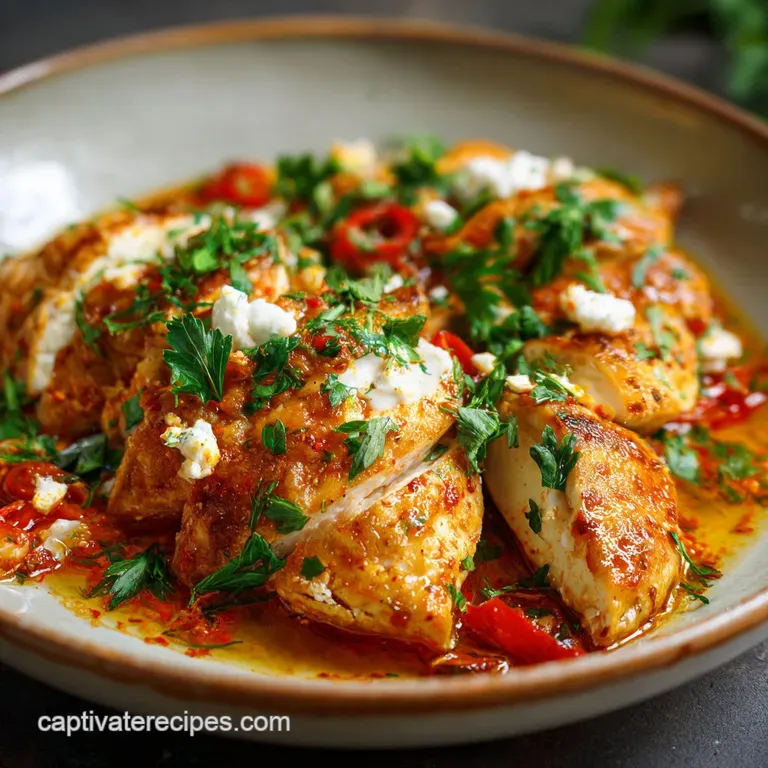
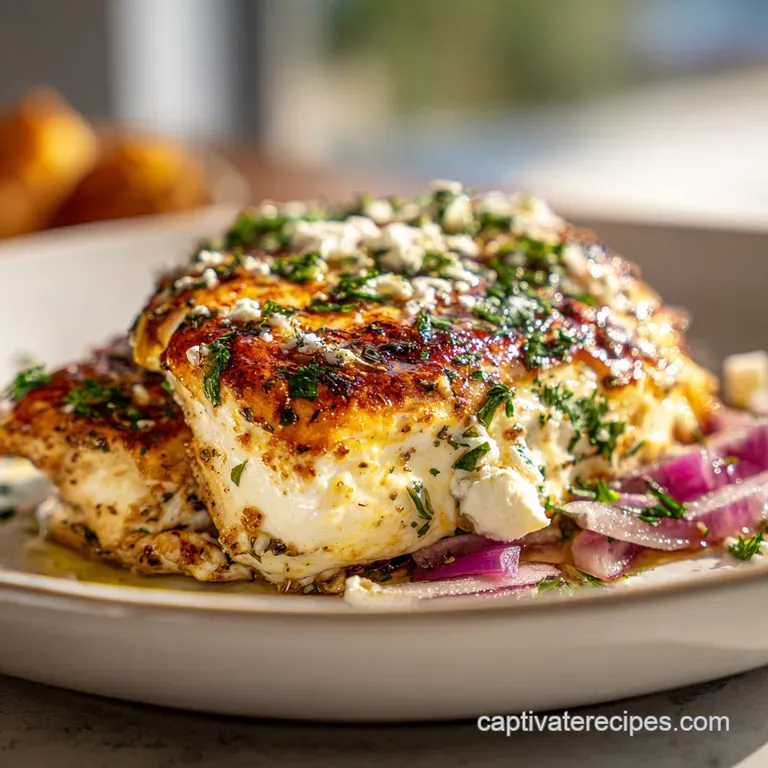
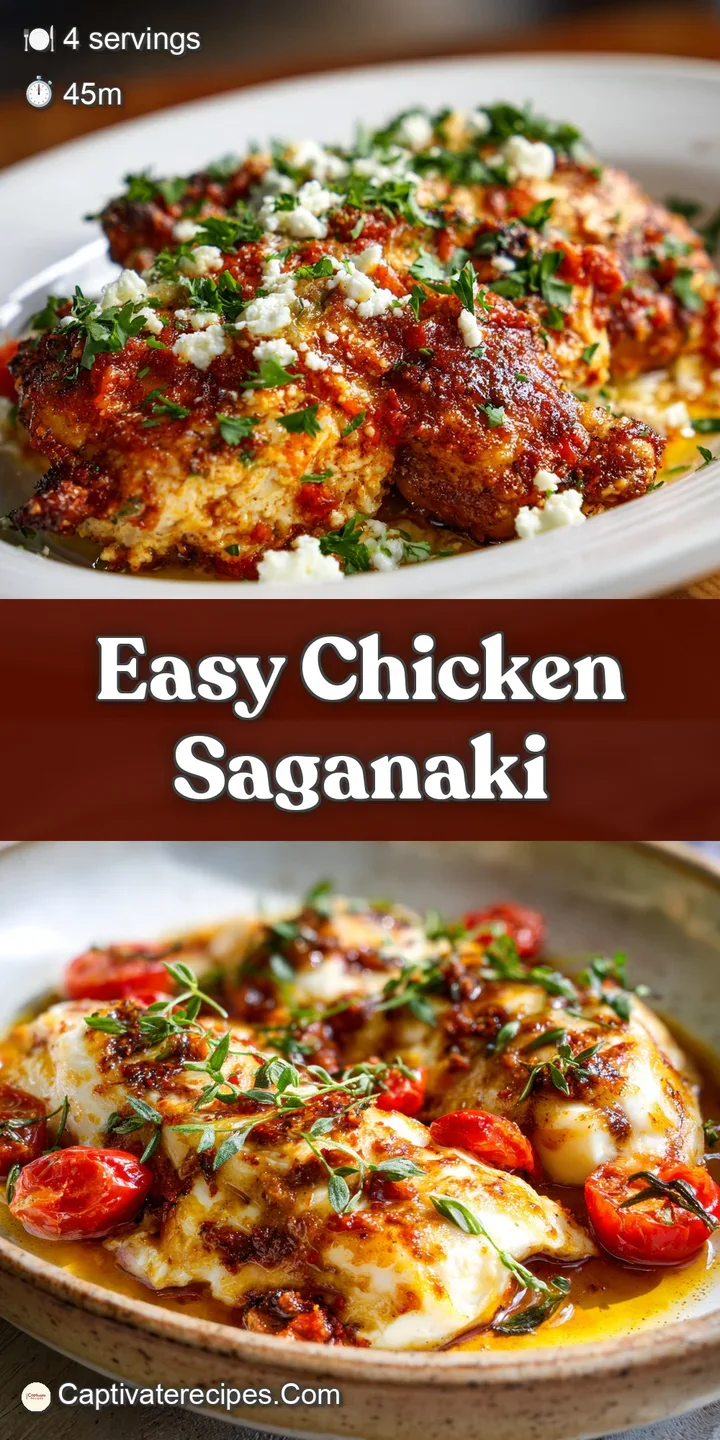
- Flavor/Texture Hook: Crispy skin meets velvety, melted feta
- Perfect for: A bold weeknight dinner that feels like a Mediterranean getaway
- Vibrant Flavors Meet the Pan in This Chicken Saganaki
- The Physics of the Feta Melt
- Essential Recipe Specifications
- Analyzing the Bold Ingredients
- Kitchen Tools You Need
- Step by Step Instructions
- Fixing Potential Flavor Issues
- Creative Recipe Variations
- Scaling for Different Crowds
- Debunking Flavor Misconceptions
- Storage and Reheating Tips
- Serving and Pairing Ideas
- High in Sodium
- Recipe FAQs
- 📝 Recipe Card
Vibrant Flavors Meet the Pan in This Chicken Saganaki
The first time I smelled this dish, I wasn't even the one cooking it. I was walking through a narrow alley in Plaka, and the aroma of searing chicken skin hitting a hot pan that specific, aggressive sizzle stopped me in my tracks.
It was followed immediately by the scent of warm cinnamon and sharp, acidic tomatoes. I knew I had to recreate that magic in my own kitchen, but without the boring, dry meat you often get in rushed versions.
We are talking about a serious contrast of textures here. You get the shatter of the skin, the creamy pull of the feta, and the bright zing of fresh lemon. It's the kind of meal that saves you from yet another monotonous Tuesday night dinner.
Trust me on this: once you see the way the cheese softens into the sauce, you'll never go back to plain roasted bird again.
This isn't just a recipe; it's a lesson in balancing bold ingredients. We’re using bone in thighs because they stay juicy while the sauce reduces down into a concentrated, savory jam.
I’ve made the mistake of using boneless breasts before, and honestly, don't even bother they just can't stand up to the heat. Right then, let's get into what makes this work.
The Physics of the Feta Melt
Maillard Reinforcement: Searing the skin at high heat creates a complex crust that prevents the meat from becoming mushy during the tomato braise. Acidic Emulsification: The lactic acid in the feta cheese partially breaks down when heated, allowing it to soften and thicken the sauce without completely dissolving.
| Chicken Thickness | Internal Temp | Rest Time | Visual Cue |
|---|---|---|---|
| 2.5 cm (standard) | 74°C (165°F) | 5 mins | Juices run clear when pierced |
| 3.5 cm (thick) | 74°C (165°F) | 7 mins | Skin is deep golden brown |
| 1.5 cm (thin) | 74°C (165°F) | 3 mins | Meat feels firm to touch |
Choosing the right cut makes all the difference in how the flavors penetrate the meat. Bone in thighs provide a natural gelatin that enriches the sauce as it simmers. If you're looking for a lighter alternative for a different night, my Greek Chicken Gyro Bowls recipe uses quicker cooking cuts while keeping those same vibrant Mediterranean notes.
Essential Recipe Specifications
When you're aiming for that perfect balance of crisp and tender, timing and temperature are your best friends. This dish relies on a 45 minute window to develop deep, complex flavors that usually take hours in a slow cooker.
We aren't just heating things up; we are building layers of taste that hit every part of your palate.
| Component | Science Role | Pro Secret |
|---|---|---|
| White Wine | Deglazing / Acidity | Use a dry Assyrtiko to mimic the volcanic soil notes of Greece |
| Cinnamon Stick | Aromatic Contrast | Toast it in the oil for 30 seconds before adding tomatoes |
| Greek Feta | Fat & Umami | Buy feta in brine; the texture is far superior to pre crumbled |
The cinnamon might seem out of place in a savory dish, but it’s the secret to that authentic taverna depth. It cuts through the richness of the chicken fat and highlights the natural sweetness of the red onions.
Make sure you don't skip the "smashed" garlic technique either; it releases oils more gently than mincing, preventing that bitter burnt garlic taste.
Analyzing the Bold Ingredients
Gather your elements before you start. This recipe is fast paced once the chicken hits the pan, so having everything diced and measured is key to avoiding a frantic kitchen.
- 680g (1.5 lb) chicken thighs: Bone in, skin on for maximum flavor and moisture. Why this? The bone acts as a heat conductor for even cooking.
- 2 tbsp extra virgin Greek olive oil: Use the good stuff here; the peppery notes matter. Why this? high-quality oil won't break down at searing temperatures.
- 1 large red onion: Finely diced to melt into the sauce. Why this? Red onions have a higher sugar content for better caramelization.
- 4 cloves garlic: Smashed to release mellow aromatics.
- 120ml (0.5 cup) dry white wine: Sauvignon Blanc or Assyrtiko works beautifully.
- 400g (14 oz) crushed tomatoes: Canned is actually better here for consistent acidity.
- 1 tsp dried Greek oregano: More potent than fresh when simmered.
- 0.5 tsp red chili flakes: For a subtle, vibrant back heat.
- 1 cinnamon stick: The "X factor" for authentic Greek aroma.
- 170g (6 oz) Greek feta cheese: Crumbled into large chunks so it doesn't disappear.
- Parsley, salt, pepper, and lemon: For that final, bright finish.
| Original Ingredient | Substitute | Why It Works |
|---|---|---|
| Dry White Wine | Chicken Stock + 1 tsp Lemon Juice | Provides the necessary liquid and acidity without the alcohol |
| Greek Feta | Halloumi (cubed) | Won't melt as much, but adds a fantastic salty chew |
| Red Onion | Shallots | A more delicate, sweeter flavor profile that softens quickly |
If you find yourself missing an ingredient, don't panic. The beauty of this skillet is its flexibility. For instance, if you want a completely different flavor profile that still uses chicken as the star, you might enjoy the citrus forward approach of my Chinese Lemon Chicken recipe. It offers a similar bright finish but with an Asian inspired twist.
Kitchen Tools You Need
You don't need a pantry full of gadgets, but a heavy bottomed pan is non negotiable for this dish. A cast iron skillet or a stainless steel sauté pan is the way to go to get that skin to shatter crisp perfection.
Chef's Tip: Freeze your feta for 10 minutes before crumbling. This prevents it from turning into a paste in your hands and ensures you get those beautiful, distinct white pebbles across the top of your sauce.
The "Saganaki" pan itself is traditionally a small, two handled frying dish, but any 12 inch skillet will do the job perfectly. The goal is to have enough surface area so the chicken isn't crowded, which would lead to steaming rather than searing.
step-by-step Instructions
- Season the chicken. Pat the 680g of chicken thighs bone dry with paper towels and season both sides with 0.5 tsp salt and 0.25 tsp black pepper. Note: Dry skin is the only way to get a true crunch.
- Sear the skin. Heat 2 tbsp olive oil in a large skillet over medium high heat. Place chicken skin side down and cook for 6-8 minutes until the skin is golden and crackling.
- Flip and brown. Turn the thighs over and cook for another 3 minutes, then remove them to a plate. Note: They won't be fully cooked yet.
- Sauté aromatics. In the same pan, toss in the diced red onion. Cook for 4 minutes until softened and translucent, scraping up the brown bits from the chicken.
- Add spice and garlic. Stir in the 4 smashed garlic cloves, 1 tsp oregano, 0.5 tsp chili flakes, and the cinnamon stick. Toast for 1 minute until fragrant and bold.
- Deglaze the pan. Pour in 0.5 cup of dry white wine. Let it bubble and reduce by half until the sharp alcohol scent disappears.
- Simmer the sauce. Stir in the 400g of crushed tomatoes. Return the chicken to the pan, nestling it into the sauce but keeping the skin above the liquid line.
- Braise the meat. Lower the heat to medium low and simmer for 15-20 minutes until the chicken reaches an internal temp of 74°C (165°F).
- Add the cheese. Remove the cinnamon stick. Sprinkle 170g of crumbled feta over the sauce around the chicken. Cover for 2 minutes until the feta is soft and glistening.
- Final garnish. Remove from heat. Squeeze fresh lemon wedges over the top and scatter 0.25 cup of chopped parsley.
| Cooking Method | Time | Texture | Best For |
|---|---|---|---|
| Stovetop Skillet | 30 mins | Ultra crispy skin, reduced sauce | Quick weeknight results |
| Oven Braise (180°C) | 45 mins | Fall off-the bone tender meat | Hands off weekend prep |
| Slow Cooker | 4 hours | Soft, shredded texture | Busy days (note: skin won't be crispy) |
While the stovetop is the classic way to go for that skin texture, the oven method is great if you're making a larger batch for a dinner party. Just sear the chicken on the stove first, then move the whole skillet into the oven at 180°C (350°F) to finish.
This ensures the heat surrounds the chicken evenly.
Fixing Potential Flavor Issues
Sometimes things don't go exactly as planned, but in a rustic dish like this, almost everything is fixable. If your sauce looks a bit thin or your chicken isn't quite reaching the right temp, don't sweat it.
Why Your Sauce is Too Thin
If the tomatoes released too much water, the sauce might feel more like a soup than a rich braise. Simply remove the chicken to a warm plate and turn the heat up to high for 3-5 minutes. This allows the water to evaporate quickly, leaving behind a concentrated, velvety base.
Why Your Chicken Skin Got Soggy
This usually happens if the chicken was submerged too deep in the tomato sauce or if you covered the pan with a tight lid for too long. To fix this, you can pop the skillet under a broiler (grill) for 2 minutes at the very end. Just keep a close eye on it so the feta doesn't burn!
| Problem | Root Cause | Solution |
|---|---|---|
| Bitter Sauce | Burnt garlic or oregano | Add a pinch of sugar or a splash more wine to balance |
| Tough Chicken | Overcooked or rushed sear | Simmer on low heat with a splash of water to re moisten |
| Feta Not Melting | Low quality or dry cheese | Add a splash of the feta brine to help the breakdown |
Common Mistakes Checklist ✓ Pat chicken completely dry before searing (essential for crunch) ✓ Don't crowd the pan; sear in two batches if your skillet is small ✓ Keep the skin above the sauce line during the simmer ✓ Use full fat feta; low-fat versions won't soften properly
✓ Wait until the very end to add fresh lemon for maximum brightness
Creative Recipe Variations
Once you've mastered the basic version, it's time to play with the ingredients. This dish is a fantastic canvas for whatever you have in the fridge.
- Make it Spicy: Double the red chili flakes and add a chopped Fresno chili with the onions.
- Add Vegetables: Stir in a handful of baby spinach or sliced Kalamata olives during the last 5 minutes of simmering.
- A Mediterranean Twist: Swap the white wine for Ouzo for a faint anise flavor that screams Greek sunshine.
Decision Shortcut If you want a richer sauce, whisk a tablespoon of Greek yogurt into the tomatoes before adding the chicken back in. If you want more crunch, sprinkle panko breadcrumbs over the feta and broil for 60 seconds.
If you want a one pan meal, tuck some pre boiled baby potatoes into the sauce during the final simmer.
Scaling for Different Crowds
Scaling this recipe is straightforward, but you need to watch your pan size. If you're doubling the recipe to serve eight, don't try to cram 3kg of chicken into one pan.
Scaling Down (2 servings) Use a smaller 8 inch skillet. You can use half a can of tomatoes and half the wine, but keep the cinnamon stick whole it needs that surface area to infuse the smaller amount of liquid properly.
Reduce the simmer time by about 5 minutes as smaller portions heat through faster.
Scaling Up (8 servings) Work in batches when searing the chicken to ensure every piece gets that golden crust. For the sauce, you only need to increase the liquid (wine and tomatoes) by 1.5x rather than doubling it, otherwise, the chicken will be swimming.
Use two skillets or a large roasting pan if you plan to finish it in the oven.
Debunking Flavor Misconceptions
One common myth is that you must use fresh tomatoes for an authentic "Saganaki." In reality, many Greek cooks prefer high-quality canned crushed tomatoes because they provide a consistent level of acidity and sugar that fresh tomatoes (unless they are peak summer heirlooms) often lack.
Another misconception is that the cinnamon stick will make the dish taste like dessert. Cinnamon is a powerhouse in savory Mediterranean and Middle Eastern cooking; it doesn't add "sweetness" as much as it adds a warm, woody depth that enhances the savory notes of the meat and garlic.
Storage and Reheating Tips
This dish actually tastes even better the next day as the spices have more time to meld. You can keep it in an airtight container in the fridge for up to 3 days. The sauce will thicken significantly when cold, so don't be alarmed if it looks like a gel.
When reheating, avoid the microwave if you can. It will turn the chicken skin into rubber. Instead, place everything back in a skillet with a splash of water or chicken broth. Cover it and heat on low until the chicken is warmed through.
If you want to rescue the skin, a quick 5 minute stay in a 180°C oven will do wonders.
For zero waste, save any leftover sauce and feta bits. It makes an incredible base for poached eggs (think Greek style Shakshuka) the next morning. If you have extra parsley or lemon, blend them with some olive oil and garlic to make a quick gremolata to top grilled fish later in the week.
Serving and Pairing Ideas
To keep things traditional, serve this straight out of the skillet in the center of the table. You want plenty of crusty bread to soak up that vibrant, feta laced tomato sauce. It’s a messy, joyful way to eat that encourages everyone to dig in.
For a more formal plating, serve the chicken over a bed of orzo or fluffy rice. The grains will act like a sponge for all those bold flavors. I also love pairing this with a crisp, cold salad of cucumbers and mint to provide a refreshing contrast to the rich, warm braise. If you're looking for more inspiration for a full Mediterranean spread, definitely check out my Greek Chicken Gyro Bowls recipe for a lighter side or alternative main. Enjoy the bold, vibrant feast!
High in Sodium
885 mg mg of sodium per serving (38% % of daily value)
The American Heart Association recommends limiting sodium intake to about 2,300mg per day for overall cardiovascular health.
Tips to Reduce Sodium in Your Chicken Dish
-
Reduce Feta Cheese-15%
Feta cheese is a significant source of sodium. Reduce the amount of feta by half, using only 85g (3 oz), for a noticeable sodium reduction while still enjoying its flavor. This can reduce sodium by approximately 15%.
-
No-Salt Added Tomatoes-20%
Use no-salt added canned crushed tomatoes instead of regular canned tomatoes. This can lower sodium by up to 20%.
-
Reduce Added Salt-25%
Reduce the amount of added salt. Eliminating the 0.5 tsp of salt will significantly lower the sodium content. Reducing salt can decrease sodium by about 25%.
-
Lemon Power!
Instead of relying on salt for flavor, add more lemon juice or zest after cooking for a brighter taste that doesn't add sodium.
-
Herb Power!
Enhance the flavor with fresh herbs like parsley, oregano, and a bit more chili flakes. Experiment with herbs and spices to reduce the need for salt.
Recipe FAQs
What is the most crucial step for achieving crispy chicken skin?
Pat the chicken skin completely dry before searing. Excess moisture prevents the Maillard reaction, causing the skin to steam instead of crackle when it hits the hot oil.
Can I substitute the bone-in thighs with boneless, skinless breasts?
No, stick with bone-in thighs for best results. Boneless breasts dry out too quickly under the heat required to reduce the tomato sauce properly.
How do I stop the feta cheese from completely dissolving into the sauce?
Add the feta in large chunks toward the end of cooking. Cover the pan briefly just until it softens, allowing it to warm through without fully melting into an unappealing paste.
Why is cinnamon listed as an ingredient in this savory chicken dish?
False. Cinnamon adds authentic savory depth, not sweetness. It balances the acidity of the tomatoes and the richness of the chicken fat, a common practice in Greek savory cooking.
How should I adjust the cooking time if I use thinner chicken pieces?
Reduce the simmering time by approximately 5 minutes. Thinner pieces reach the safe internal temperature of 74°C (165°F) faster, so monitor them closely during the braise phase.
What is the best way to reheat leftovers to maintain texture?
Reheat slowly on the stovetop with a splash of liquid. Avoid the microwave, which turns the crispy skin rubbery; cover the skillet on low heat until warmed through.
What wine works best for deglazing the pan?
Use a dry white wine like Sauvignon Blanc or Assyrtiko. If you prefer a non-alcoholic option, use chicken stock mixed with a teaspoon of lemon juice to replicate the necessary acidity. This acid balancing technique is also key for flavor in our Sweet Savory Chicken recipe.
Chicken Saganaki In 45 Minutes
Ingredients:
Instructions:
Nutrition Facts:
| Calories | 518 kcal |
|---|---|
| Protein | 33.8 g |
| Fat | 34.2 g |
| Carbs | 11.4 g |
| Fiber | 2.6 g |
| Sugar | 5.8 g |
| Sodium | 885 mg |
