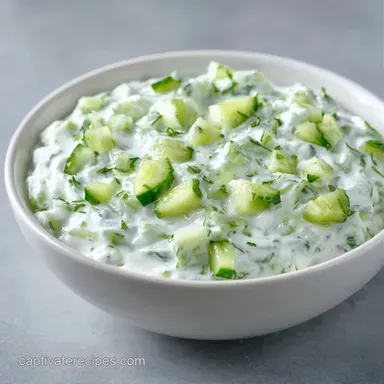
Kentucky Benedictine Spread: Velvety and Tangy
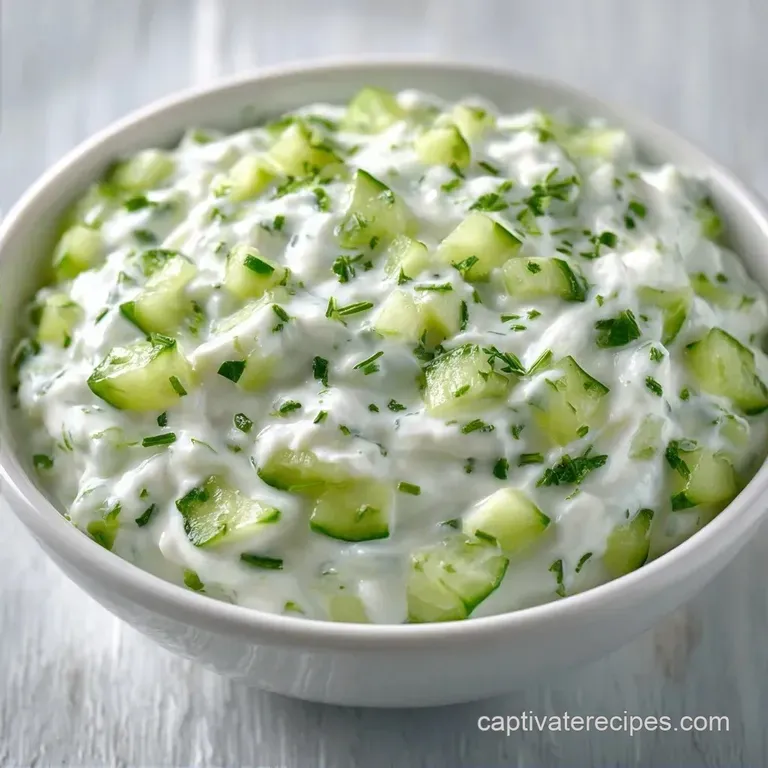
- Time:15 minutes active
- Flavor/Texture Hook: Tangy, velvety, and vibrant
- Perfect for: Kentucky Derby parties, brunch platters, or a bold appetizer
That sharp, ozone like scent of a freshly sliced English cucumber hitting the cutting board is enough to wake up any kitchen. I remember the first time I tried making this for a friend's party, and I did what any sane person would do: I just chopped the veggies and stirred them in.
It looked like a chunky salad that had accidentally fallen into a bowl of cream cheese. It was a mess, and the texture was totally off.
Forget everything you know about standard vegetable dips where you just stir in diced bits. The secret to a real Benedictine Spread isn't about the vegetables you see, but the liquid you extract from them.
When you ditch the pulp and keep only the juice, you get a sophisticated, sleek consistency that carries a punch of flavor without any of the grit.
Trust me, once you taste the difference between a chunky mix and this smooth, ivory green emulsion, you'll never go back. We're talking about a bright, bold flavor profile that cuts right through the richness of the dairy. It's a Southern classic for a reason, and we're going to make sure yours is vibrant and silky.
The Original Benedictine Spread Method
The magic here is all about the concentration of flavor. Most people assume this is just a "cucumber cream cheese," but it's actually a juice infusion. By removing the fiber, the flavor becomes more intense and the texture remains velvety.
The Secret to the Silkiness: Squeezing the vegetables removes the watery pulp that usually makes dips break. This allows the fats in the cream cheese to bond with the concentrated flavor without becoming runny.
The Acid Balance: The lemon juice and Greek yogurt act as stabilizers. They brighten the heavy cream cheese and ensure the pale green color stays vivid rather than turning a dull grey.
Aroma Extraction: Grating the onion and cucumber breaks the cell walls, releasing those bold, fresh scents before the juice is even extracted.
| Method | Time | Texture | Best For |
|---|---|---|---|
| Fresh Juice | 15 mins | Velvety | High end platters |
| Chopped Mix | 5 mins | Chunky | Casual snacking |
| Powdered Base | 2 mins | Grainy | Fast food style |
Component Analysis
| Ingredient | Science Role | Pro Secret |
|---|---|---|
| Cream Cheese | Structural Base | Use a brand with high fat for better stability |
| English Cucumber | Primary Aroma | Peel completely to avoid bitter tannins |
| White Onion | Sharp Contrast | Grate on the finest hole for maximum juice |
| Greek Yogurt | Texture Modifier | Provides a subtle tang that lifts the fat |
Essential Pantry Items
For a bold result, don't skimp on the quality of your dairy. I've found that using a full fat cream cheese makes a world of difference in how the spread holds its shape on a cracker.
- 225g softened cream cheese Why this? Provides the thick, velvety structure
- 30g plain Greek yogurt Why this? Adds brightness and smooths the base
- 5ml freshly squeezed lemon juice Why this? Prevents oxidation and adds zing
- 150g English cucumber, peeled and grated Why this? Low seed count, high water content
- 30g white onion, finely grated Why this? Sharp, clean heat without the brown color
- 3g kosher salt Why this? Enhances the vegetal notes
- 1g ground white pepper Why this? Adds heat without black specks
| Original Ingredient | Substitute | Why It Works |
|---|---|---|
| Greek Yogurt | Sour Cream | Similar acidity. Note: Slightly heavier mouthfeel |
| English Cucumber | Persian Cucumber | Similar flavor. Note: Use 3-4 smaller ones |
| White Onion | Shallots | Milder flavor. Note: Less "bite" than white onion |
Right then, before we start, make sure your cream cheese is truly softened. If it's cold, you'll end up with little white lumps that refuse to disappear, and that ruins the vibe of a professional Benedictine Spread.
Necessary Kitchen Tools
You don't need a fancy food processor for this. In fact, a box grater is actually better because it doesn't pulverize the vegetables into a paste, which makes extracting the juice much easier.
I highly recommend using a clean linen kitchen towel or a piece of cheesecloth. If you use a paper towel, it'll likely rip under the pressure of the squeeze, and you'll have bits of paper in your dip. A sturdy cloth allows you to really put some muscle into it to get every drop of that vibrant green liquid.
A silicone spatula is also a must for the folding process. You want to incorporate the juice gently so you don't overwork the cream cheese, which can sometimes cause it to separate if you're too aggressive.
Step by step Method
Let's crack on with the actual build. Pay attention to the smells here - you'll notice the aroma shift from sharp onion to a cool, fresh blend as you add the lemon.
- Grate the peeled cucumber and the white onion into a bowl. Note: Use the smallest holes on your grater for a finer pulp.
- Wrap the grated mixture tightly in a clean kitchen towel or cheesecloth. Twist and squeeze the cloth firmly over a bowl until all the concentrated juices are extracted, discarding the remaining pulp.
- In a medium mixing bowl, beat the softened cream cheese and Greek yogurt with a spatula until smooth and devoid of lumps.
- Stir in the lemon juice until the base is uniform and ivory colored.
- Slowly pour the extracted cucumber and onion juice into the cream cheese base. Gently fold the liquid in with a fork or spatula until the spread reaches a pale green hue and a velvety texture.
- Stir in the salt and white pepper last.
Chef's Note: If you want an even bolder flavor, let the spread sit in the fridge for 30 minutes before serving. This allows the onion juice to mellow and meld with the cream cheese.
Expert Advice and Warnings
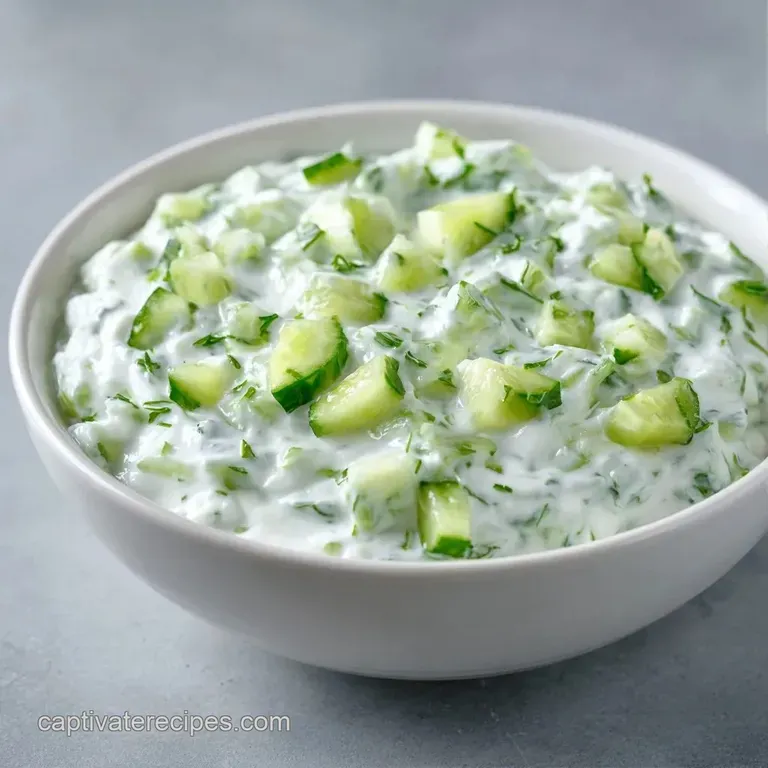
One of the biggest mistakes I see is people keeping the pulp. I know it feels wasteful, but the pulp is what makes a Benedictine Spread feel like a salad instead of a spread. The goal is a silk like consistency that glides across a piece of toast.
Another pitfall is the salt timing. Always add your salt and pepper at the very end. Salt can draw more moisture out of the dairy if it sits too long during the mixing phase, which might make your spread weep.
Preventing a Watery Spread
If you find your dip is too thin, it's usually because the cucumber was exceptionally juicy or the cream cheese had a high water content. This happens often with "light" versions of cream cheese.
Balancing the Fat to Acid Ratio
If the spread tastes too "heavy," a tiny extra squeeze of lemon juice will cut through the fat. The goal is a vibrant balance where the cucumber's freshness pops first, followed by the richness of the cheese.
| Problem | Root Cause | Solution |
|---|---|---|
| Too Runny | Excess juice or low-fat cheese | Fold in 1 tbsp more cream cheese |
| Lumpy Base | Cream cheese was too cold | Whisk vigorously or use a hand mixer |
| Bland Taste | Lack of salt or lemon | Add salt in 1/8 tsp increments |
Common Mistakes Checklist:
- ✓ Did you peel the cucumber entirely? (Skin adds bitterness)
- ✓ Did you squeeze the pulp until dry? (Crucial for texture)
- ✓ Is the cream cheese room temperature? (Prevents lumps)
- ✓ Did you use white pepper? (Keeps the color clean)
Flavor Variations and Subs
While the original is a classic, you can definitely play with this. If you're serving this as one of your Kentucky Derby appetizer recipes, keep it traditional. But for a regular Tuesday, feel free to experiment.
For a more herbal depth, stir in a teaspoon of finely minced chives. The oniony notes of the chives complement the grated white onion perfectly. If you want something a bit more "modern," a pinch of smoked paprika on top before serving adds a beautiful color contrast and a hint of woodsy flavor.
If you're looking for a lighter version, you can swap half the cream cheese for whipped feta. It'll be saltier and a bit grainier, but it adds an exciting, briny punch that works great with the cool cucumber.
Storage and Preservation
This Benedictine Spread keeps well in the fridge for about 4 to 5 days. Keep it in an airtight container with a piece of plastic wrap pressed directly onto the surface of the spread. This prevents a "skin" from forming and stops it from absorbing other fridge smells.
Do not freeze this. The emulsion of cream cheese and vegetable juice will break during the freezing and thawing process, leaving you with a curdled, watery mess. It's just not worth the risk.
As for zero waste, don't throw away that cucumber and onion pulp! I usually toss it into a batch of veggie fritters or mix it into a turkey burger patty. It adds moisture and a great vegetal flavor to cooked dishes.
Serving with Style
To really make this pop, serve it on toasted baguette rounds or crisp cucumber slices for a low carb option. The contrast between the shatter of a toasted cracker and the velvety spread is what makes this dish.
For a stunning presentation, place the spread in a small ceramic bowl and garnish with a single, thin curl of cucumber and a sprig of fresh dill. According to the style of "Benedictine Sandwiches", the clean, pale green color is the star, so don't over clutter the plate.
If you're feeling fancy, you can mimic the elegance of "Borage, Benedictine and Bacon Sandwiches" by adding a piece of crispy, salty bacon on top of each spread covered cracker. The smoke from the bacon and the brightness of the Benedictine Spread create a bold, exciting flavor combination.
Decision Shortcut:
- If you want a classic party vibe, serve on white toast points.
- If you want a healthy twist, use sliced radishes as the base.
- If you want a bold flavor, add a pinch of cayenne to the final mix.
Common Misconceptions
Some people think you need a centrifuge or a fancy juicer to get the liquid out. That's just not true. A simple kitchen towel and some elbow grease do the job perfectly.
Another myth is that you can use any cucumber. While you can, the English cucumber is preferred because it has fewer seeds and a thinner skin. Using a standard garden cucumber often results in too much water and a slightly bitter taste that ruins the delicate balance of the spread.
Recipe FAQs
What is Benedictine spread?
A classic Kentucky appetizer. It is a savory, pale green spread made from a base of cream cheese and Greek yogurt blended with concentrated cucumber and onion juices.
How to extract the juices for this recipe?
Wrap grated cucumber and onion in a clean kitchen towel or cheesecloth. Twist and squeeze the cloth firmly over a bowl to collect the concentrated liquid, then discard the remaining pulp.
Can I freeze Benedictine spread?
No, do not freeze it. The emulsion of cream cheese and vegetable juice will break during the freezing and thawing process, leaving the spread curdled and watery.
How to store the spread to keep it fresh?
Place it in an airtight container with plastic wrap pressed directly onto the surface. This prevents a skin from forming and stops the spread from absorbing fridge odors for 4 to 5 days.
Is it true that the cucumber pulp should be mixed into the cream cheese?
No, this is a common misconception. Only the concentrated juices are used in the spread; the pulp must be discarded to ensure a velvety, smooth texture.
How to ensure the spread is smooth and lump free?
Beat the softened cream cheese and Greek yogurt with a spatula first. Once the base is completely smooth, stir in the lemon juice before folding in the extracted vegetable juices.
What are some menu ideas for a Christmas party using this spread?
Serve it as a chilled dip for fresh vegetables or a spread for crackers. Its pale green hue and refreshing flavor make it a sophisticated addition to a holiday appetizer platter.
Classic Benedictine Spread