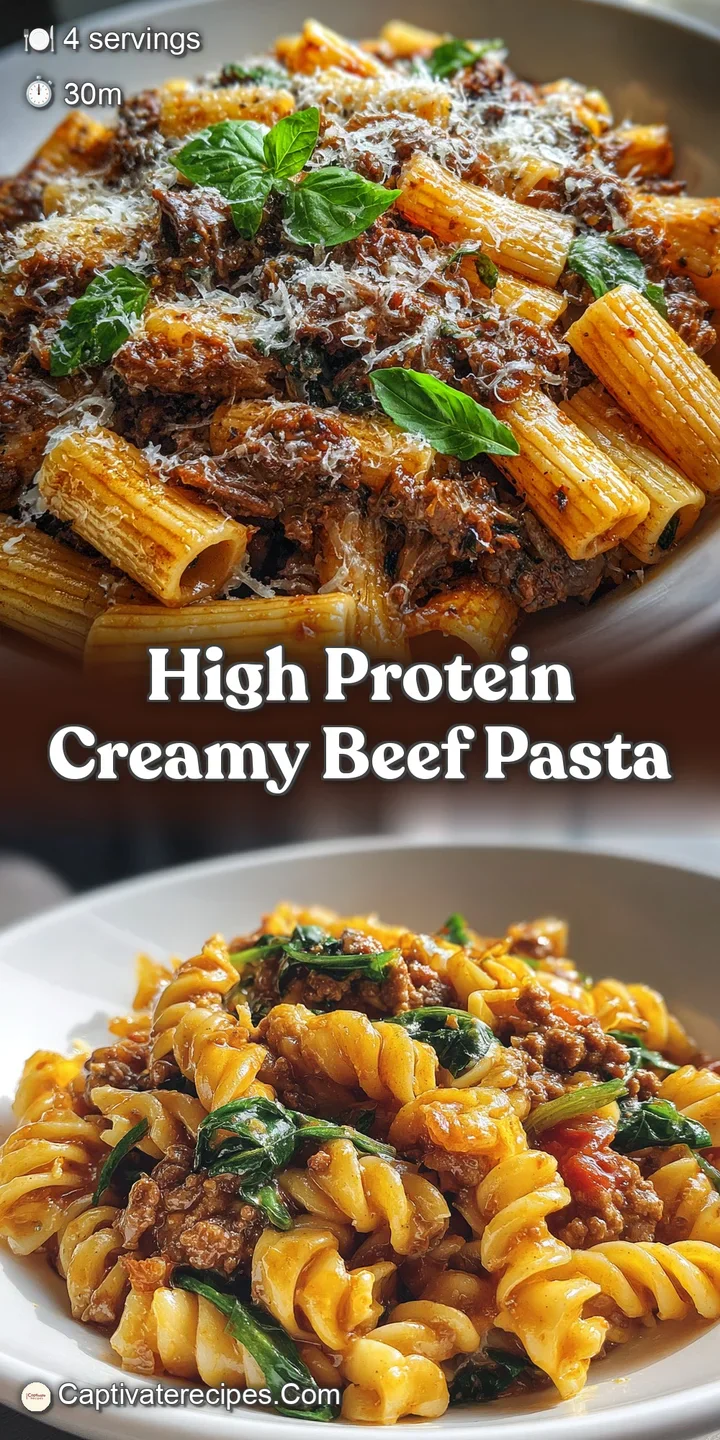
High Protein Creamy Beef Pasta
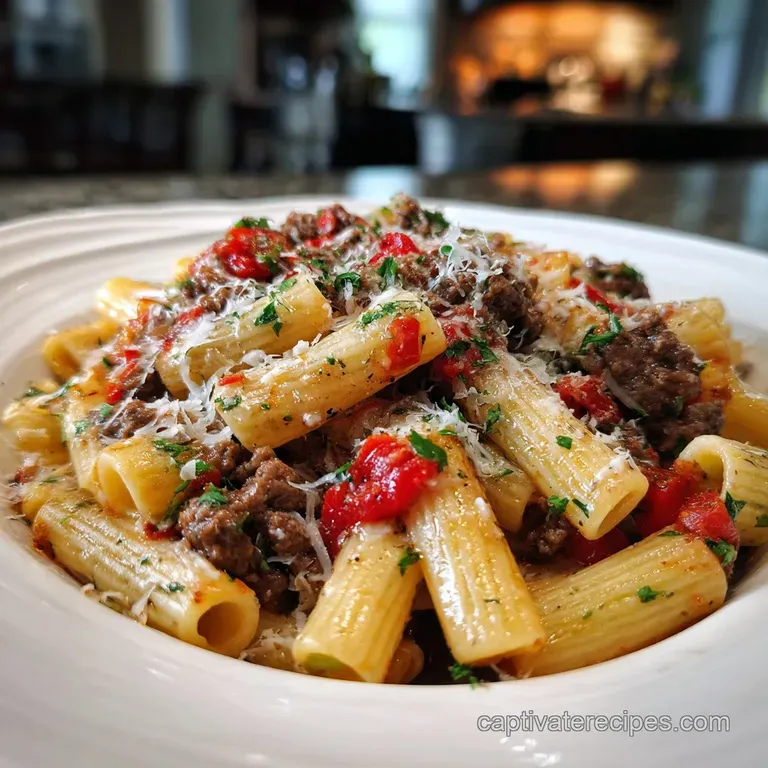
- Time: Active 10 minutes, Passive 20 minutes, Total 30 minutes
- Flavor/Texture Hook: Savory, garlic forward, and velvety
- Perfect for: Post workout recovery or busy weeknights
- Making My High Protein Creamy Beef Pasta
- The Secret to the Silk
- Understanding Your Essential Components
- Tools for One Pan Success
- What You Need and Swaps
- Preparation and Cooking Action Steps
- Better Results and Common Mistakes
- Adjusting Portions for Any Crowd
- Debunking Common Kitchen Pasta Myths
- Managing Your Leftover Portions
- Side Dishes and Serving Suggestions
- High in Sodium ⚠️
- Recipe FAQs
- 📝 Recipe Card
Making My High Protein Creamy Beef Pasta
There is a specific sound that ground beef makes when it hits a truly hot skillet, a sharp sizzle that tells you the flavor is locking in. I remember one Tuesday evening after a particularly brutal workout when I was staring at a package of lean beef and a box of pasta.
I didn't want a heavy, grease slicked sauce that would make me feel sluggish, but I was absolutely craving something that felt like a warm hug. That was the night I experimented with Greek yogurt instead of heavy cream, and I've never looked back.
The aroma that fills the kitchen when the garlic hits the beef fat is nothing short of intoxicating. It’s a grounded, earthy scent that promises a deep, satisfying meal. We’ve all had those pasta dishes that look great but taste like nothing but salt and cream.
This version is different because it focuses on building layers of flavor with simple pantry staples like smoked paprika and onion powder. It's reliable, it works every single time, and it satisfies that deep hunger without requiring a nap afterward.
You might be skeptical about using yogurt in a hot sauce, and I was too at first. My first attempt resulted in a curdled mess because I was too impatient. But once you learn the trick of tempering your dairy and managing the heat, you'll see how it creates a silky coating that clings to every ridge of the pasta.
It’s a game of patience and temperature, and I’m going to show you exactly how to get it right. Trust me, your future tired self will thank you for having this recipe in your back pocket.
The Secret to the Silk
The Physics of the Emulsion: Pasta starch acts as a natural stabilizer, binding the protein rich yogurt to the beef broth to prevent separation.
Maillard Reaction Depth: over High heat searing of the lean beef creates complex flavor compounds through protein and sugar breakdown.
Acidic Protein Softening: The lactic acid in Greek yogurt gently breaks down the beef fibers while providing a bright contrast to the savory garlic.
| Meat Thickness | Target Finish | Rest Time | Visual Cue |
|---|---|---|---|
| Small crumbles | Fully browned | 2 minutes | No pink remains |
| Large chunks | Medium well | 4 minutes | Deep brown crust |
| Finely ground | Golden brown | 1 minute | Sizzle softens |
Finding the right balance of texture is half the battle when you're working with lean meat. Since we are using 93/7 beef, it can dry out quickly if you aren't careful. The trick is to let it sit undisturbed in the pan for the first few minutes to get that gorgeous crust before breaking it up into smaller pieces.
Understanding Your Essential Components
| Component | Science Role | Pro Secret |
|---|---|---|
| Greek Yogurt | Emulsifier | Use room temperature only |
| Bone Broth | Flavor Base | High collagen adds body |
| Pasta Water | Binding Agent | Save more than you think |
| Tomato Paste | Umami Boost | Caramelize it in the center |
When we talk about building a sauce without heavy fats, we have to look at the structural integrity of our ingredients. The bone broth isn't just for liquid; it provides a foundational savory note that complements the beef perfectly.
It’s about creating a sauce that feels heavy on the tongue but light in the stomach.
Tools for One Pan Success
You don't need a kitchen full of gadgets for this. A heavy bottomed skillet is your best friend here because it holds heat more consistently than thin aluminum pans. I prefer a 12 inch cast iron or a deep stainless steel sauté pan.
You also need a sturdy wooden spoon to scrape up all those delicious brown bits from the bottom of the pan that’s where the real flavor lives.
A simple pasta pot and a colander are the only other major players. If you're feeling efficient, you can even cook the pasta in the same pan by adding the liquid directly to the beef, but for the best texture, I still recommend the two pot method.
It gives you better control over the starch concentration in your pasta water, which is the "liquid gold" that makes our sauce so velvety.
Chef Tip: Freeze your tomato paste in one tablespoon dollops on a piece of parchment paper. Once frozen, toss them into a bag. You’ll always have exactly what you need without wasting a whole can.
What You Need and Swaps
- 1 lb lean ground beef (93/7): Why this? Provides high protein with minimal saturated fat. Substitute: Ground turkey or chicken (Note: Will be slightly leaner/drier).
- 8 oz protein enriched pasta: Why this? Boosts the protein count per serving significantly. Substitute: Whole wheat pasta (Note: Adds a nuttier, grainier texture).
- 1 cup low-fat Greek yogurt: Why this? Creates the creamy texture without the fat of heavy cream. Substitute: low-fat sour cream (Note: Slightly less protein, more tang).
- 4 cloves fresh garlic, minced: Why this? Essential aromatic base for the entire flavor profile. Substitute: 1 tsp garlic powder (Note: Lacks the sharp, fresh bite).
- 1/2 cup low sodium beef bone broth: Why this? Adds depth and protein through natural collagen. Substitute: Vegetable broth (Note: Will have a lighter flavor profile).
- 1/4 cup freshly grated Parmesan cheese: Why this? Provides saltiness and helps thicken the emulsion. Substitute: Nutritional yeast (Note: dairy-free but changes the flavor).
- 1 tbsp tomato paste: Why this? Concentrates the savory "umami" notes of the beef. Substitute: 2 tbsp tomato sauce (Note: Thinner consistency).
- 1 tsp smoked paprika: Why this? Adds a subtle wood fired depth without heat. Substitute: Regular paprika (Note: Loses the smoky element).
- 1 tsp onion powder: Why this? Distributes savory onion flavor evenly through the sauce. Substitute: 1/4 cup finely minced shallots (Note: Adds more texture).
- 1 tsp kosher salt: Why this? Enhances all other flavors without being overwhelming. Substitute: Sea salt (Note: Use slightly less by volume).
- 1/2 tsp cracked black pepper: Why this? Provides a gentle back of-the throat heat. Substitute: White pepper (Note: More floral, less pungent).
Preparation and Cooking Action Steps
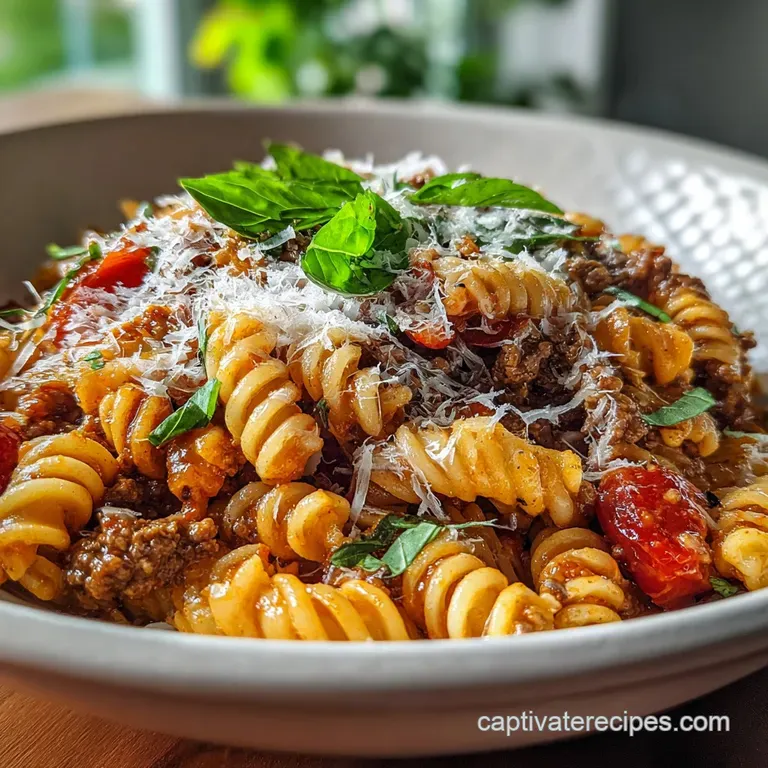
- Boil the pasta. Cook the 8 oz protein enriched pasta in salted water until al dente and slightly firm. Note: It will finish cooking in the sauce later.
- Sear the beef. Brown the 1 lb lean ground beef in a large skillet over medium high heat until a deep brown crust forms. Note: Avoid moving the meat too much at first.
- Season the meat. Add the 1 tsp kosher salt, 1/2 tsp cracked black pepper, 1 tsp smoked paprika, and 1 tsp onion powder to the beef.
- Scent the aromatics. Stir in the 4 cloves of minced garlic and 1 tbsp tomato paste until the garlic is fragrant and the paste turns brick red.
- Deglaze the pan. Pour in the 1/2 cup beef bone broth and scrape the bottom of the pan until all browned bits are dissolved.
- Simmer the liquid. Let the broth reduce by half over medium heat until the liquid looks glossy and thick.
- Temper the dairy. Remove the pan from heat and whisk in a few tablespoons of hot pasta water into the 1 cup room temperature Greek yogurt.
- Combine the sauce. Fold the tempered yogurt and 1/4 cup Parmesan cheese into the beef mixture until the sauce is silky and uniform.
- Toss the pasta. Add the cooked pasta to the skillet until every noodle is thoroughly coated in velvet.
- Final adjust. Add a splash more pasta water if the sauce is too thick until the desired consistency is reached.
Better Results and Common Mistakes
One of the biggest hurdles with this recipe is the temperamental nature of Greek yogurt. If you add cold yogurt directly to a boiling pan, it will seize and separate into grainy clumps. It’s still edible, but you lose that velvety mouthfeel we’re aiming for.
Always bring your yogurt to room temperature and take the pan off the burner before you stir it in. This small step makes a massive difference in the final result.
Another common pitfall is overcooking the pasta in the initial boiling phase. Because we toss the pasta back into the warm sauce, it will continue to absorb moisture. If you start with soft pasta, you'll end up with a mushy mess. Aim for about a minute or two less than the box instructions. Much like the technique used in my Creamy Garlic Shrimp recipe, the goal is for the pasta to finish its journey inside the sauce itself.
Fixing Grainy Sauce Texture
This usually happens when the dairy gets too hot too fast. If you see the sauce starting to break, immediately add a tablespoon of very hot pasta water and whisk vigorously. The starch can sometimes help pull the emulsion back together before it fully separates.
Improving Lean Beef Flavor
Since 93/7 beef lacks fat, it can taste a bit "flat." Ensure you are letting the meat get a proper sear. If it looks grey, you haven't gone far enough. That deep brown color is actually a chemical reaction that creates hundreds of new flavor compounds.
| Problem | Root Cause | Solution |
|---|---|---|
| Thin sauce | Too much broth | Simmer longer before adding yogurt |
| Bland taste | Not enough salt | Add a splash of soy sauce or more salt |
| Dry meat | Overcooked in first step | Remove meat once browned, add back at the end |
Common Mistakes Checklist
- ✓ Let the beef sit for 3 minutes without stirring to get a proper sear.
- ✓ Ensure the Greek yogurt is at room temperature before it touches the pan.
- ✓ Save at least one cup of pasta water before draining your noodles.
- ✓ Turn off the stove burner before folding in the dairy components.
- ✓ Mince your garlic fresh rather than using the pre jarred variety.
Adjusting Portions for Any Crowd
When you're cutting this recipe in half, it’s quite straightforward. Use a smaller 8 inch skillet so the sauce doesn't evaporate too quickly. You might find you need a little extra broth relative to the meat to keep everything moist, as smaller batches tend to lose liquid to steam at a faster rate.
Doubling the recipe is where things get tricky. You'll need to work the beef in two separate batches to avoid crowding the pan; otherwise, the meat will steam in its own juices instead of searing.
For the spices, I find that 1.5x the amount is usually enough when doubling, as salt and paprika can become overpowering very quickly. Keep the liquids at a 1:1 ratio for doubling to ensure the pasta has enough sauce to swim in.
Debunking Common Kitchen Pasta Myths
Many people believe you need oil in your pasta water to keep the noodles from sticking. This is actually a mistake! The oil creates a coating on the pasta that prevents the sauce from clinging to it. All you need is a large pot of water and a quick stir in the first two minutes of boiling.
The sauce should be what flavors and lubricates the pasta, not oil from the pot.
Another myth is that you must rinse your pasta after draining. Unless you are making a cold salad like my Zesty Southwestern Pasta recipe, rinsing is the enemy of a good sauce. You want that surface starch on the noodles. It’s the "glue" that helps your high protein creamy beef pasta sauce stay attached to the pasta rather than pooling at the bottom of the bowl.
Managing Your Leftover Portions
This pasta stays good in the fridge for about 3 to 4 days in an airtight container. However, the pasta will continue to soak up the sauce as it sits. When you go to reheat it, don't just microwave it as is. Add a tiny splash of water or broth to loosen the sauce back up.
It will help restore that creamy texture that often disappears in the cold.
I don't recommend freezing this specific dish. Greek yogurt has a high water content, and when it freezes and thaws, the structure breaks down, often resulting in a watery, grainy texture. If you have extra beef mix before adding the yogurt and pasta, you can freeze that part!
For zero waste, use any leftover sauce as a topping for a baked potato or stir it into a bowl of steamed vegetables for a quick protein boost the next day.
Side Dishes and Serving Suggestions
To keep this meal in the high protein, healthy realm, I usually pair it with a crisp green salad or some roasted broccoli. The acidity of a lemon vinaigrette on some greens cuts through the richness of the creamy beef beautifully.
If you're feeling extra hungry, a slice of toasted sourdough is great for mopping up any leftover sauce at the bottom of the bowl.
If you want to vary the flavor profile, you can add some sautéed mushrooms along with the garlic to give it a "Stroganoff" vibe. Or, for a bit of a kick, a pinch of red pepper flakes during the searing process goes a long way.
This recipe is a fantastic base that you can tweak depending on what's lingering in your crisper drawer. It's meant to be a reliable, easy win for those nights when you really just need a win.
High in Sodium ⚠️
840 mg 840mg of sodium per serving (37% 37% of daily value)
The American Heart Association recommends limiting sodium intake to approximately 2,300mg per day for adults to support healthy blood pressure.
Sodium Reduction Strategies for This Recipe
-
Broth Swap-30%
Opt for no-sodium added beef broth. This can significantly reduce the sodium content without sacrificing flavor. Be sure to check the labels carefully!
-
Salt Reduction-25%
Reduce the amount of added kosher salt by half, or eliminate it entirely. Taste the dish after cooking and add a pinch more only if necessary. Remember that other ingredients may contain some sodium.
-
Parmesan Portion Control-15%
Use a smaller amount of Parmesan cheese, or substitute it with a lower sodium cheese like fresh mozzarella (used sparingly). Consider nutritional yeast as a low-sodium alternative for a cheesy flavor.
-
Beef Consideration-10%
Ensure the lean ground beef is truly lean and not pre-seasoned. Sometimes, even lean ground beef can have added sodium during processing. Check the packaging!
-
Tomato Paste Check-5%
Tomato paste can sometimes contain added salt. If possible, opt for a no-salt added version, or use a smaller amount.
-
Herb Power!
Enhance the flavor with fresh herbs like basil, oregano, or parsley. These add depth and complexity without any sodium.
Recipe FAQs
Can I use regular yogurt instead of Greek yogurt for creaminess?
No, stick with Greek yogurt. Regular yogurt has too much liquid content, which drastically increases the risk of curdling when heated. The thickness of Greek yogurt acts as a better emulsifier when combined with the warm pasta water.
How to avoid the sauce separating when adding the yogurt?
Remove the pan from the heat entirely before mixing. The key is tempering: whisk a few tablespoons of hot pasta liquid into your room temperature yogurt first, then gently fold that tempered mixture into the beef base off the burner.
Is it necessary to use beef bone broth, or can I use plain water?
No, bone broth is highly recommended for flavor depth. Water results in a thin, bland sauce because it lacks the savory compounds and natural collagen found in broth. If you master the temperature control here, you'll see the same principle of building flavor layers works beautifully in our Orange Maple Roast Duck recipe.
How to ensure the lean ground beef stays flavorful and not dry?
Sear the beef undisturbed over medium high heat initially. You need a deep brown crust to develop flavor compounds before breaking it into crumbles. This quick searing traps moisture inside the developing meat particles.
What is the optimal time to cook the pasta relative to the sauce?
Cook the pasta 1 to 2 minutes shy of the package directions for al dente. The pasta finishes absorbing liquid and cooking inside the warm sauce, so starting soft guarantees a mushy result. This concept of finishing cooking in the sauce is crucial for texture, just like when preparing the sauce for our Cheesy Hasselback Potato Gratin recipe.
Can I substitute ground turkey or chicken for the beef?
Yes, but you must add extra fat or liquid. Poultry is significantly leaner than 93/7 beef and will dry out faster during the searing process. Add a teaspoon of olive oil to the pan or increase the bone broth slightly to compensate for the lack of rendered beef fat.
How do I adjust the recipe if I need to serve 6 people instead of 4?
Double all solid ingredients, but increase the liquids by 1.5 times. When doubling, avoid overcrowding the pan during the beef searing step, which can cause steaming instead of browning. If you learn how to scale ingredients like this, meal prepping is simpler, like mastering portion control for the make-ahead Breakfast Burrito recipe.
Creamy Beef Pasta High Protein
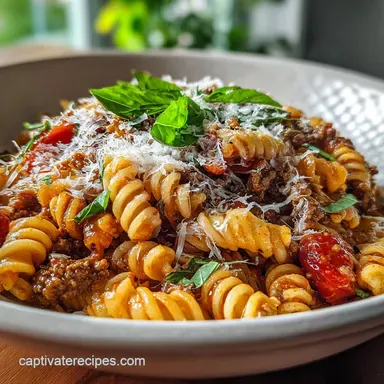
Ingredients:
Instructions:
Nutrition Facts:
| Calories | 442 kcal |
|---|---|
| Protein | 49g |
| Fat | 12g |
| Carbs | 36g |
| Fiber | 5g |
| Sugar | 4g |
| Sodium | 840mg |
