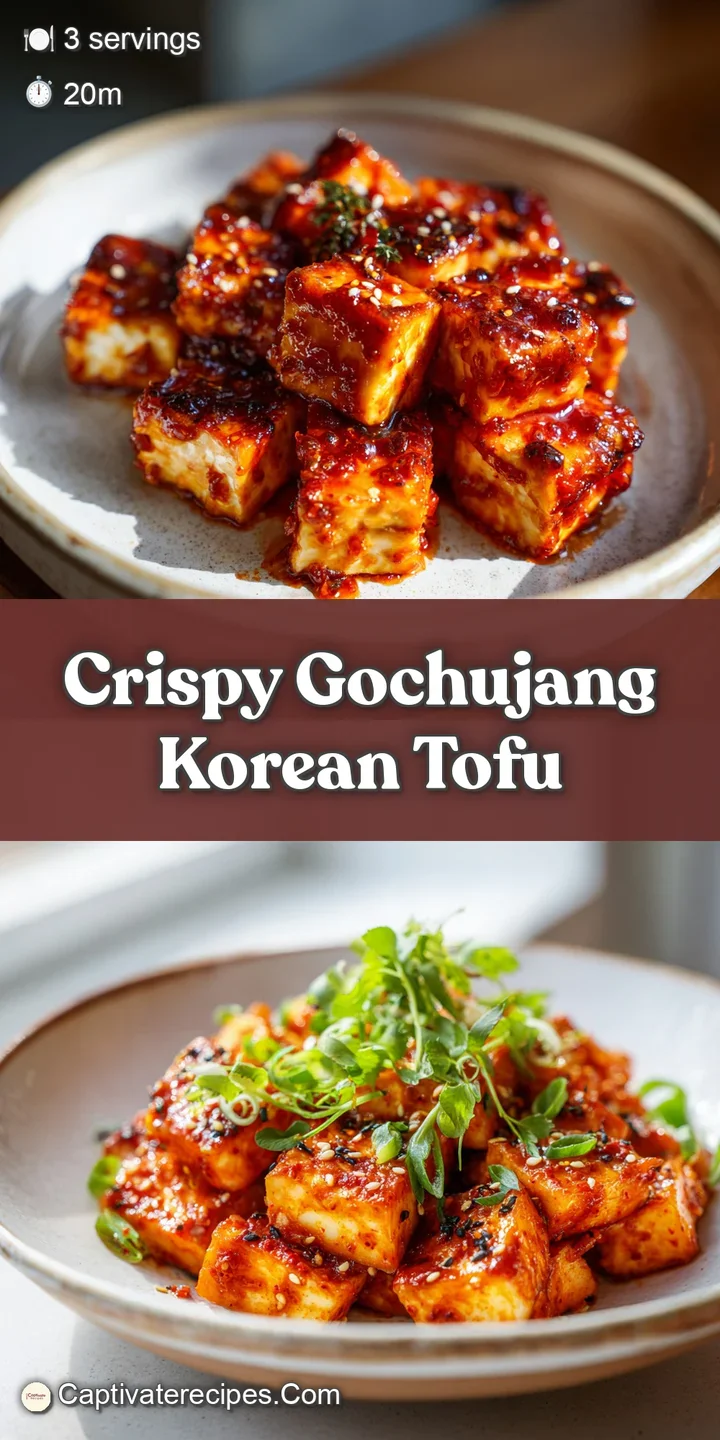
Crispy Gochujang Korean Tofu
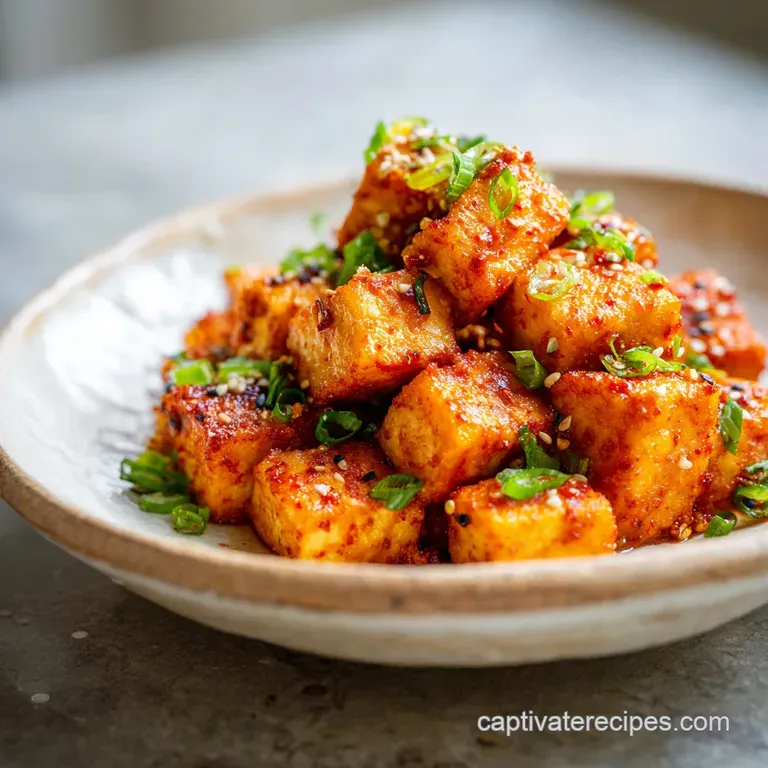
- Time: Active 5 minutes, Passive 15 minutes, Total 20 minutes
- Flavor/Texture Hook: A shattering cornstarch crust smothered in a velvety, sweet heat glaze.
- Perfect for: A fast weeknight dinner or a high protein meal prep option.
- Master Your Crispy Gochujang Korean Tofu
- Why This Tofu Works
- Essential Tofu Recipe Specs
- Shopping List for Better Tofu
- Simple Tools for Cooking Tofu
- Cooking Your Crispy Korean Tofu
- Fixing Common Texture Mistakes
- Flavor Variations to Explore
- Adjusting the Recipe Yield
- Tofu Myths Debunked
- Storing and Reheating Leftovers
- Serving and Pairing Suggestions
- Recipe FAQs
- 📝 Recipe Card
Master Your Crispy Gochujang Korean Tofu
We've all been there, standing over a pan of sad, grey tofu that refuses to crisp up. For the longest time, I thought the only way to get that restaurant level crunch was to deep fry the life out of it.
My kitchen would end up smelling like a chip shop for three days, and honestly, the cleanup was never worth the result. But then I started experimenting with the "tear and toss" method, and everything changed.
The first time I heard the audible crack when biting into a piece of this tofu, I knew I’d cracked the code. There’s something about the jagged, uneven edges of torn tofu that catches the cornstarch so much better than neat little cubes. When it hits the oil, those edges turn into little crispy mountains.
Then, you toss it in that glossy gochujang sauce, and it stays crunchy. It's a total win for anyone who wants big flavors without the fuss.
Trust me on this one, once you stop dicing your tofu with a knife and start tearing it by hand, you’ll never go back. It looks more rustic, it tastes better, and it saves you a bit of prep time too. Let's get into how to make this work in your own kitchen without needing a culinary degree or a deep fryer.
Why This Tofu Works
The Physics of the Crunch: Tearing the tofu creates a jagged surface area that traps more cornstarch, leading to more sites for the Maillard reaction to occur. This uneven texture prevents the sauce from fully saturating the crust, which keeps the bite shattering rather than soggy.
- Surface Dehydration: Cornstarch acts as a moisture sponge, pulling water from the tofu exterior so the oil can crisp it instantly.
- Viscosity Control: The maple syrup and gochujang create a thick glaze that coats the exterior without soaking into the core.
- Aromatic Infusion: Grating fresh ginger and garlic directly into the cold sauce ensures the flavors bloom once they hit the heat.
- Thermal Stability: Using extra firm tofu provides a dense protein structure that holds its shape even under the weight of a heavy glaze.
Cook Method Comparison
| Method | Time | Texture | Best For |
|---|---|---|---|
| Stovetop | 15 minutes | Deeply seared and oily | Maximum crunch lovers |
| Air Fryer | 12 minutes | Evenly dry and light | Health conscious cooks |
| Oven Bake | 25 minutes | Consistent but firmer | Large batch cooking |
Whether you use the stovetop or follow a Baked Tofu Bites recipe, the goal is always to remove enough surface moisture. The air fryer is brilliant for speed, but the pan sear gives you those localized "char" spots that taste incredible with gochujang.
Essential Tofu Recipe Specs
Before we start, make sure your tofu is drained well. Even though we aren't doing a long press, a quick pat down with a towel helps the cornstarch stick. This recipe is designed for a standard 14 oz block, which is perfect for three people or two very hungry ones.
- Active Time:5 minutes
- Cook Time:15 minutes
- Serving Size: 3 servings
- Heat Level: Medium (thanks to the gochujang)
Component Analysis
| Ingredient | Science Role | Pro Secret |
|---|---|---|
| Extra Firm Tofu | Structural base | Tear it, don't cut it |
| Cornstarch | Moisture barrier | Toss until it looks chalky |
| Gochujang | Flavor/Sugar source | Don't let it burn |
| Rice Vinegar | Acid balance | Use for "brightening" the heat |
The rice vinegar is the secret weapon here. It cuts through the heavy fermentation of the gochujang and the sweetness of the maple syrup. Without it, the sauce can feel a bit one note and heavy on the palate.
Shopping List for Better Tofu
You'll find these at most grocery stores nowadays. If you can't find extra firm tofu, firm will work, but you'll need to press it for 10 minutes longer to avoid a crumbly mess.
- 14 oz extra firm tofu: Drained and torn into bite sized chunks. Why this? It holds its shape perfectly during the over high heat searing process.
- 3 tbsp cornstarch: The key to the crust.
- 1/2 tsp fine sea salt: To season the "batter."
- 1/2 tsp garlic powder: For base flavor.
- 1 tbsp neutral oil: Avocado or grapeseed works well.
- 2 tbsp gochujang: Korean chili paste.
- 1 tbsp soy sauce: For that salty umami hit.
- 1 tbsp rice vinegar: Adds necessary tang.
- 1 tbsp maple syrup: Provides sweetness and helps with caramelization.
- 1 tsp toasted sesame oil: For a nutty finish.
- 1 clove garlic: Finely grated.
- 1 tsp fresh ginger: Grated for heat and zing.
| Original Ingredient | Substitute | Why It Works |
|---|---|---|
| Gochujang | Sriracha + Miso | Similar spice and funk. Note: Less thick than the original. |
| Maple Syrup | Honey or Brown Sugar | Provides the necessary sugar for the glaze to thicken. |
| Cornstarch | Arrowroot Powder | Great gluten-free alternative that crisps up similarly. |
| Soy Sauce | Tamari or Liquid Aminos | Same salty profile. Note: Good for gluten-free diets. |
If you enjoy experimenting with different textures, you might also like trying a Tofu Deli Meat recipe which uses a similar pressing technique to achieve a much firmer, meatier bite.
Simple Tools for Cooking Tofu
You don't need much for this. A simple non stick skillet is your best friend to ensure the cornstarch crust doesn't end up glued to the pan.
- Large Non Stick Skillet: Essential for a mess free sear.
- Mixing Bowl: For tossing the tofu in starch.
- Small Jar or Bowl: To whisk the sauce ingredients.
- Microplane/Grater: For the fresh ginger and garlic.
Chef's Tip: Freeze your ginger root! It makes it so much easier to grate into a fine paste without all the woody fibers getting in the way.
Cooking Your Crispy Korean Tofu
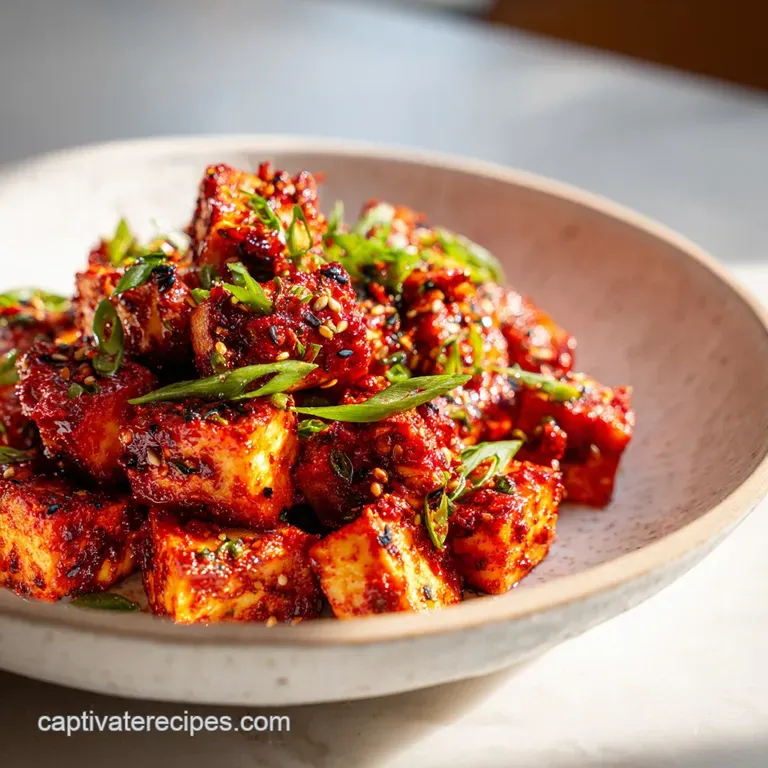
Right then, let's crack on with the actual cooking. The process is fast, so have your sauce mixed and ready before the tofu hits the pan.
- Prep the tofu. Drain the 14 oz extra firm tofu and use your hands to tear it into irregular, bite sized chunks. Note: This creates more texture than clean knife cuts.
- Dry it off. Pat the chunks with a paper towel to remove excess moisture.
- Coat for crunch. Toss the tofu in a bowl with 3 tbsp cornstarch, 1/2 tsp salt, and 1/2 tsp garlic powder.
- Whisk the glaze. In a separate small bowl, combine 2 tbsp gochujang, 1 tbsp soy sauce, 1 tbsp rice vinegar, 1 tbsp maple syrup, 1 tsp sesame oil, 1 clove grated garlic, and 1 tsp grated ginger.
- Heat the pan. Add 1 tbsp neutral oil to your skillet over medium high heat until it shimmers and moves like water.
- Sear the chunks. Place the tofu in the pan in a single layer.
- Develop the crust. Cook for about 8-10 minutes, turning occasionally until every side is golden brown and feels firm.
- Add the sauce. Pour the gochujang mixture over the tofu and toss immediately.
- Glaze and thicken. Stir for 1-2 minutes until the sauce bubbles and turns into a velvety, glossy coating.
- Serve it hot. Remove from heat and serve over rice or veggies immediately.
Fixing Common Texture Mistakes
Tofu can be temperamental if the heat isn't right. Most issues come down to moisture or temperature control. If you find your tofu is sticking, it's usually because the pan wasn't hot enough when you started.
Why is my tofu gummy?
If the starch feels like a paste instead of a crust, the tofu was likely too wet when you tossed it. Next time, give it a more thorough squeeze with a clean dish towel. Another culprit is overcrowding the pan; if the pieces are touching, they steam each other instead of searing.
Why is the sauce too thick?
Gochujang has a lot of sugar and starch. If it hits a pan that is screaming hot, it will turn into glue in seconds. If this happens, just add a splash of water or more rice vinegar to loosen it back up.
| Problem | Root Cause | Solution |
|---|---|---|
| Soggy Tofu | Too much moisture | Pat dry and use higher heat. |
| Burnt Sauce | Heat too high/No stirring | Lower heat before adding glaze. |
| Bland Bite | Lack of salt in starch | Season the cornstarch, not just the sauce. |
Common Mistakes Checklist
- ✓ Don't skip the pat dry step; moisture is the enemy of the "shatter" crunch.
- ✓ Use extra firm tofu only; silken or soft will disintegrate in the pan.
- ✓ Give the pan at least 2 minutes to preheat before adding the oil.
- ✓ Work in batches if your pan is small; overcrowding leads to steaming.
- ✓ Toss the tofu in the sauce at the very last second to preserve the texture.
Flavor Variations to Explore
Once you've got the basic technique down, you can start playing with the profile. This recipe is a great "base" for whatever mood you're in.
- The Umami Nutty Twist: Add a tablespoon of creamy peanut butter to the sauce. It makes it richer and tones down the spice slightly.
- The Citrus Zest Kick: Swap the rice vinegar for lime juice and add a teaspoon of lime zest at the end for a brighter, zingier finish.
- Diet Swap: The Soy Free Version: Use coconut aminos instead of soy sauce. You might want to reduce the maple syrup slightly as coconut aminos are naturally sweeter.
- The Extra Spicy Version: Stir in a teaspoon of gochugaru (Korean chili flakes) or a splash of sriracha into the sauce for a more aggressive heat.
Adjusting the Recipe Yield
Scaling this dish is fairly straightforward, but you have to watch the pan space.
Cutting the Recipe in Half
If you’re cooking for one, use half a block of tofu. You can keep the sauce measurements the same if you like things extra saucy, or halve them. Use a smaller 8 inch skillet to maintain the heat density.
Doubling for a Crowd
To double this, use two blocks of tofu. Crucially, do not try to cook both in one pan unless it's a massive griddle. Cook the tofu in two separate batches to ensure they stay crispy.
For the sauce, you only need to increase the liquids (soy, vinegar, syrup) by 1.5x rather than 2x, as the volume helps prevent evaporation.
Tofu Myths Debunked
Myth: You must press tofu for hours. Actually, for this specific torn style recipe, a 30 minute press is overkill. Because we are tearing the tofu into small pieces and coating them in starch, the surface area takes care of the moisture for us. A quick 5 minute squeeze between paper towels is plenty.
Myth: Tofu is flavorless. Tofu is a sponge. On its own, yes, it's neutral, but that's its strength. The cornstarch crust creates a porous layer that sucks up the gochujang glaze, ensuring every bite is packed with seasoning. It’s not about the tofu; it’s about the delivery system.
Storing and Reheating Leftovers
Leftover Crispy Gochujang Korean Tofu is still delicious, though it will lose some of that initial "shatter" crunch as it sits in the fridge.
- Fridge: Store in an airtight container for up to 4 days.
- Freezer: I don't recommend freezing the finished dish, as the sauce becomes grainy and the tofu texture changes significantly.
- Reheating: Avoid the microwave! It will make the tofu rubbery and soggy. Instead, toss it back into a dry non stick skillet over medium heat for 3-5 minutes. This helps re caramelize the sauce and crisps up the edges again.
- Zero Waste Tip: If you have leftover sauce in the bowl, don't toss it. Use it to glaze some roasted broccoli or stir it into a bowl of plain ramen noodles the next day.
Serving and Pairing Suggestions
This tofu is a star on its own, but it really shines when paired with something cool and fresh to balance the heat.
I love serving this over a bed of fluffy jasmine rice with a side of quick pickled cucumbers. The acidity of the pickles acts as a palate cleanser between those spicy, savory bites.
If you want to go the salad route, it works beautifully on top of a crunchy slaw made with shredded cabbage, carrots, and a sesame ginger dressing. For a lower carb option, cauliflower rice or even large lettuce cups make for a great "taco" style meal.
Just add a sprinkle of toasted sesame seeds and some sliced scallions on top for that final pop of color and flavor.
Recipe FAQs
What is the absolute best way to ensure the tofu crust stays crispy?
Tear, don't cut, the tofu. Tearing creates jagged edges that trap significantly more cornstarch, leading to maximum surface area for crisping during searing.
How do I prevent the gochujang glaze from burning in the pan?
Reduce the heat before adding the sauce. The sugars in the maple syrup and gochujang caramelize very quickly; add the sauce only after the tofu is fully seared and stir constantly for just 1-2 minutes.
Is it necessary to press the tofu before coating it?
No, but a quick pat down is essential. For this recipe, since we tear the tofu, a thorough press isn't required; just use paper towels to remove surface moisture so the cornstarch adheres correctly.
How do I adjust the recipe if I want a less spicy glaze?
Reduce the gochujang and add dairy-free richness. Cut the gochujang by half and substitute that volume with a neutral fat or use a recipe like our Vegan Chicken Sandwich recipe base to understand how fats buffer spice.
How long should the tofu sear on the stovetop before tossing in the glaze?
Sear for 8 to 10 minutes total. You must turn the pieces until every side has developed a deep golden brown, crunchy crust, which indicates the surface moisture has evaporated.
What is the purpose of adding rice vinegar to the sauce mixture?
It balances the richness and heat. The acidity from the vinegar cuts through the heavy, fermented flavor of the gochujang, brightening the entire glaze profile.
How should I reheat leftovers to maintain maximum crispiness?
Use a dry skillet over medium heat. Never use the microwave; instead, reheat the pieces in a dry, preheated pan for about 3 to 5 minutes to reactivate the crust.
Crispy Gochujang Tofu
Ingredients:
Instructions:
Nutrition Facts:
| Calories | 248 kcal |
|---|---|
| Protein | 11.5 g |
| Fat | 12.3 g |
| Carbs | 20.3 g |
| Fiber | 1.3 g |
| Sugar | 8.1 g |
| Sodium | 790 mg |
