Easy Flatbread Pizza Dough in 60 Minutes
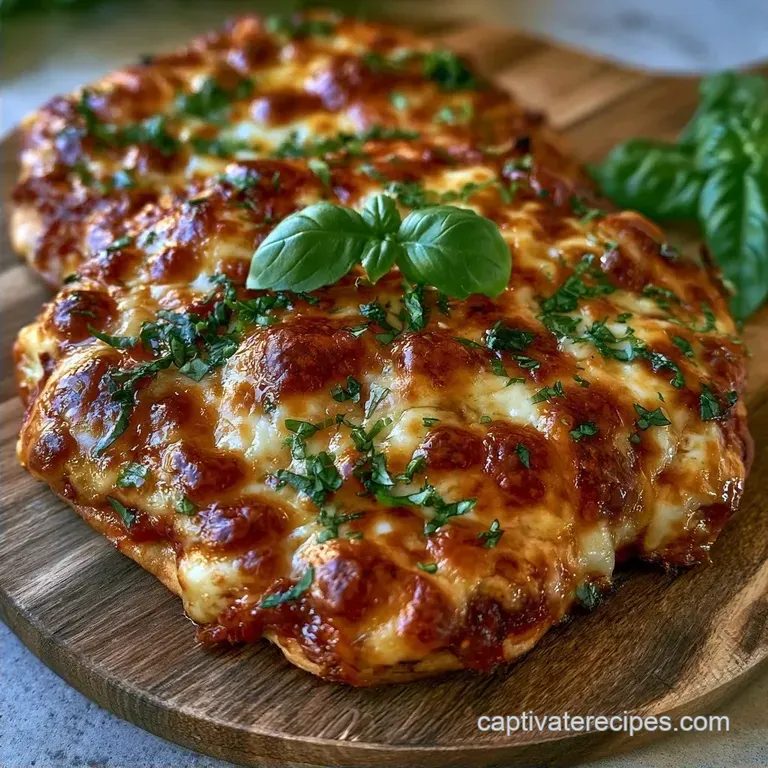
- Time: 10 min active + 50 min resting/cooking
- Flavor/Texture Hook: Golden brown charred spots with a soft, airy center
- Perfect for: Quick weeknight dinners or a low budget date night
Easy Flatbread Pizza Dough That Works
The smell of toasted flour and bubbling cheese hits you the second this comes out of the oven. For a long time, I thought you needed a fancy pizza stone or a 48 hour cold ferment to get that specific "pizzeria" crunch.
I spent way too much time worrying about hydration percentages and expensive 00 flour, thinking that was the only way to avoid a soggy middle.
But here is the truth: you don't need an expensive setup. A simple cast iron skillet and some basic pantry staples do the job just as well. This Easy Flatbread Pizza Dough is designed for people who want real results without spending their entire Sunday waiting for dough to rise.
You can expect a crust that has those charred, bubbly spots you usually only see in wood fired ovens. It's a reliable way to feed the family without breaking the bank or spending hours in the kitchen. Let's crack on.
Why This Dough Works
- High Heat Searing: Frying the dough in a skillet first creates a crisp base that prevents the sauce from soaking in. The oven then finishes the cook and melts the cheese.
- Sugar for Yeast: A small amount of sugar gives the yeast an immediate energy source, which speeds up the rise for this Easy Flatbread Pizza Dough.
- Warm Water: Keeping the water between 105-115°F wakes up the yeast without killing it, ensuring a consistent lift every time.
| Method | Time | Texture | Best For |
|---|---|---|---|
| Stovetop Only | 10 mins | Soft and pliable | Wraps or tacos |
| Oven Only | 15 mins | Bread like and airy | Thick crust pizza |
| Sear + Bake | 15 mins | Crispy and charred | Authentic flatbread |
The Ingredient Breakdown
Right then, let's look at what's actually happening in the bowl. Most people think you can just toss things together, but the ratios matter for that specific chew.
| Ingredient | What It Does | Best Swap |
|---|---|---|
| All Purpose Flour | Provides the structure and gluten | Bread flour for more chew |
| Active Dry Yeast | Makes the dough rise and creates air pockets | Instant yeast (skip the bloom) |
| Olive Oil | Softens the crumb and helps with browning | Melted butter for a richer taste |
| Warm Water | Hydrates the flour and activates yeast | Warm milk for a softer crust |
Your Shopping List
Stick to the basics here. You don't need fancy imported grains; standard store brand flour works just fine. According to King Arthur Baking, the protein content in all purpose flour is usually enough to support a flatbread without it becoming too tough.
- 2 cups (250g) all purpose flour Why this? Balanced protein for a tender but sturdy crust
- 3/4 cup (180ml) warm water (105-115°F) Why this? Ideal temperature for yeast activation
- 2 1/4 tsp (7g) active dry yeast Why this? Standard packet size for reliable lift
- 1 tsp (6g) granulated sugar Why this? Feeds the yeast and aids browning
- 1 tsp (6g) salt Why this? Tightens the gluten and adds essential flavor
- 2 tbsp (30ml) olive oil Why this? Prevents sticking and adds a savory note
Making the Dough
Follow these steps closely. The most important part is the temperature of the water. If it's too hot, you'll kill the yeast, and you'll end up with a heavy, unleavened cracker instead of a fluffy crust.
- Whisk the warm water, sugar, and yeast in a large mixing bowl. Let the mixture sit for 5-10 minutes until it becomes foamy on top. Note: If it doesn't foam, your yeast might be dead; start over with fresh yeast.
- Add the all purpose flour, salt, and olive oil to the liquid. Stir with a spoon until a shaggy mass forms.
- Turn the dough onto a lightly floured surface. Knead for 1-2 minutes until the dough is smooth and springs back when poked.
- Divide the dough into two equal balls. Roll each into a circle approximately 1/4 inch thick. Note: Don't roll it too thin or it will crack during the sear.
- Heat a cast iron skillet over medium high heat with a drizzle of oil. Sear each flatbread for 2-3 minutes per side until golden brown spots appear.
- Immediately spread sauce and cheese over the seared crust.
- Transfer the skillet to a 425°F (220°C) oven (or move to a baking sheet).
- Bake for 5-8 minutes until cheese is bubbling and edges are crisp.
Fixing Common Issues
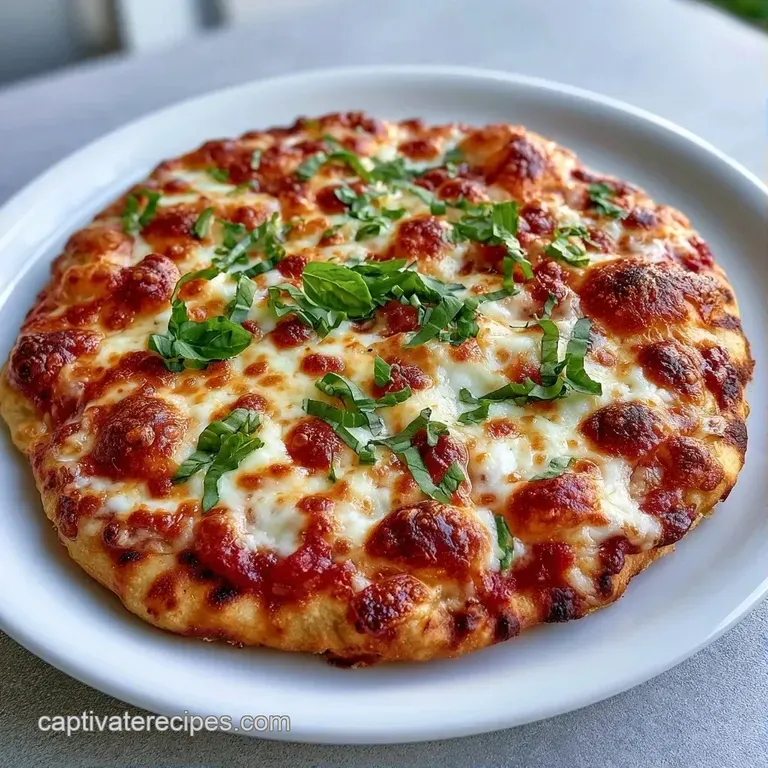
Dealing with dough can be a bit finicky. Sometimes the humidity in your kitchen makes the flour act differently, which can lead to a few hiccups.
Why Your Dough Is Too Sticky
If the Easy Flatbread Pizza Dough clings to your fingers, you probably have too much moisture. This often happens in humid weather. Don't just dump in more flour, or the crust will become dense. Add one tablespoon of flour at a time during the kneading process until it clears the bowl.
Preventing Gummy Centers
A gummy middle usually means the oven wasn't hot enough or the dough was rolled too thick. Make sure your oven hits 425°F before the pan goes in. If you're using a baking sheet instead of a skillet, preheat the sheet in the oven first.
Why the Yeast Didn't Rise
If your dough looks like a pancake after 60 minutes, the yeast likely failed. This is usually because the water was either too cold (dormant yeast) or too hot (dead yeast). Always use a thermometer to hit that 105-115°F range.
| Problem | Root Cause | Solution |
|---|---|---|
| Dough won't stretch | Over kneaded (too much gluten) | Let it rest for 10 mins then roll |
| Burnt bottom | Skillet too hot during sear | Lower heat to medium |
| Dry crust | Not enough oil or over baked | Reduce oven time by 2 mins |
Swaps and Variations
This recipe is a great base, but you can tweak it depending on what's in your pantry. If you're looking for something even faster, you might try a Two Ingredient Flatbread Dough for those nights when you can't even wait for the yeast to bloom.
- Whole Wheat: Replace 1 cup of AP flour with whole wheat flour. Add 1 extra tablespoon of water, as whole wheat absorbs more liquid.
- Garlic Herb Crust: Mix 1/2 tsp garlic powder and 1/2 tsp dried oregano into the flour before adding the water.
- Vegan Option: This recipe is already vegan! Just ensure your toppings (like cheese) are plant based.
- Greek Style: Substitute the olive oil with 1 tablespoon of Greek yogurt for a tangier, softer bite.
Scaling the Recipe
Adjusting the size of this Easy Flatbread Pizza Dough is straightforward, but be careful with the leavening.
Scaling Down (1 Flatbread): Use 1 cup flour and 6 tablespoons of water. Since you can't easily halve a yeast packet, just use 1 teaspoon of yeast. Use a smaller 8 inch skillet to ensure the dough maintains its thickness.
Scaling Up (4 Flatbreads): Double the flour and water, but only increase the salt and sugar to 1.5x. Too much salt can slow down the yeast, and too much sugar can cause the crust to burn before it cooks through. Work in batches so the skillet stays hot.
Chef's Tip: If you're doubling the recipe, don't knead the entire mass at once if you don't have a stand mixer. It's easier to mix two separate batches to ensure the yeast is evenly distributed.
The Truth About Dough Myths
I've heard a lot of contradictory advice over the years. Let's clear a few things up.
Myth: You must use a rolling pin. Actually, using your hands to stretch the dough preserves more of the air bubbles created by the yeast. However, for flatbread specifically, a rolling pin is fine because we want a denser, more consistent base for the toppings.
Myth: Searing the dough makes it tough. It's actually the opposite. The quick sear locks in the structure and creates a barrier. This means you don't have to over bake the pizza in the oven to get a crunch, which keeps the inside soft.
Storage and Leftovers
If you don't need two pizzas right now, you can save the Easy Flatbread Pizza Dough for later.
Fridge: Wrap the dough ball tightly in plastic wrap and store it for up to 3 days. The slow fermentation in the fridge actually develops a deeper flavor. Let it come to room temperature for 30 minutes before rolling.
Freezer: Wrap the dough in plastic and then foil. It stays good for 2 months. Thaw it in the fridge overnight before using.
Zero Waste: If you have leftover dough scraps, don't toss them. Roll them into tiny balls, fry them in a pan with butter and cinnamon sugar for a quick treat, or bake them into mini croutons for a salad.
Serving Your Pizza
To get the most out of your Easy Flatbread Pizza Dough, focus on the finish. I highly recommend brushing the edges with a mix of melted butter and garlic powder immediately after it leaves the oven.
For the toppings, don't overload the center. Too many heavy vegetables can lead to a soggy middle, even with the searing method. I usually pair this with a Easy Pizza Sauce and a blend of low moisture mozzarella and parmesan.
Decision Shortcut: If you want a crispier bottom, sear in cast iron for an extra minute. If you want it softer, skip the sear and bake on a tray. If you're in a rush, roll the dough thinner to reduce bake time.
Right then, that's it. You've got a reliable, budget friendly way to make a great crust without the stress. Grab your skillet and get cooking.
Critical in Sodium
1420 mg 1420 mg of sodium per serving (62% 62% of daily value)
The American Heart Association recommends a daily sodium limit of no more than 2,300 mg for most adults to reduce the risk of cardiovascular disease.
Tips to Reduce Sodium in Your Recipe
-
Reduce Added Salt-25%
Cut the 1 tsp of salt in half. Reducing the direct addition of salt is the most effective way to lower the sodium in this specific bread recipe.
-
Use Salt Substitutes-25%
Replace table salt with a potassium based salt substitute. This maintains the salty flavor profile while drastically reducing sodium intake.
-
Switch to Light Salt-15%
Use a 'light salt' product, which is typically a blend of sodium chloride and potassium chloride, containing roughly half the sodium.
-
Enhance with Herbs
Add dried garlic powder, onion powder, or Italian seasoning to the flour. This adds complex flavor and aroma, making the reduction of salt less noticeable.
Recipe FAQs
Can I use a flatbread as a pizza base?
Yes, it is a great alternative. It provides a thinner, crispier crust than traditional pizza dough and cooks much faster.
How to make a quick flatbread pizza?
Whisk warm water, sugar, and yeast until foamy. Mix in flour, salt, and olive oil, sear in a skillet for 2-3 minutes per side, and bake at 425°F (220°C) for 5-8 minutes.
How to make 3 ingredient pizza dough?
Combine flour, water, and yeast. While this recipe adds salt, sugar, and olive oil for superior flavor and texture, those three ingredients form the essential base.
Is pizza dough ok for diabetics?
It depends on your dietary requirements. This dough contains all-purpose flour and sugar, so you should monitor your portion sizes or consult a doctor.
How to make flatbread pizza dough without yeast?
Substitute the yeast with a different leavening agent. Keep in mind that this specific recipe is designed for active dry yeast to achieve its signature rise and airy crumb.
Is it easy to make flatbread pizza dough with yeast?
Yes, it is very simple. If you enjoyed mastering the dough handling here, see how the same principle works in our homemade pretzel rolls.
Can I freeze the dough for later?
Yes, it stays good for 2 months. Wrap the dough ball tightly in plastic and foil, then thaw it in the fridge overnight before rolling.
Easy Flatbread Pizza Dough