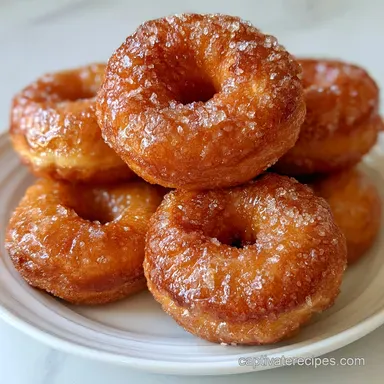
Glazed Donuts: Better Than the Bakery
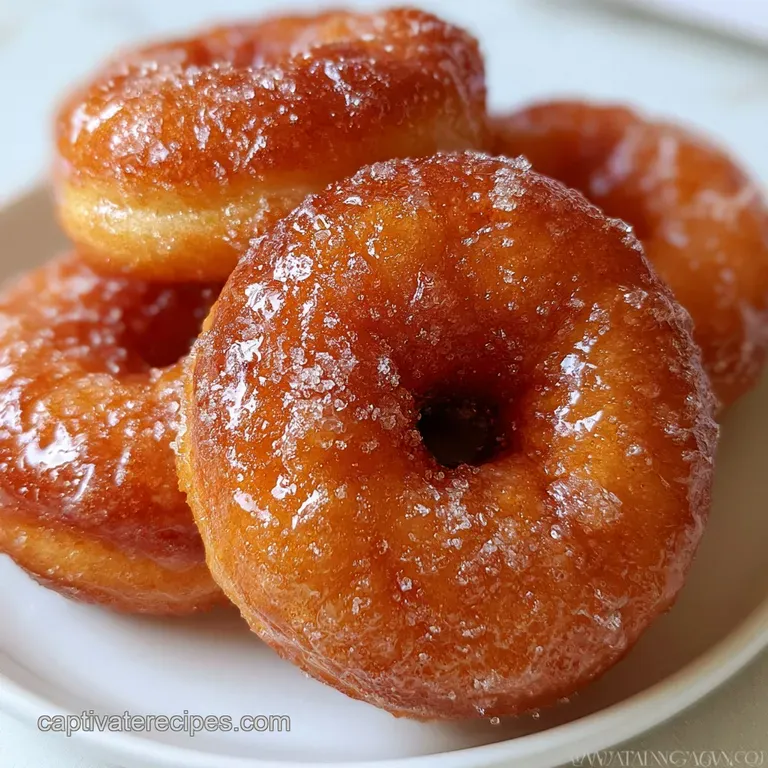
- Time: 20 min active + 2 hrs 15 mins rising/resting = Total 2 hrs 35 mins
- Flavor/Texture Hook: Airy, cloud like crumb with a shatter thin sugar glaze
- Perfect for: Weekend brunch showstoppers or a surprise breakfast for the kids
Imagine the sound of a dozen dough rings hitting hot oil with a violent sizzle, and that sudden, sweet aroma of frying dough filling every corner of your kitchen. It's the kind of smell that pulls everyone out of bed and into the kitchen before the coffee is even finished brewing.
I once tried to rush a batch of these for a birthday party, skipping the second rise because I was panicked about the clock. The result? Dense, heavy pucks that felt more like hockey disks than treats. That mistake taught me that patience is the most important ingredient in any yeast dough.
Trust me on this, the wait is worth it. These Glazed Donuts aren't just about the sugar, they're about that specific, pillowy texture that makes them feel like a professional bakery treat. Let's crack on and get these started.
Glazed Donuts
The key to these Glazed Donuts is balancing the richness of the butter and egg with the lightness of the yeast. When you get the hydration just right, the dough doesn't just rise, it expands into those beautiful, airy pockets.
Right then, let's talk about the magic. Most people think the glaze is the star, but the real showstopper is the contrast between the golden, fried exterior and the soft, velvety inside.
The Secret To The Rise
Yeast Activation: Warm milk wakes up the yeast, creating carbon dioxide bubbles that lift the heavy flour.
Gluten Relaxation: The resting period allows the protein strands to loosen, so the donuts expand easily in the oil.
Temperature Shock: Dropping cool dough into 175°C oil creates an immediate steam push, giving the donuts their signature height.
Sugar Crystallization: Dipping a warm donut into the glaze allows the sugar to set into a thin, shatter like layer as it cools.
| Method | Time | Texture | Best For |
|---|---|---|---|
| Deep Fried | 2 hrs 35 mins | Airy & Crispy | Authentic bakery style |
| Oven Baked | 1 hr 45 mins | Cake like | Healthier, less mess |
| air fried | 1 hr 30 mins | Slightly Chewy | Small batches |
The choice between frying and baking usually comes down to how much cleanup you're willing to do. While baking is easier, nothing beats the classic sizzle of the fryer for these Glazed Donuts.
Component Analysis
When you're working with yeast, every gram counts. It's not like making a stew where you can just eyeball the salt. Precision here is what keeps your dough from becoming a sticky mess or a brick.
| Ingredient | Science Role | Pro Secret |
|---|---|---|
| All Purpose Flour | Structure | Measure by weight to avoid too much flour |
| Active Dry Yeast | Leavening | Use a pinch of sugar to "feed" the bloom |
| Unsalted Butter | Tenderness | Softened butter blends better than melted |
| Powdered Sugar | Glaze Body | A pinch of salt cuts the cloying sweetness |
Getting the butter to a softened state is crucial. If it's too cold, you'll have lumps of fat in your dough, which creates uneven holes during the frying process.
The Shopping List
Grab these items before you start. I've listed the exact amounts you'll need for 24 pieces.
- 435g all purpose flour Why this? Balanced protein for a soft but sturdy rise (Substitute: Bread flour for a chewier texture)
- 50g granulated sugar Why this? Feeds yeast and browns the crust (Substitute: Cane sugar)
- 7g active dry yeast Why this? Reliable lift and classic flavor (Substitute: Instant yeast - skip the bloom)
- 3g salt Why this? Tightens gluten and balances sugar (Substitute: Sea salt)
- 180ml warm milk Why this? Provides fats for a velvety crumb (Substitute: Warm water for a lighter, less rich dough)
- 55g unsalted butter, softened Why this? Essential for that melt in-your mouth feel (Substitute: Coconut oil)
- 1 large egg Why this? Adds richness and helps the dough rise (Substitute: Flax egg for vegan)
- 240g powdered sugar Why this? Creates a smooth, non gritty glaze (Substitute: Icing sugar)
- 60ml warm milk Why this? Thins the glaze for a light dip (Substitute: Heavy cream for a richer glaze)
- 5ml vanilla extract Why this? Classic aromatic finish (Substitute: Almond extract)
- 1 pinch salt Why this? Prevents the glaze from tasting like pure sugar
Essential Kitchen Tools
You don't need a professional bakery, but a few specific tools make the process way less stressful. I use a digital thermometer for the oil, because guessing the temperature is the fastest way to get greasy donuts.
For the shaping, a standard donut cutter is great, but if you don't have one, just use a large glass and a small bottle cap. A wire cooling rack is non negotiable, as it lets the oil drip off before the glaze goes on.
I highly recommend a heavy bottomed pot or a Dutch oven for frying. These hold heat better than thin pans, meaning the temperature won't plummet when you drop in a cold piece of dough.
Step by step Guide
Let's get these Glazed Donuts moving. Follow these steps closely, and don't be tempted to rush the rising times.
- Combine warm milk, a pinch of sugar, and yeast in a small bowl. Let it sit for 5-10 minutes until foamy and smelling yeasty. Note: If it doesn't foam, your yeast is dead; start over.
- Mix in the remaining sugar, softened butter, and egg. Whisk until the mixture is smooth and the butter is fully incorporated.
- Gradually incorporate flour and salt. Knead the dough by hand or with a stand mixer such as KitchenAid until smooth and slightly tacky but doesn't stick to your fingers.
- Place dough in a greased bowl and cover with a damp cloth. Let rise in a warm spot until doubled in size (about 60-90 mins).
- Punch down the risen dough to release air. Roll it out on a floured surface to 1.3cm thickness.
- Use donut cutters to stamp out rings and holes. Place them on parchment paper, cover lightly, and let rise for 30-45 minutes until they look puffed and airy.
- Heat canola oil to 175°C (350°F). Fry donuts for 60-90 seconds per side until they reach a deep mahogany gold color.
- Transfer to a wire rack. Whisk powdered sugar, milk, vanilla, and salt until smooth, then dip warm Glazed Donuts into the glaze.
Chef's Note: Dip the donuts while they're still warm, but not boiling. If they're too hot, the glaze will melt and run off; too cold, and it won't adhere in that thin, velvety layer.
Fixing Common Mistakes
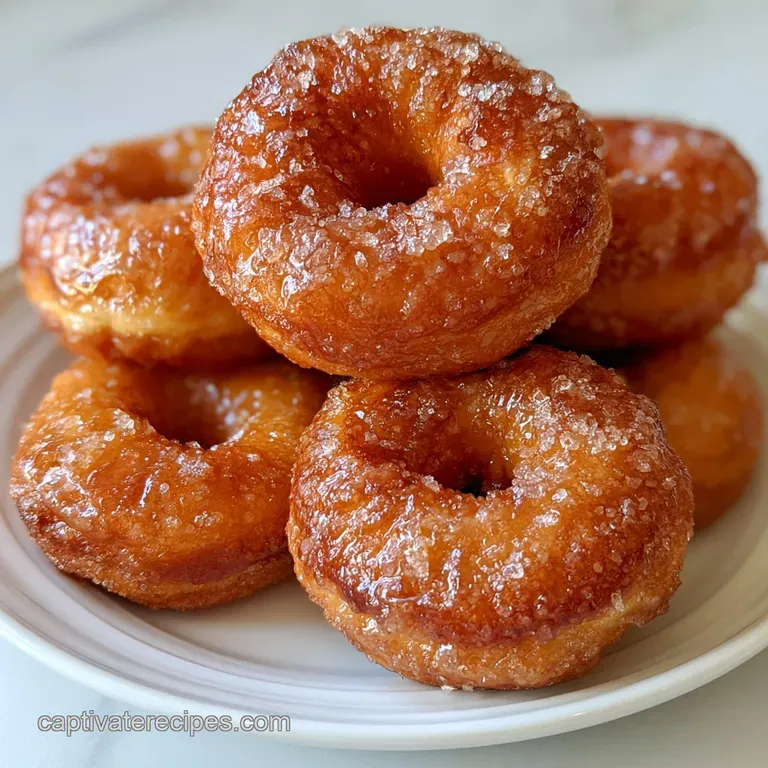
The most common issue is the texture. If your donuts feel heavy, you likely under proofed them during the second rise. The dough needs that second breath of air to get the right structure.
Troubleshooting Common Issues
| Issue | Solution |
|---|---|
| Why Your Donuts Are Greasy | This usually happens when the oil temperature drops too low. When you add too many donuts at once, the oil cools down, and instead of searing the outside, the dough just absorbs the fat. |
| Why Your Donuts Stay Flat | Flat donuts are often a result of over proofing. If the dough rises too much, the air bubbles become too large and collapse the moment they hit the oil. |
| Why Your Glaze Is Runny | Too much milk is the culprit here. Glaze viscosity is a delicate balance, and adding liquid a teaspoon at a time is the only way to ensure it clings to the donut. |
Pro Checklist for Success:
- ✓ Yeast foamed within 10 minutes
- ✓ Dough is tacky, not sticky
- ✓ Oil is exactly 175°C
- ✓ Donuts doubled in size during second rise
- ✓ Glaze is smooth with no lumps
Ingredient Swaps
If you're looking to tweak the recipe, a few changes work well. For a dairy-free version, substitute the milk with unsalted almond milk and use refined coconut oil instead of butter. It keeps the same fat content but adds a very subtle coconut note.
If you're craving something differently sweet for a dessert platter, you could pair these with my Heavenly White Snack Cake for a variety of textures.
For the glaze, you can swap the vanilla for citrus zest or a splash of maple syrup. Just remember that adding more liquid (like syrup) means you'll need to increase the powdered sugar to keep the thickness.
| Original Ingredient | Substitute | Why It Works |
|---|---|---|
| All Purpose Flour | Bread Flour | Higher protein. Note: Results in a chewier, more bread like donut |
| Unsalted Butter | Coconut Oil | Similar fat ratio. Note: Adds a slight tropical flavor |
| Cow's Milk | Almond Milk | Maintains moisture. Note: Slightly thinner crumb |
When swapping ingredients, always keep the temperature of your liquids the same. Cold substitutes will shock the yeast and ruin your rise time.
Truths About Frying
Many people believe you need a professional deep fryer to get bakery quality Glazed Donuts. That's a total myth. A simple heavy pot on a stove works perfectly as long as you have a thermometer to monitor the heat.
Another common misconception is that you should fry the dough immediately after the first rise. In reality, the second rise (after cutting) is what creates that light, airy interior. Skipping it results in a dense donut.
Some claim that using a higher temperature fries the donut faster and makes it healthier by reducing oil absorption. Actually, too high a heat burns the outside while leaving the middle raw. Stick to 175°C.
Storage Guidelines
These Glazed Donuts are best eaten within a few hours of frying. However, if you have leftovers, store them in an airtight container at room temperature for up to 2 days. Avoid the fridge, as it can dry out the crumb and make them stale faster.
For long term storage, you can freeze them for up to 2 months. Flash freeze them on a tray first so they don't stick together, then move them into a freezer bag.
To reheat, pop them in a 180°C oven for about 3-5 minutes. This brings back that slight crispness to the exterior without melting the glaze completely.
To avoid waste, any leftover glaze can be drizzled over pancakes or a cake. If you have leftover dough, roll it into small balls to make glazed doughnut holes.
Serving Ideas
For a real showstopper, serve these on a tiered platter with a side of hot chocolate or a strong black coffee. The bitterness of the coffee cuts through the sweetness of the glaze perfectly.
For a salty sweet crunch, top them with Candied Pecans or a sprinkle of flaky sea salt. This adds a sophisticated layer to a simple treat.
You can also turn these into a dessert sandwich by slicing them in half and filling them with fresh strawberries and whipped cream. It's a great way to use any donuts that might have lost their crunch.
Recipe FAQs
What is glaze made of for donuts?
Powdered sugar, warm milk, vanilla extract, and salt. These ingredients are whisked together until smooth and applied while the donuts are still warm.
Can a diabetic have a doughnut?
Generally no. The high concentration of refined flour and sugars causes significant blood glucose spikes.
Do donuts have potassium?
Yes, in small amounts. Potassium is naturally present in the milk and all-purpose flour used in the dough.
What is considered a glazed donut?
A fried yeast dough ring coated in a thin, sugary syrup. This process creates a translucent, shiny shell that sets as the donut cools.
Why are my donuts greasy?
The oil temperature likely dropped too low. This happens when overcrowding the pan, causing the dough to absorb fat instead of searing. If you enjoyed mastering temperature control here, the same principle of heat management is key for our candied walnuts to ensure they stay crispy.
How to reheat glazed donuts?
Place them in a 180°C oven for 3-5 minutes. This restores the slight exterior crispness without completely melting the glaze.
Is it true that storing donuts in the fridge keeps them fresh?
No, this is a common misconception. Refrigeration dries out the crumb and makes the donuts stale faster than room temperature storage.
Glazed Donuts