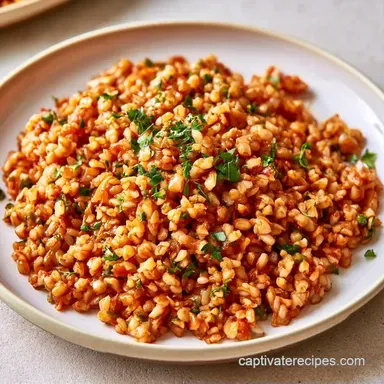
Hearty Homemade Bulgur Pilaf
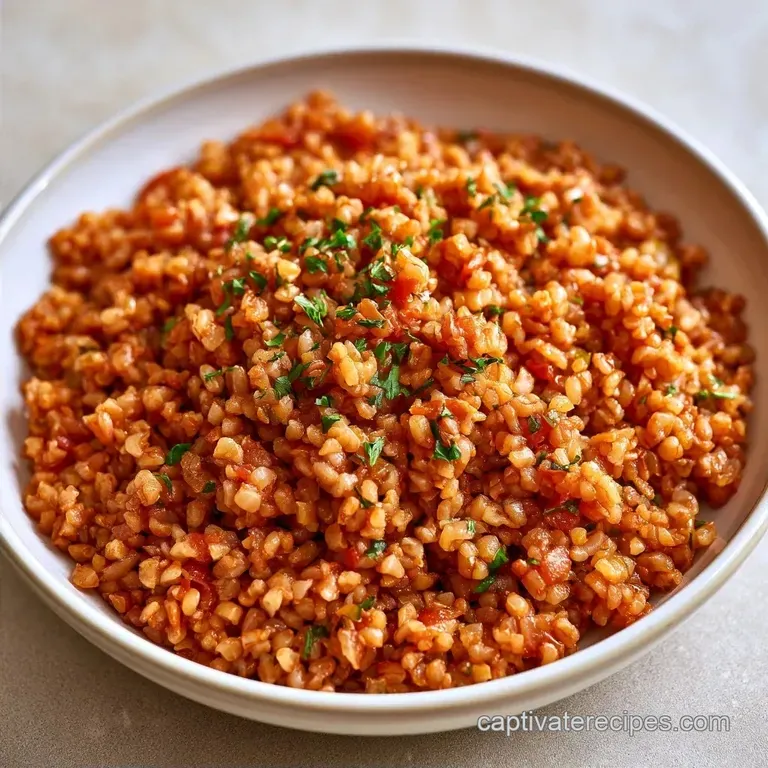
- Time: 10 min active + 20 min cook + 10 min rest
- Flavor/Texture Hook: Nutty, chewy grains with a rich, savory base
- Perfect for: Weeknight dinners, meal prep, or a hearty side for grilled meats
Ever wonder why some grains just taste like wet cardboard while others taste like a feast? I used to think all bulgur was meant for cold salads, but then I tried it hot. The first time I smelled the butter browning with tomato paste, I realized I'd been missing out on something huge.
It's not just a side; it's a concentrated burst of umami that makes everything else on the plate taste better.
The trick is the contrast. You have the rich, dark depth of the sautéed aromatics hitting the bright, clean taste of the wheat. It's a hearty dish that feels light because of the grain, but tastes indulgent because of how we treat the butter and paste.
Making Bulgur Pilaf at home is surprisingly fast. You don't need a bunch of fancy tools, just a pot with a lid that actually fits. Trust me on this, a loose lid ruins the steam, and the steam is where the magic happens.
Bulgur Pilaf Recipe Specs
The goal here is to get grains that are separate and chewy, not a clump of mush. We're using coarse bulgur, which handles the heat and liquid much better than the fine stuff. This recipe serves 4 people and takes about 40 minutes from start to finish.
Flavor Map
- Base: Rich, Umami, Tangy
- Grain: Nutty, Earthy, Chewy
- Spice: Warm, Floral (Allspice)
Right then, let's look at the timing. You'll spend 10 minutes prepping the veg and then 20 minutes on the stove. But don't forget the 10 minute rest at the end. If you skip the rest, you're leaving flavor and texture on the table.
What You'll Need
Your choice of broth significantly impacts the final result. Using a generic, flavorless stock can leave the dish tasting muted. Opt for a robust chicken broth or a premium vegetable stock to ensure the flavors remain bold.
- 2 tbsp (28g) unsalted butter Why this? Enhances richness and toasts the grains perfectly. (Substitute: Olive oil for a lighter, Mediterranean touch)
- 1 medium (110g) yellow onion, finely diced Why this? Creates a savory, sweet base for the dish. (Substitute: Shallots for a more delicate flavor)
- 3 cloves (9g) garlic, minced Why this? Brings a strong, aromatic depth. (Substitute: Garlic powder, although fresh is preferred)
- 2 tbsp (32g) tomato paste Why this? Delivers a rich red hue and tangy umami notes. (Substitute: Pureed canned tomatoes, though less concentrated)
- 1.5 cups (255g) coarse bulgur Why this? The coarse texture provides a satisfying, pilaf like chew. (Substitute: Farro for a similar consistency)
- 2.5 cups (590ml) chicken broth, warmed Why this? Warming the liquid keeps the cooking temperature stable. (Substitute: Vegetable broth for a vegan version)
- 1 tsp (6g) salt Why this? Offsets the tanginess of the tomato paste. (Substitute: Sea salt or kosher salt)
- 0.5 tsp (1g) black pepper Why this? Introduces a hint of sharp heat. (Substitute: White pepper)
- 0.25 tsp (0.5g) ground allspice Why this? A key ingredient for achieving authentic Turkish warmth. (Substitute: A pinch of cinnamon)
Equipment You'll Use
You only need a few basics for this. I prefer a heavy bottomed pot or a Dutch oven. The thick base prevents the grains from scorching when you're simmering on low heat. A stainless steel pot works fine too, as long as it doesn't have "hot spots."
You'll also need a tight fitting lid. If your lid has a vent or doesn't seal well, put a piece of foil or a clean kitchen towel under the lid to trap the steam. This ensures the Bulgur Pilaf cooks evenly without you having to stir it. A simple fork for fluffing at the end is all that's left.
Bringing It Together
Let's crack on. The order of operations matters here because we're building layers of flavor.
- Heat butter over medium heat. Add diced onion and sauté for 5 minutes until translucent and soft. Stir in minced garlic and cook for 60 seconds until it smells fragrant.
- Add tomato paste to the pot. Stir constantly for 2 minutes until the paste darkens to a brick red. Note: This caramelization removes the raw metallic taste of the paste.
- Pour in the coarse bulgur. Stir for 3-4 minutes until the grains are coated in fat and smell nutty.
- Pour in the warmed broth. Stir in the salt, pepper, and allspice. Bring to a gentle boil, then immediately reduce heat to the lowest setting.
- Cover with a tight fitting lid. Simmer for 15-20 minutes without lifting the lid.
- Remove from heat. Let sit, covered, for 5-10 minutes to let the steam settle.
- Fluff gently with a fork before serving.
Precision Checkpoints
- Onion sauté: 5 minutes exactly for the right sweetness.
- Tomato paste roast: 2 minutes until it darkens.
- Rest time: 10 minutes minimum for the best texture.
Pro Tips and Pitfalls
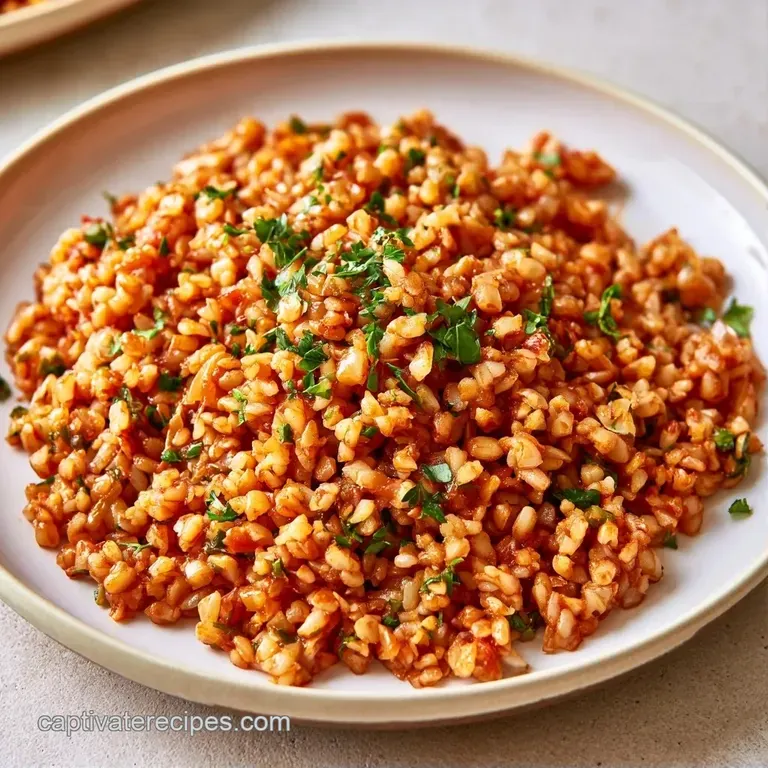
Cooking grains can be finicky. One wrong move and you've got porridge instead of pilaf. Here is how to handle the usual hiccups.
Fixing Mushy Grains
This usually happens if you use "fine" bulgur. Fine bulgur is for Tabbouleh and only needs soaking. For this Bulgur Pilaf, always check the bag for "coarse" or "pilaf" grade. If it's already mushy, you can't "un cook" it, but you can stir in some toasted pine nuts to add a bit of crunch back in.
Solving Under Cooked Grains
If the grains are still gritty after the timer goes off, you likely had a leaky lid. Add 2-3 tablespoons of warm broth, put the lid back on tight, and simmer for another 5 minutes. Then, let it rest again. The residual heat usually finishes the job.
Preventing Burnt Bottoms
A burnt bottom happens if your heat is too high or your pot is too thin. Use the lowest setting on your burner. If you're worried, use a heat diffuser. If you do smell something burning, don't scrape the bottom. Carefully scoop the top layer of the Bulgur Pilaf into a new bowl and leave the burnt crust behind.
| Method | Texture | Effort |
|---|---|---|
| Stovetop | Chewy, distinct grains | Medium (needs sautéing) |
| Oven | Softer, more uniform | Low (set and forget) |
- For a firmer grain
- reduce broth by 30ml.
- For a richer color
- add an extra tbsp of tomato paste.
- For a lighter feel
- swap butter for olive oil.
Bold Flavor Variations
The base of this Bulgur Pilaf is versatile. Once you have the technique down, you can tweak the ingredients to match whatever you're serving.
Lebanese Style
Add a pinch of cinnamon and a handful of toasted slivered almonds at the end. This version is a bit sweeter and pairs brilliantly with roasted lamb.
Armenian Style
Sauté finely diced carrots and celery along with the onions. This adds a natural sweetness and a bit more bulk to the dish.
Vegan Options
Swap the butter for a high-quality olive oil and use a rich vegetable broth. You won't lose any of the depth, and it stays just as hearty.
Protein Additions
Stir in cooked chickpeas or browned ground beef during the sauté phase. If you're doing this, increase the broth by 50ml to account for the extra absorption.
Whenever I make Bulgur Pilaf, I think about what's on the other side of the plate. Since this dish is quite rich, it loves something acidic or fresh to cut through the butter.
Storage and Leftovers
This meal stays fresh for quite a while. Keep it in a glass dish in the refrigerator for a maximum of 4 days. These grains actually maintain their texture better than rice, so you won't experience that typical "cold rice" hardness as quickly.
For longer storage, you can freeze portions for up to 3 months. Just make sure the pilaf is completely cool before bagging it. To reheat, add a dash of water or broth and microwave it covered to steam the grains back to life.
Avoid tossing your onion scraps or leftover broth. I store carrot ends and onion skins in a freezer bag to whip up a simple veggie stock later. If you only have a tiny bit of Bulgur Pilaf left, stir it into a hot bowl of soup to add some thickness and a pleasant chew.
Serving Suggestions
To keep the presentation vibrant, garnish with a handful of fresh parsley or mint. The green pops against the deep red of the grains. A dollop of plain Greek yogurt on the side adds a cool, creamy contrast to the warm, nutty bulgur.
This Bulgur Pilaf is a fantastic partner for grilled chicken or skewers. If you want a full meal, it pairs perfectly with Cabbage Rolls with Ground Beef, as the tang of the cabbage complements the allspice in the grains.
For a lighter lunch, serve it cold as a base for a bowl with cucumber, feta, and a squeeze of lemon. The grains stay distinct even when chilled, making it a great option for meal prep.
Why This Recipe Works
Instead of simply boiling grains in water, try treating them like a protein by browning them first.
Toasting Grains: Sautéing the bulgur in butter coats each grain in fat, which prevents clumping and introduces a rich, nutty aroma.
Tomato Caramelization: Sautéing the paste until it deepens in color eliminates the raw acidic tang, resulting in a concentrated base that colors and seasons every grain.
Residual Steaming: A short resting period allows moisture to balance out, ensuring the grains at the top are just as soft as those at the bottom.
According to USDA FoodData Central, bulgur offers more fiber and protein than refined white rice, making it a nutritious option that keeps you feeling full longer.
Common Myths Some believe bulgur is merely "cracked wheat" that requires no heat. While fine varieties can be soaked, using them for pilaf leads to a mushy consistency. For that characteristic chewy texture, coarse bulgur must be simmered.
Another misconception is that bulgur must be rinsed. Most pre-steamed bulgur is already clean. Rinsing it can remove the surface starch that provides body, though it won't ruin the dish.
Now you can move past uninspired side dishes. This homemade Bulgur Pilaf provides a complexity of flavor and texture that elevates any meal. Just keep in mind: brown the grains, leave the lid closed, and let it sit. Enjoy your Bulgur Pilaf!
Recipe FAQs
What is bulgur made of?
It consists of wheat kernels that are parboiled, dried, and cracked.
Tip: look for coarse grain to ensure the pilaf maintains a distinct texture.
How to make bulgur wheat pilaf?
Sauté onion and garlic in butter, stir in tomato paste and bulgur, then simmer with chicken broth for 15 20 minutes.
Tip: keep the lid tightly closed during simmering to prevent steam from escaping.
Is it true bulgur pilaf is less nutritious than rice?
False. It generally contains more fiber and protein than white rice.
Tip: use chicken broth instead of water to add more depth and nutrients.
Which sides combine great with fried pork chops?
This savory bulgur pilaf provides a hearty, nutty balance to rich pork.
Tip: serve it warm to contrast the crispiness of the pork chops.
What works well as a side for roasted chicken?
Bulgur pilaf is a classic pairing that complements the juices of roast poultry.
Tip: drizzle any remaining pan drippings over the fluffed grains.
Are there good side dishes for smoked sausage?
The acidity from the tomato paste in this pilaf cuts through the saltiness of smoked sausage.
Tip: add a pinch of extra black pepper to the grains to match the smokiness.
Can this side dish be eaten as a meal?
Yes, its combination of grains and aromatics makes it filling enough for a light lunch.
Tip: reheat leftovers with a splash of chicken broth to restore moisture.
Hearty Bulgur Pilaf