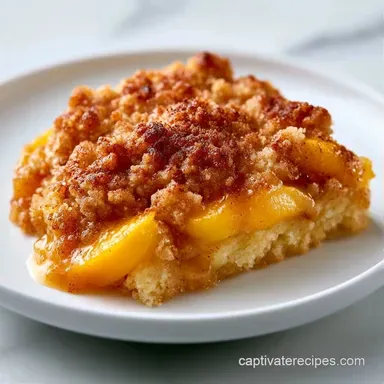
Homemade Peach Cobbler: Southern Style
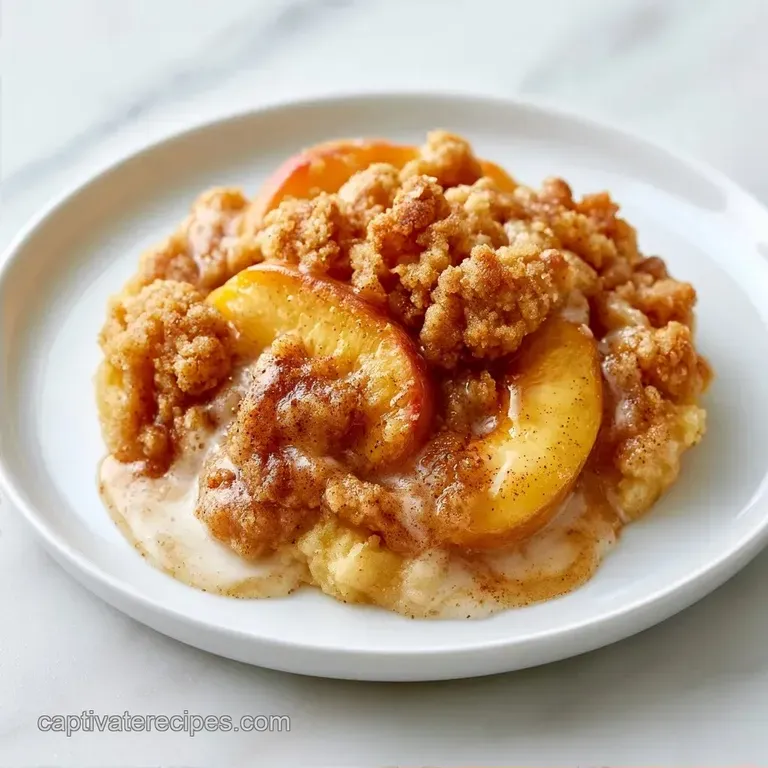
- Time:20 mins active + 45 mins baking
- Flavor/Texture Hook: Bubbling jammy fruit with a golden, sugary crust
- Perfect for: Family reunions, summer potlucks, or a cozy Sunday treat
- How to Make Classic Peach Cobbler
- Why the Batter Rises Right
- Fresh Peaches vs Canned
- What Each Ingredient Does
- Everything You'll Need
- The Essential Gear
- The Step-by-Step Process
- Fixing Common Baking Issues
- Changing the Recipe Sizes
- Debunking Cobbler Myths
- Saving and Storing Leftovers
- Great Sides and Pairings
- Recipe FAQs
- 📝 Recipe Card
How to Make Classic Peach Cobbler
The smell of cinnamon and warm sugar hitting the air is usually the first sign that the party has actually started. I remember my first attempt at this years ago. I tried to stir the batter into the butter, thinking it would be more "even." Instead, I ended up with a weird, flat pancake that didn't rise at all.
It was a mess, but it taught me that the layering is everything.
You want that specific contrast where the bottom of the crust is slightly fried in butter while the top stays fluffy. This Southern Peach Cobbler approach gives you that exact result without needing a rolling pin or a fancy pie crust. It's the kind of dish you set on the table and watch people dive into while it's still steaming.
The goal here is a balance of tart and sweet. If your peaches are already very ripe, you might find you need less sugar. This Peach Cobbler is designed to be accessible, so don't stress about the topping looking like a professional bakery cake. The rustic, craggy top is what makes it look homemade and inviting.
Why the Batter Rises Right
The physics of this dish are simple but specific.
Layering Method: Pouring batter over melted butter prevents the dough from sticking and creates a fried bottom effect. Leavening: The baking powder reacts quickly in the 350°F heat, pushing the batter up around the heavy fruit.
Fresh Peaches vs Canned
Choosing your fruit changes the outcome. Fresh peaches give you a brighter, more tart flavor, while canned versions provide a more consistent, syrupy sweetness.
| Feature | Fresh Peaches | Canned Peaches | Impact |
|---|---|---|---|
| Texture | Firm, holds shape | Soft, jammy | Fresh feels more artisanal |
| Prep Time | Requires peeling | Ready to pour | Canned is faster |
| Taste | Tart and bright | Heavy syrup | Fresh is more balanced |
What Each Ingredient Does
Understanding the role of each part helps you make better choices if you're missing something.
| Ingredient | What It Does | Best Swap |
|---|---|---|
| Cornstarch | Thickens the fruit juices | Arrowroot powder (1:1) |
| Baking Powder | Creates the lift and fluff | Self rising flour (omit powder/salt) |
| Unsalted Butter | Fries the bottom crust | Coconut oil (for dairy-free) |
| Lemon Juice | Cuts through the sugar | Lime juice or apple cider vinegar |
Everything You'll Need
Get your ingredients measured out first. It makes the assembly much smoother.
For the Peach Filling 6 cups (900g) fresh peaches, peeled and sliced Why this? Fresh fruit provides the best texture 1/2 cup (100g) granulated sugar 1 tbsp (15ml) lemon juice Why this? Prevents browning and adds tang 1 tsp (5g) ground
Cinnamon 1 tbsp (8g) cornstarch Why this? Stops the filling from being runny 1/4 tsp (1.5g) salt
For the Southern Batter 1 cup (125g) all purpose flour 1 cup (200g) granulated sugar 1 tbsp (12g) baking powder Why this? Essential for the rise 1/2 tsp (3g) salt 1 cup (240ml) whole milk 1/2 cup (115g) unsalted butter, melted Why this? Creates
The golden crust 1 tsp (5ml) vanilla extract
For the Finishing Touch 1 tbsp (12g) granulated sugar 1/2 tsp (2g) ground cinnamon
The Essential Gear
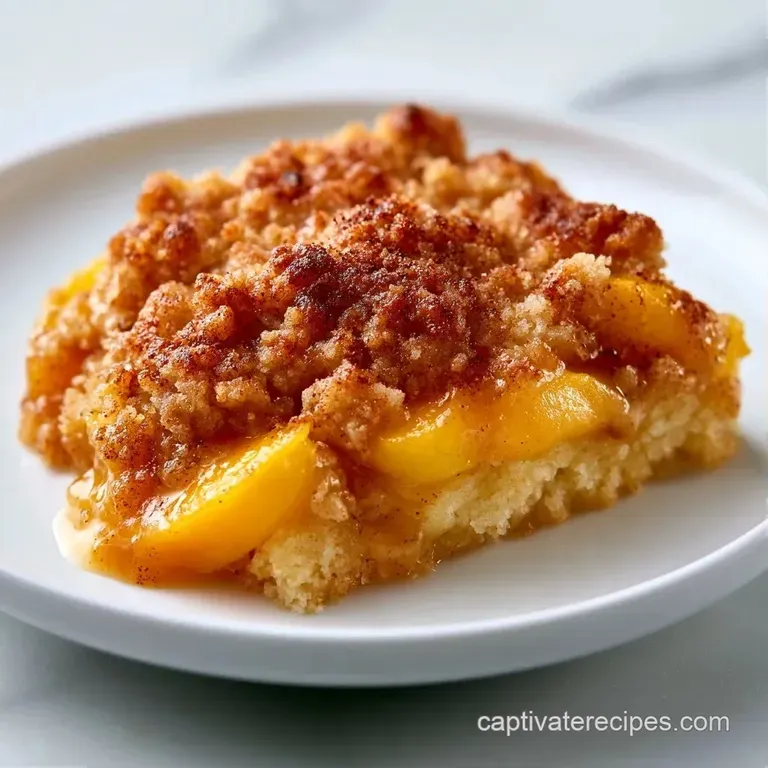
You don't need a lot of fancy tools for this Peach Cobbler. A 10 inch cast iron skillet is the gold standard here because it holds heat so evenly. If you don't have one, a deep 9x9 inch baking dish or a cake pan works just fine. You'll also need a large mixing bowl for the fruit and a medium bowl for the batter.
A whisk is better than a fork for getting the lumps out of the flour.
The step-by-step Process
Now we get to the fun part. Just follow these steps and don't overthink it.
- Toss the sliced peaches with 100g sugar, lemon juice, 5g cinnamon, cornstarch, and 1.5g salt in a large bowl.
- Let the peach mixture sit for 15 minutes. Note: This lets the sugar draw out the juices for a natural syrup.
- Preheat your oven to 350°F (175°C).
- Whisk together the flour, 200g sugar, baking powder, and 3g salt in a medium bowl.
- Stir in the milk and vanilla extract until the mixture is smooth.
- Pour the melted butter into the bottom of your 10 inch cast iron skillet, swirling it to coat the whole surface.
- Pour the batter over the melted butter. Note: Do not stir. The batter should sit on top of the butter.
- Spoon the peaches and all their syrup over the batter.
- Dust the top with the remaining 12g sugar and 2g cinnamon.
- Bake for 45 minutes until the crust is golden brown and the filling is bubbling.
Fixing Common Baking Issues
Even when you follow the steps, things happen. Baking is often about reacting to what you see in the oven.
For a Soggy Middle
This usually happens if there are too many peaches or not enough cornstarch. The steam gets trapped under the batter and prevents it from setting. Use a slotted spoon if you feel you have too much liquid.
For Burnt Bottoms or Edges
If the edges are dark but the middle is raw, your oven might run hot. Moving the skillet to the center rack or tenting the top with foil can help.
For a Pale Crust
A pale crust means the oven temperature was too low or the butter didn't coat the pan well. Ensure your oven is fully preheated before the Peach Cobbler goes in.
| Problem | Root Cause | Solution |
|---|---|---|
| Filling is watery | Not enough cornstarch | Increase cornstarch by 1 tsp next time |
| Batter didn't rise | Expired baking powder | Check date or use fresh powder |
| Tough crust | Over mixing the batter | Stir until just combined, don't over whisk |
Changing the Recipe Sizes
Adjusting this Peach Cobbler for a crowd or a solo treat is easy, but the ratios matter.
Scaling Down (Half Batch) Use a 6 inch skillet or a small loaf pan. Reduce the baking time by about 20%, checking it at 30 minutes. Since you can't easily halve an egg in some recipes (though this one doesn't use eggs), just halve the milk and flour precisely.
Scaling Up (Double Batch) Do not use one giant pan, as the middle won't cook through. Instead, use two 10 inch skillets. Keep the temperature at 350°F but be aware that having two pans in the oven can create more steam, so you might need an extra 5-10 minutes of bake time.
If you enjoy these kinds of baked treats, you might also like my Mango Cake recipe, which uses similar layering techniques for a moist result.
Debunking Cobbler Myths
There are a few things people get wrong about this dish.
First, some say you have to peel the peaches. While peeling makes the texture more uniform, leaving the skins on adds a bit of color and extra nutrients. It's totally a personal preference.
Second, people think you need to "fold" the fruit into the batter. If you do that, you lose the distinct layers. The beauty of a Southern Peach Cobbler is the way the fruit essentially "floats" and sinks during the bake.
Saving and Storing Leftovers
This Peach Cobbler is best served warm, but it keeps well.
Fridge Storage Cover the skillet or transfer the slices to an airtight container. It stays good for about 4 days in the fridge.
Freezer Tips You can freeze individual slices of cobbler for up to 3 months. Wrap them tightly in plastic wrap and then foil. Thaw in the fridge overnight before reheating.
Zero Waste If you have leftover peach skins, don't toss them. Simmer them with a bit of sugar and water to make a quick peach syrup for pancakes. Any leftover batter (if you made too much) can be baked as small drop biscuits in the oven for 12 minutes.
Great Sides and Pairings
The richness of the butter and sugar in this Peach Cobbler needs something to balance it out.
The Classic Topping A scoop of vanilla bean ice cream is the standard for a reason. The cold cream cuts through the hot, cinnamon heavy fruit. Alternatively, a dollop of unsweetened whipped cream or a drizzle of heavy cream works well.
Fresh Contrasts Since this is a heavy dessert, pairing it with something light is smart. A Berry Caprese Salad serves as a refreshing palate cleanser before you dive into the sweet cobbler.
Drink Pairings A cold glass of sweet tea is the traditional companion. For something different, a crisp sparkling cider or a dessert wine like Moscato complements the acidity of the peaches.
Decision Shortcut If you want a richer taste, use salted butter in the pan. If you want a tarter fruit, add an extra squeeze of lemon. If you want a crunchier top, use brown sugar for the final dusting.
Recipe FAQs
What is the difference between northern and southern peach cobbler?
Southern cobbler uses a cake like batter layered under the fruit. Northern versions typically feature a biscuit style topping dropped on top of the peaches.
How to make the best southern peach cobbler?
Layer batter over melted butter and top with macerated peaches. Bake at 350°F for 45 minutes until the crust is golden and the filling is bubbling.
What's the secret to the best peach cobbler?
Macerate the peaches for 15 minutes before baking. Mixing the peaches with sugar, lemon juice, and cinnamon first draws out natural juices to create a thick, jammy syrup.
What are the most common mistakes when making peach cobbler?
Stirring the batter into the melted butter. This prevents the crust from rising properly, resulting in a flat, pancake like texture instead of a fluffy topping.
How to reheat peach cobbler?
Warm in the oven at 350°F until heated through. This preserves the golden crust, whereas a microwave can make the batter soggy.
How to make an easy peach cobbler?
Whisk together flour, sugar, baking powder, salt, milk, and vanilla. Pour the mixture over melted butter in a skillet, add seasoned peaches, and bake at 350°F.
Is it true you should stir the batter into the melted butter for a more even crust?
No, this is a common misconception. Pouring the batter directly on top of the butter allows the bottom to fry while the top stays light and fluffy.
Homemade Peach Cobbler