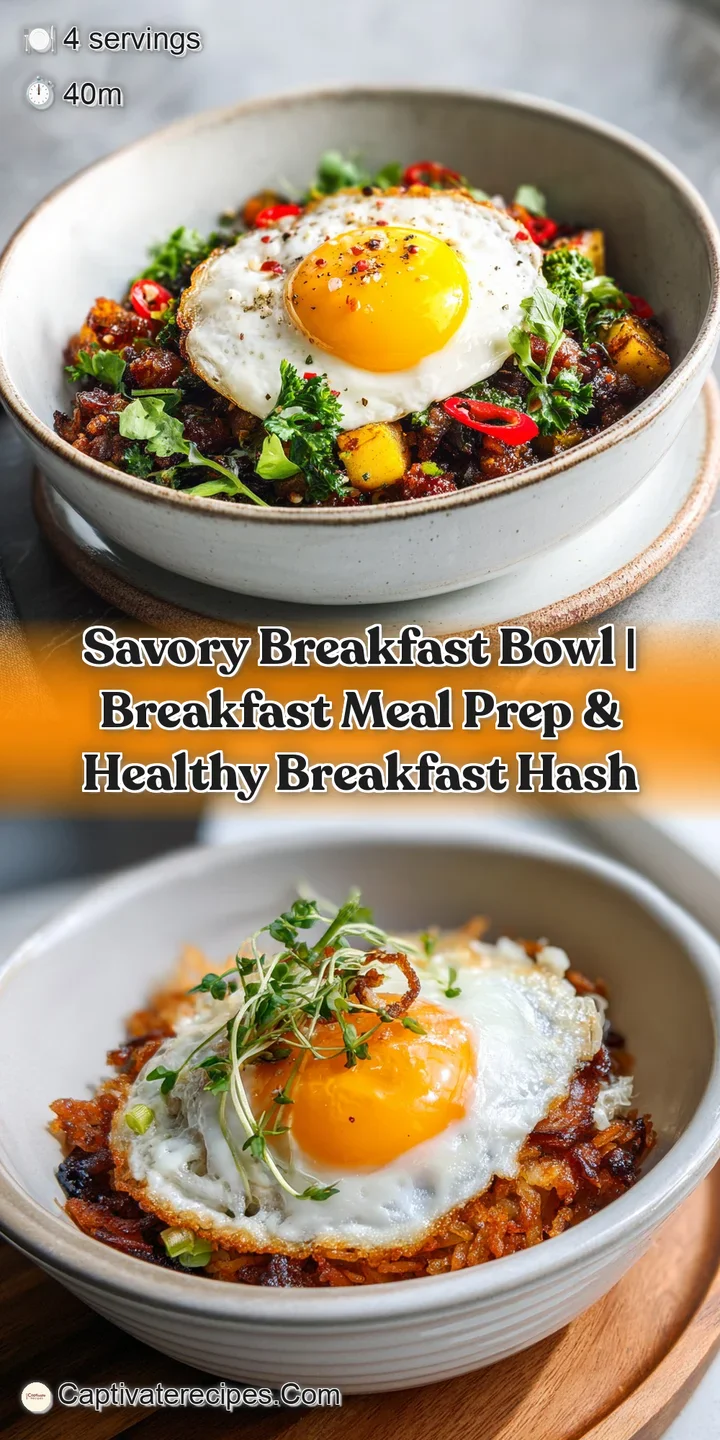
Savory Breakfast Bowl: Crispy Hash and Jammy Eggs
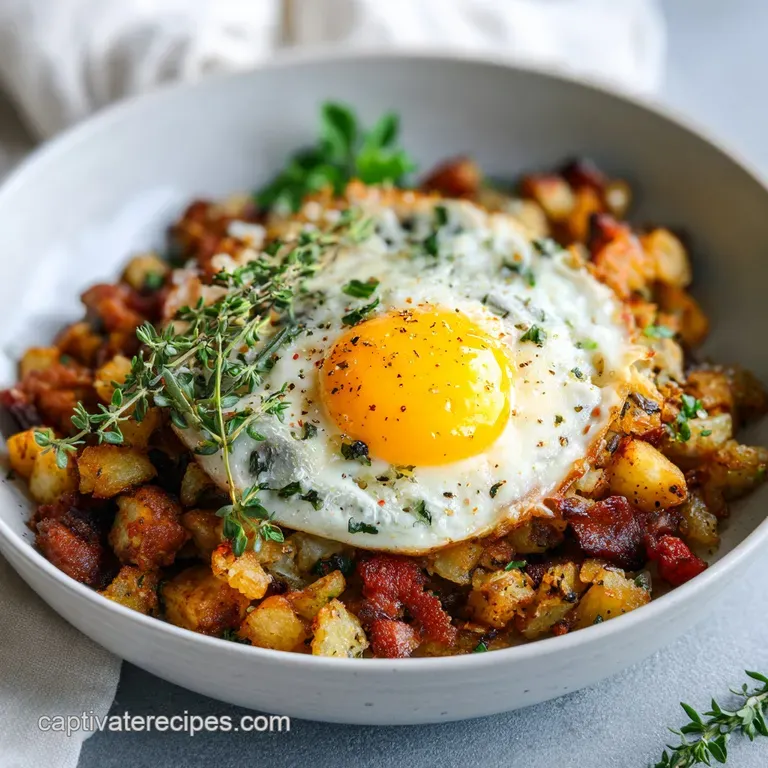
- Time: Active 15 minutes, Passive 25 minutes, Total 40 minutes
- Flavor/Texture Hook: Crispy charred potato edges paired with velvety jammy egg yolks and salty feta.
- Perfect for: High performance meal prep and busy weekday fuel.
- Fuel Your Morning with This Savory Breakfast Bowl
- Efficient Heat Application and Moisture Control
- Component Analysis for Maximum Nutrition
- Strategic Selection of Essential Elements
- Primary Tools for Morning Success
- Execution of the Savory Breakfast Bowl
- Navigating Texture and Timing Hurdles
- Adapting the Recipe for Your Needs
- Preservation and Environmental Mindfulness
- Myths About Breakfast Bowls
- Perfect Morning Pairings
- High in Sodium
- Recipe FAQs
- 📝 Recipe Card
Fuel Your Morning with This Savory Breakfast Bowl
The sizzle of 680g of cubed sweet potatoes hitting a preheated baking sheet is the only alarm clock I actually enjoy. There is a specific, frustrating failure we have all faced when trying to make a hash at home: that depressing, limp, and soggy texture where the vegetables steam instead of crisping.
You end up with a pile of mush that feels more like baby food than a high energy breakfast. I used to think it was my oven, but it was actually my crowded pan and low temperature. This recipe fixes that by cranking the heat to 215°C and giving those vegetables the breathing room they deserve to develop a mahogany, shatter crisp crust.
We are busy, and we need fuel that actually lasts until lunch without a mid morning sugar crash. Most breakfast options are sugar laden traps, but this Savory Breakfast Bowl is built on complex carbs and lean protein. It is about efficiency without sacrificing the sensory joy of a "proper" meal.
You get the crunch from the roasted red onions and peppers, the earthy bite of Lacinato kale, and that liquid gold egg yolk that acts as a natural sauce for the whole bowl.
Expect a meal that feels intentional and robust. We are moving away from the "bread and jam" cycle and leaning into real, whole ingredients that respect your time. By roasting the hash while the eggs simmer, you are multitasking like a pro. This isn't just a recipe, it's a streamlined system for a better morning.
We'll walk through exactly how to avoid the "soggy potato slump" and how to get those eggs precisely jammy every single time.
Efficient Heat Application and Moisture Control
Understanding the physics of your sheet pan is the secret to moving from "okay" to "excellent." When we roast at 215°C, we are looking for more than just cooking the starch; we are looking for a specific textural contrast that only happens when moisture escapes rapidly.
- Surface Area Optimization: Cutting sweet potatoes into uniform 1/2 inch cubes increases the surface area exposed to dry heat, ensuring every bite has a crispy exterior.
- Thermal Conduction: Using avocado oil provides a high smoke point, allowing the vegetables to sear against the parchment lined metal without the oil breaking down or smoking out your kitchen.
- Protein Coagulation: Simmering eggs for exactly 6.5 minutes allows the whites to set firmly (coagulate) while keeping the yolk lipids in a fluid, velvety state.
- Hygroscopic Balance: Adding lemon juice at the end provides citric acid that breaks through the richness of the avocado and egg yolk, brightening the entire flavor profile.
| Component | Optimal State | Timing/Temp | Visual Cue |
|---|---|---|---|
| Sweet Potatoes | Crispy & Charred | 25 minutes at 215°C | Dark brown edges and soft centers |
| Pasture Eggs | Jammy/Medium | 6.5 minutes boiling | Opaque whites with a glowing orange core |
| Lacinato Kale | Tender/Wilted | 3 minutes sauté | Bright green and reduced in volume |
| Turkey Sausage | Browned/Sizzling | 4 minutes stovetop | No pink remaining and golden exterior |
The goal here is a balance of textures. If the potatoes are soft, the whole bowl feels heavy. If the eggs are overcooked, you lose the "sauce" that ties the kale and sausage together. By following these specific checkpoints, you ensure each component plays its role in the final architecture of the dish.
If you find yourself constantly reaching for the same ingredients, check out this one pan egg spinach for another fast tracked morning option that uses similar heat principles.
Component Analysis for Maximum Nutrition
Every single item in this bowl serves a specific purpose for both flavor and function. We are using 680g of sweet potatoes because they provide the slow release glucose needed for brain function, while the 200g of Lacinato kale offers a massive hit of Vitamin K and fiber.
| Ingredient | Science Role | Pro Secret |
|---|---|---|
| Sweet Potatoes | Primary Starch | Keep the skins on for extra fiber and a more rustic, crispy texture when roasted. |
| Pasture Raised Eggs | Emulsifier & Protein | Use an ice bath immediately after the 6.5 minute mark to stop the cooking process instantly. |
| Avocado Oil | Heat Transfer | Its high smoke point (270°C) prevents the formation of acrolein, keeping the taste clean. |
| Fresh Lemon Juice | Acidic Brightener | The acid helps soften the kale fibers, making it much easier to digest and more pleasant to chew. |
Selecting the right kale is also vital. Lacinato (also known as dinosaur kale) is flatter and more tender than the curly variety. It wilts beautifully in the skillet with the 115g of turkey sausage, absorbing the juices and the garlic aroma without becoming a tough, fibrous mess.
Strategic Selection of Essential Elements
To make this budget friendly while maintaining high-quality, we focus on high impact ingredients. I often find that people overspend on fancy grains when a simple potato hash provides better satiety and a more comforting texture for half the price.
- 680g Sweet Potatoes: Cut into 1/2 inch cubes. Why this? They roast faster and more evenly than larger chunks.
- 1 Large Red Bell Pepper: Diced. Why this? Adds sweetness and vitamin C to balance the earthy kale.
- 1 Medium Red Onion: Thinly sliced. Why this? Slicing thin allows them to caramelize and almost "melt" into the potatoes.
- 30ml Avocado Oil: Why this? It's the most stable oil for 215°C roasting sessions.
- 5g Smoked Paprika: Why this? Provides a deep, "meaty" flavor without adding extra cost or calories.
- 3g Garlic Powder: Why this? Distributes more evenly than fresh garlic in a dry roasting environment.
- Fine Sea Salt and Cracked Black Pepper: To taste.
- 4 Large Pasture Raised Eggs: Why this? Better omega-3 profile and a richer, more vibrant yolk color.
- 200g Lacinato Kale: Stemmed and torn. Why this? It has a more sophisticated, less bitter flavor than curly kale.
- 2 Cloves Garlic: Minced. Why this? Fresh garlic is essential for the quick sauté phase.
- 115g Fully Cooked Turkey Sausage: Why this? A lean protein that comes pre seasoned, saving you time and spice cabinet space.
- 10ml Fresh Lemon Juice: Why this? It acts as a "chemical cook" to tenderize the kale.
- 1 Large Avocado: Sliced. Why this? Provides the healthy fats necessary for nutrient absorption.
- 60g Crumbled Feta Cheese: Why this? A little goes a long way for saltiness and tang.
| Original Ingredient | Substitute | Why It Works |
|---|---|---|
| Avocado Oil | Ghee (clarified butter) | Also has a high smoke point and adds a rich, nutty flavor to the hash. |
| Lacinato Kale | Baby Spinach | Cooks much faster (1 minute) but has a softer, less structured texture. |
| Turkey Sausage | Chickpeas (canned) | A great vegetarian swap. Note: Roast them with the potatoes for a crunchy protein hit. |
| Feta Cheese | Goat Cheese | Offers a similar tang but with a creamier, more spreadable consistency. |
Using turkey sausage is a major budget win. It is usually more affordable than high end bacon or chorizo but still provides that essential savory element. If you find the turkey sausage a bit dry, the 30ml of avocado oil used in the roasting phase will compensate for the lack of animal fat.
Primary Tools for Morning Success
You don't need a professional kitchen, but a few specific items make this process much more efficient. A heavy duty rimmed baking sheet is non negotiable. Thin sheets tend to warp at 215°C, which causes your oil and vegetables to pool in one corner, leading to uneven cooking.
A sharp chef's knife is your best friend here. Dicing 680g of sweet potatoes is a workout if your blade is dull. If you are prepping this for the week, I highly recommend using a large cast iron skillet for the kale and sausage phase.
It retains heat much better than stainless steel, giving the turkey sausage a better sear in those short 4 minutes.
For the eggs, a small timer is better than "eye balling" it. When we are talking about a 6.5 minute egg, even 30 seconds can be the difference between a liquid yolk and a chalky one. Have your ice bath ready before the eggs even hit the water.
It sounds dramatic, but efficiency in the kitchen comes from being prepared for the next step before you finish the current one.
Execution of the Savory Breakfast Bowl
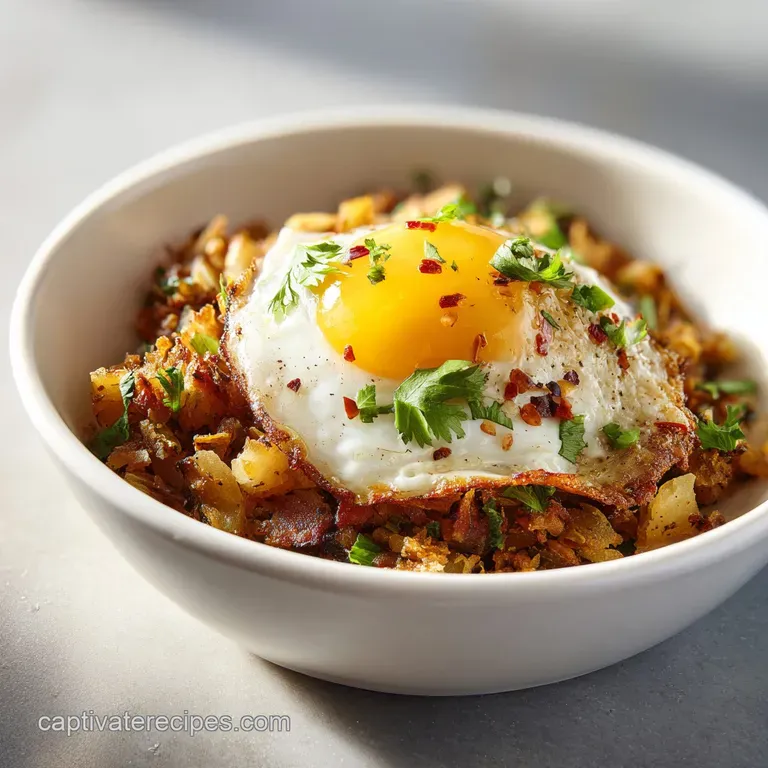
- Preheat your oven to 215°C (425°F). This high temperature is the only way to get the potatoes crispy rather than steamed.
- Toss the 680g cubed sweet potatoes, diced red bell pepper, and sliced red onion on a parchment lined baking sheet. Drizzle with 30ml avocado oil, 5g smoked paprika, 3g garlic powder, salt, and pepper. Use your hands to ensure every cube is coated. Note: Parchment paper prevents sticking and makes cleanup nearly instant.
- Spread the vegetables in a strict single layer. Roast for 20-25 minutes until the potato edges are charred and crispy. Give the pan a good toss at the 12 minute mark to ensure even browning.
- Boil a medium saucepan of water. Once bubbling, carefully lower the 4 eggs into the water using a slotted spoon.
- Simmer for exactly 6.5 minutes. Do not let the water boil too violently or the shells may crack.
- Shock the eggs by transferring them immediately to an ice bath for 2 minutes. This stops the carryover heat from hardening the yolk. Peel carefully and halve.
- Sauté the 115g turkey sausage in a large skillet over medium heat for about 4 minutes until golden brown and fragrant.
- Add the 2 cloves of minced garlic and 200g of torn kale. Cook for 3-4 minutes until the kale is wilted and dark green.
- Finish the greens with a 10ml squeeze of fresh lemon juice. This cuts through the earthy bitterness of the kale.
- Assemble by dividing the roasted hash into four bowls. Top with the kale mixture, sliced avocado, 60g of feta, and one jammy egg.
Navigating Texture and Timing Hurdles
The most common issue I hear about is the "soggy hash." This almost always happens because people try to save space and pile the vegetables too high. When they are crowded, the water evaporating from the potatoes gets trapped, creating steam.
Avoiding the Soggy Potato Slump
If your potatoes are soft, you likely didn't preheat the oven long enough or you skipped the oil. The oil isn't just for flavor; it's the medium that transfers the oven's heat into the potato's surface. Also, ensure your sweet potatoes are dry after washing them. Any surface water will turn to steam immediately.
Preventing Rubbery Egg Whites
If your egg whites feel like plastic, they were likely boiled too long or at too high a temperature. A gentle simmer is all you need. If the eggs are difficult to peel, they might be too fresh.
Paradoxically, slightly older eggs (about a week in the fridge) have a higher pH level which makes the membrane pull away from the shell more easily.
| Problem | Root Cause | Solution |
|---|---|---|
| Burnt Garlic | Added too early to the skillet | Add garlic only in the last 60 seconds of sautéing the greens. |
| Bitter Kale | Undercooked or lacks acid | Increase sauté time by 1 minute and ensure you use the full 10ml of lemon juice. |
| Grey Ring on Egg Yolk | Overcooked | Strictly adhere to the 6.5 minute timer and the 2 minute ice bath. |
Common Mistakes Checklist:
- ✓ Pat the sweet potatoes completely dry with a towel before oiling.
- ✓ Never overlap the vegetables on the roasting tray; use two trays if needed.
- ✓ Don't skip the ice bath; the internal heat will keep cooking the egg yolk otherwise.
- ✓ Squeeze the lemon juice over the kale while the pan is still hot to help it wilt.
- ✓ Use a timer! Guessing is the enemy of the "jammy" egg.
Adapting the Recipe for Your Needs
This recipe is incredibly flexible for different dietary goals or budget constraints. If you are cooking for one, you can still roast the full 680g of potatoes and store them for later, but I recommend frying your eggs fresh each morning to maintain that velvety yolk texture.
Scaling Down (1-2 Servings): Use a smaller baking sheet to maintain the heat density. The cook times remain exactly the same for the eggs and hash. If you only have one egg, use a small tin or mug for the ice bath to save water.
Scaling Up (8 Servings): Use two separate baking sheets and rotate them between the top and bottom racks halfway through the 25 minute roast. Increase the salt and spices to 1.5x rather than doubling them directly to avoid over seasoning.
Use a larger pot for the eggs to ensure the water temperature doesn't drop too much when the eggs are added.
For those looking for a different flavor profile while keeping the "bowl" concept, my Greek Bowls recipe is a fantastic alternative that uses chicken and a different set of Mediterranean spices but follows a similar efficient prep flow.
| Method | Time | Texture | Best For |
|---|---|---|---|
| Oven Roast (Classic) | 25 mins | Maximum crunch/char | Weekend prep or large batches |
| Air Fryer (Fast) | 15 mins | Extra crispy, less oil | Single servings or quick mornings |
| Stovetop (Skillet) | 20 mins | Softer, caramelized | When you don't want to heat the oven |
Preservation and Environmental Mindfulness
The Savory Breakfast Bowl is a meal prep champion. The roasted hash (potatoes, peppers, onions) actually stays quite firm in the fridge for up to 4 days. When reheating, I suggest using an air fryer or a dry skillet for 3 minutes to bring back that "shatter" texture that the microwave tends to kill.
- Fridge
- Store the hash and the kale/sausage mixture in separate airtight containers for up to 4 days.
- Freezer
- You can freeze the roasted potato hash for up to 2 months. Note: Do not freeze the eggs, avocado, or kale, as the texture will be ruined upon thawing.
- Reheating
- To avoid rubbery eggs, let the peeled egg sit in a bowl of warm water for 5 minutes rather than microwaving it.
Zero Waste Tips: Don't throw away those kale stems! While we only use the leaves in the bowl, the stems can be thinly sliced and pickled in a little vinegar and sugar for a crunchy salad topper later in the week.
The sweet potato peels are also perfectly edible; if you do choose to peel your potatoes, toss the skins with a bit of oil and salt and roast them alongside the cubes for 10 minutes to make "kitchen sink" chips.
Myths About Breakfast Bowls
There is a common misconception that "healthy" means "low-fat." In reality, the fats in the avocado and the pasture raised eggs are essential for absorbing the fat soluble vitamins (A, D, E, and K) found in the kale and sweet potatoes. Skipping the avocado might actually make the meal less nutritious.
Another myth is that you must use "breakfast" sausage. The 115g of turkey sausage we use is simply a protein vehicle. I've made this with leftover roasted chicken, black beans, or even smoked salmon. The "breakfast" part of the Savory Breakfast Bowl comes from the timing and the egg, not the specific meat.
Finally, many believe that salting the potatoes before roasting makes them soggy. This is only true if you let them sit for a long time before putting them in the oven. If you salt and roast immediately at 215°C, the salt actually helps draw out surface moisture, leading to a faster and more intense crunch.
Perfect Morning Pairings
This bowl is a complete meal on its own, but if you are serving this for a brunch, it pairs beautifully with a sharp, acidic beverage like a black coffee or a fresh grapefruit juice. The bitterness of the coffee complements the sweetness of the roasted red onion.
If you find yourself with extra avocado or feta, they make great additions to a snack board later in the day. This recipe is designed to be a "base" for your week once you have the hash and the jammy egg technique down, you can swap the kale for spinach or the feta for sharp cheddar without losing the core efficiency that makes this dish work.
If you want a more indulgent morning: Add a drizzle of hot honey over the feta. Swap the turkey sausage for spicy chorizo. Double the smoked paprika for a "Tex Mex" vibe.
This Savory Breakfast Bowl is your new blueprint for a high energy, budget conscious morning. It respects your time, fuels your body, and most importantly, it actually tastes like something you'd pay $20 for at a trendy cafe. Happy roasting!
High in Sodium
845 mg of sodium per serving (37% of daily value)
The American Heart Association recommends limiting sodium intake to less than 2,300mg per day, with an ideal limit of less than 1,500mg per day for most adults.
Tips to Reduce Sodium
-
Choose Low-Sodium Sausage-25%
Replace the fully cooked turkey sausage with a low-sodium variety. This is often the most significant source of added sodium in recipes like this.
-
Opt for Lower Sodium Feta-15%
Select reduced sodium crumbled feta cheese. Feta can be a surprisingly high source of sodium; a lower sodium version will make a notable difference.
-
Control Added Salt-20%
Significantly reduce or omit the fine sea salt added to taste. You can always add a pinch at the table if needed, but start with much less during cooking.
-
Boost Flavor with Herbs & Spices
Enhance the natural flavors of the sweet potatoes and vegetables by using extra smoked paprika, garlic powder, and fresh herbs like parsley or cilantro.
-
Emphasize Citrus and Aromatics-5%
Increase the amount of fresh lemon juice and the minced garlic. These ingredients add bright, pungent flavors that can compensate for reduced salt.
Recipe FAQs
How to ensure the sweet potatoes get crispy edges?
Spread the vegetables in a single layer on your baking sheet. Crowding the pan causes steaming rather than roasting, so use two sheets if necessary to maintain space for those crispy edges.
Is it true I must boil the eggs for 10 minutes for this bowl?
No, this is a common misconception. For the signature jammy yolk texture required in this recipe, simmer your eggs for exactly 6.5 minutes before transferring them to an ice bath.
How to achieve the perfect jammy egg texture?
Transfer the eggs to an ice bath immediately after the 6.5-minute simmer. This halts the cooking process, ensuring the yolk stays velvety while the white remains fully set.
Can I prepare these bowls ahead of time for the week?
Yes, this recipe is excellent for meal prep. If you enjoy the efficiency of this routine, you might also like the process of batching proteins for our portable breakfast burritos.
Why is the oven temperature set to 215°C?
High heat is essential for rapid browning. At 215°C (425°F), the sweet potatoes develop a mahogany, shatter crisp exterior while staying tender inside within the 20 25 minute window.
How to prevent the kale from turning bitter?
Sauté the kale only until it just begins to wilt, usually about 3 4 minutes. Finishing the greens with a squeeze of fresh lemon juice brightens the flavor and balances the earthiness.
How to handle the red onions so they don't burn?
Toss the vegetables halfway through the 20 25 minute roasting time. This movement ensures the onions and peppers cook evenly alongside the sweet potatoes without scorching.
Roasted Veggie Breakfast Bowl
Ingredients:
Instructions:
Nutrition Facts:
| Calories | 512 kcal |
|---|---|
| Protein | 20.1 g |
| Fat | 25.8 g |
| Carbs | 48.8 g |
| Fiber | 10.4 g |
| Sugar | 7.3 g |
| Sodium | 845 mg |
