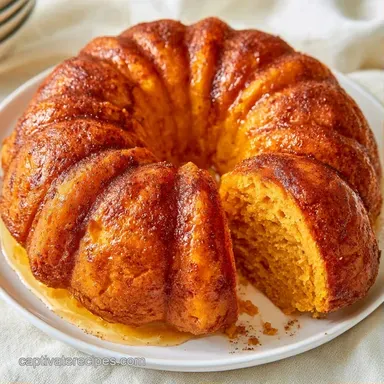
Old Fashioned Sweet Potato Bundt Cake
- Time: 10 min active + 65 min baking
- Flavor/Texture Hook: Deep cinnamon aroma with a velvety crumb
- Perfect for: Autumn gatherings or a cozy Sunday brunch
Easy Sweet Potato Bundt Cake
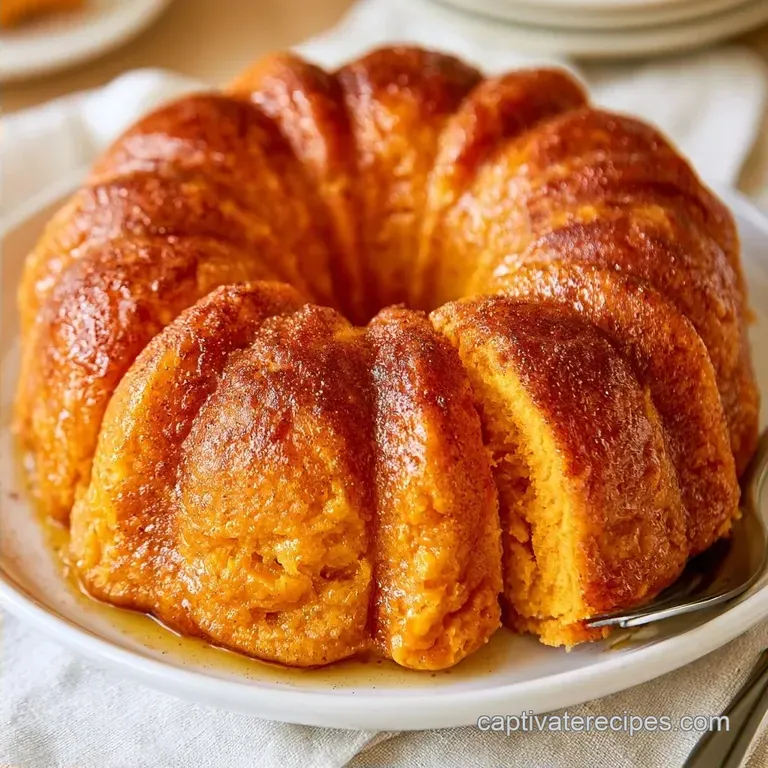
The scent hits you the moment this enters the oven. It's not just a trace of cinnamon, but a rich wave of toasted brown sugar and warm spices that fills every room. I recall bringing this to a friend's harvest celebration last year; people were already eyeing the dessert on the counter before the main course even arrived.
With its deep, mahogany color, it looks perfectly seasonal.
For those seeking a sweet potato cake that stays moist for days, this is the ideal choice. I've dealt with too many cakes that turn into dry sponges by the next morning, but this version avoids that entirely thanks to the potato puree, which acts as a moisture anchor.
The result is a dense, buttery cake more akin to a traditional pound cake than a light chiffon. It’s a total showstopper once you pour the warm brown sugar glaze over the top and watch it trickle down the ridges of the Bundt pan.
Why This Crumb Works
Potato Moisture: The starches in the sweet potato bind with the butter and eggs to create a tight, moist structure. This keeps the cake from drying out, even after a few days in the fridge.
The Bundt Shape: The central tube allows heat to reach the middle of the cake faster. This ensures the center bakes through at the same rate as the edges, preventing a raw middle.
DIVTABLE_0
Right then, let's look at what makes the flavors click. If you're planning a full Southern spread, this pairs great with a creamy potato salad for a balanced meal.
Recipe Basics
For this Sweet Potato Bundt Cake, we're aiming for a balance of sweetness and warmth. The brown sugar gives it a molasses like depth that white sugar just can't touch.
The richness here is similar to a silky chicken gravy, which is why the sweet and salty balance works so well. It's all about those deep, comforting notes.
The Ingredient List
| Ingredient | Role | If You Don't Have It |
|---|---|---|
| Sweet Potato Puree | Moisture & Color | Pumpkin puree (adds a more "autumnal" tang) |
| Brown Sugar | Depth & Caramel | Coconut sugar (slightly more nutty) |
| Buttermilk | Tenderness | Milk + 1 tsp lemon juice (let sit 5 mins) |
| All Purpose Flour | Structure | White whole wheat flour (denser result) |
For the Cake Batter
- 1 cup unsalted butter, softened (225g) Why this? Provides richness and that traditional pound cake texture
- 1.5 cups brown sugar, packed (300g)
- 4 large eggs, room temperature Why this? Emulsifies the fats for a more consistent rise
- 1.5 cups sweet potato puree (350g)
- 2 tsp vanilla extract (10ml)
- 1 tsp ground cinnamon (2g)
- 3 cups all purpose flour (375g)
- 1 tsp baking powder (5g)
- 0.5 tsp salt (3g)
- 0.75 cup buttermilk (180ml)
For the Brown Sugar Glaze
- 4 tbsp unsalted butter (57g)
- 0.5 cup brown sugar (100g)
- 0.25 cup heavy cream (60ml)
- 2 tbsp maple syrup (30ml) Why this? Lends a woody, authentic sweetness to the finish
Be sure to include the buttermilk. It reacts with the baking powder to give the cake a necessary lift, ensuring it doesn't turn into a dense potato brick.
Tools You'll Need
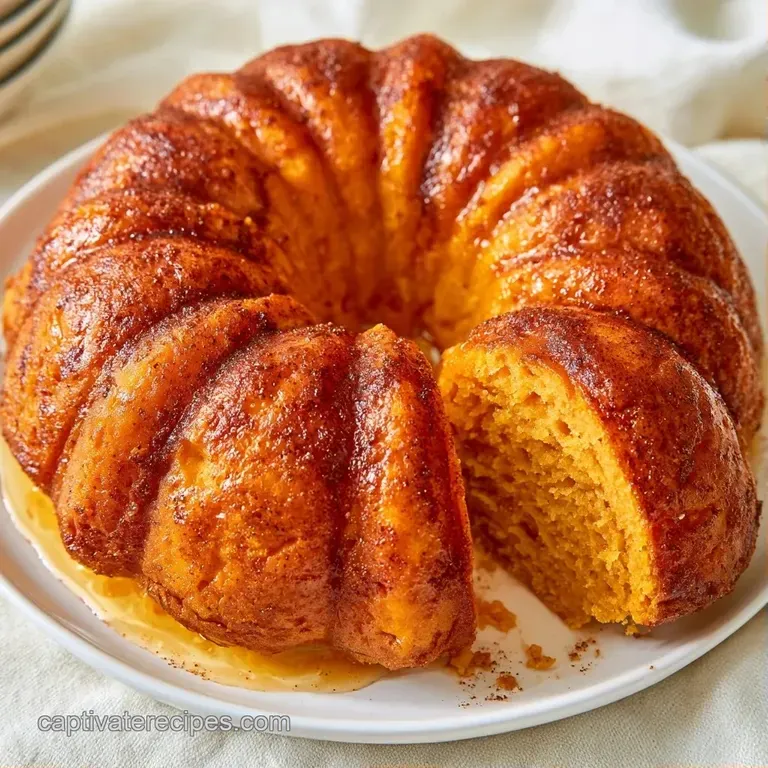
You'll need a 10 inch Bundt pan. I prefer the heavy duty cast aluminum ones because they distribute heat more evenly. If you have a stand mixer such as a KitchenAid, use it for the creaming stage, but a hand mixer works just fine too.
A wire cooling rack is non negotiable here. If you leave the cake in the pan too long, the steam gets trapped at the bottom, and you'll end up with a soggy base.
Steps to Bake
Phase 1: Preparing the Pan
- Preheat oven to 350°F (175°C).
- Grease a 10 inch Bundt pan with butter or baking spray. Note: Be aggressive with the butter in the crevices
- Dust the pan with a tablespoon of flour, then tap out the excess so there are no clumps.
Phase 2: Mixing the Batter
- Cream the softened butter and brown sugar. Beat them together until the mixture looks fluffy and pale.
- Add the eggs one by one. Beat well after each egg to make sure the batter doesn't separate.
- Stir in the sweet potato puree and vanilla extract until the batter is a uniform orange color.
- Whisk the flour, cinnamon, baking powder, and salt in a separate bowl.
- Gradually add the flour mixture and buttermilk to the wet ingredients, alternating between them. Stir until just combined. Do not overmix, or you'll lose that tender crumb.
Phase 3: The Final Bake & Cool
- Pour the batter into the pan and smooth the top with a spatula.
- Bake for 60–65 minutes. Check at 60 mins; a toothpick should come out clean.
- Cool the cake in the pan for 10 minutes before inverting it onto a wire rack.
- For the glaze, heat butter, brown sugar, cream, and maple syrup in a saucepan over medium heat. Stir until the sauce bubbles and thickens>, then pour over the cooled cake.
Chef's Note: To get the cake out safely, gently jiggle the pan after the 10 minute rest. If it doesn't budge, run a thin knife around the edges of the Bundt pan to release any clinging bits.
Fixing Cake Problems
Making a Sweet Potato Bundt Cake from scratch can occasionally result in a few mishaps. Typically, these issues are caused by timing or temperature.
Fixing a Stuck Cake
If the cake doesn't release from the pan, it's usually because it wasn't greased well enough. For your next attempt, try a mixture of equal parts oil, melted butter, and flour.
Dealing with a Gooey Center
A raw middle typically means the oven temperature was too high, cooking the exterior too quickly while the center stayed underdone. Use an oven thermometer to confirm you are actually at 350°F.
Stopping Batter Separation
If the batter appears curdled, your eggs were probably too cold. You can correct this by whisking the mixture while briefly holding the bowl over a warm water bath.
| Problem | Fix |
|---|---|
| Cake sticks to pan | Use "cake goop" (oil/butter/flour mix) |
| Center stays raw | Use an oven thermometer to verify temp |
| Batter separates | Ensure eggs are room temperature |
Making it Look Great
Since this is an Old Fashioned Sweet Potato Bundt Cake, the look should be rustic but polished. The brown sugar glaze is the star here. Pour it while the glaze is still warm so it seeps into the top layer of the cake while still leaving a thick coating on the sides.
For a bit of contrast, I like to add a sprinkle of flaky sea salt on top of the glaze. It cuts through the richness and makes the maple notes pop.
Decision Shortcut for Customizing:
- For a denser crumb: reduce buttermilk by 2 tbsp.
- For extra spice: add 1/2 tsp ground nutmeg.
- For a quicker release: use a cake goop mixture.
Keeping it Fresh
This cake is impressively sturdy. Thanks to the potato puree, it remains moist far longer than a typical sponge.
Storage Guidelines:
- Room Temp: Store in a cake dome or under a glass bowl for 2 days.
- Fridge: Keep in a sealed container for up to 5 days.
- Freezer: Wrap individual slices in foil and freeze for 3 months.
To warm a chilled slice, microwave it for 15 seconds. This softens the butter and restores that fresh baked aroma.
Pro Tip: Instead of tossing any remaining sweet potato puree, stir it into your morning oatmeal or blend it with honey and cinnamon for a quick treat.
Fun Flavor Tweaks
Looking for a twist on the standard brown sugar glaze? Here are a few ways to customize this Sweet Potato Bundt Cake Recipe.
Prefer a Cream Cheese Frosting?
Beat together 4 oz of softened cream cheese, 2 tbsp butter, 1 cup powdered sugar, and a dash of vanilla. This adds a lovely tang to balance the sweetness of the potato.
Want a Maple Glaze?
Replace the brown sugar in the glaze with an additional 1/4 cup of pure maple syrup. This gives the cake a cozy, winter inspired "Vermont woods" feel.
Is this cake gluten-free?
A 1:1 gluten-free flour substitute can be used. Just keep in mind that the texture will be slightly more delicate, so be sure the cake has cooled entirely before attempting to remove it from the pan.
Common Sweet Potato Cake Misconceptions:Myth: Raw sweet potato provides the best flavor. Truth: A puree (roasted or boiled and mashed) creates a more uniform texture. Raw potato can cause lumps and interfere with the cake's rise.
Myth: Melted butter is the fastest way to ensure a moist cake. Truth: Softened butter is superior. Creaming softened butter with sugar incorporates air, providing the necessary structure. Melted butter results in a flatter, denser cake.
There you have it your guide to a perfect Sweet Potato Bundt Cake. Success depends on being patient while it cools and being liberal with the glaze. Try it out and let me know how your crumb looks!
Recipe FAQs
How to make a sweet potato cake using box cake mix?
Mix your favorite cake mix with 1.5 cups of sweet potato puree and an extra egg for richness.
Tip: use a touch of cinnamon to enhance the natural flavor of the potato.
What is Oprah's favorite Bundt cake?
She is well known for enjoying classic, moist southern style cakes like sweet potato.
Tip: a rich brown sugar glaze mimics the depth of those famous celebrity favorite desserts.
What are some common mistakes to avoid when making sweet potato pound cake?
Avoid overmixing the batter after adding the flour, as this creates a tough texture.
Tip: if you enjoyed the batter consistency here, see how we use a similar folding method in our fluffy pancakes.
Is it true that you must soak sweet potatoes before baking?
Actually, no. Pureed sweet potatoes are used directly in the batter without any soaking.
Tip: roast the potatoes first to concentrate the sweetness before pureeing.
Sweet potato bundt cake recipe?
Cream butter and brown sugar, mix in eggs and puree, then fold in dry ingredients and buttermilk before baking at 350°F for 60 65 minutes.
Tip: always dust your greased pan with flour to ensure the cake releases cleanly.
Where can I find the Southern Living sweet potato bundt cake?
That specific version is found in their archives, though this version uses a maple infused glaze for extra flavor.
Tip: use room temperature eggs to prevent the creamed butter from curdling.
Sweet Potato Bundt Cake