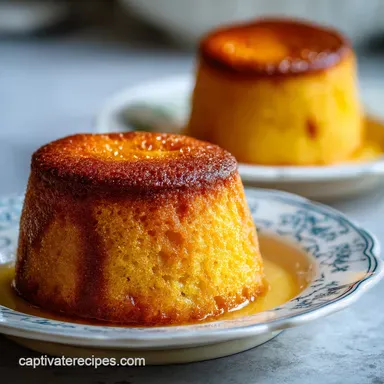
Homemade Hot Cakes: Fluffy and Golden
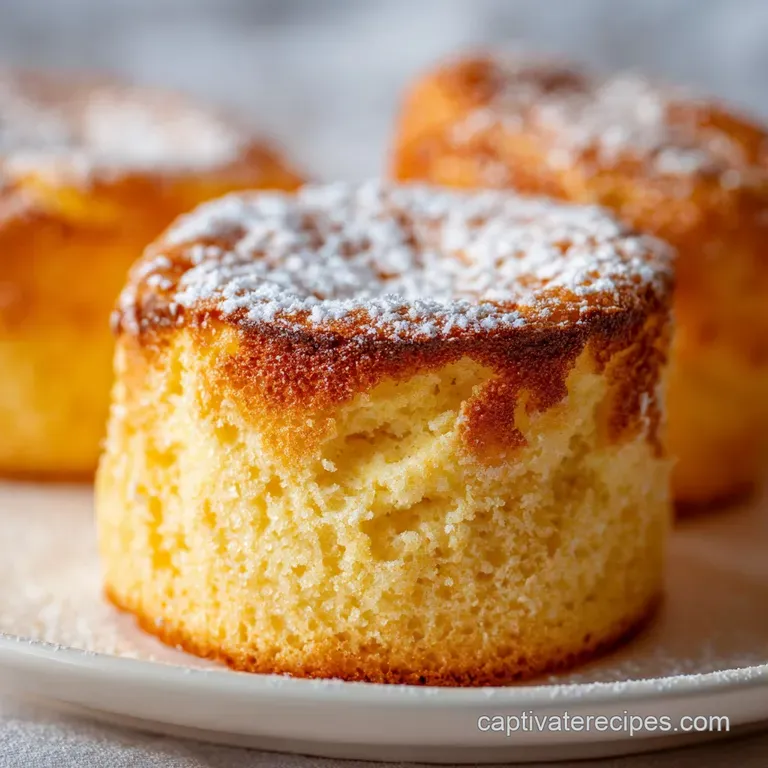
- Time:10 minutes prep + 10 minutes resting + 15 minutes cook = 35 minutes total
- Flavor/Texture Hook: Fluffy, vanilla forward with a golden, buttery edge
- Perfect for: High energy weekend mornings or meal prep breakfasts
- Golden Fluffy Homemade Hot Cakes Recipe
- Nailing The Texture Every Time
- Essential Ingredient Deep Dive
- Selecting Quality Ingredients
- Necessary Tools For Success
- Step By Step Execution
- Solving Frequent Griddle Failures
- Adjusting Batch Sizes
- Swaps And Custom Additions
- Preservation And Waste Reduction
- Serving And Presentation Ideas
- Recipe FAQs
- 📝 Recipe Card
Golden Fluffy Homemade Hot Cakes Recipe
You know that feeling when you're starving on a Saturday morning, you've got the syrup ready, and you bite into a pancake only to find it's basically a piece of wet cardboard? It's the worst.
For years, I struggled with hot cakes that were either too thin, weirdly rubbery, or burnt on the outside while staying raw in the middle. I used to think it was the pan or the heat, but it turns out I was just rushing the process and overworking the batter.
We have all been there, standing over a smoking skillet, frantically flipping cakes that just won't rise. But after making this homemade hot cakes recipe about a hundred times, I realized that the secret isn't some fancy flour or a professional griddle.
It's about how you treat the gluten and how long you let the batter just sit there and do its thing. If you're looking for that diner style height and a crumb that practically melts, you've found the fix.
Today we are skipping the boxed mix that tastes like chemicals. We're going back to basics with ingredients you already have in the pantry, but with a technique that actually works. No more rubbery discs or sad, flat circles.
We are aiming for golden, velvety stacks that can support a massive knob of butter without collapsing. Let's get into why this method actually holds up.
Nailing The Texture Every Time
Starch Hydration: Giving the batter 10 minutes to rest allows the flour to fully absorb the milk, which thickens the consistency naturally without adding extra flour.
Leavening Activation: Baking powder reacts twice, once when it hits the wet ingredients and again when it hits the heat, so the rest period ensures the first reaction is stable.
Gluten Relaxation: Whisking creates tension in the proteins, so letting the batter sit prevents that "bouncy" or rubbery texture you get when you cook it immediately.
Fat Distribution: Using cooled melted butter instead of oil inside the batter creates a richer mouthfeel while the oil on the pan helps with that crispy edge.
| Method | Time | Texture | Best For |
|---|---|---|---|
| Stovetop Skillet | 15 minutes | Crispy edges, uneven browning | Authentic home style look |
| Electric Griddle | 12 minutes | Perfectly even golden color | Large batches/Feeding a crowd |
| Sheet Pan (Oven) | 20 minutes | Cake like, very soft | Hands off meal prep |
Mixing the batter is only half the battle; how you apply the heat determines if you get a shatter crisp edge or a soggy mess. I personally love the stovetop method because I can control the sizzle of the butter for each individual cake. If you find yourself making a massive breakfast spread, though, a sheet pan approach is a life saver, even if you lose that classic circular shape. For more weekend breakfast inspiration, you might find my Fluffy Pumpkin Pancakes to be a great seasonal alternative.
Essential Ingredient Deep Dive
| Ingredient | Science Role | Pro Secret |
|---|---|---|
| Baking Powder | Primary Lifter | Check the expiration; old powder means flat cakes every time. |
| Whole Milk | Moisture & Fat | Use room temp milk to keep the melted butter from seizing up. |
| Large Egg | Structural Binder | Provides the "lift" and keeps the cake from falling apart. |
| Granulated Sugar | Browning Agent | Sugar caramelizes on the griddle to give you that mahogany crust. |
Understanding these components helps you realize that baking isn't just following a list; it's managing a series of small reactions. When the sugar hits the hot surface, it does more than just sweeten; it creates that beautiful color we all crave.
Selecting Quality Ingredients
- 2 cups (250g) all purpose flour: This provides the structure. Why this? AP flour has the right protein balance for a soft yet sturdy crumb. (Sub: White whole wheat for a nuttier vibe).
- 3 tbsp (38g) granulated sugar: Adds sweetness and aids browning. Why this? Sugar assists in the Maillard reaction for a golden exterior. (Sub: Honey or maple syrup).
- 2 tsp (10g) baking powder: Our main rising agent. Why this? It creates the air pockets that make the cakes light. (Sub: 1/2 tsp baking soda + 1/2 cup yogurt swapped for some milk).
- 0.5 tsp (3g) fine sea salt: Balances the sugar and vanilla. Why this? Salt heightens the perception of sweetness and fat. (Sub: Kosher salt).
- 1.5 cups (355ml) whole milk: The primary liquid for hydration. Why this? Whole milk provides a richer flavor than skim or 2%. (Sub: Oat milk or almond milk).
- 1 large egg: The binder that holds the bubbles together. Why this? Eggs provide protein for structure and fat for richness. (Sub: 1/4 cup applesauce).
- 4 tbsp (56g) unsalted butter, melted: Adds flavor and a velvety texture. Why this? Butter fat coats the flour to keep the cakes tender. (Sub: Melted coconut oil).
- 1 tsp (5ml) pure vanilla extract: For that classic bakery aroma. Why this? Vanilla rounds out the "floury" taste of the batter. (Sub: Almond extract).
Necessary Tools For Success
You don't need a professional kitchen, but a few specific items make this a lot easier. A large balloon whisk is non negotiable for getting the dry ingredients aerated. I also highly recommend using a wide, flat spatula, something thin enough to slide under the delicate edges without squishing the air out of the center.
A heavy bottomed skillet, like a seasoned cast iron or a high-quality non stick pan, is your best friend here. Cheap, thin pans have hot spots that will burn the center of your hot cake while the edges stay pale and doughy.
If you're using cast iron, make sure it's well preheated so the heat is evenly distributed across the entire surface.
Step by step Execution
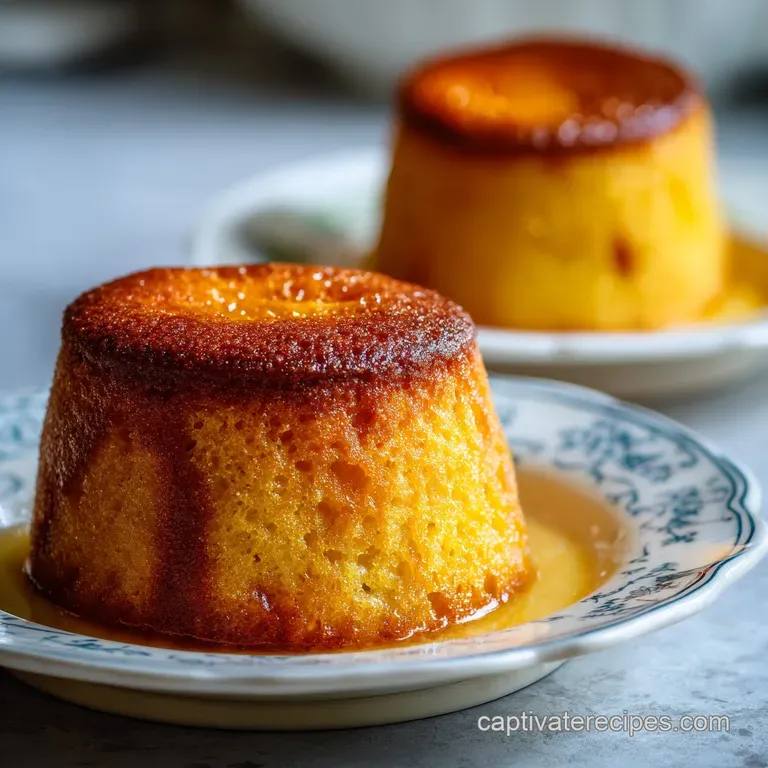
- Whisk dry components. In a large mixing bowl, combine the all purpose flour, granulated sugar, baking powder, and fine sea salt until the mixture is airy and clump free. Note: This acts like sifting without the extra dishes.
- Mix wet ingredients. In a separate jug, whisk the milk, egg, vanilla extract, and cooled melted butter until the egg is fully incorporated.
- Combine mixtures. Pour the wet ingredients into the dry bowl. Fold with a spatula until just combined. Stop when you see small lumps; overmixing is the enemy.
- Allow the rest. Let the batter sit on the counter for 10 minutes. Look for tiny bubbles appearing on the surface of the batter.
- Prep the griddle. Heat your skillet over medium heat. Add the mix of butter and neutral oil, swirling to coat.
- Pour the batter. Use a measuring cup to pour 1/3 cup of batter per hot cake. Maintain space so they don't merge into one giant blob.
- Monitor for bubbles. Cook until bubbles break the surface and edges look matte/set. This usually takes about 2-3 minutes.
- The flip. Slide your spatula underneath and flip in one swift motion. Cook the second side until golden and puffed, about 1-2 minutes more.
- Serve immediately. Transfer to a warm plate and top with your favorite syrup or fruit.
Solving Frequent Griddle Failures
To Fix Flat Hot Cakes
If your cakes aren't rising, your baking powder might be dead, or you didn't let the batter rest. The rest period is when the magic happens. If you skip it, the leavening doesn't have time to create those initial air pockets.
Also, check that you aren't pressing down on the cakes with your spatula after flipping; you're literally squeezing the air out!
To Fix Burnt Outside
When the exterior is dark brown but the inside is still liquid, your pan is too hot. Hot cakes need a moderate, steady heat to cook through. I usually start on medium and then turn it down to medium low after the first batch. The pan retains heat as you go, so you have to keep adjusting.
| Problem | Root Cause | Solution |
|---|---|---|
| Rubbery Texture | Overmixing the batter | Mix until streaks disappear; lumps are fine. |
| Pale, Greasy Surface | Pan wasn't hot enough | Wait for the butter to sizzle before pouring batter. |
| Uneven Shapes | Batter is too thin | Let it rest longer or add 1 tbsp of flour. |
Common Mistakes Checklist
- ✓ Never use a cold egg; it will cause the melted butter to clump into pebbles.
- ✓ Avoid using only butter for the pan; the oil prevents the butter solids from burning.
- ✓ Don't flip more than once; multiple flips deflate the air pockets and toughen the cake.
- ✓ Wipe the pan between batches to prevent burnt butter bits from sticking to the next round.
- ✓ Use a 1/3 cup measure for consistent sizing and even cooking times.
Adjusting Batch Sizes
Scaling this homemade hot cakes recipe is fairly straightforward, but there are a few rules to follow. If you are cutting the recipe in half, beat one egg in a small bowl and use exactly half of it.
For the leavening, don't just cut it blindly; keep the ratio close to 1 tsp per cup of flour to ensure it still has enough power to lift the smaller amount of batter.
When doubling the recipe, you don't actually need to double the salt or vanilla. Increase those by 1.5x instead to avoid an overpowering flavor. Also, remember that the more batter you have, the longer it will take to cook, so keep your finished cakes in a 200°F (95°C) oven on a wire rack to stay crisp while you finish the rest of the batch.
| Servings | Flour Amount | Milk Amount | Pan Size |
|---|---|---|---|
| 2 People | 1 cup | 3/4 cup | 10 inch skillet |
| 4 People | 2 cups | 1.5 cups | 12 inch skillet |
| 8 People | 4 cups | 3 cups | Electric Griddle |
Swaps And Custom Additions
If you want to try a "Pinoy Style" street hot cake, add a drop of yellow food coloring to the batter and slather the finished cakes with margarine and a heavy sprinkle of granulated sugar. It’s a nostalgic treat that hits differently than the maple syrup version.
For a tangy twist, you can swap the milk for buttermilk, but you'll need to add 1/2 tsp of baking soda to react with that extra acidity.
For those looking for something even more indulgent, you can use the chocolate heavy logic from my hot fudge pudding cake recipe and toss semi sweet chocolate chips into the batter once it's on the griddle. Just don't mix them into the bowl, or they'll all sink to the bottom.
Preservation And Waste Reduction
Storage: Leftover hot cakes keep beautifully in the fridge for up to 3 days. Wrap them tightly in foil or place them in an airtight container to prevent them from picking up "fridge smells." To reheat, avoid the microwave if you want to keep the texture, use a toaster or a dry skillet to bring back that slight exterior crunch.
Freezing: These are a meal prep dream. Flash freeze them on a baking sheet for an hour so they don't stick together, then toss them into a freezer bag. They stay fresh for up to 2 months. You can pop them straight from the freezer into a wide slot toaster for a 2 minute breakfast.
Zero Waste: If you have leftover batter that isn't enough for a full cake, don't toss it. Cook up "pancake bites" (tiny quarter sized circles) and serve them in a bowl with milk like cereal.
If you have extra milk or butter that's about to expire, this recipe is the perfect way to use up those dairy staples before they turn.
Serving And Presentation Ideas
Presentation is where you can really have some fun. Instead of just pouring syrup over the top, try "shingling" the cakes in a long row rather than a vertical stack. This keeps the bottom cakes from getting crushed and soggy.
A light dusting of powdered sugar through a fine mesh sieve adds a professional touch that hides any minor browning imperfections.
For a velvety finish, always place your butter on the hot cakes the second they come off the griddle. If you wait until you're at the table, the butter won't melt into the nooks and crannies. If you're feeling fancy, whip some heavy cream with a touch of maple syrup and a pinch of salt, it’s a much better pairing than the canned stuff and it makes the whole meal feel like a special occasion. For another classic chocolate treat, you could even serve these alongside a small slice of Texas Sheet Cake if you're hosting a massive brunch.
Recipe FAQs
What are the ingredients in hot cakes?
This recipe uses eight pantry staples. You will need all-purpose flour, granulated sugar, baking powder, fine sea salt, whole milk, a large egg, unsalted butter, and pure vanilla extract.
Is hotcake mix the same as pancake mix?
Yes, they are essentially the same product. Both rely on flour and leavening agents to create a light, airy structure, though homemade versions taste much fresher than boxed varieties.
What's the secret to fluffy hot cakes?
The secret is resisting the urge to overmix your batter. Folding the wet and dry ingredients just until combined, leaving some small lumps behind, is the key to achieving a tender, fluffy texture. If you enjoy mastering these delicate textures, the same principle of minimal handling applies to our classic lemon bars.
Can heart patients eat pancakes?
Consult with your doctor regarding your specific dietary needs. While this recipe uses standard ingredients like flour and butter, individual health requirements regarding sodium and sugar intake vary significantly.
How to ensure the hot cakes are cooked through?
Flip the cakes only after bubbles break the surface and the edges appear set. Waiting for these visual cues ensures the inside is cooked perfectly without burning the exterior.
Is it true I should skip the resting period?
No, this is a common misconception. Allowing the batter to rest for 10 minutes is essential because it gives the leavening agents time to activate and the flour enough time to hydrate, resulting in a superior lift.
How to get that perfect golden-brown crust?
Use a combination of butter and neutral oil in your skillet. The oil raises the smoke point of the butter, which prevents burning and helps you achieve an even, consistent golden color across every hot cake.
Homemade Hot Cakes Recipe for 4 Servings: Fluffy and Golden