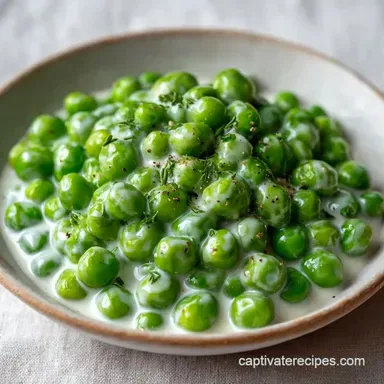
Tangy Sour Cream Peas: Creamy and Fresh
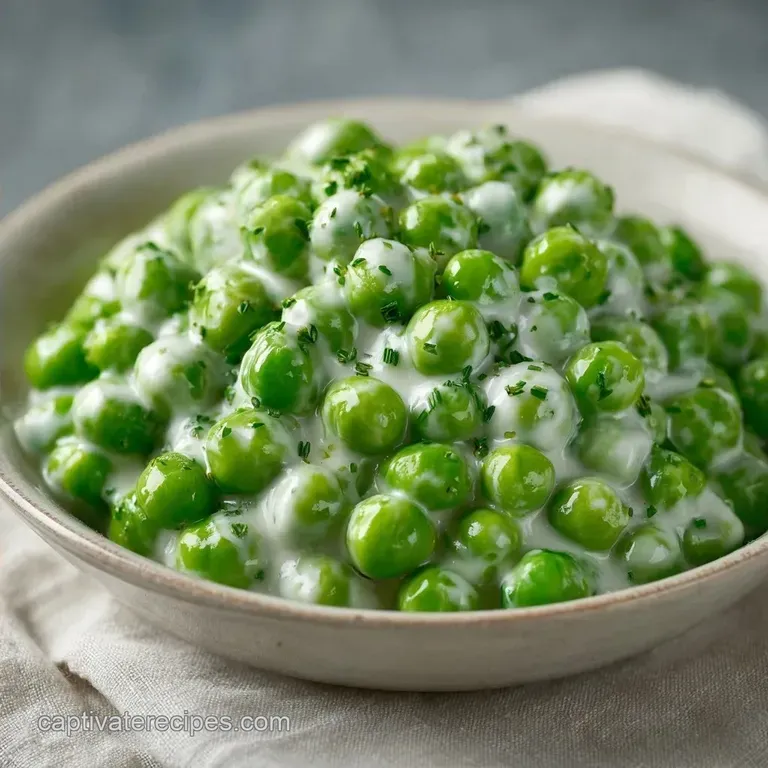
- Time: 5 min active + 10 min cook
- Flavor/Texture Hook: Velvety sauce with a fresh snap
- Perfect for: Weeknight dinner sides or budget meal prep
- Sour Cream Peas for Easy Weeknights
- Why These Peas Actually Work
- Ingredient Role Breakdown
- Gear You'll Need
- The Component List
- Step by Step Method
- Fixing Common Pea Problems
- Troubleshooting Common Issues
- Adjusting Your Batch Size
- Debunking Pea Myths
- Storage Guidelines
- Best Sides to Pair
- Recipe FAQs
- 📝 Recipe Card
The smell of butter hitting a hot pan is enough to make anyone hungry. I remember a Tuesday a few years back when I had absolutely nothing in the fridge but a half empty tub of sour cream and a bag of frozen peas. I didn't want to spend an hour on a side dish, but I wanted something that felt like a real meal.
I tossed the onions in butter, threw in the peas, and stirred in that sour cream at the very end. It turned out to be a total win. It's the kind of side that tastes like you spent way more time on it than you actually did.
If you're looking for something reliable and comforting, these Sour Cream Peas are it. They aren't fancy, but they bring a creamy, tangy hit to the plate that makes even a plain chicken breast feel special.
Sour Cream Peas for Easy Weeknights
Right then, let's get into why this works. Most people overcook their peas until they're a grayish green mush. The secret here is using frozen peas and adding the dairy at the very end. This keeps the color vibrant and the texture snappy.
It's a budget-friendly win because frozen peas are often cheaper and more consistent than fresh ones. Plus, using sour cream instead of a heavy cream reduction saves you about ten minutes of simmering.
You'll find that this dish fills a gap between a heavy creamed spinach and a light steamed veggie. It's rich, but the acidity in the sour cream keeps it from feeling too heavy on the palate.
Why These Peas Actually Work
The Tangy Bind: Sour cream contains lactic acid, which cuts through the natural sweetness of the peas and the richness of the butter.
Thermal Shock: Adding the cream after the heat is lowered prevents the dairy from breaking or curdling.
Aromatic Base: Sautéing onions first creates a savory foundation that stops the dish from tasting like just "peas and cream."
Flash Heating: Frozen peas only need a few minutes to heat through, which preserves their structural integrity.
| Method | Time | Texture | Best For |
|---|---|---|---|
| Frozen (Shortcut) | 15 mins | Snappy & Consistent | Quick weeknights |
| Fresh (Traditional) | 25 mins | Softer & Sweeter | Spring harvests |
| Canned (Budget) | 10 mins | Mushier | Pantry emergencies |
Ingredient Role Breakdown
| Ingredient | Science Role | Pro Secret |
|---|---|---|
| Sour Cream | Acid & Thickener | Use full fat to avoid the sauce splitting |
| Frozen Peas | Main Bulk | Don't thaw them first; toss them in frozen |
| Unsalted Butter | Fat Base | Brown it slightly for a nuttier taste |
| Yellow Onion | Flavor Depth | Dice them tiny so they melt into the sauce |
Gear You'll Need
Keep it simple. You don't need a fancy setup for this. A large non stick skillet is your best friend here because it makes folding in the sour cream effortless without sticking to the corners.
You'll also need a sturdy spatula for stirring and a sharp knife for the onions. Honestly, don't even bother with a food processor for the onions unless you're making a massive batch, as it can turn them into a paste.
The Component List
- 4 cups frozen peas (600g) Why this? Best color and texture retention
- 2 tbsp unsalted butter (28g) Why this? Provides a rich, silky mouthfeel
- 1/2 cup yellow onion, finely diced (75g) Why this? Adds a necessary savory balance
- 1/2 cup full fat sour cream (120g) Why this? Thickens the sauce and adds tang
- 1/2 tsp garlic powder (2g) Why this? Even distribution of flavor
- 1/2 tsp kosher salt (3g) Why this? Enhances all other flavors
- 1/4 tsp black pepper (1g) Why this? Adds a subtle woody heat
- 1 tbsp fresh parsley, chopped (4g) Why this? Brightens the final look and taste
Substitution Guide
| Original Ingredient | Substitute | Why It Works |
|---|---|---|
| Sour Cream | Greek Yogurt (Plain) | Similar tang and thickness. Note: Slightly more tart |
| Unsalted Butter | Olive Oil | Same fat role. Note: Loses the creamy buttery flavor |
| Yellow Onion | Shallots | Finer, sweeter flavor. Note: Great for a more refined taste |
| Frozen Peas | Fresh Peas | More natural sweetness. Note: Requires longer cook time |
Step by step Method
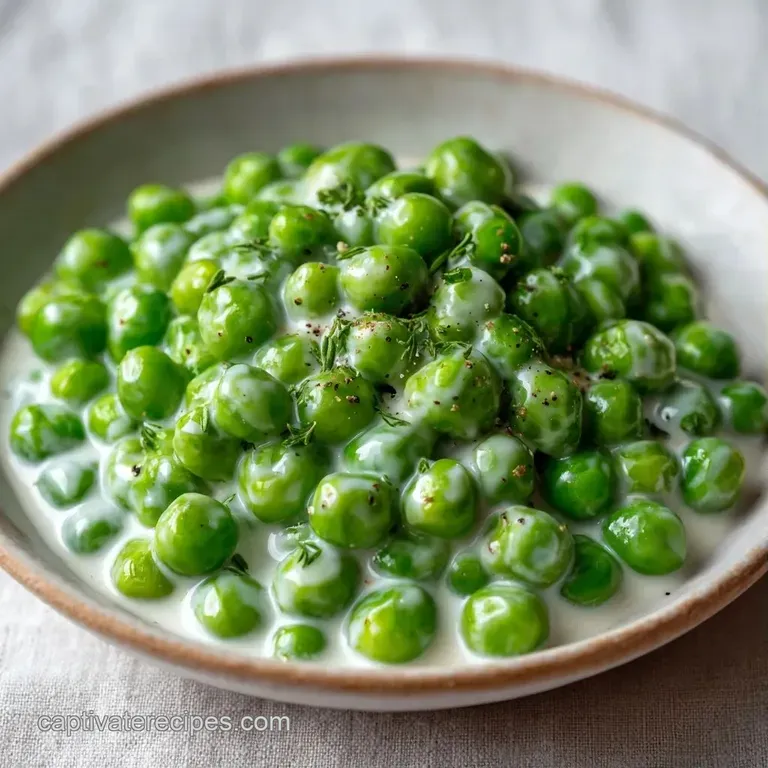
- Melt the butter over medium heat in a large non stick skillet. Note: Keep an eye on it so it doesn't brown too quickly.
- Add the diced onions to the pan. Sauté for 3–5 minutes until translucent and sweet.
- Stir in the frozen peas and garlic powder.
- Cook for 4–6 minutes until peas are heated through and vibrant green.
- Reduce the heat to low. Note: This is the most important step to prevent the sauce from separating.
- Gently fold in the sour cream, salt, and pepper.
- Stir slowly until the sauce is homogenous and glossy.
- Remove from heat immediately once the texture is velvety.
- Garnish with fresh parsley and a pinch of black pepper before serving.
Chef's Note: If the sauce looks too thick, stir in a tablespoon of water or milk to loosen it up. Just do it one spoon at a time.
Fixing Common Pea Problems
Troubleshooting Common Issues
| Issue | Solution |
|---|---|
| Why Your Sauce Curdled | This usually happens if the pan is too hot when the sour cream goes in. High heat causes the proteins in the dairy to clump. |
| Why Your Peas Are Mushy | Overcooking is the enemy. If you use canned peas, they're already soft, so you only need to warm them. Frozen peas should just be heated through, not simmered for ten minutes. |
| Why The Dish Tastes Bland | Peas are naturally sweet, which can mask salt. Taste the sauce right before you pull it off the stove. A tiny extra pinch of salt or a squeeze of lemon can wake everything up. |
Mistakes Checklist
- ✓ Did you dice the onions finely? (Chunks of onion ruin the velvety feel)
- ✓ Is the heat on low before adding the cream? (Prevents curdling)
- ✓ Did you use frozen peas without thawing? (Keeps them snappy)
- ✓ Did you taste for salt at the end? (Essential for balancing the sweetness)
Adjusting Your Batch Size
If you're just cooking for yourself, you can easily half this recipe. Use 1 tablespoon of butter and 1/4 cup of sour cream. Use a smaller skillet so the butter doesn't spread too thin and burn.
For a crowd, I recommend doubling the recipe but cooking the peas in two batches. If you crowd the pan too much, the peas will steam instead of sauté, and you'll lose that vibrant green color. For the spices, only increase the salt and pepper to 1.5x the original amount and taste as you go.
Quick Decision Guide
- If you want it smokier → Add 2 strips of fried bacon.
- If you want it cheesier → Stir in 1/4 cup of grated Parmesan.
- If you want it lighter → Use plain Greek yogurt.
Debunking Pea Myths
Some people think frozen vegetables are less nutritious than fresh. That's actually not true. According to USDA FoodData, many frozen vegetables are processed and frozen at their peak ripeness, locking in vitamins that fresh produce loses during transport.
Another myth is that you need to boil peas first before adding them to a sauce. This is a mistake for this recipe. Boiling them then sautéing them leads to mushy peas. Adding them frozen directly to the butter keeps the "pop" in every bite.
Storage Guidelines
Store any leftover Sour Cream Peas in an airtight container in the fridge for up to 3 days. Because of the dairy, they won't last as long as plain steamed veggies.
To reheat, do it slowly on the stovetop over low heat. Add a splash of milk or water to bring the creaminess back. Avoid the microwave if possible, as it can make the dairy separate and the peas rubbery.
For zero waste, don't toss your onion skins. Save them in a freezer bag with other veggie scraps to make a homemade vegetable stock later.
Best Sides to Pair
These Sour Cream Peas are versatile. They go great with a roasted salmon fillet or a grilled pork chop. If you're doing a Sunday roast, they provide a nice tangy contrast to a heavy meat dish.
For a more traditional vibe, you could serve these alongside a Chicken Gravy Recipe and some mashed potatoes. If you're in the mood for something colder, you might enjoy my Pea Salad with Bacon recipe for a picnic style alternative.
Ultimately, the beauty of these Sour Cream Peas is that they don't fight with other flavors. They just sit there being creamy and bright, making whatever else is on the plate taste a bit better. Trust me, once you try this 15 minute method, you'll stop boiling your peas forever.
Recipe FAQs
What is the best cream to use for this recipe?
Full-fat sour cream is the best choice. Its thickness creates a glossy, homogenous sauce and provides a tangy contrast to the sweet peas.
How to use canned peas instead of frozen?
Drain and rinse the peas thoroughly. Because canned peas are already soft, only warm them in the skillet briefly before adding the dairy to prevent them from becoming mushy.
Why did my sour cream sauce curdle?
The pan was too hot when the sour cream was added. High heat causes dairy proteins to clump, so you must reduce the heat to low before folding in the cream.
Why are my peas mushy?
The peas were overcooked. Frozen peas only require 4–6 minutes to heat through; simmering them longer destroys their vibrant color and structure.
What should I serve with these peas?
They pair excellently with a flaky white fish. This side dish complements the buttery notes of a golden seared cod perfectly.
How to store and reheat leftovers?
Store in an airtight container in the fridge for up to 3 days. Reheat slowly on the stovetop over low heat, adding a splash of water to restore the velvety texture.
How to fix these peas if they taste bland?
Add an extra pinch of kosher salt. The natural sweetness of peas can mask salt, so always taste the sauce immediately before removing the pan from the heat.
Sour Cream Peas in 15 Minutes