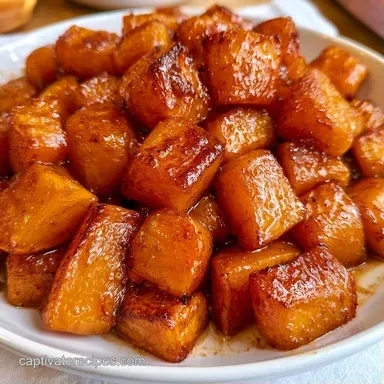
Caramelized Butternut Squash with Brown Sugar
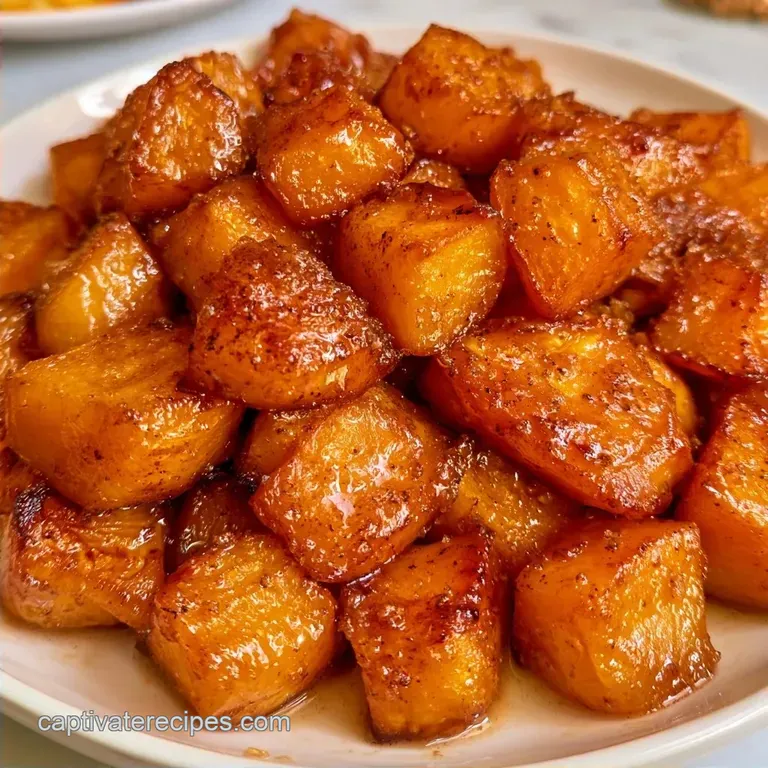
- Time: 10 min active + 30 min baking
- Flavor/Texture Hook: Mahogany colored edges with a velvety center
- Perfect for: Weeknight side dish or holiday feast
That smell of bubbling butter and caramelized sugar hitting a hot oven is everything. I used to roast my vegetables at low temperatures, thinking I was being gentle, but all I got was a pale, mushy heap that tasted like boiled cardboard.
Then I started cranking the heat up to 425°F, and everything changed.
This is the perfect recipe for Butternut Squash with Butter and Brown Sugar. We're going for a specific contrast here: the outside should be nearly charred and sweet, while the inside stays soft. It's a reliable way to get big flavor without spending hours in the kitchen.
You only need a few basic tools and about ten minutes of prep. Once the tray is in the oven, you're basically done. Trust me, the high heat is the only way to actually get that deep, rich color.
Getting Butternut Squash Right
The trick is the interaction between the sugar and the heat. Most people roast too low, which just steams the vegetable. By using a high temperature, the moisture evaporates quickly from the surface.
This allows the brown sugar to melt and fuse with the butter, creating a glaze that browns in about 25 minutes.
If you enjoy this profile, you might like my maple roasted version for a slightly different sweetness.
Sugar and Molasses: Brown sugar contains molasses, which helps the edges darken faster than white sugar would.
Fat Blend: Combining butter for flavor with a bit of olive oil prevents the butter from burning too quickly at 425°F.
Roast Method Comparison
Depending on how much time you have, you can change the approach. I usually stick to the fast method because it gives the best texture.
| Method | Time | Texture | Best For |
|---|---|---|---|
| Fast Roast (425°F) | 30 mins | Crispy edges, soft core | Weeknights |
| Classic Roast (350°F) | 60 mins | Uniformly soft, pale | Slow cooking |
Right then, let's look at what goes into the bowl.
Ingredient Deep Dive
Using the right fats is what makes this dish work. Don't bother with margarine or low-fat spreads here, as they won't emulsify with the sugar properly.
| Component | Purpose | Substitute Notes |
|---|---|---|
| Butternut Squash | Base vegetable | Kabocha squash: denser and sweeter |
| Unsalted Butter | Richness and browning | Ghee: higher smoke point, similar taste |
| Brown Sugar | Caramelization | Maple syrup: thinner glaze, more liquid |
| Olive Oil | Heat stability | Avocado oil: neutral taste, very stable |
The Base
The Butternut Squash provides a natural sweetness that acts as a canvas for the glaze. I prefer using a medium sized squash because the neck is easier to dice consistently.
The Caramel Glaze
The mix of butter and brown sugar creates a thick coating. This prevents the squash from drying out while the high heat works on the exterior.
Tools You Will Need
This recipe requires only a few basic kitchen tools.
- Large rimmed baking sheet (to catch the bubbling sugar)
- Parchment paper (crucial to prevent sticking)
- Large mixing bowl
- Vegetable peeler
- Sharp chef's knife
Pro Tip: Without parchment paper, grease the pan thoroughly with oil to stop the sugar from gluing the squash to the metal.
Making the Butternut Squash
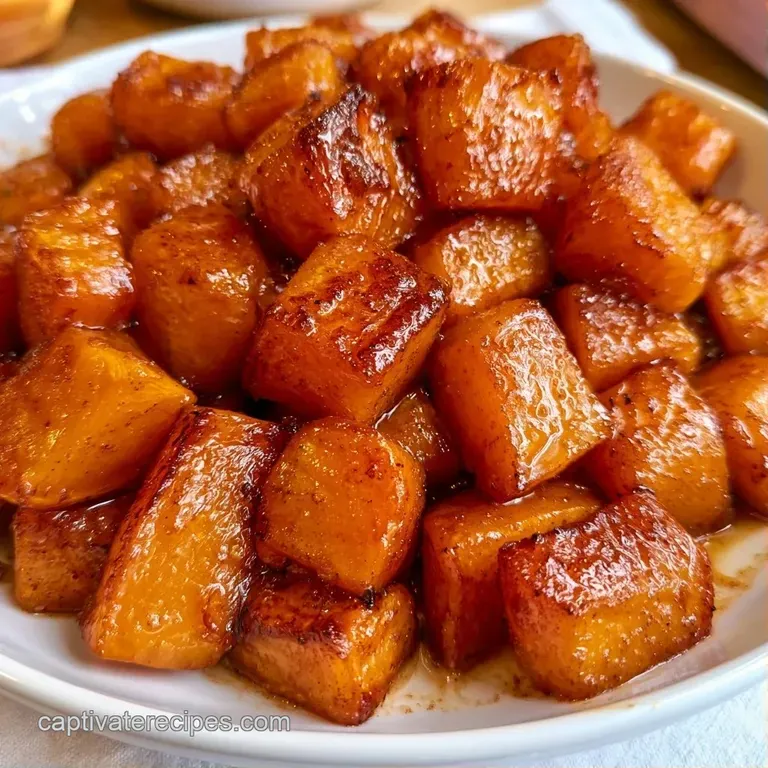
Time to get started. Aim for uniform cubes to ensure everything cooks evenly.
- Set your oven to 425°F (220°C) and prepare a large rimmed baking tray by lining it with parchment.
- Peel the butternut squash, then cut it into even 1/2 inch cubes for consistent caramelization. Note: This ensures a uniform cooking time.
- Using a small bowl, combine the melted unsalted butter, olive oil, and packed light brown sugar, whisking until the sugar has mostly dissolved.
- Put the diced butternut squash in a large mixing bowl. Drizzle the glaze over the vegetables and season with kosher salt and black pepper, tossing well to coat each piece.
- Arrange the squash in a single layer on the lined baking sheet, leaving space between pieces to avoid steaming.
- Roast for 20-25 minutes, flipping the pieces with a spatula at the halfway mark.
- Take them out once the edges have turned mahogany and the centers are tender when poked with a fork.
Precision Checkpoints
- Cube Size: Strictly 1/2 inch (1.3cm).
- Oven Temp: 425°F (220°C).
- Visual Cue: Mahogany edges.
Fixing Butternut Squash Issues
Most problems come down to how the squash is arranged on the pan. If you crowd the tray, you're essentially steaming the vegetables instead of roasting them.
Mushy Instead of Crispy
This happens when too many pieces touch. The moisture they release stays trapped between the cubes, creating a humid environment. Use two pans if you're doubling the recipe.
Sugar Burning Too Fast
If the sugar turns black before the centers are soft, your oven might be running hot. Lower the heat by 10 degrees and keep a closer eye on the tray during the last 5 minutes.
Sticking to the Pan
The sugar can turn into a glue if the pan isn't lined. Use parchment paper or a silicone mat. If it's already stuck, let it cool for 2 minutes, and the sugar will release more easily.
| Problem | Root Cause | Solution |
|---|---|---|
| Pale Color | Oven temp too low | Increase to 425°F (220°C) |
| Soggy Texture | Pan overcrowded | Spread pieces further apart |
| Bitter Taste | Burnt sugar | Remove from heat immediately |
Butternut Squash Variations
You can easily shift the flavor profile depending on what you're serving. The basic Butternut Squash base is very flexible.
For a Warm Autumn Profile
Add 1/2 tsp of ground cinnamon or a pinch of nutmeg to the glaze. This makes it taste more like a traditional holiday side.
For a Savory Twist
Swap the brown sugar for a tablespoon of honey and add a handful of fresh sage leaves to the pan during the last 10 minutes of roasting.
The Vegan Swap
Use a high-quality vegan butter substitute and replace the olive oil. The results are nearly identical, though the browning might take an extra 2-3 minutes.
For a firmer set and a more intense sweetness, try chilling the glaze for 10 minutes before tossing. This helps it cling to the Butternut Squash more effectively.
Preservation Secrets
A sealed tub in the cooler will keep this roasted dish fresh for 3 to 4 days, though the texture changes slightly after cooling.
To maintain the crisp edges, skip the microwave. Set your oven to 350°F (180°C) and heat the leftovers for 5-10 minutes.
Zero Waste Tips
Don't throw out the seeds! Clean them, coat them in a little of the remaining glaze, and roast at 325°F for 15 minutes for a salty-sweet snack. You can also freeze the peels in a bag for future vegetable stock.
Pairing Butternut Squash
Since this dish is quite sweet, it benefits from salty or acidic elements to create a balanced flavor. I typically serve it with a protein paired with a zesty sauce.
It complements a one pan chicken roast beautifully, as the savory juices from the meat cut through the richness of the brown sugar.
The Holiday Feast
For a full festive spread, pair the butternut squash with roasted Brussels sprouts or a sharp cranberry sauce. The acidity from the berries prevents the meal from feeling too heavy.
The Vegetarian Main
Make this the center of the plate by serving it over farro or quinoa. Top it with crumbled feta or goat cheese for a tangy contrast that awakens the palate.
That covers all the essentials. Just remember: use high heat, give the vegetables plenty of space on the pan, and be patient while that mahogany crust develops. Enjoy!
Recipe FAQs
How do you caramelize butternut squash?
Roast 1/2-inch cubes at 425°F with a glaze of melted butter and brown sugar.
Tip: spread the pieces in a single layer so they brown instead of steaming.
What are common butternut squash mistakes?
Roasting at temperatures below 425°F typically results in a pale, mushy texture.
Tip: toss the squash halfway through the 20-25 minute bake time for even color.
What can I add to butternut squash to make it taste better?
Combine melted butter and brown sugar to create a rich, candy-like crust.
Tip: if you prefer a savory profile, try adding coconut milk as seen in a savory curry.
Is it true that roasting at low heat preserves the texture?
That's a myth.
Tip: use a blend of butter and olive oil to prevent the fats from burning at high temperatures.
Butternut Squash with Brown Sugar