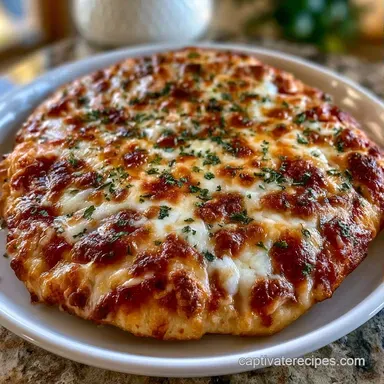
Cheese Flatbread Pizza Recipe: Crispy and Cheesy
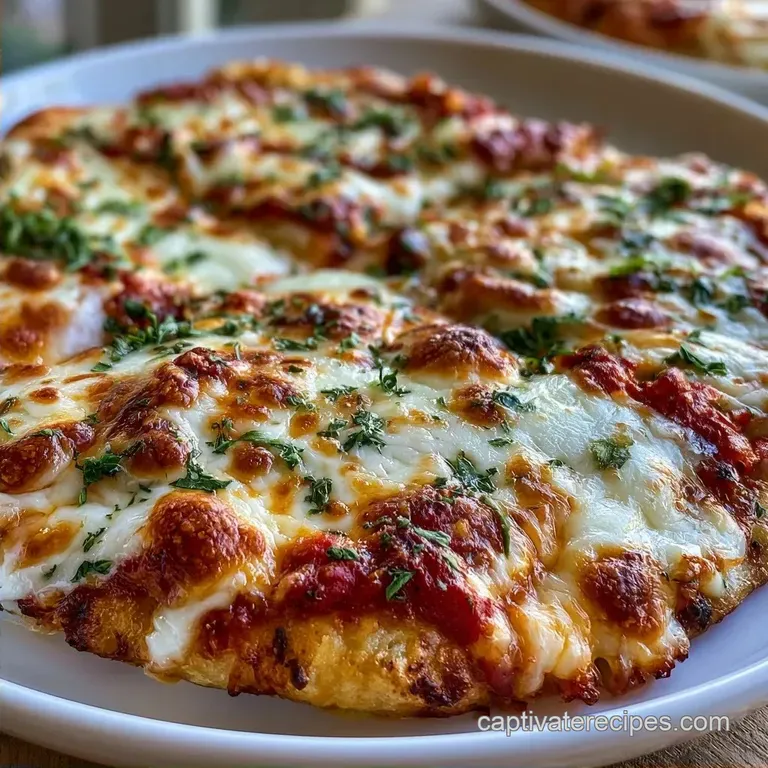
- Time: 10 min active + 12 min bake
- Flavor/Texture Hook: Crisp, charred edges with a soft, cheesy center
- Perfect for: Fast weeknight dinners or a low budget crowd pleaser
Ever wonder why some pizzas feel like a heavy brick in your stomach while others just snap? I used to think you needed a professional oven and three days of fermenting dough to get that specific crunch. Honestly, I spent way too much money on delivery because I didn't think my home oven could do it.
Then I realized that for a casual dinner, you don't need a complex process. You just need high heat and a dough that doesn't fight you. Making this Cheese Flatbread Pizza Recipe is more about the temperature than the technique, which is great news for anyone who hates spending hours in the kitchen.
You can expect a crust that browns in about 10 minutes and cheese that bubbles up into those little brown spots we all love. It's a budget friendly meal that uses basic pantry staples, but it feels like something you'd pay $15 for at a bistro.
Cheese Flatbread Pizza Recipe
The trick to this version is skipping the yeast. By using baking powder, we get an immediate lift. This means no rising time and no stress about whether your yeast is actually alive or just a powder of disappointment. It's a reliable method that works every single time.
Right then, the most important part is the heat. We're cranking the oven to 450°F to mimic a pizza stone. This high temp shocks the dough, creating those tiny air bubbles and a crisp bottom. If you go lower, you just get a soggy biscuit, and nobody wants that.
I usually make this when my kids are starving and I'm not in the mood for a project. It's a comfort meal that doesn't require a lot of cleanup. Since we're using a baking sheet and parchment paper, you basically just toss the paper when you're done.
Reasons This Recipe Works
- Baking Powder: This provides the lift instantly, so the crust stays airy without needing to proof for hours.
- High Heat: 450°F browns the dough quickly and chars the cheese before the crust dries out.
- Low Moisture Cheese: Using low moisture mozzarella prevents the sauce from becoming a watery mess on your pan.
Let's look at how this compares to the long process pizzas you see in fancy shops.
| Feature | Fast Flatbread | Classic Yeast Pizza |
|---|---|---|
| Wait Time | 0 mins | 2-24 hours |
| Crust Texture | Crisp and snappy | Chewy and airy |
| Effort Level | Low/Easy | Medium/High |
Quick Recipe Specs
For this to work, you need to hit a few numeric markers. First, the oven must be at 450°F (230°C) before the dough goes in. Second, roll your dough to exactly 1/4 inch thickness. Any thicker and the middle stays doughy; any thinner and it becomes a cracker.
Finally, stick to the 10-12 minute bake time.
If you're looking for a specific result, use this shortcut: If you want more crunch, brush the bottom of the dough with a bit of oil. If you want a softer chew, leave the dough at 1/3 inch thickness. If you want a charred look, place the tray on the highest rack for the last 2 minutes.
Required Ingredients
I've kept this list simple and cheap. All purpose flour is the way to go here because it has enough protein to hold the shape but isn't as tough as bread flour.
Dough Base 2 cups (250g) all purpose flour Why this? Standard pantry staple that creates a soft, reliable crust 1 tsp (5g) baking powder Why this? Creates an instant rise without yeast ½ tsp (3g) salt Why
This? Tightens the gluten and adds basic flavor ¾ cup (180ml) warm water Why this? Helps the flour hydrate faster for a smooth dough 2 tbsp (30ml) olive oil Why this? Adds richness and prevents sticking
Toppings ½ cup (120ml) thick pizza sauce Why this? Thick sauce prevents a soggy crust 2 cups (225g) shredded low moisture mozzarella cheese Why this? Melts evenly without releasing too much water ¼ cup (25g) freshly grated
Parmesan cheese Why this? Adds a salty, nutty punch 1 tbsp (15ml) extra virgin olive oil Why this? For brushing the edges for a golden finish 1 tsp (2g) dried oregano Why this? Classic herbal aroma Fresh basil leaves
Why this? Adds a fresh, peppery contrast after baking
Essential Kitchen Tools
You don't need any fancy gear for this. A large mixing bowl and a sturdy spatula are the basics. I prefer using a rolling pin to get the dough even, but a wine bottle or a smooth glass works just as well if you're in a pinch.
The most important tool is a large baking sheet and a roll of parchment paper. The paper is non negotiable. It stops the dough from sticking and makes it so you can slide the pizzas off the tray in seconds.
If you have a pizza stone, you can use it, but a standard tray actually works better for this specific flatbread style.
Putting It All Together
- Whisk the flour, baking powder, and salt in a large bowl. Stir in the warm water and 2 tbsp of olive oil until a shaggy dough forms.
- Knead the dough on a floured surface for 2 minutes until it feels smooth and slightly silky. Divide it into two equal balls.
- Preheat your oven to 450°F (230°C) and line your baking sheet with parchment paper.
- Roll each dough ball into an oval shape about ¼ inch (6mm) thick. Note: Keep it even so it cooks at the same rate
- Brush the edges of the dough with the extra virgin olive oil.
- Spread ¼ cup of sauce over each base, leaving a ½ inch border.
- Top evenly with the mozzarella, Parmesan, and dried oregano.
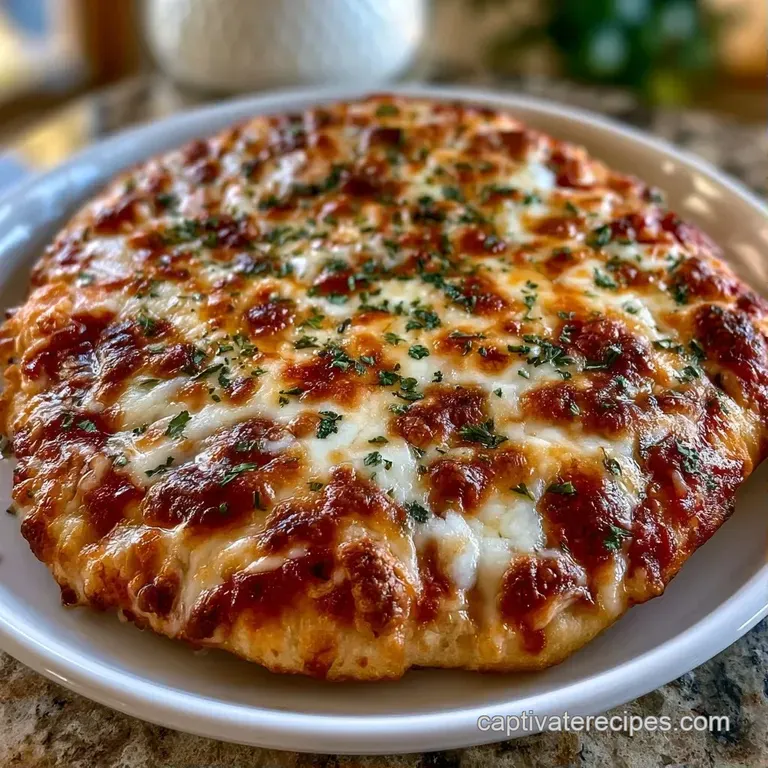
- Bake on the center rack for 10-12 minutes until the edges are deep golden brown and the cheese is bubbling.
- Remove from oven and top with fresh basil leaves immediately.
Troubleshooting Guide
Even with a simple Cheese Flatbread Pizza Recipe, things can go sideways. Usually, it's a temperature or moisture issue. If your crust is too pale, your oven probably didn't reach 450°F before you put the tray in.
The most common complaint is the "soggy middle." This usually happens if you use too much sauce or if your cheese has too much moisture. Stick to the measurements and use low moisture mozzarella to avoid this.
Soggy Center Fixes
If the middle feels undercooked, it's usually due to sauce overload. Try using a thicker paste or pre reducing your sauce.
Burnt Bottom Fixes
If the bottom burns before the cheese melts, move your rack up one level. You can also put a second baking sheet underneath the first one to insulate the heat.
Sticky Dough Fixes
When the dough clings to your hands, you just need a bit more flour. Dust your surface every few minutes during the kneading process.
| Problem | Root Cause | Solution |
|---|---|---|
| Dough doesn't rise | Expired baking powder | Test powder in hot water; it should bubble |
| Cheese is oily | Used fresh mozzarella | Swap for low moisture shredded mozzarella |
| Crust is too hard | Over kneaded dough | Knead only until smooth, then stop |
Variations And Substitutions
Depending on what's in your fridge, you can easily tweak this. If you don't have pizza sauce, you can use my easy pizza sauce for a quick alternative. For a more traditional vibe, check out this Italian flatbread pizza for inspiration on toppings.
If you're watching your carbs, you can try a Keto Cottage Cheese Base by blending cottage cheese with an egg and mozzarella, then baking it first before adding toppings. It's a different texture but very satisfying. For a dairy-free option, cashew based mozzarella works well, though it doesn't brown as deeply.
| Original Ingredient | Substitute | Why It Works |
|---|---|---|
| All Purpose Flour | Whole Wheat Flour | Adds nuttiness. Note: Dough will be denser and need 1-2 tbsp more water |
| Mozzarella | Provolone | Similar melt. Note: Stronger, sharper flavor profile |
| Olive Oil | Melted Butter | Richer taste. Note: Browns faster, so watch the edges closely |
Storage And Zero Waste
If you have leftovers, don't microwave them. Microwaves make flatbread rubbery. Instead, pop the slices back in a 350°F oven for 5 minutes or use a dry skillet over medium heat. This brings back that original snap.
Store leftovers in an airtight container in the fridge for up to 3 days. You can also freeze the baked crusts without toppings for a month. Just thaw them in the fridge overnight and top them before baking.
To avoid waste, use any leftover pizza sauce as a dip for veggie sticks. If you have extra Parmesan rinds, throw them into your next pot of soup to add a deep, salty richness. It's a small trick that makes a huge difference in flavor.
Suggested Side Pairings
Since this is a rich, cheesy meal, you need something to cut through the fat. A simple arugula salad with lemon vinaigrette is my go to. The bitterness of the greens and the acidity of the lemon balance the mozzarella perfectly.
If you're feeding a crowd, a platter of roasted garlic broccoli or some spicy chicken wings works well. For something lighter, sliced cucumbers with a splash of rice vinegar and sesame seeds provide a refreshing crunch that cleanses the palate between slices of your Cheese Flatbread Pizza Recipe.
CRITICAL: Very High in Sodium
1350 mg 1350 mg of sodium per serving (59% 59% of daily value)
The American Heart Association recommends a daily sodium limit of no more than 2,300 mg, with an ideal limit of 1,500 mg for most adults to reduce the risk of cardiovascular disease.
Tips to Reduce Sodium in Your Pizza
-
Reduce Added Salt-25%
Completely omit or reduce the ½ tsp of salt in the dough; the cheese and sauce provide plenty of saltiness.
-
Low-Sodium Sauce-20%
Substitute the thick pizza sauce for a no-salt added tomato puree and season it yourself with garlic and herbs.
-
Swap the Mozzarella-15%
Replace shredded low-moisture mozzarella with fresh mozzarella pearls or slices, which generally contain less sodium.
-
Limit the Parmesan-15%
Reduce the amount of grated Parmesan or substitute it with nutritional yeast for a similar salty, nutty flavor.
-
Enhance with Herbs
Double the amount of dried oregano and fresh basil to add depth of flavor without adding any sodium.
Recipe FAQs
How do flatbread and pizza differ?
Flatbreads are thinner and use a quicker dough. While traditional pizza usually requires yeast and a long rise, this flatbread uses baking powder for a fast, crisp result.
How to make flatbread pizza dough without yeast?
Whisk together flour, baking powder, and salt. Stir in warm water and olive oil, knead for two minutes, and roll into ovals. If you enjoyed mastering dough handling here, see how we adapt similar shaping techniques for our burger patty.
Can you use pita bread as a pizza base?
Yes, pita is a great shortcut. It provides a similar thin, sturdy texture to this dough, though you'll miss the fresh baked aroma of the homemade version.
What should I add to pizza dough for more flavor?
Increase the olive oil slightly. Since this is a simple unleavened dough, a small amount of extra oil adds richness to the base without ruining the texture.
What are the best ingredients for Italian pizza?
Combine low-moisture mozzarella and grated Parmesan. This pairing ensures the cheese bubbles and browns without releasing too much water onto the crust.
Does oregano belong only in pizza sauce?
No, it works well as a dry topping. Sprinkle it directly over the cheese before baking to add a concentrated, aromatic layer of flavor.
Is it true that yeast is required for a flatbread crust?
No, this is a common misconception. Baking powder provides the necessary lift for a soft yet crisp crust in a fraction of the time.
Cheese Flatbread Pizza Recipe