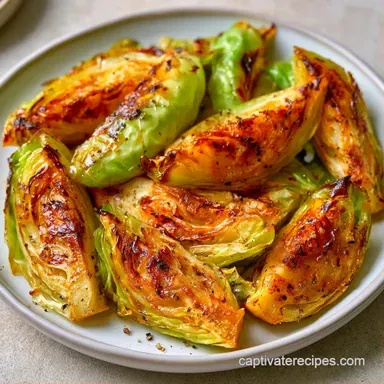
Crispy Roasted Cabbage with Garlic
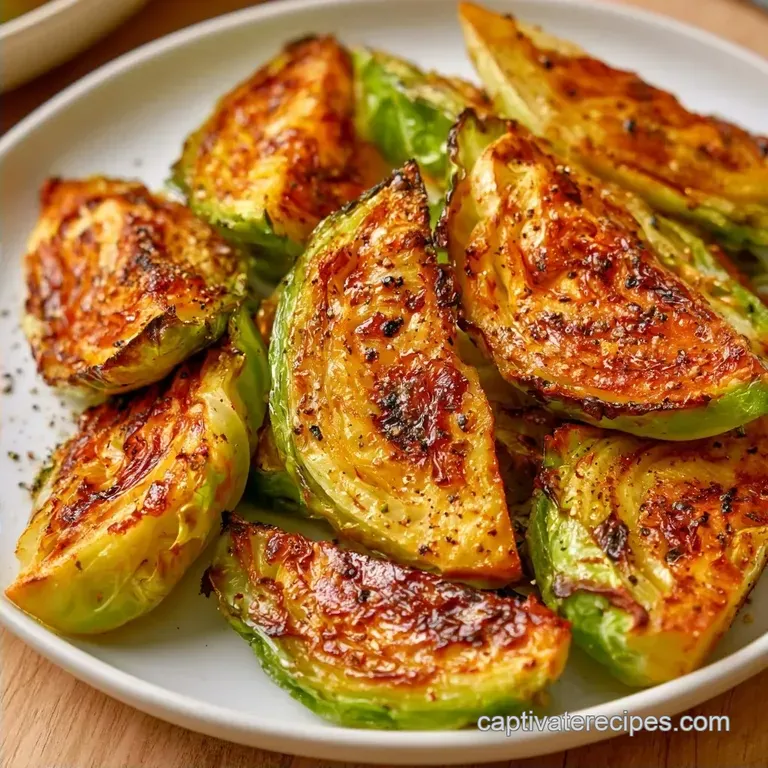
- Time: 10 min active + 35 min roasting
- Flavor/Texture Hook: Mahogany colored charred edges with a silky center
- Perfect for: A budget-friendly weeknight side that tastes expensive
- Simple and Crispy Roasted Cabbage
- Quick Recipe Specs
- Why These Results Happen
- Ingredient Deep Dive
- Basic Kitchen Tools
- Step-by-Step Instructions
- What Nobody Tells You
- Fixes and Troubleshooting
- Adjusting the Batch Size
- Common Kitchen Myths
- Storage and Reheating Guide
- Tasty Flavor Variations
- Best Ways to Serve
- Recipe FAQs
- 📝 Recipe Card
Simple and Crispy Roasted Cabbage
Many of us grew up dreading the scent of boiling cabbage that pungent, sulfurous aroma that seems to linger in the fabric of the house. However, roasting it completely changes the experience. Rather than the usual mushy texture, you get nutty, caramelized wedges that feel more like a gourmet bistro side dish.
Green cabbage is the star of this recipe. While it is often dismissed as a humble, budget friendly vegetable, its high sugar content transforms beautifully under high heat. Unlike other greens that simply wilt away, cabbage maintains its structure, allowing the edges to crisp up while the center becomes tender and buttery.
The resulting dish offers a sophisticated balance of flavors: a hint of bitterness from the char, deep sweetness from the caramelized leaves, and a bright, acidic finish from the lemon juice. It is a simple, reliable recipe that comes together in a single pan.
Quick Recipe Specs
Perfect for anyone wanting a flavorful win without spending an hour at the stove, this approach uses a high heat sear and a quick acid finish to create depth.
For the best results, focus on these three key points: the oven should be exactly 400°F (200°C), the initial roast must reach 15 minutes before you flip, and the final roast should take 15-20 minutes until the edges are nearly burnt.
Why These Results Happen
- High Heat: 400°F triggers the browning of natural sugars, creating a savory crust.
- Core Stability: Leaving the core intact keeps the wedges from falling apart during the flip.
- Acidic Finish: Adding lemon juice at the end cuts through the olive oil and brightens the deep, charred flavors.
| Method | Time | Texture | Best For |
|---|---|---|---|
| Boiling | 15 mins | Soft and watery | Colcannon or Stews |
| Sautéing | 10 mins | Tender crisp | Quick stir frys |
| Roasting | 35 mins | Charred and buttery | Center stage side dishes |
Ingredient Deep Dive
The ingredients here are basic, but they each play a specific role in making Roasted Cabbage taste complex rather than plain.
| Ingredient | Role | If You Don't Have It |
|---|---|---|
| Green Cabbage | Main body and sugar source | Savoy cabbage (more crinkled) |
| Olive Oil | Heat conductor for browning | Avocado oil or Grapeseed oil |
| Garlic Powder | Savory, toasted baseline | Onion powder or smoked paprika |
| Lemon Juice | Brightness and balance | Apple cider vinegar |
For the Cabbage
- 1 head (approx. 2 lbs / 900g) Green Cabbage, cut into 8 wedges Why this? It's the most reliable variety for charring
- 3 tbsp (45ml) Olive Oil Why this? High enough smoke point for 400°F
- 1 tsp (6g) Kosher Salt
- ½ tsp (3g) Coarse Black Pepper
- ½ tsp (3g) Garlic Powder
For the Finishing Touch
- 1 tbsp (15ml) Fresh Lemon Juice or Apple Cider Vinegar Why this? Wakes up the caramelized sugars
- 2 tbsp (15g) Fresh Parsley, chopped
Basic Kitchen Tools
Minimal equipment is required for this recipe. A large mixing bowl for tossing the wedges and a standard rimmed baking sheet are the only must haves. I recommend lining your pan with parchment paper or a silicone mat to prevent sticking and make cleanup effortless.
If you're working with a particularly large head of cabbage, you may need two baking sheets. The golden rule is to give the wedges plenty of space. If they are crowded together, they'll steam instead of roasting, and you won't get those desired crispy edges.
Step-by-step Instructions
1. Preparing the Wedges
Set your oven to 400°F (200°C). Slice the cabbage into 8 equal wedges, ensuring the core remains intact so the pieces stay together. In a large mixing bowl, toss the wedges with olive oil, salt, pepper, and garlic powder until they are well coated and glistening.
2. The Searing Roast
Place the cabbage wedges on a baking tray in a single layer, leaving space between each piece. Roast for 15 minutes, then flip them over. Continue baking for another 15-20 minutes until the edges are nearly charred and a deep mahogany color is achieved.
3. The Acidic Finish
Remove the tray from the oven. While the roasted cabbage is still sizzling, immediately drizzle the vinegar or lemon juice over the wedges and garnish with fresh parsley. The residual heat helps the acidity penetrate the leaves quickly.
What Nobody Tells You
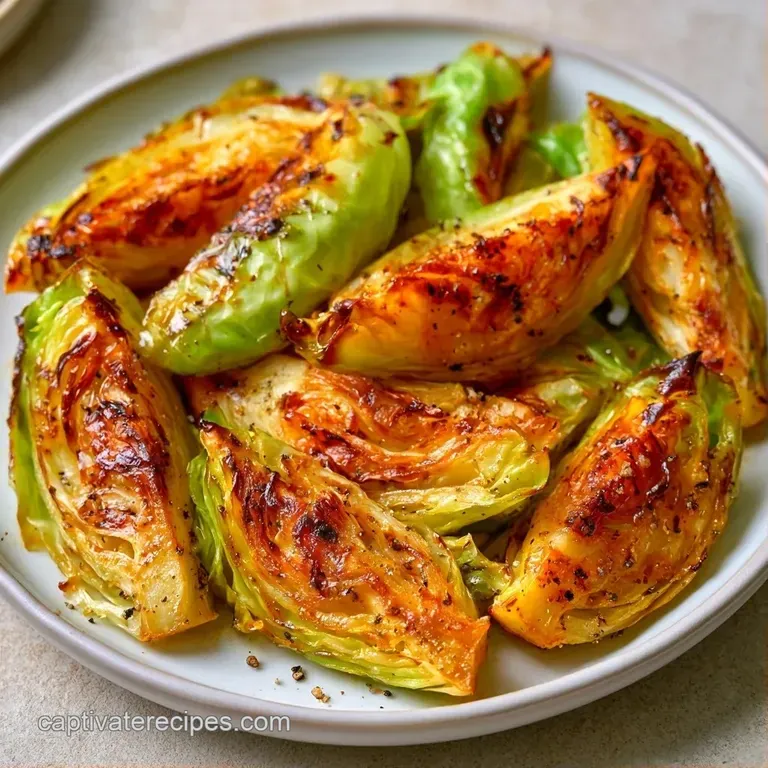
Most people think you need to blanch cabbage before roasting it to make sure it's cooked through. That's a waste of time. At 400°F, the heat penetrates the dense core and the outer leaves at a rate that allows the outside to brown just as the inside softens.
The real trick is the "sizzle window." When the cabbage comes out of the oven, it's at its hottest. Adding the lemon juice right then creates a slight steam effect that pushes the acidity into the caramelized crust. This is what makes Roasted Cabbage taste like it came from a professional kitchen.
Fixes and Troubleshooting
If the cabbage stays pale, your pan might be too crowded or the oven is running cold. When wedges are placed too close together, they release moisture that creates steam, which blocks browning and makes the cabbage feel steamed.
Another issue is the "burnt edge, raw core" effect. This usually occurs if the pieces are cut too thin or if there are hot spots in the oven. Checking the core temperature with a meat thermometer (aiming for 180°F) can help, but consistent slicing is typically the best fix.
| Problem | Root Cause | Solution |
|---|---|---|
| Mushy texture | Overcrowded baking sheet | Spread across two pans for more space |
| Pale, no char | Insufficient oven heat | Confirm 400°F with a thermometer |
| Burnt edges | Cut too thin/High heat | Slice wedges thicker or lower to 375°F |
Adjusting the Batch Size
Scaling Roasted Cabbage is pretty straightforward, but don't just multiply everything blindly.
- For a smaller batch (½ cabbage): Use a smaller sheet pan and check for doneness 5 minutes early. The smaller volume of vegetables means the oven air circulates more freely, which can speed up the browning.
- For a larger batch (2-3 heads): Work in batches. If you pile three heads of cabbage on one tray, you'll end up with a soggy mess. Also, only increase the salt and garlic powder to 1.5x; full doubling often makes the seasoning too intense.
Common Kitchen Myths
Searing meat or vegetables does not "seal in juices." It's a common belief, but moisture loss happens regardless of how you start the cook. The char on Roasted Cabbage is about creating new flavor compounds, not keeping water inside the leaves.
Some claim you must use a specific "roasting cabbage" variety. While Savoy is great, standard green cabbage is actually superior for this method because its tighter leaves hold the oil better, leading to a more consistent crust.
Storage and Reheating Guide
Keep remaining portions in a glass dish in the fridge for a maximum of 4 days. Ensure they are tightly sealed so the edges don't harden or dry out.
When reheating, skip the microwave, as it turns the cabbage rubbery and ruins the texture. Instead, place the wedges in an air fryer or a 350°F oven for 5-7 minutes. This restores the crispness without overdoing the middle.
To minimize waste, save those tough outer leaves that didn't make the cut. Place them in a freezer bag along with other vegetable trimmings to simmer into a stock later.
Tasty Flavor Variations
If you want to switch things up, you can change the seasoning profile easily. For a more savory, umami version, swap the garlic powder for a tablespoon of miso paste mixed into the oil. This creates a deeper, saltier crust that pairs well with grains.
For those who like a bit of heat, add a pinch of red pepper flakes to the oil. This Roasted Cabbage variation is great if you're serving it alongside something mild. If you're looking for a different side dish entirely, this pairs well with sauteed mushrooms for a full vegetable platter.
The Nutty Twist
Add 2 tablespoons of grated Parmesan cheese during the last 5 minutes of roasting. The cheese melts and crisps into the cabbage leaves, adding a salty punch.
The Sweet and Sour
Substitute the lemon juice with a mixture of maple syrup and apple cider vinegar. This Roasted Cabbage version leans into the natural sweetness of the vegetable.
Vegan and Nut Free
This recipe is already vegan and nut free. To keep it that way, just ensure your vinegar is a simple distilled variety.
Best Ways to Serve
Roasted Cabbage is versatile enough to be a side or a main. I love serving it as a base for a bowl, topped with a dollop of Greek yogurt or tahini sauce. The creaminess of the sauce against the charred leaves is a great contrast.
If you're hosting a bigger dinner, this goes well next to an easy lasagna to add some freshness to a heavy meal. You can also serve it with a piece of grilled salmon or a roast chicken.
For a final touch, a sprinkle of toasted sesame seeds or a drizzle of toasted sesame oil can give it an Asian inspired feel. Just remember to add the fresh parsley at the very end to keep the color bright.
- For more char
- Roast 5 mins longer.
- For softer centers
- Cut wedges thinner.
- For a tangier kick
- Use 2 tbsp vinegar.
Right then, you've got everything you need to make a tray of Roasted Cabbage that actually tastes great. Give it a go and stop boiling your greens.
Recipe FAQs
How do I roast cabbage in the oven?
Preheat your oven to 400°F (200°C) and cut the cabbage into 8 wedges. Toss with olive oil, salt, pepper, and garlic powder, roast for 35 minutes, flip, and roast for another 15-20 minutes.
What temperature is best for roasting?
400°F (200°C) is the ideal heat. This ensures the edges achieve a deep mahogany char while the interior becomes tender.
Which proteins pair well with these wedges?
Smoked sausage or roast chicken are perfect pairings. If you enjoyed the savory depth of this side, see how that same profile works in our chicken gravy.
Is it true that cabbage must be parboiled before roasting?
Actually, no. Roasting at 400°F with the core intact allows the cabbage to soften naturally without losing its structure or flavor.
Roasted Cabbage Wedges