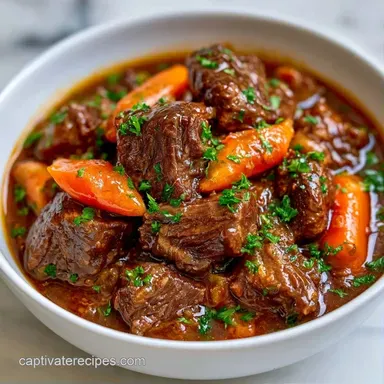
Slow Cooker Kentucky Burgoo: Hearty and Rich
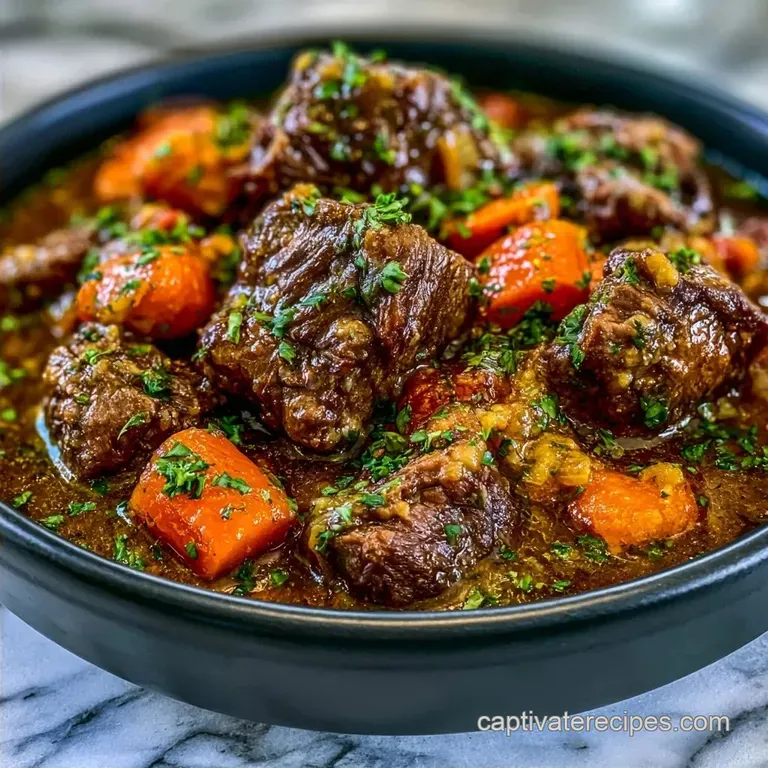
- Time:30 minutes active + 8 hours cooking = Total 8 hours 30 mins
- Flavor/Texture Hook: Thick, savory broth with fork tender meats
- Perfect for: Family reunions, chilly weekends, or budget-friendly meal prep
I remember the first time I tried to make a traditional burgoo for a family get together. I thought I could just throw everything in a pot and walk away, but the result was a watery mess that tasted like boiled meat. I had completely ignored the browning stage, and it showed.
The house smelled okay, but the flavor was flat and missing that signature deep, mahogany richness you only get when you actually take the time to sear the proteins.
Since then, I've learned that the real magic happens in the skillet before the slow cooker even enters the picture. When you get that dark crust on the beef and pork, you're creating a base of flavor that anchors the whole dish. It turns a simple stew into something that feels substantial and grounding.
This Slow Cooker Kentucky Burgoo is designed for the home cook who wants a reliable, budget friendly meal without spending the whole day standing over a stove. It's a "set it and forget it" kind of dish, but with a few smart shortcuts that make it taste like it's been simmering for days.
We're using affordable cuts of meat that actually benefit from the long cook time, turning tough fibers into something that practically melts in your mouth.
Making a Slow Cooker Kentucky Burgoo
The key to this recipe is the mix of meats. Using just one protein makes it a stew, but using three makes it a burgoo. I've found that the combination of beef chuck, pork shoulder, and chicken thighs provides a layered savoriness that you just can't get any other way.
The beef gives it weight, the pork adds sweetness, and the chicken rounds everything out with a silky texture.
When you're prepping, don't be tempted to buy "pre cut stew meat." It's often a mix of random scraps that cook at different rates. Instead, buy the whole chuck roast and shoulder and cut them into consistent 1 inch cubes.
This ensures that every bite has a similar texture and no piece of meat ends up overcooked or tough. It's a small extra step that makes a huge difference in the final result.
Right then, let's talk about the vegetables. I use gold potatoes because they hold their shape much better than russets, which tend to disintegrate and turn the stew into a mushy paste. You want some of those potatoes to soften and thicken the broth, but you still want to see a distinct cube on the spoon.
It's all about that balance between a thick, velvety sauce and distinct, hearty chunks of food.
The Secret to Success
I've spent a lot of time wondering why some stews feel "thin" even when they look thick. It usually comes down to how the ingredients interact over several hours of heat. In this recipe, we aren't using a flour roux, which can sometimes make a slow cooker meal feel gummy or heavy.
Instead, we rely on natural starches and slow reduction.
Collagen Breakdown: The low heat over 8 hours transforms the tough connective tissue in beef chuck and pork shoulder into gelatin, which gives the broth a silky, lip smacking quality.
Starch Release: As the gold potatoes simmer, they release small amounts of starch into the liquid, naturally thickening the base without needing extra thickeners.
The Fond Effect: Searing the meat creates brown bits in the pan, which provide a concentrated burst of umami that distributes throughout the entire pot.
Aromatic Layering: Starting with a base of onion, celery, and carrots creates a flavor foundation that prevents the heavy meats from feeling too overwhelming.
Acid Balance: The diced tomatoes and Worcestershire sauce provide a necessary tang that cuts through the richness of the pork and beef.
| Method | Time | Texture | Best For |
|---|---|---|---|
| Slow Cooker | 8 hours | Velvety & Tender | Budget meal prep |
| Stovetop | 3 hours | Hearty & Chunky | Same day dinner |
| Oven Dutch Oven | 4 hours | Rich & Concentrated | Special occasions |
Component Analysis
Understanding what each part of this dish actually does helps you make better decisions when you're staring at your pantry. This isn't just a random pile of ingredients, it's a system designed to build depth. For those interested in the nutritional profile of these proteins, the USDA FoodData provides a great breakdown of how different cuts of meat contribute to a meal's overall value.
| Ingredient | Science Role | Pro Secret |
|---|---|---|
| Beef Chuck | Collagen Source | Cut into 1 inch cubes for even cooking |
| Gold Potatoes | Natural Thickener | Keep skins on for more texture |
| Tomato Paste | Flavor Concentrator | Sear it briefly for more sweetness |
| Beef Broth | Liquid Medium | Use low sodium to control the salt |
Gathering Your Essentials
When you're shopping for this, remember that we're going for budget smart. You don't need the most expensive cuts of meat because the slow cooker does the hard work for you. In fact, the cheaper, tougher cuts are actually better here because they have more connective tissue, which leads to a richer sauce.
The Proteins
- 1 lb beef chuck, cubedWhy this? High collagen for a silky broth
- 1 lb pork shoulder, cubedWhy this? Adds a rich, fatty sweetness
- 1 lb boneless, skinless chicken thighs, cubedWhy this? Stays moist during long cooks
The Garden Base
- 2 cups carrots, sliced into roundsWhy this? Adds earthy sweetness
- 2 cups celery, choppedWhy this? Essential aromatic base
- 1 large yellow onion, dicedWhy this? Foundations of flavor
- 2 cups gold potatoes, cubedWhy this? Thickens without dissolving
- 1 cup frozen peasWhy this? Adds a pop of color and freshness
The Flavor Infusion
- 1 can (14.5oz) diced tomatoes, fire roastedWhy this? Smoky depth
- 4 cups low sodium beef brothWhy this? Base liquid for simmering
- 2 tbsp tomato pasteWhy this? Adds body and color
- 1 tbsp Worcestershire sauceWhy this? Instant umami boost
- 1 tsp smoked paprikaWhy this? Mimics a slow fire pit
- 1 tsp dried thymeWhy this? Classic herb pairing for beef
- 2 bay leavesWhy this? Adds a subtle floral note
- 2 tbsp olive oilWhy this? For searing the meat
- salt to taste
- black pepper to taste
If you find yourself without beef broth, you can easily make your own homemade soup stock to give this dish an even more professional edge.
| Original Ingredient | Substitute | Why It Works |
|---|---|---|
| Beef Chuck (1 lb) | Beef Stew Meat (1 lb) | Similar flavor. Note: May cook unevenly if cuts are inconsistent |
| Pork Shoulder (1 lb) | Pork Loin (1 lb) | Leaner protein. Note: Less richness, can become dry |
| Chicken Thighs (1 lb) | Chicken Breast (1 lb) | Leaner. Note: Add in the last 2 hours to avoid shredding |
| Gold Potatoes (2 cups) | Red Potatoes (2 cups) | Similar waxy texture. Note: Holds shape well |
I've noticed that some people try to use low-fat broth or lean meats to "health up" a burgoo, but honestly, don't even bother. The fat is where the flavor lives in a slow cooker meal. If you want to lighten it up, just skim the fat off the top with a spoon before serving.
Equipment Needed
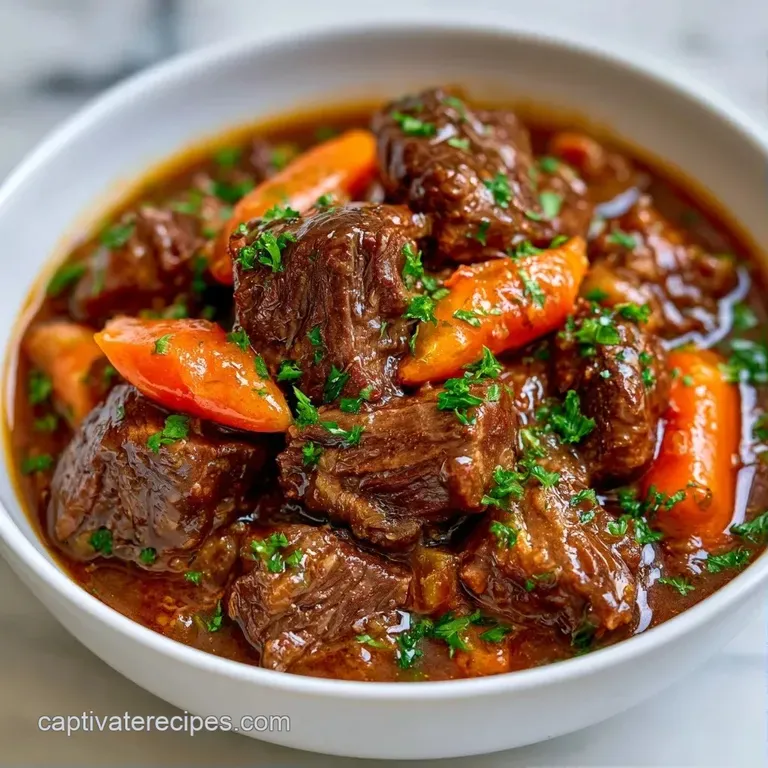
You don't need a fancy kitchen to pull this off, but a few specific tools make the process much smoother. I prefer a 6 quart slow cooker; anything smaller and you'll be fighting for space, which prevents the heat from circulating evenly. If you have a multi cooker, the "Slow Cook" setting works perfectly.
A heavy bottomed skillet is non negotiable. I use a cast iron or stainless steel pan because they can handle the high heat needed for searing without warping. If you use a non stick pan, you won't get as much of that brown fond on the bottom, which means you're leaving a lot of flavor behind.
Finally, a good set of tongs and a sturdy wooden spoon are your best friends here. You'll be moving a lot of meat and stirring a thick stew, so you want tools that can handle the weight.
Step-by-step Instructions
Let's crack on. The first few steps are the most important for flavor, so don't rush the searing process.
- Heat the olive oil in a skillet over medium high heat. Brown the beef and pork in batches until a dark, mahogany crust forms on all sides. Note: Overcrowding the pan will steam the meat instead of searing it.
- In the same pan, quickly sear the chicken thighs until golden. Remove the meat and set aside.
- Use a splash of beef broth to deglaze the pan, scraping up all the brown bits (the fond), and pour that liquid into the slow cooker. Note: This is where the most intense flavor lives.
- Transfer all seared meats into the slow cooker. Stir in the diced onion, chopped celery, sliced carrots, and cubed potatoes.
- Add the tomato paste, Worcestershire sauce, smoked paprika, thyme, and bay leaves to the pot.
- Pour in the low sodium beef broth and diced tomatoes. Stir to combine.
- Cover and cook on Low for 7–8 hours (or High for 4 hours) until the meats are fork tender.
- Stir in the frozen peas 15 minutes before serving until they are bright green and warmed through.
- Remove the bay leaves and adjust salt and pepper to taste.
For the best results, let the stew sit for about 10 minutes after turning off the heat. This allows the liquid to settle and the flavors to meld together one last time.
Common Issues and Fixes
Even with a reliable recipe, things can go sideways. Usually, it's a matter of liquid ratios or heat timing. If your stew feels a bit off, don't panic, it's almost always an easy fix.
The Broth is Too Thin
If your Slow Cooker Kentucky Burgoo looks more like a soup than a stew, you probably had too much liquid or your potatoes weren't starchy enough. A quick fix is to take a potato masher or a fork and crush a few of the potato cubes directly against the side of the pot.
Stir them back in, and the released starch will thicken the sauce in about 20 minutes.
The Meat is Too Chunky
Sometimes the beef can feel "rubbery" if it hasn't hit that magic temperature where the collagen melts. If the meat isn't breaking apart easily, just give it another hour on low. Trust me on this, the difference between 7 and 8 hours can be the difference between "okay" and "velvety."
The Flavor is Bland
If it tastes like it's missing "something," you likely need acid or salt. Add a teaspoon of apple cider vinegar or a squeeze of lemon juice right at the end. This wakes up all the other flavors and cuts through the heavy fats of the pork and beef.
| Problem | Root Cause | Solution |
|---|---|---|
| Watery consistency | Not enough starch release | Mash 3-4 potato cubes into the broth |
| Meat is tough | Undercooked proteins | Simmer for an additional 60 minutes |
| Bitter taste | Burnt tomato paste | Balance with a pinch of brown sugar |
Common Mistakes Checklist
- ✓ Did you brown the meat in batches? (Preventing steaming)
- ✓ Did you deglaze the pan? (Capturing the fond)
- ✓ Did you use gold potatoes? (Preventing mushiness)
- ✓ Did you add the peas at the very end? (Preventing gray peas)
- ✓ Did you remove the bay leaves before serving? (Avoiding "leaf surprises")
Ways to Mix It Up
One of the best things about this dish is how flexible it is. Once you have the base down, you can tweak it to fit what's in your fridge. I often add a handful of sauteed mushrooms toward the end to add an extra layer of earthiness and depth.
For those who want a smokier profile, you can swap the beef broth for a mixture of beef broth and a tablespoon of liquid smoke. Or, if you have leftover smoked brisket, throw some of that in with the beef chuck. It gives the whole pot a "cooked over a campfire" vibe that is absolutely brilliant.
If you're looking for a lighter version, you can increase the ratio of carrots and celery while reducing the pork shoulder. You'll still get the hearty feel, but it won't feel quite as heavy on the stomach. Some people also like to add a diced bell pepper to the garden base for a bit of sweetness and color.
Freezing and Reheating Guide
This recipe is a meal prep dream because it actually tastes better the next day. The flavors have more time to soak into the meat, and the broth thickens naturally in the fridge.
In the Fridge Store leftovers in an airtight container for up to 4 days. The stew will thicken significantly as it cools, which is normal.
In the Freezer You can freeze this for up to 3 months. I recommend freezing it in individual portions using freezer safe bags or containers. Let the stew cool completely before freezing to prevent ice crystals from forming, which can make the vegetables mushy.
Reheating For the best texture, reheat on the stovetop over medium low heat. Add a splash of water or beef broth if it has become too thick. If you're using a microwave, heat in 2 minute intervals and stir in between to ensure the center is hot without overcooking the edges.
Perfect Side Pairings
Since this is such a heavy, savory dish, you want sides that provide contrast. I always go for something with a bit of tang or a fluffy texture to soak up that velvety sauce.
Cornbread is the absolute gold standard here. A slightly sweet, honey glazed cornbread balances the saltiness of the burgoo perfectly. If you don't have time for baking, a simple side of buttered collard greens or a crisp, vinegary coleslaw provides the acidity needed to refresh your palate between bites.
For a more modern twist, try serving a scoop of the stew over a bed of creamy polenta or mashed cauliflower. It turns the meal into something that feels a bit more plated while keeping the comfort food soul of the original recipe.
And don't forget a big dollop of sour cream on top if you want to add a bit of cool, creamy contrast to the heat.
Recipe FAQs
What's the best cut of meat for burgoo?
Beef chuck, pork shoulder, and boneless chicken thighs. These cuts contain the necessary fat and connective tissue to remain tender and juicy throughout the long slow cooking process.
Is 4 hours on high the same as 8 hours on low in a slow cooker?
Yes, generally. Both settings will cook the meats until they are fork tender, though the lower temperature over a longer period often yields a more tender result.
Why do I need to sear the meat before putting it in the slow cooker?
To develop a deep, mahogany crust. Searing creates complex flavor compounds through the Maillard reaction that cannot be achieved by simmering alone.
Can I skip deglazing the pan with beef broth?
No, this is a common misconception. Deglazing lifts the fond the caramelized brown bits from the bottom of the pan and incorporates that concentrated flavor into the stew.
How to prevent the meat from steaming instead of searing?
Brown the meat in small batches. Overcrowding the skillet drops the pan temperature, which causes the meat to release moisture and steam rather than forming a crust.
When should I add the frozen peas to the pot?
Stir them in during the final 30 minutes of cooking. Adding them too early can cause them to overcook and lose their vibrant green color.
What is the best way to serve this hearty stew?
Pair it with cornbread or crusty rolls. If you enjoy the comfort of slow cooked sides, our creamed corn is an excellent accompaniment.
Slow Cooker Kentucky Burgoo