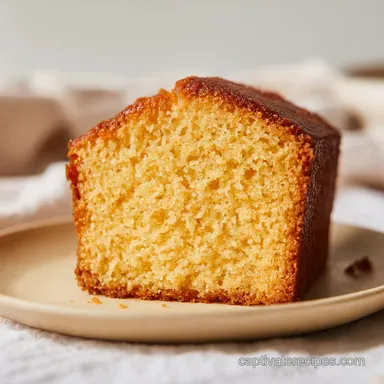
To Die for Buttermilk Pound Cake: Golden and Velvety
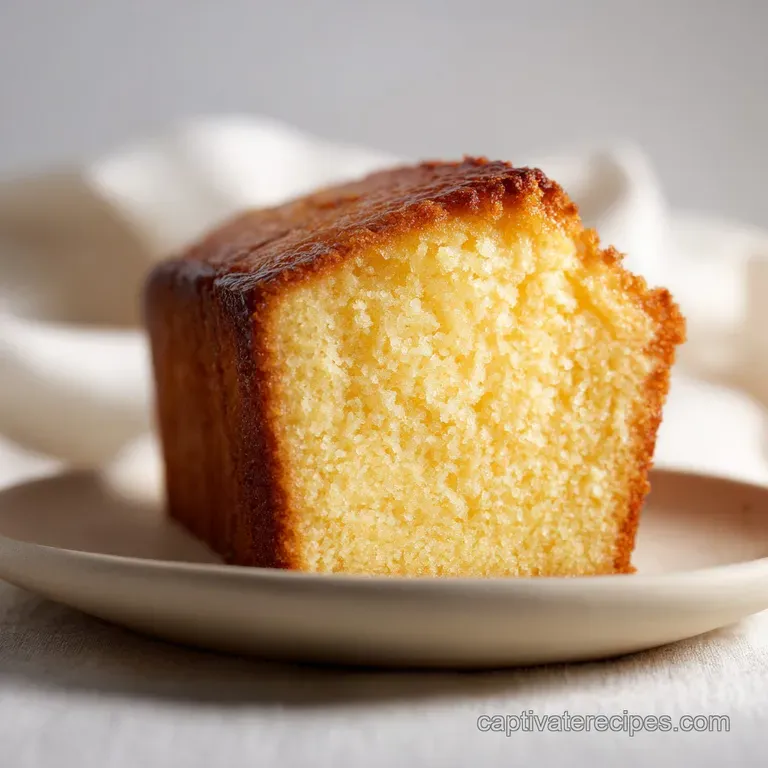
- Time:15 minutes active + 90 minutes baking = Total 130 minutes
- Flavor/Texture Hook: Tangy, buttery, and velvety with a golden crust
- Perfect for: Holiday brunches, afternoon tea, or a showstopper dessert
- To die for buttermilk pound cake
- Why this cake wins
- Component analysis
- Essential shopping list
- Must have kitchen gear
- Easy baking steps
- Fixing common cake issues
- Troubleshooting Common Issues
- Simple ingredient swaps
- Adjusting the batch size
- Kitchen myths debunked
- Preservation secrets
- Making it look gorgeous
- Recipe FAQs
- 📝 Recipe Card
To die for buttermilk pound cake
That scent is what hits you first, right? The smell of browning butter and bright lemon zest filling every single corner of the house. I remember the first time I tried to make a "classic" pound cake for my aunt's birthday, and it came out like a brick. I mean, you could have used it as a doorstop.
I had skipped the room temperature butter rule and just shoved it all in the mixer, thinking it wouldn't matter.
But then I discovered the magic of buttermilk. Switching to a recipe that uses a cultured dairy base completely changed the game for me. It's not just about the flavor, which is this subtle, sophisticated tang, but the way it keeps the cake from drying out.
This to die for buttermilk pound cake is the result of me obsessing over the "velvety" factor until I got it exactly right.
You can expect a cake that has a dense, luxurious feel but doesn't feel heavy on the stomach. It's got that iconic golden brown exterior that almost shatters when you bite into it, leading into a moist, tender center.
Trust me on this, once you taste the difference that full fat buttermilk makes, you'll never go back to plain milk or sour cream versions.
Why this cake wins
When you're baking something this rich, it's not just about throwing things in a bowl. There are a few things happening under the surface that make this specific version work so well. I've spent a lot of time figuring out the "why" behind the texture, and it mostly comes down to how the ingredients play together.
Acid Activation: The buttermilk provides acidity that reacts with the baking powder, creating tiny air bubbles for a lighter lift.
Fat Emulsion: Adding eggs one by one prevents the batter from breaking, which ensures the cake doesn't separate or get greasy.
Tenderizing Effect: The acid in the buttermilk breaks down some of the gluten in the all purpose flour, resulting in a softer, more tender crumb.
Sugar Aeration: Creaming the butter and sugar for a full five minutes traps air, which is the primary way this cake gets its structure.
Since I've tried a few different ways to get that golden crust, I put together this comparison. Most people stick to the oven, but some try a hybrid approach.
| Method | Bake Time | Texture | Best For |
|---|---|---|---|
| Oven (Standard) | 90 minutes | Classic, golden crust, uniform rise | Traditional Bundt shapes |
| Stovetop Steamed | 120 minutes | Extremely moist, pale, pudding like | Texture focused desserts |
| Hybrid (Oven + Water Bath) | 110 minutes | Velvety, no cracks, very pale | Professional grade finish |
If you're looking for a different kind of dessert, you might enjoy a Chocolate Pudding Cake for something more molten and cocoa heavy.
Component analysis
I don't like using the word "chemistry" because baking is more of an art, but knowing what each part does helps you avoid mistakes. For instance, if you use cold buttermilk, you'll see the butter clump up immediately.
| Ingredient | Science Role | Pro Secret |
|---|---|---|
| Full Fat Buttermilk | Tenderizer & Flavor | Use room temperature to avoid batter curdling |
| Unsalted Butter | Structure & Richness | Soften naturally, don't microwave |
| Granulated Sugar | Moisture & Browning | Cream longer than you think you need to |
| Large Eggs | Emulsifier & Lift | Room temp eggs incorporate 100% better |
Essential shopping list
Right then, let's get your groceries sorted. I've listed everything exactly as it should be. Please don't be tempted to use low-fat alternatives here, as they'll ruin the velvety texture we're going for.
- 3 cups (375g) all purpose flour Why this? Balanced protein for a sturdy but soft cake (Substitute: Cake flour for a finer crumb)
- 1/2 tsp (3g) baking powder Why this? Provides the initial lift (Substitute: 1/4 tsp baking soda + 1/4 tsp cream of tartar)
- 1/2 tsp (3g) salt Why this? Cuts through the sugar (Substitute: Fine sea salt)
- 1 cup (225g) unsalted butter, softened Why this? Pure fat for richness (Substitute: European style butter for more flavor)
- 3 cups (600g) granulated sugar Why this? Standard sweetness and browning (Substitute: Caster sugar for a smoother texture)
- 6 large eggs, room temperature Why this? Essential for the emulsion (Substitute: None recommended)
- 1 cup (240ml) full fat buttermilk, room temperature Why this? The hero ingredient for moisture (Substitute: Milk + 1 tbsp lemon juice)
- 2 tsp (10ml) vanilla extract Why this? Classic aroma (Substitute: Almond extract for a nutty twist)
- 1 tbsp (6g) lemon zest Why this? Brightens the heavy butter (Substitute: Orange zest)
- 1 tbsp (15ml) lemon juice Why this? Extra tang (Substitute: Apple cider vinegar)
For those who aren't sure about the buttermilk substitute, according to King Arthur Baking, adding an acid to milk creates a close approximation of the acidity needed for the lift in this recipe.
Must have kitchen gear
You don't need a professional kitchen, but a few things make this way easier. I use a stand mixer such as KitchenAid because creaming butter for five minutes by hand is a workout I'm not interested in.
- 10 cup Bundt pan or 9x5 inch loaf pan
- Stand mixer or handheld electric mixer
- Fine mesh sifter
- Large mixing bowl
- Rubber spatula
- Wire cooling rack
- Digital kitchen scale (for the grams)
Easy baking steps
Let's crack on with the actual baking. Remember, the key to a to die for buttermilk pound cake is patience during the mixing and the cooling phases.
- Preheat your oven to 325°F (163°C). Grease your 10 cup Bundt pan or 9x5 inch loaf pan thoroughly with butter and a dusting of flour. Note: Don't skip the flour dusting or the cake will stick
- Sift together the all purpose flour (375g), baking powder (3g), and salt (3g) in a medium bowl. Set this aside so it's ready to go.
- Cream the softened butter (225g) and granulated sugar (600g) on medium high speed for 3-5 minutes. Continue until the mixture looks pale and fluffy, not just combined.
- Add the 6 eggs one at a time. Beat well after each egg. Note: If the batter looks curdled, add a tablespoon of your flour mixture to bind it back together
- Switch your mixer to low speed. Add one third of the flour mixture, then half of the buttermilk (240ml) mixed with the vanilla (10ml) and lemon juice (15ml).
- Repeat the process: flour, then the rest of the buttermilk mixture. End with the final third of flour. Mix only until the white streaks disappear.
- Fold in the lemon zest (6g) using your spatula.
- Pour the batter into the pan and smooth the top.
- Bake for 80-90 minutes. The cake is done when it pulls away from the sides and a skewer comes out clean.
- Let the cake rest in the pan for 10-15 minutes. Invert it onto a wire rack to cool completely before slicing.
Fixing common cake issues
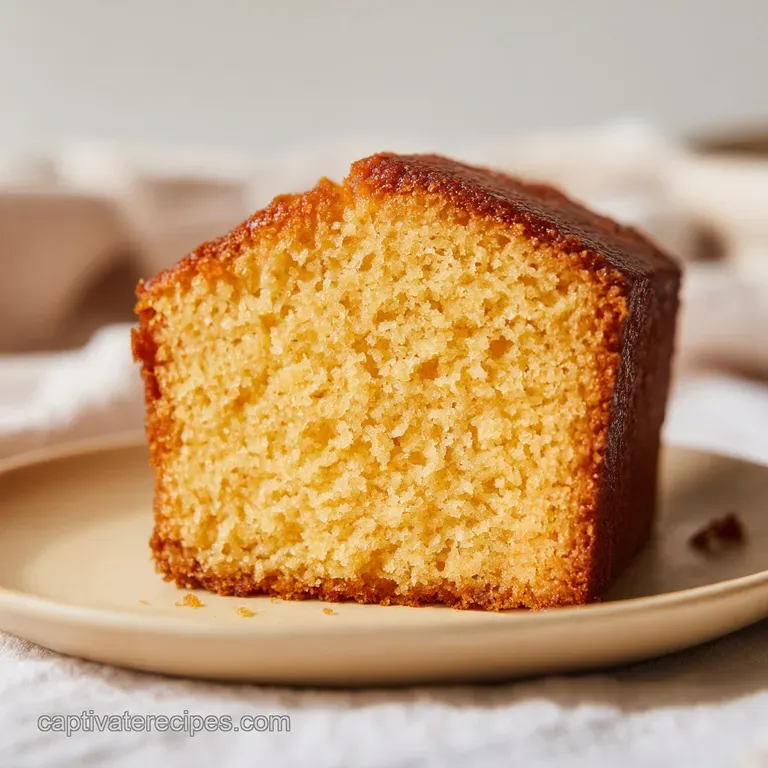
Baking can be temperamental. I've had cakes that sank in the middle and others that were too dense. Usually, it's a temperature issue or a mixing mistake.
Troubleshooting Common Issues
| Issue | Solution |
|---|---|
| Why Your Cake Sank | This usually happens because the oven door was opened too early or the baking powder was expired. When the structure hasn't set, the cold air causes the air bubbles to collapse. |
| Why Your Texture is Rubbery | Overmixing the flour is the culprit here. Once the flour hits the wet ingredients, gluten starts to form. If you beat it too long, you're making bread, not a velvety cake. |
| Why Your Cake Stuck | Either the pan wasn't greased enough or you tried to flip it too soon. Patience is key; the 10 minute rest allows the steam to release, making the cake slide out. |
Common Mistakes Checklist
- ✓ Butter is truly softened (not melted)
- ✓ All liquids are at room temperature
- ✓ Flour is sifted to remove lumps
- ✓ No overmixing after adding flour
- ✓ Cake cooled for 10 mins before flipping
Simple ingredient swaps
If you're dealing with allergies or just ran out of something, you can tweak this. But be warned: some changes will alter that "to die for" texture.
| Original Ingredient | Substitute | Why It Works |
|---|---|---|
| Full fat Buttermilk | Greek Yogurt (thinned) | Similar acidity. Note: Makes the cake slightly denser |
| All Purpose Flour | Almond Flour (partial) | Adds moisture. Note: Use only for 25% of flour or it won't rise |
| Granulated Sugar | Coconut Sugar | Earthy sweetness. Note: Changes the color to a deep brown |
| Unsalted Butter | Coconut Oil (solid) | High fat content. Note: Adds a distinct coconut flavor |
If you want a different flavor profile, I've found that swapping the lemon for almond extract works brilliantly. For another decadent treat, try my Salted Caramel Sauce drizzled over a warm slice of this cake.
Adjusting the batch size
Sometimes you don't need 16 servings. Here is how to handle the scaling without ruining the chemistry.
Scaling Down (Half Batch) Use a 9x5 inch loaf pan. Reduce the baking time by about 20%, but start checking at 60 minutes. For the eggs, beat one egg in a small bowl and use exactly half of it by weight.
Scaling Up (Double Batch) Do not try to bake one giant cake. Work in two separate Bundt pans. I recommend lowering the oven temperature by about 15°C (approx 25°F) and extending the time by 10-15 minutes to ensure the centers cook through without burning the outside.
The Pro Tip for Scaling When doubling, only increase the salt and baking powder by 1.5x instead of 2x. Too much leavening in a large batch can cause the cake to rise too quickly and then collapse.
Kitchen myths debunked
There's a lot of noise out there about pound cakes. Let's clear a few things up so you can bake with confidence.
Myth: You must use a wooden spoon to keep the air in. Truth: A stand mixer is actually more efficient at aerating the butter and sugar. As long as you switch to a low speed or a spatula for the flour, the tool doesn't change the result.
Myth: Cold ingredients are fine as long as you mix longer. Truth: Cold ingredients don't emulsify. Cold butter won't trap air, and cold eggs will seize the butter, leading to a broken batter and a dense, greasy cake.
Preservation secrets
Because of the buttermilk and high fat content, this cake stays moist longer than a standard sponge. But you still want to store it correctly.
Storage Guidelines Keep the cake in an airtight container at room temperature for up to 3 days. If you're in a very humid environment, the fridge is better, but it can dry out the crumb. If refrigerating, wrap it tightly in plastic wrap.
Freezer Friendly This cake freezes beautifully. Wrap individual slices in parchment paper and then foil. They'll stay fresh for up to 3 months. To revive a slice, let it thaw at room temperature or pop it in the microwave for 10 seconds for that "fresh from the oven" feel.
Zero Waste Tips If you have leftover buttermilk, don't toss it! Use it as a marinade for chicken or pancakes. If you have a few stale edges of cake, crumble them up and toast them in a pan with a bit of butter to make a "pound cake crumble" for topping ice cream.
Making it look gorgeous
Since this is a showstopper cake, the presentation matters. Because the cake is a pale, golden yellow, we want to use colors that pop.
- - Raspberry Red
- Add a handful of fresh raspberries on top of a powdered sugar dusting. The deep red contrasts perfectly with the gold.
- - Mint Green
- A sprig of fresh mint tucked next to the berries adds a fresh, organic feel.
- - Lemon Yellow
- Thinly sliced candied lemon wheels placed around the center hole of the Bundt cake reinforce the flavor profile.
Slicing for the Win To get those bakery style slices, use a long, serrated knife. Instead of pressing down, use a gentle sawing motion. For a Bundt cake, cut slices about 1 inch thick. If the cake is slightly warm, the knife might stick, so wait until it's completely cool.
The Final Touch A simple glaze of powdered sugar and a splash of lemon juice is all you need. Pour it over the cake while it's still slightly warm so it drips down the sides in a velvety pattern, rather than just sitting on top.
Recipe FAQs
Can I use regular milk instead of buttermilk?
No, stick with buttermilk. The acidity in buttermilk is essential for reacting with the baking powder to create a tender crumb and signature tang.
How to prevent the cake from sticking to the pan?
Grease the pan thoroughly with butter and flour or baking spray. Let the cake rest in the pan for 10-15 minutes before inverting it onto a wire rack.
Why is my buttermilk pound cake rubbery?
You likely overmixed the batter. Once the flour is added, mix only until streaks disappear to avoid overdeveloping gluten, which ruins the velvety texture.
Is it true that opening the oven frequently to check progress is harmless?
No, this is a common misconception. Opening the door too early lets in cold air, which can cause the air bubbles to collapse and the cake to sink.
How to achieve the correct pale and fluffy consistency during mixing?
Cream the softened butter and sugar on medium high speed for 3-5 minutes. This process incorporates enough air to ensure the cake isn't too dense.
How to tell when the cake is fully baked?
Insert a skewer into the center and ensure it comes out clean. The cake should also begin pulling away from the sides of the pan after 80-90 minutes at 325°F.
Why is adding eggs one at a time necessary?
It maintains a smooth emulsion. If you enjoyed mastering the emulsion here, see how the same principle works in our chocolate cake.
To Die For Buttermilk Pound Cake